


 عربى
عربى 中文简体
中文简体Search by posts
Calendar
Product Categories
Industry News
 By Admin
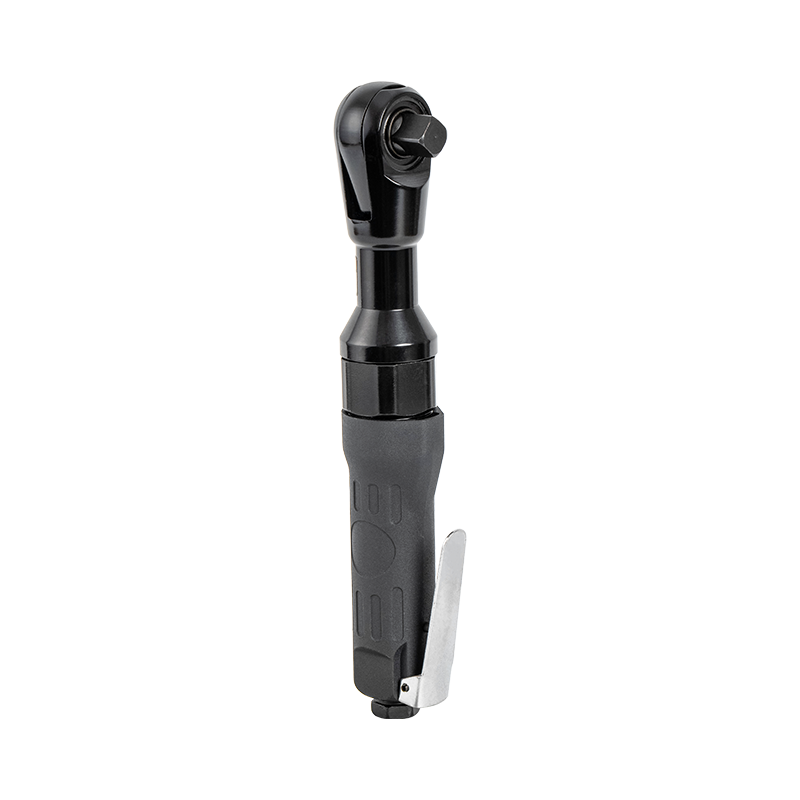
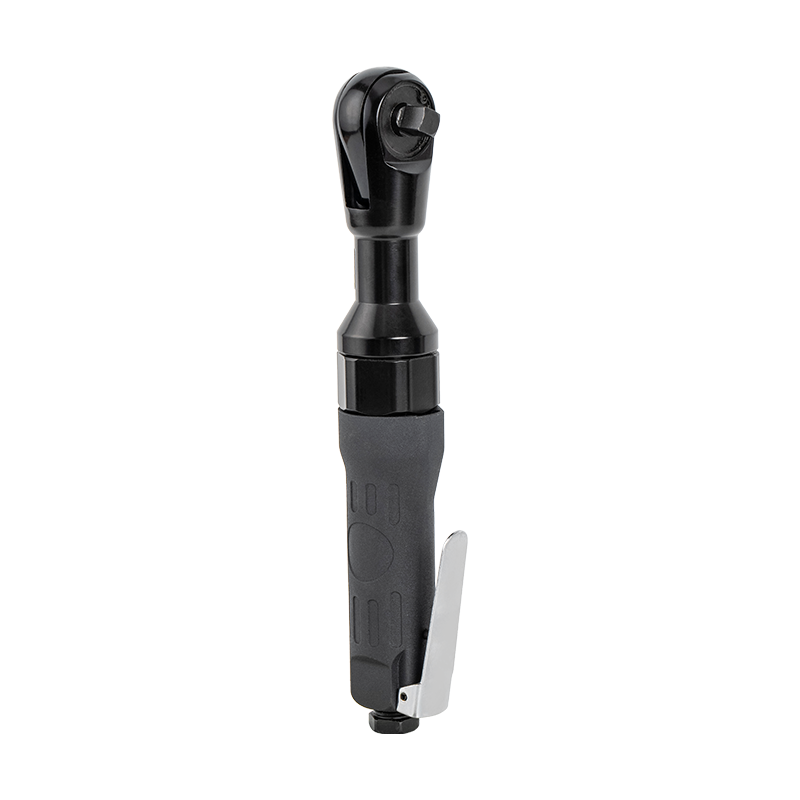
Why Is the Pneumatic Ratchet Wrench Still a Staple in Industrial Assembly?
In the fast-paced world of mechanical maintenance, why does the Pneumatic Ratchet Wrench continue to hold its ground alongside modern power tools? The answer lies in its raw reliability and high power-to-weight ratio. For decades, pneumatic tools have been the backbone of automotive repair shops, but as technology advances, the conversation has shifted towards how these traditional tools compare and integrate with new-age solutions like the 1/4" Electric Battery Ratchet Wrench. Understanding the specific roles of these fasteners is crucial for any technician looking to optimize their workflow.
What Makes the 1/4" Electric Battery Ratchet Wrench So Versatile?
When discussing versatility, why is the 1/4" Electric Battery Ratchet Wrench frequently cited as a must-have tool? This device features a square drive interface that typically comes in two specifications: 3/8 inch and 1/4 inch. This dual compatibility ensures it can work seamlessly with a vast variety of sockets, making it an indispensable asset in automotive repair, intricate mechanical assembly, and home DIY projects.
Unlike a bulky Pneumatic Ratchet Wrench that requires a constant air hose connection, the battery-powered version offers tether-free movement. This makes it particularly effective for tasks where mobility is restricted. Whether you are working under the chassis of a vehicle or inside a cramped utility cabinet, the ability to switch between socket sizes without changing the entire tool setup fully demonstrates its versatility and practical design.
How Does the 260 RPM No-Load Speed Impact Work Efficiency?
In any professional setting, time is money. How does a no-load speed of 260 rpm contribute to a faster project completion rate? The 1/4" Electric Battery Ratchet Wrench is engineered to deliver rapid rotation, which significantly improves work efficiency. By shortening the operation time during the repetitive task of tightening or loosening long-threaded fasteners, it allows the operator to move from one bolt to the next with minimal delay.
This powerful speed ensures that whether the user is performing delicate work in a small space or fast operation across a large range, the tool can easily cope with the demand. While a Pneumatic Ratchet Wrench might offer higher top speeds, the consistent delivery of 260 rpm in a cordless format provides a level of adaptability that is hard to match in field-service environments where setting up a compressor is not feasible.
Why Is 60 Nm of Torque the Sweet Spot for Stubborn Screws?
What happens when a fastener is seized or overly tightened? Can a compact 1/4" Electric Battery Ratchet Wrench provide enough power? With a torque output reaching 60 Nm, this wrench ensures that sufficient power is provided even when dealing with stubborn screws. This high torque threshold is essential for avoiding work delays caused by insufficient power, which is a common frustration with lower-quality manual or electric alternatives.
Having 60 Nm at your fingertips means that the tool does the heavy lifting, reducing the physical strain on the user's wrist. In many cases, this torque level rivals the mid-range performance of a standard Pneumatic Ratchet Wrench, making the electric version a viable primary tool for most light-to-medium duty mechanical tasks.
What Are the Key Specifications of the Modern Ratchet Wrench?
To better understand the technical differences between these power tools, what are the primary specs users should look for? Below is a concise table outlining the performance metrics of the 1/4" Electric Battery Ratchet Wrench:
|
Feature |
Technical Specification |
Benefit to Operator |
|---|---|---|
|
Drive Size |
1/4" and 3/8" Square Drive |
High compatibility with various sockets |
|
No-Load Speed |
260 RPM |
Increased efficiency and faster cycles |
|
Max Torque |
60 Nm |
Handles stubborn or rusted fasteners |
|
Power Source |
Lithium-Ion Battery |
Portable and hose-free operation |
|
Handle Type |
Ergonomic Soft Grip |
Reduced vibration and better control |
How Does Lightweight Design Improve Operational Flexibility?
Why is the weight of a tool such a critical factor for professional mechanics? The lightweight design of the 1/4" Electric Battery Ratchet Wrench makes the operation more flexible across diverse working environments. When a tool is heavy, the user's precision decreases as the day progresses. In contrast, a lightweight cordless wrench allows for effortless overhead work and easy maneuvering around engine components.
By reducing the bulk associated with traditional air-powered systems, this wrench allows users to access tight spots that a Pneumatic Ratchet Wrench with an attached hose might struggle to reach. This flexibility is not just a luxury; it is a functional requirement for modern vehicle designs where engine bays are increasingly crowded and complex.
Why Is Ergonomics Essential for Long-Term User Health?
Beyond the mechanical specs, how does the handle design of the 1/4" Electric Battery Ratchet Wrench protect the operator? Long-term use of power tools can lead to repetitive strain injuries or hand-arm vibration syndrome. To combat this, modern wrenches feature an ergonomic handle design specifically crafted to reduce fatigue.
This design ensures that the operator can maintain good control and stability even when performing complex, high-torque operations. The grip materials are often chosen to absorb shock and provide a non-slip surface, which is vital when working with oily or greasy hands in a mechanical shop. This focus on the human element ensures that productivity remains high without sacrificing the physical well-being of the technician.
Can the Electric Wrench Handle Mechanical Assembly Tasks?
What specific roles does the 1/4" Electric Battery Ratchet Wrench play in a production or assembly line? In mechanical assembly, precision and repeatability are key. The consistent power delivery of the electric motor allows for uniform tightening of fasteners, which is often more controllable than the variable pulses of a Pneumatic Ratchet Wrench.
Its ability to handle delicate components while still possessing the 60 Nm torque needed for structural bolts makes it a "jack-of-all-trades" on the assembly floor. Workers can transition from installing small trim pieces to securing bracketry with a single tool, streamlining the production process and reducing the number of tools required at each workstation.
How Does the Battery Wrench Adapt to Home DIY Projects?
Why is the 1/4" Electric Battery Ratchet Wrench becoming the preferred choice for home hobbyists over the Pneumatic Ratchet Wrench? For the average homeowner, maintaining a compressed air system is expensive and space-consuming. The battery-powered wrench offers a "plug-and-play" solution that is ready to use at a moment's notice.
Whether it is assembling flat-pack furniture, repairing a lawnmower, or performing a basic oil change on a car, the 260 rpm speed and 60 Nm torque provide more than enough power for residential tasks. The simplicity of charging a battery versus managing air filters, hoses, and oilers for pneumatic tools makes the electric version far more approachable for non-professional users.
Is the Square Drive Interface the Key to Tool Longevity?
How does the drive interface affect the lifespan and utility of the wrench? By utilizing a standard square drive, the 1/4" Electric Battery Ratchet Wrench ensures that it remains compatible with sockets for years to come. This standardization prevents the tool from becoming obsolete as new hardware is released.
The materials used in the drive head are typically high-strength alloy steels, designed to withstand the 60 Nm torque without deforming. This robust construction ensures that whether you are using a Pneumatic Ratchet Wrench for heavy industrial use or a battery-powered version for mobile repairs, the connection point between the tool and the fastener remains the strongest link in the chain.
How Do These Tools Cope with Small Spaces and Tight Clearances?
What is the advantage of a ratchet-style head over a standard impact driver? In many mechanical situations, there is no room for a pistol-grip tool. Both the Pneumatic Ratchet Wrench and the 1/4" Electric Battery Ratchet Wrench feature a slim, longitudinal profile.
This shape allows the tool to be slipped into narrow gaps where only a hand might fit. Once in place, the motor takes over, spinning the fastener at 260 rpm. This is a massive advantage in modern automotive design, where components are often layered. The ability to exert 60 Nm of force in a space only a few inches wide is exactly why these tools are considered essential for any serious toolkit.
Recommended products
-
RH-464 Pneumatic Corner Needle Scaler
-
RH-460 Mini Compact Pneumatic Air Needle Scaler
-
RH-462 Portable Industrial Straight Needle Scaler
-
RH-7034C Portable Pneumatic Chamfering Machine
-
RH-7034B Central Pneumatic 4" Air Angle Grinder
-
RH-7034D 7" Hand Held Angle Grinder
-
RH-160 1/2" Drive Single Hammer Air Pneumatic Impact Wrench
-
RH-160K Cordless Electric Rechargeable Air Impact Wrench Kit
-
RH-112 1/2" Universal Electric Ratchet Wrench Hand Tool
-
RH-128 1/2" High Torque Electric Ratchet Wrench
-
RH-138 3/8" Long Head Portable Cordless Electric Ratchet Wrench
-
RH-148 1/4" Electric Battery Ratchet Wrench
CONTACT OUR EXPERTS
AND GET A FREE CONSULTATION!
Ningbo Haishu Renhao Pneumatic Co., Ltd.
 Address: Jiangbei District Ningbo City in Zhejiang Province by the Keli industrial ParkL Building 15th
 Phone: +86-139 0668 0779
 Tel: +86-139 0668 0779
 Fax: +86-139 0668 0779
 E-mail:[email protected]


