


 عربى
عربى 中文简体
中文简体Search by posts
Calendar
Product Categories
Industry News
 By Admin
When Is a Pneumatic Drill Commonly Used? Practical Use Cases Explained
At a construction site without a single electrical outlet, a technician in a cramped duct, or a mechanic working under a vehicle frame, the pneumatic drill is the tool that keeps the job moving. A pneumatic drill is commonly used when electricity is unavailable, when the work area is too narrow for a conventional drill, when spark control matters, and when the task calls for high torque in a lightweight package. If you work in construction, road maintenance, mining, shipbuilding, or automotive repair, an air drill is often the fastest and safest way to complete the task. This is not a backup tool. Pneumatic drills run on compressed air, which is the most practical power source in many industrial environments. They are built to handle continuous duty cycles, they produce high torque without the bulk of a large electric motor, and they create no spark hazard in explosive atmospheres. The question is not whether an air drill can do the job. The question is when you should choose one over a corded or cordless tool. The answer depends on your air supply, your work site, and the specific drilling task in front of you. Let us walk through the scenarios that call for a pneumatic drill and the reasons that make it the right choice. A pneumatic drill, also called an air drill, is a rotary tool that is powered by compressed air. Instead of using a DC motor or a universal electric motor, the drill uses a small air motor, usually a vane-type motor, which converts the energy of pressurized air into rotational motion. The rotating shaft drives a chuck or collet that holds a drill bit, tap, reamer, or other rotary accessory. The working principle is straightforward. Compressed air enters the tool through an air inlet, passes through a throttle valve controlled by the trigger, and pushes against the vanes of the rotor. As the rotor spins, it drives the output spindle. The air is exhausted from the tool through a front or rear exhaust port. There are no brushes to replace and no electrical coils to burn out. This simple design is what makes the pneumatic drill so reliable in harsh environments. The key components of a pneumatic drill are the air inlet, the trigger actuator, the speed control valve, the air motor, the gearing or direct drive, the chuck or collet, and the exhaust port. The tool also depends on an external compressed air supply. The supply must be clean, dry, and lubricated. A typical pneumatic drill operates at 90 psi or 6.3 bar and consumes about 2 to 4 CFM, cubic feet per minute, depending on the model. This is an important specification, because your compressor and your air lines must be able to deliver this at the actual tool inlet. If the pressure at the tool is lower than specified, the torque drops sharply and the bit may stall in the hole. For a deeper look at how pneumatic tools work and why they are used across the hardware industry, you can read more about pneumatic tool basics in our industry knowledge articles. The fundamentals of a pneumatic tool are always a useful starting point before you pick between an air drill and an electric drill. The short answer is that a pneumatic drill is commonly used in four situations: when there is no electricity, when space is tight, when noise is a concern, and when the job requires a tool that can stand up to continuous industrial use. The longer answer is found in the specific industries where the tool is a standard fixture. Let us look at the practical use cases. On a construction site, an air drill is commonly used when the site is in an early stage and electrical service has not yet been wired. A portable compressor supplies air to the drill as well as to other air tools like impact wrenches, grinders, or concrete breakers. The air drill is used to bore holes in brick, block, or timber for anchors and fasteners. During demolition, a pneumatic rotary drill with a masonry bit can remove old fasteners, clean out concrete bolts, or prepare the surface for new construction. One specific purchase consideration for construction crews is the chuck size. A 3/8-inch chuck air drill can handle most light to moderate drilling on a job site. A 1/2-inch chuck with a slower-speed motor gives you more torque for larger holes in dense concrete or steel. For many contractors, the air drill is part of a full pneumatic tool package that also includes a needle scaler and an angle grinder. The same compressor supplies all these tools. Check the CFM rating of each tool and total them when you size the compressor. Road work is another classic setting for the pneumatic drill. When crews need to drill through concrete curbs, bridge decks, or asphalt, they turn to air tools because the power source is already present. Road contractors often run a large diesel compressor to power pneumatic breakers, drills, and saws. The air drill is used for setting signposts, drilling anchor holes for guardrails, and preparing repair patches on road surfaces. The tool takes rough treatment well, because the motor has no exposed electrical parts that a rain shower would destroy. The typical road-work drill is a heavy-duty 1/2-inch model with a keyed chuck. It runs at a slower RPM, somewhere between 400 and 1,000 free speed, to match the torque required for concrete and steel. The operator also needs a torque-limiting device or a side handle, because the reaction force when the bit catches a steel rebar can be enough to twist the tool out of a grip. In underground mining, the pneumatic drill has been a standard tool for decades. The reason is simple: compressed air is safe in methane-rich or explosive atmospheres. An electric drill can produce a spark at the commutator or in the switch housing. An air drill has no electrical components, no spark source, and no potential to ignite dust or gas. In addition, the exhaust air from the drill helps blow the drill cuttings out of the hole, which makes the job cleaner and faster. Mining drills are usually straight rather than pistol-grip. They run at high speed and need a stable connection to a long air hose. Operators often work in confined spaces where a drill with an ergonomic grip and a non-rotating side handle is easier to control. The tool must also resist the ingress of abrasive dust. These drills are commonly serviced in a dedicated workshop because they run for long shifts and take heavy mechanical loads. An automotive technician uses a pneumatic drill when the compressor is already running for an impact wrench or a paint spray gun. The air drill lets the mechanic drill out a seized bolt, tap a damaged thread, or rotate a fastener quickly without hunting for a charged battery. The 3/8-inch air drill is the standard size. It is light enough to use overhead under a vehicle on a lift, and it delivers enough torque to turn a tap when cleaning a thread. Many mechanics prefer an air drill because the motor can stall without burning out. If a bit jams in a tight hole, an electric drill can overheat, smoke, and burn the motor winding. An air drill will simply stop turning. When the bit is freed, the air motor starts again with no thermal damage. This is a practical advantage in a busy shop. Ship construction involves drilling a huge number of holes in steel plates and frames. These holes are often located in compartments that are dark, wet, and extremely confined. A pneumatic drill is commonly used here because it is compact, light, and does not present a spark hazard in a space that may have residual fuel or solvents. The drill is operated from scaffolding under the ship's hull or in the interior of a double bottom. It is also used on the deck for tack welding cleanup and for fitting handrails and equipment. In shipyards, the straight pneumatic drill is especially popular because it is small in diameter and can be slid into the space between a plate and a rib. A right-angle head is used when the operator is working against a bulkhead. The tool's rear exhaust design is useful here too, because the operator can rout the exhaust away from the work surface and reduce the noise inside the confined compartment. Aircraft assembly is one of the most demanding uses of a pneumatic drill. The tool must create clean holes in aluminum and titanium that are exact in size and position. The operator needs a drill with smooth power, low vibration, and a chuck that runs true. Pneumatic drills are commonplace on aircraft assembly lines because the factory is already supplied with compressed air for riveting tools and other production systems. An aerospace application may call for a high-speed pneumatic drill with a 1/4-inch or 1/8-inch collet. The tool is held with a delicate touch, and the air motor provides a consistent rotational speed that does not pulse the way a battery-operated motor can. Right-angle drills are used to access rivet locations in wing boxes and tail sections. The advantage of a pneumatic drill here is not brute force; it is control and consistency. Manufacturing plants also rely on pneumatic drills for repetitive tasks. On an assembly line that produces metal brackets, cabinets, or appliance components, a pneumatic drill can be mounted in a fixture or used by a worker at a workstation. The tool is fed from a central compressor, which means the operator never has to charge a battery or drag a power cord. The consistency of the compressed air supply gives a uniform speed and torque for each fastening cycle. If the drill wears out, it can be replaced quickly without shutting down the production line. The search results for this topic often point to a test answer: a pneumatic drill is commonly used when electricity is unavailable and when you need to drill in tight, small areas. These two factors often go together. A remote workshop on an oil rig has no wall sockets. The available power is compressed air, produced by a diesel-driven compressor on the deck. If you want a drill that spins a bit in a cramped corner of an engine room, a right-angle air drill is the only tool that will fit. The same applies to an underground mine, a utility vault, or a tunnel under construction. Noise is the third factor. An electric drill running at full speed has a whine that travels through the structure. In a residential building or a hospital, this can be a problem. A pneumatic drill can be quieter at the operator's ear, but the important part is that the compressor can be located far from the work area. The noise is then shifted to a location where it matters less, while the operator works comfortably. The practical reasons for choosing a pneumatic drill are not about novelty. They are about performance in real working conditions. Let me list the most important ones and explain what they mean for your tools and your budget. An air motor is much lighter than an electric motor of the same power. A 1/2-inch pneumatic drill can weigh as little as 1.1 kg to 1.8 kg, while a comparable electric drill can weigh 2.5 kg or more. That difference is significant when you are drilling overhead for hours. The current company's pneumatic drills are designed to be compact, which allows operators to work in cramped ceiling spaces and vertical positions without dripping sweat from fatigue. There is no commutator, no brush, and no current inside a pneumatic drill. The only energy is compressed air. This makes the tool a match for environments where gasoline, solvents, or dusts are present. Painting a ship, repairing a fuel tank, drilling in a grain silo, or working in an underground mine are the cases where a spark-free tool is the only sensible choice. The operator does not have to worry that the motor will produce an arc, because there is nothing in the tool to produce one. An electric drill has a cooling fan that pulls air and dust through the motor. When the dust is conductive or abrasive, the motor can eventually fail. A pneumatic drill has no fan. The internal pressure is positive, which means foreign particles are forced out of the tool rather than drawn in. A mist of water, common on construction sites and shipyards, does not shut down the air motor. The tool keeps turning as long as the air supply is clean. The air motor has few moving parts: a rotor, a set of vanes, bearings, and an output shaft. There are no expensive brushes, no armature to burn, and no electronic speed controller to fry. If the tool starts to lose power, the first check is a dirty air filter, an air line that is too small, or a dried-out vane. Most repairs are simple and use standard parts. This reliability saves money in the long run because your tool remains in service for more hours between repairs. An air drill is one of the few tools that can run all day without a thermal interruption. The compressed air flows through the motor and carries away heat. There is no circuit breaker to trip because the tool is not feeding on electricity. Manufacturing plants use pneumatic drills for this reason. A line worker can drill a hole every 15 seconds for an eight-hour shift and the tool never needs a rest. The mechanical limit is the wear of the vanes and the bearings, not the motor winding temperature. When you already have an electric drill on the shelf, it is natural to ask whether a pneumatic drill is worth the investment. The answer is usually yes when your work involves one of the use cases described above. The table below summarizes the key differences to help you decide. If you are working in a shop that already has a compressor for spray painting or impact wrenches, the pneumatic drill is often the cheaper option to add. There is no need to buy a new battery platform, and the tool is lighter for the same torque output. If you are working in a remote location without a compressor, you will need to factor in the cost of the compressor, the air line, and the FRL unit. That upfront cost pays off when you value reliability, safety, or continuous operation. Not all pneumatic drills are the same. The shape of the tool determines where and how you can use it. Here is a breakdown of the major types and their common uses. The pistol-grip pneumatic drill is the workhorse of the air tool family. It is intended for general drilling, reaming, and light tapping. The tool has a trigger on the underside of the handle, so you can press the grip with one hand and guide the drill with the other. The model family commonly includes 3/8-inch and 1/2-inch versions. A 3/8-inch single-turn air drill is used for drilling steel, aluminum, wood, and many plastics. It runs at a moderate speed and is light enough to use in any position. The 1/2-inch version has a slower speed and higher torque, making it suitable for heavier work in steel beams or concrete. If the job requires cutting internal threads, you need a reversible model so that the drill can turn the tap in and then turn it back out. A straight pneumatic drill, also called a pencil drill, has its body in a straight line. It is used for high-speed drilling with small bits and for precision work in confined spaces. The long, narrow profile lets you reach through a small opening. These tools often have a collet instead of a chuck, which means you can use them for grinding, engraving, and deburring as well as drilling. They are common in tool and die shops, mold making, and fine assembly. A right-angle drill places the chuck at 90 degrees to the body. This lets the operator work in places where the length of a straight tool is impossible. The typical use is inside ductwork, inside a cabinet, between beams, or under a vehicle dashboard. The tool is also used in spaces where you need to apply force from a specific direction. Right-angle drills are favored in shipbuilding and aerospace for their ability to access rivet holes that a straight drill cannot reach. They are also used in heavy equipment repair, where a bolt or pin can only be reached from the side. The trade-off is that the angle head adds bulk and the chuck size is usually limited to 3/8 inch or smaller. D-handle pneumatic drills are used for heavy-duty work, such as drilling large holes in concrete or structural steel. The D-shaped handle gives the operator a firm grip and a place to rest the palm while pushing the drill forward. These tools often have a pistol trigger on the back or a lever at the side. They are popular in steel fabrication, bridge construction, and general industrial maintenance. Many pneumatic drills are available in both reversible and non-reversible configurations. A non-reversible drill is simpler, lighter, and slightly less expensive. It is fine for drilling holes in wood, steel, or masonry. A reversible drill has a switch that allows the operator to change the direction of the motor. This is essential for tapping threads, extracting broken screws, and loosening a bit that has become jammed in a hole. If you are buying a pneumatic drill for automotive or machine repair, choose a reversible model. The ability to start and stop without damaging the tap is worth the small extra cost. For pure production drilling in a workshop, a non-reversible tool is often enough. Before you invest in a pneumatic drill, look at these specifications: Pneumatic drills are available with different speed ranges. The free speed is the maximum RPM when the air motor is not loaded. A 3/8-inch drill gun typically has a free speed of about 1,600 to 3,000 RPM. A 1/2-inch drill gun usually runs at 400 to 1,000 RPM. A straight drill can run as fast as 20,000 RPM for very small bits. The RPM you need depends on the material. Aluminum and plastic can be drilled at higher speeds. Stainless steel and hardened steel need slower speeds and greater torque. You can use a small comparison table to narrow down your options in a few minutes. A table makes it easier to compare the main styles side by side. Pneumatic drill performance depends on the air supply. A 3/8-inch drill gun at full load needs about 3 to 4 CFM at 90 psi. If your compressor is too small, the pressure drops and the tool runs slowly. If the hose is too long or too narrow, the air pressure at the tool might be far lower than at the compressor. This is why a good air system matters more than the drill itself. The standard air line for a pneumatic drill is a 3/8-inch or 1/2-inch rubber hose. With a 3/8-inch hose, you can deliver up to 15 CFM over a 20-foot run. With a 1/2-inch hose, you can deliver up to 30 CFM over the same distance. The longer the hose, the greater the pressure drop. For a run of 25 feet or more, step up to a 1/2-inch hose to keep the pressure high. Always use a filter-regulator-lubricator, or FRL, on the line. The filter removes water and dust. The regulator sets the pressure at the tool inlet to the recommended value. The lubricator applies a fine oil mist. Without a lubricator, the vanes of the air motor wear quickly and the tool loses power. The cost of a good FRL is small compared to replacing a drilling motor. Use quick-connect couplings that match the tool's air inlet. A leaking coupling wastes air and reduces tool power. A standard industrial interchange coupling, usually 1/4-inch NPT, is a common choice on many tools. Check that your compressor's output is at least 20 percent larger than the total CFM needed by all the tools you run at the same time. For a single pneumatic drill, a small portable compressor with a 6 CFM displacement at 90 psi is enough for intermittent use. For continuous duty, you need a larger stationary compressor. Selecting the right model comes down to matching the tool to the work. Let us walk through the key factors step by step. Before you buy a pneumatic drill, check your compressor. The tool needs 90 psi at the inlet. This pressure must be present while the tool is running, not just when it is idle. There is a pressure drop in a long hose, so you may need to start with a higher pressure at the compressor to get 90 psi at the tool. A 3/8-inch drill gun uses roughly 3 to 4 CFM at full load. A 1/2-inch heavy-duty drill can consume between 4 and 6 CFM. A small 1/4-inch straight drill can get by with about 2 CFM. If your compressor has trouble keeping up, the drill will run slowly, lose torque, and cause you to push a bit that is not turning fast enough. This leads to drill walking or to broken bits. A good rule of thumb is to have 20 to 25 percent more CFM than the total required by your tool. If you are running an air drill and an air grinder at the same time, add the two CFM numbers and then multiply by 1.25. The chuck size limits the largest bit shank that you can use. A 3/8-inch chuck accepts bits up to 10 mm, roughly 3/8 inch. For a hole that needs to be 13 mm or larger, you need a 1/2-inch chuck. It is better to choose a drill with a chuck that matches your most common job, rather than buying a 1/2-inch chuck for everything and accepting the extra weight. Many pneumatic drills also use a keyed chuck, which needs a key to tighten. This is slower but safer for high torque work. A keyless chuck is faster but can slip at high torque. The free speed of the drill is the speed when the tool is not touching the work. Under load, the actual speed drops. For small bits, you want a high free speed so that you may still have effective speed under load. For large bits and steel drilling, you want a lower free speed and greater torque. The air motor delivers its torque in an almost linear fashion, so a low-speed model is naturally better at drilling hard materials. If you plan to tap threads, look for a drill with a forward and reverse switch and a manageable speed. Tapping should be done with a slow rotation, roughly 100 to 300 RPM, and the drill should have enough torque to cut the threads without twisting off. Some operators use a pneumatic drill with a tachometer on the spindle to confirm the speed under load, but for most small jobs, a good reversible air drill works fine. Working overhead is a different world. Bending your wrist upward to hold a 2 kg tool for a whole shift creates pain, fatigue, and the risk of dropping the tool. A compact pneumatic drill with a pistol grip and a lightweight motor is much better for overhead work. Also, check the position of the exhaust. A rear exhaust pushes air into your forearm, which is uncomfortable. A front exhaust blows chips away from the tool but can blow debris into your face. Try both if possible, or read the reviews from other users. A pneumatic drill can be as quiet as a corded drill at low speed on light work. At full speed, the tool and the air motor produce a whine that may reach 80 to 90 dB(A). The compressed air inside the tool is a major source of noise. Some pneumatic drills have a muffler built into the exhaust. To reduce noise in a busy workshop, you can install a large external silencer on the air line, or you can route the exhaust away from the operator with a lengthened hose. In any case, hearing protection is recommended for continuous use. Drill bit selection also affects performance. Use a black oxide or cobalt high-speed steel bit for drilling steel. Use a masonry bit with a carbide tip for concrete and brick. A high-speed steel bit with a split point starts without a pilot hole. If the bit is dull, it will walk, overheat, and produce a hole that is not round. For the pneumatic drill, the bit must be held in a chuck that is true to the spindle. Any runout in the chuck will cause wobble and increase the hole diameter. A pneumatic drill with a good set of accessories is more useful than the same drill alone. The accessories solve real problems: controlling speed, gripping the tool securely, keeping the air hose untangled, and switching bits quickly. A side handle gives you a second gripping point. When a 1/2-inch drill is biting through steel, the reaction force can be high enough to snap the drill out of your hand. The side handle lets you hold the tool steady with both hands and align the bit without wobbling. Side handles also help when you need to push a heavy feed force, as with drilling a large mortar hole in a concrete wall. In the company's pneumatic accessories range, the RHS1 air drill side handle fixture is specifically made to be mounted onto an air drill. It provides a secure grip point and can be adjusted to the most comfortable angle for the operator. A quick-change chuck adapter lets you swap bits, taps, or screwdriver heads without using a chuck key. This is very handy when you are doing work that requires a drill bit for the pilot hole and a countersink or a tap on the same job. The RHK quickly replace the clamp adapter is an example of a machine-saving attachment that lets you change tools quickly without the risk of losing a key. An air flow regulator valve, such as the RHN1 airflow regulator and control valve, is a small and inexpensive addition to the air line. It controls the volume of air that reaches the drill. By turning the valve, you can adjust the tool's speed from the same pressure supply. This is useful for delicate materials, for slow tapping, and for precision drilling. Instead of buying a special slow-drilling model, you can use the flow regulator and keep a high-RPM drill for fast work. A swivel connector is placed between the air tool and the hose. It allows the hose to rotate freely as you turn the drill. This reduces stress on the hose and prevents kinking. The RHW pneumatic swivel universal connector is designed for this job. A swivel is especially important for a right-angle drill because the tool itself rotates through a wide arc and the hose would otherwise twist around your arm. If you take care of a pneumatic drill, it will last for many years. The typical causes of premature failure are poor lubrication, wet air, and dirt entering the tool. Here is a practical checklist. An air motor needs a constant supply of turbine oil or a similar lightweight oil to keep the vanes sliding freely. Automatic lubrication is the best way to ensure this. In a production line, install a filter-regulator-lubricator on the air line. The lubricator feeds a mist of oil into the air stream. If you do not have an FRL, place two drops of pneumatic tool oil into the air inlet every shift before you start work. The oil is carried through the motor and then exhausted in the form of a fine mist. Never run a pneumatic drill without oil, even for one test run, because the vanes can wear quickly. Water vapor in the air supply condenses inside the tool and can rust the motor. The first sign of this problem is sluggish rotation or a brownish mist coming from the exhaust port. Check your compressor tank daily and drain any accumulated water. An air dryer between the compressor and the tool will remove most moisture. An inline filter catches particles of rust and dirt that would otherwise scratch the internal surfaces of the air motor. Before using a pneumatic drill, inspect the chuck, air inlet, trigger, and exhaust path. Make sure the chuck is clean and does not wobble. The trigger should return to the off position when you release it. If the drill is equipped with a reversible switch, check that it moves freely. Run the drill for a second and listen for a grinding or clicking sound that could indicate a broken vane. A broken vane will cause a loss of power and a rough run. Use safety glasses that wrap around your eyes when drilling. The air exhaust can blow metal chips and dust at your face. If you are drilling overhead, the chips will fall onto you. A face shield is even better than safety glasses if you work for long intervals. Hearing protection is a must if you are running the tool all day or if the work environment is already noisy. Gloves will protect your hands from metal chips, but make sure they are snug and do not interfere with the trigger operation. Do not wear loose gloves when working around a rotating chuck. Always disconnect the air hose before you change a bit, service the tool, or leave it unattended. Never carry the tool by the air hose. Do not pull a drill by the trigger when there is no bit. Keep the tool away from your body while the air is connected. If you are working on scaffolding or a ladder, ensure that the air hose is secured so that it will not catch on a corner and cause a sudden pull. After use, coil the air hose and store the drill in a dry place, with a little oil in the inlet to protect the motor from condensation. A pneumatic drill is commonly used when electricity is unavailable, when the workspace is too tight for a conventional drill, when spark control is critical, and when the job demands a tool that can run continuously. The use cases span from construction and road work through mining and shipbuilding to automotive repair and aerospace assembly. In each case, the pneumatic drill offers a specific advantage: higher power-to-weight ratio, no electrical spark, tolerance for dust and moisture, and long service life with simple maintenance. Choosing the right pneumatic drill means matching the tool to the job. A 3/8-inch drill gun works well for general construction and maintenance work. A 1/2-inch drill gun handles large holes in steel and concrete. A reversible model is essential for tapping and for removing stuck fasteners. A right-angle drill is the only practical answer for confined spaces and panel work. The correct air pressure, the right chuck size, and the appropriate accessories like a side handle and a flow regulator will make your drill safer and more efficient. When you plan a pneumatic drill purchase, consider the direction of your work. Will you use the drill mainly for construction, automotive, or precision manufacturing? Do you already have a compressor, or will you need to buy one? Does your safety manager require a spark-free tool in your facility? These practical questions will guide you to the right model. When you are ready to expand your pneumatic tool line, it is wise to buy from a manufacturer who understands the practical uses of air tools and who offers a broad range of pneumatic drills, grinders, and accessories. That way, all your tools are designed to work together and the parts are readily available.What Is a Pneumatic Drill?
When Is a Pneumatic Drill Commonly Used?
Construction and Demolition
Road Work and Infrastructure
Mining and Quarrying
Automotive Repair and Assembly
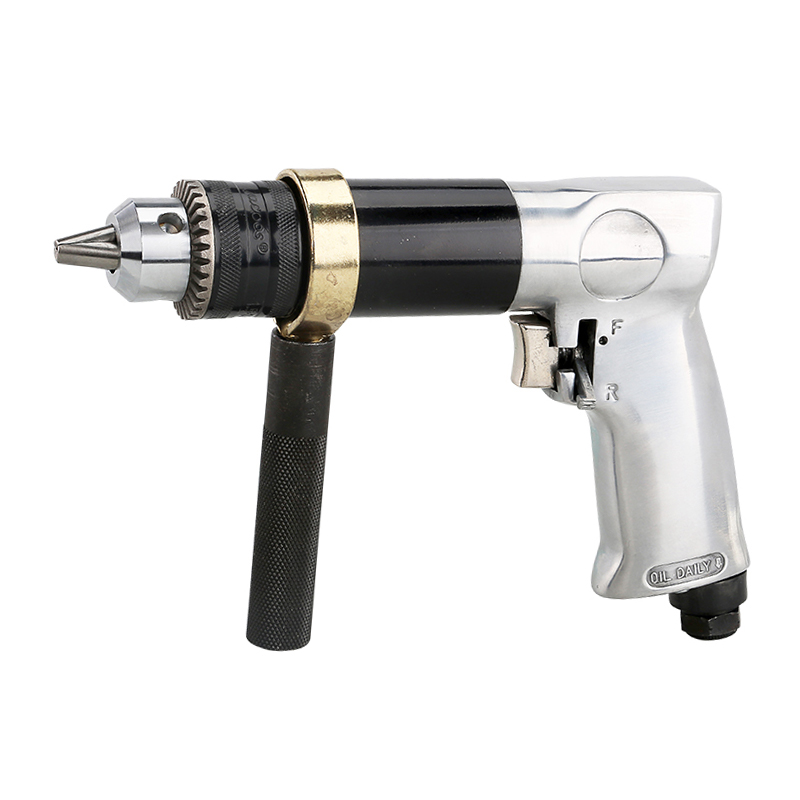 RH-336 1/2 Forward and Reverse One-Handed Air DrillA 1/2 forward and reverse one-handed air drill is a common pneumatic tool, mainly used for drilling, punching, and other operations. It is designed to be relatively li...View Product →
Shipbuilding and Marine Work
Aerospace and Precision Manufacturing
Manufacturing and Assembly Lines
Tight Spaces and No-Power Situations
Why Pneumatic Drills Excel in These Applications
High Power-to-Weight Ratio
No Electrical Spark Risk
Smooth Operation in Dusty and Wet Conditions
Durability and Low Maintenance
Continuous Duty Capability
Pneumatic Drill vs. Electric Drill: A Practical Comparison
Factor
Pneumatic Drill
Electric Drill
Power Source
Compressed air
Mains voltage or battery
Weight for Same Output
Lighter
Heavier
Spark Risk
None
Small but present
Duty Cycle
Continuous
Limited by heat
Dust and Moisture Resistance
Good
Moderate
Maintenance Needs
Oil and clean air line
Brushes and wiring
Typical Working Speed
400 to 20,000 RPM
500 to 3,000 RPM
Cost of Tool
Moderate
Moderate to high
Types of Pneumatic Drills and Their Typical Uses
Pneumatic Drill Guns
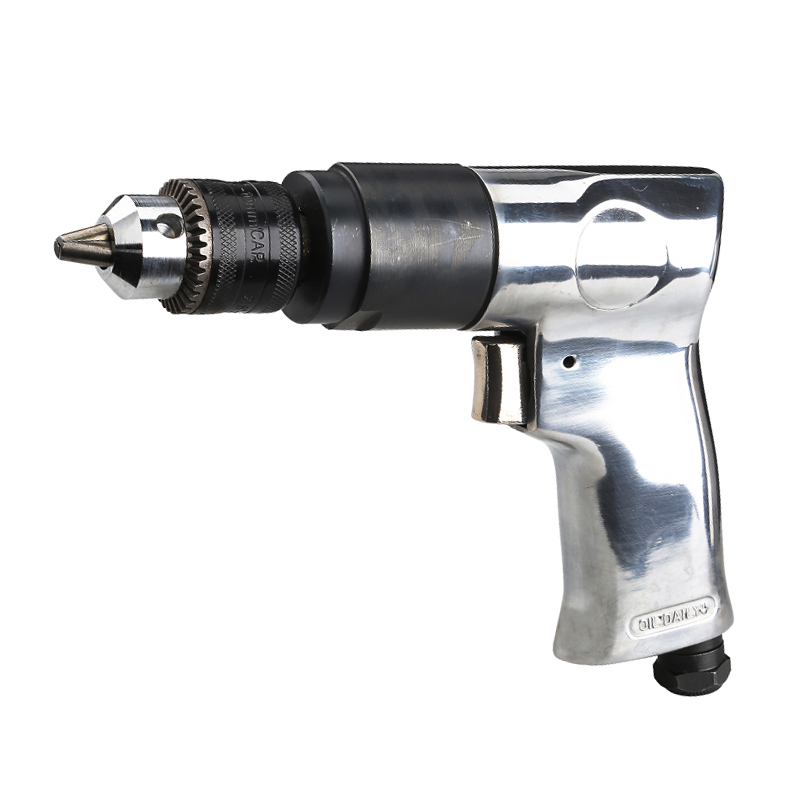 RH-330 3/8 Single Turn Air Drill3/8 single-turn air drill refers to a specific type of drill bit used for drilling operations in the industrial and construction fields. The diameter of this drill bit...View Product →
Straight Pneumatic Drills
Right-Angle Pneumatic Drills
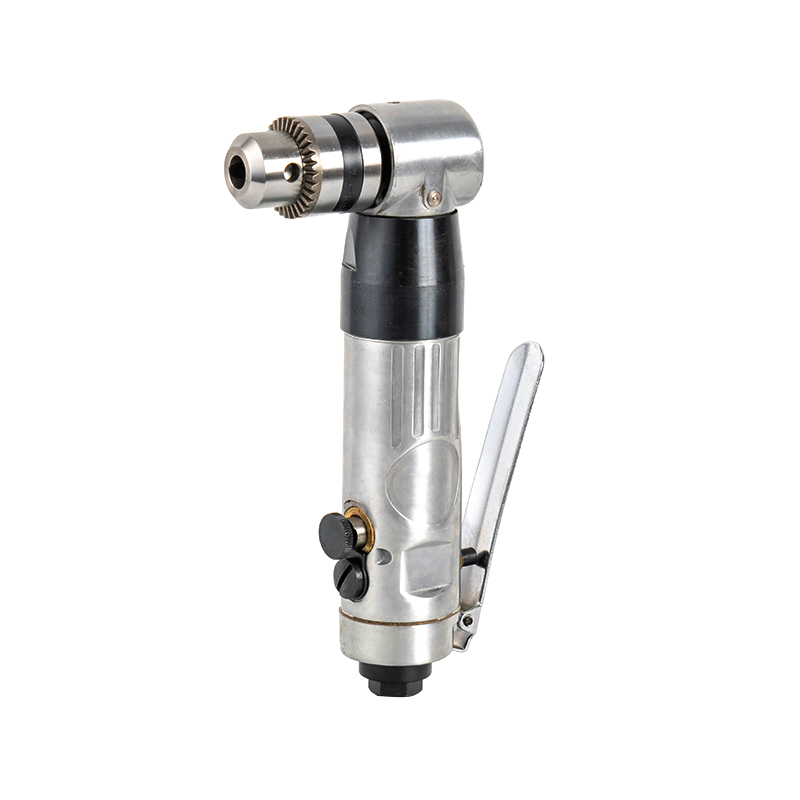 RH-338 3/8 Right Angle Forward Reverse Gas DrillA 3/8 right-angle forward reverse gas drill is a professional tool commonly used in the industrial and construction fields, especially in situations where drilling is ...View Product →
D-Handle Pneumatic Drills
Reversible vs. Non-Reversible
Key Specs to Check Before You Buy
Drill Style
Typical Chuck Size
Typical Free Speed
Best For
Pistol Drill Gun
3/8 inch
1,600 to 3,000 RPM
General drilling, tool maintenance
Pistol Drill Gun
1/2 inch
400 to 1,000 RPM
Large holes in steel and concrete
Straight Drill
1/4 inch
20,000 RPM
Precision drilling, engraving, deburring
Right-Angle Drill
3/8 inch
500 to 1,200 RPM
Confined spaces and panel work
Setting Up Your Air System for a Pneumatic Drill
Choosing the Right Pneumatic Drill for Your Job
Air Consumption and Pressure Requirements
Chuck Size and Bit Compatibility
Speed and Torque Needs
Ergonomics and Weight
Noise Considerations
Drill Bit Selection
Accessories That Improve Pneumatic Drill Performance
Side Handles
Quick-Change Adapters
Air Flow Regulators
Swivel Connectors
Maintenance and Safety Best Practices
Lubrication
Air Line Maintenance
Daily Inspection
Personal Protective Equipment
Safe Tool Handling
Conclusion
Recommended products
-
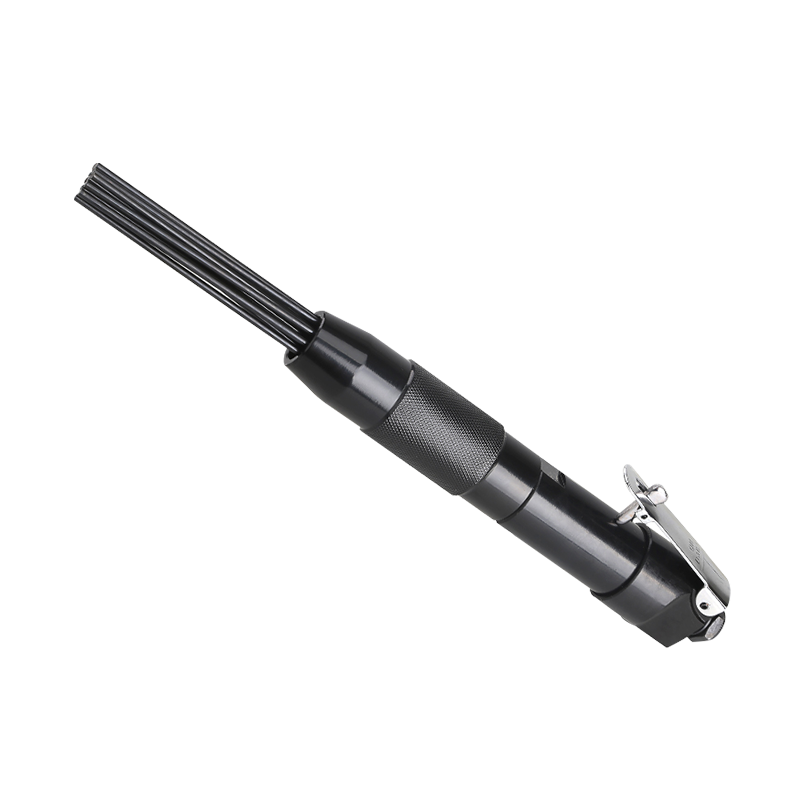
RH-464 Pneumatic Corner Needle Scaler
-
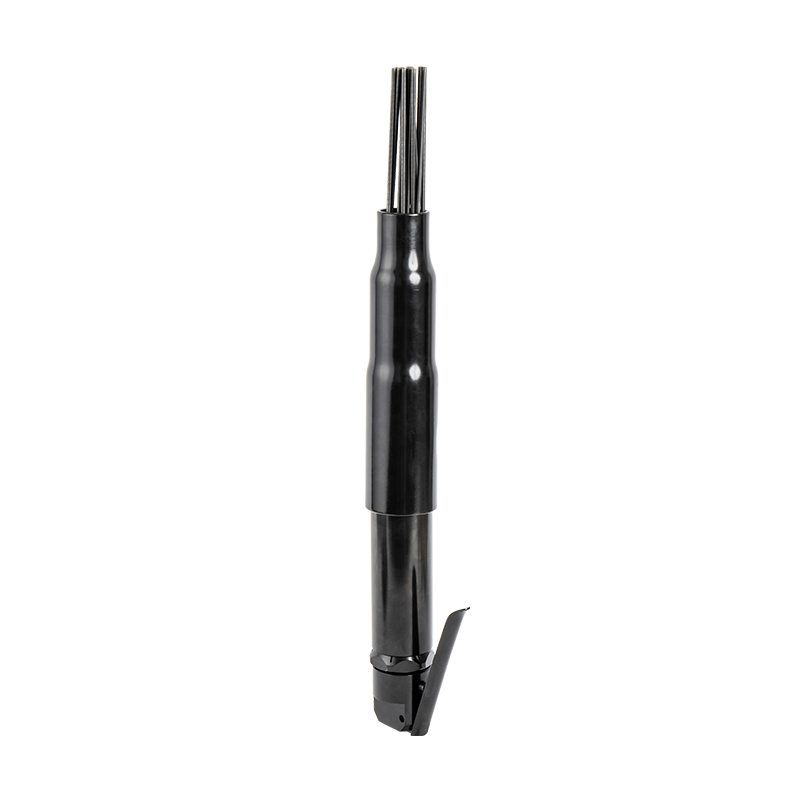
RH-460 Mini Compact Pneumatic Air Needle Scaler
-
RH-462 Portable Industrial Straight Needle Scaler
-
RH-7034C Portable Pneumatic Chamfering Machine
-
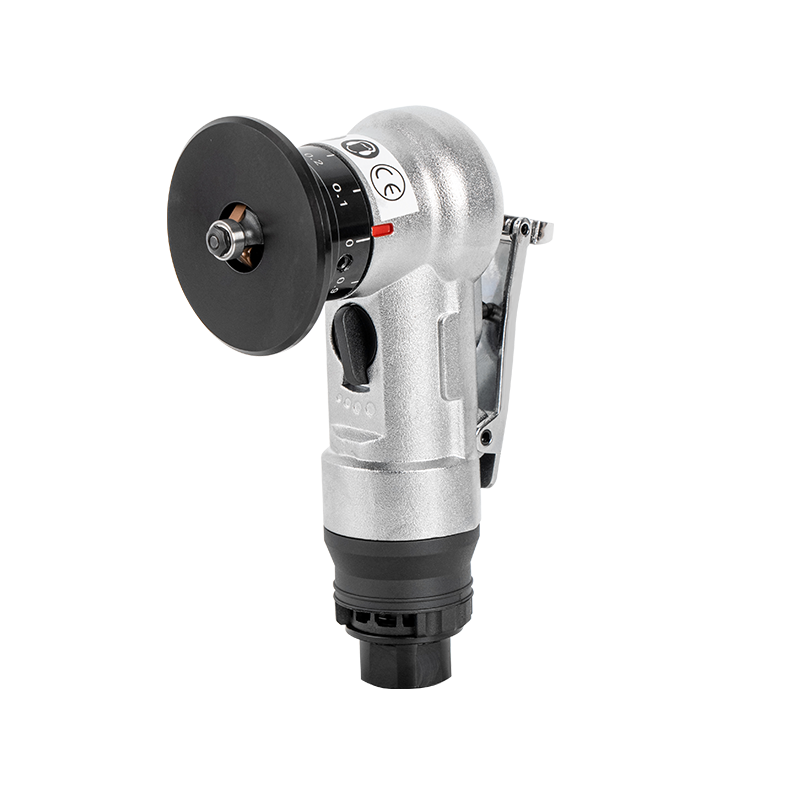
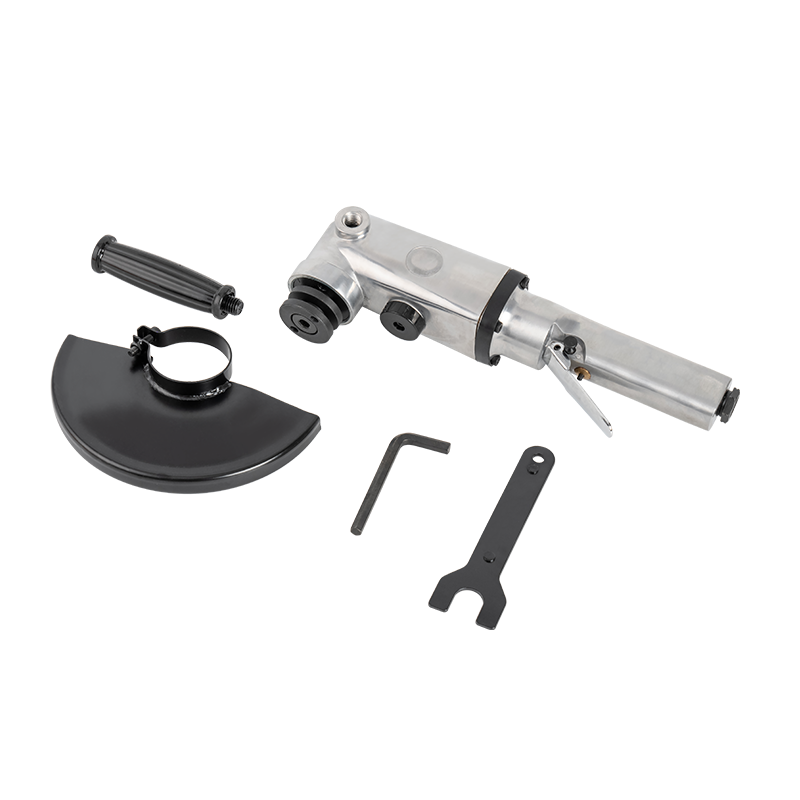
RH-7034B Central Pneumatic 4" Air Angle Grinder
-
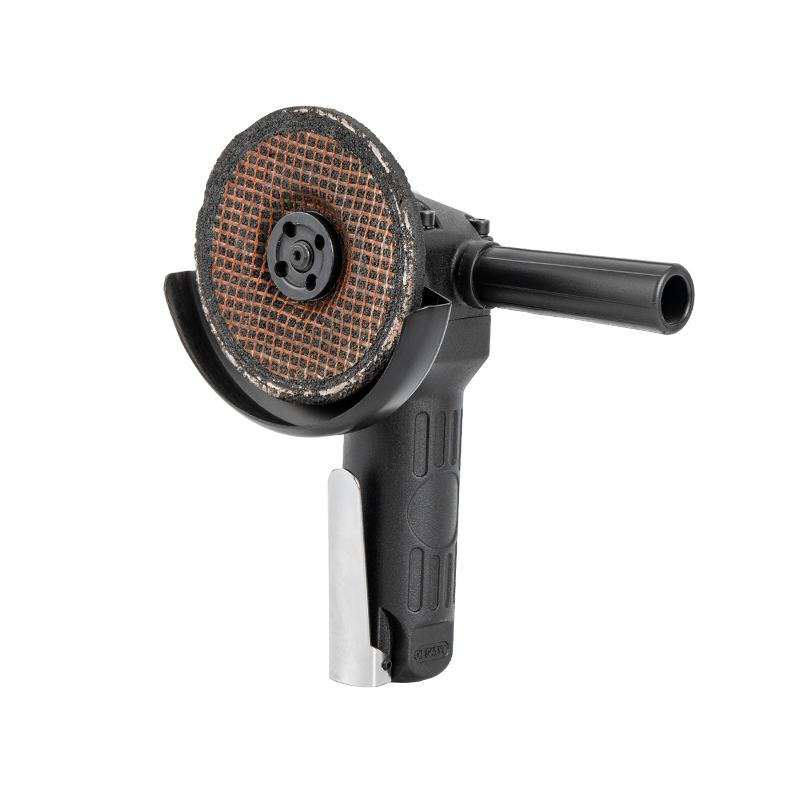
RH-7034D 7" Hand Held Angle Grinder
-
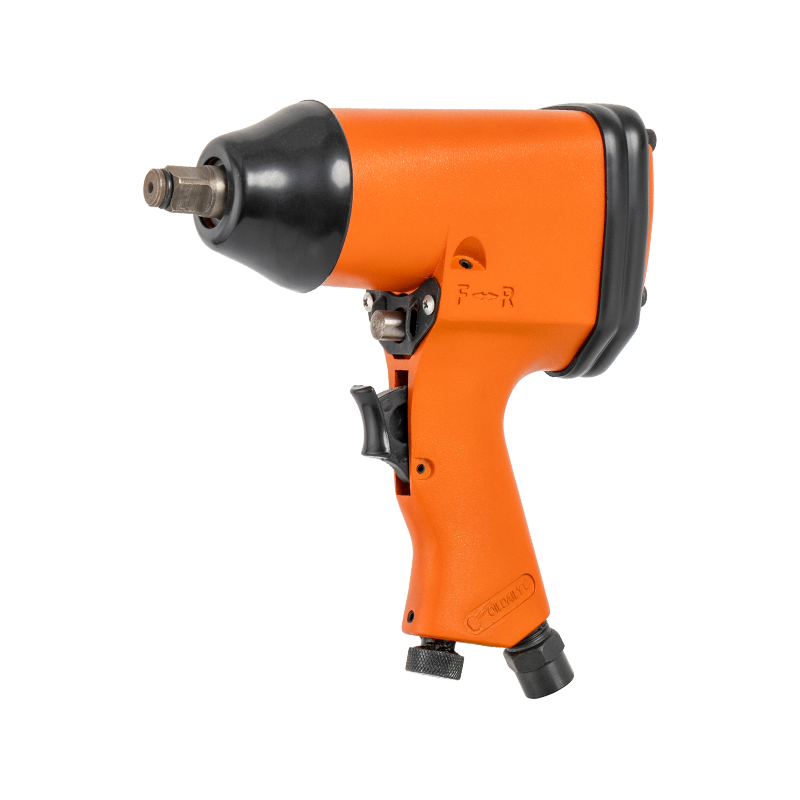
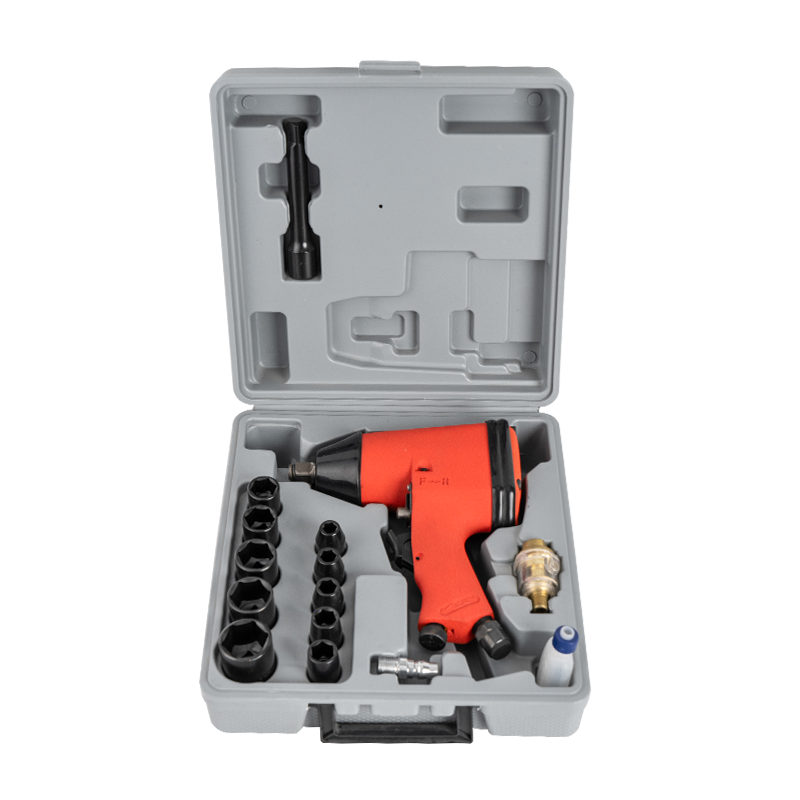
RH-160 1/2" Drive Single Hammer Air Pneumatic Impact Wrench
-
RH-160K Cordless Electric Rechargeable Air Impact Wrench Kit
-
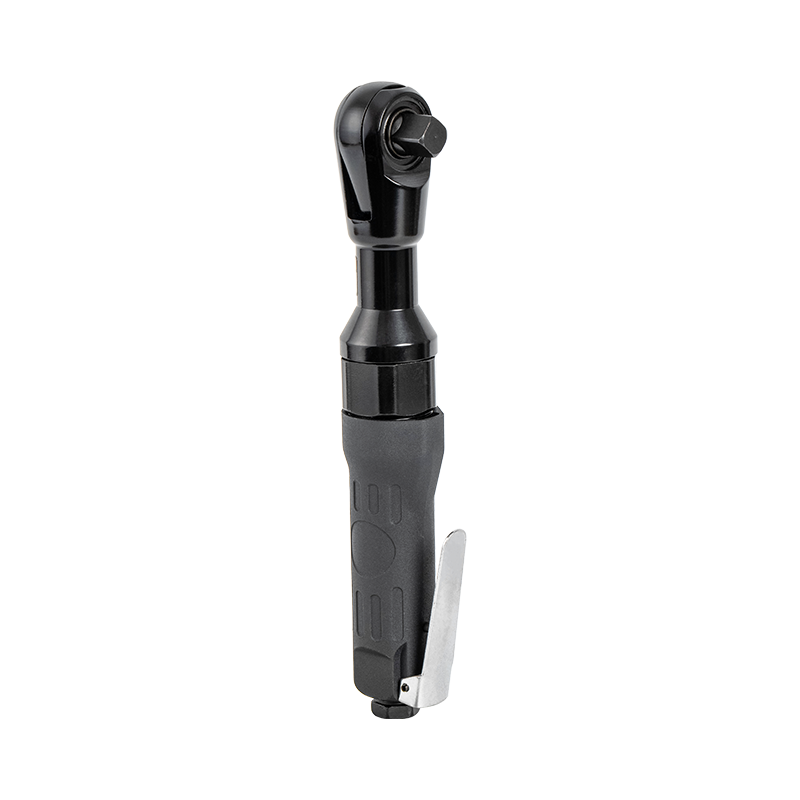
RH-112 1/2" Universal Electric Ratchet Wrench Hand Tool
-
RH-128 1/2" High Torque Electric Ratchet Wrench
-
RH-138 3/8" Long Head Portable Cordless Electric Ratchet Wrench
-
RH-148 1/4" Electric Battery Ratchet Wrench
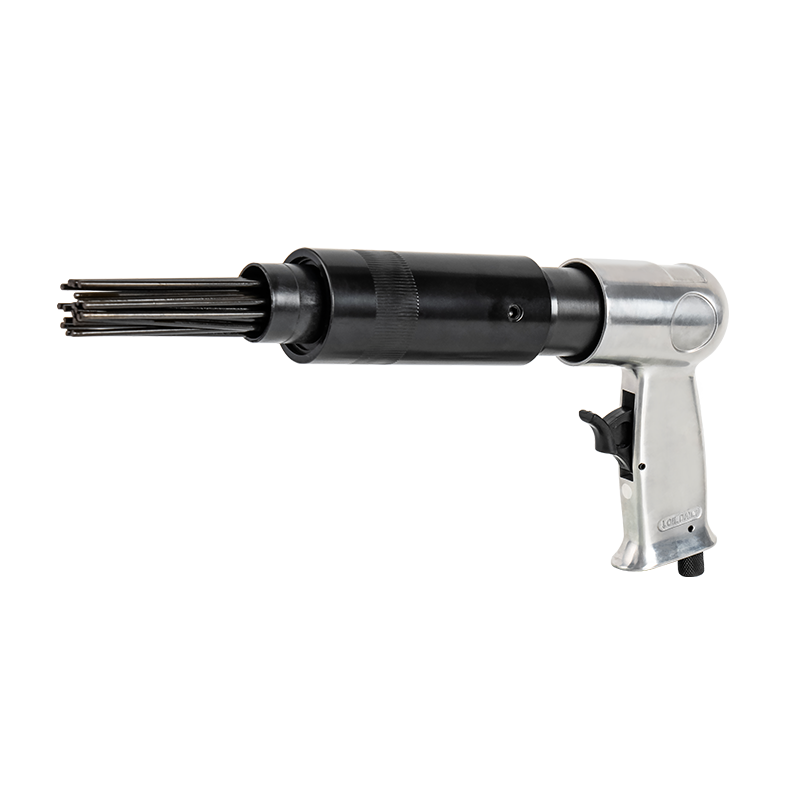
CONTACT OUR EXPERTS
AND GET A FREE CONSULTATION!
Ningbo Haishu Renhao Pneumatic Co., Ltd.
 Address: Jiangbei District Ningbo City in Zhejiang Province by the Keli industrial ParkL Building 15th
 Phone: +86-139 0668 0779
 Tel: +86-139 0668 0779
 Fax: +86-139 0668 0779
 E-mail:[email protected]


