


 عربى
 中文简体
Search by posts
Calendar
Product Categories
Industry News
 By Admin
Grinder vs Die Grinder: Key Differences, Practical Uses and Buying Guide
At a glance, a die grinder is a grinder; the real difference is scope. In most catalogs and job-site conversations, “grinder” refers to a 4½- to 9-inch angle grinder with a guarded abrasive wheel and a right-angle gear head. A die grinder is a compact rotary tool that holds a 1/4-inch or 6 mm shank carbide burr, mounted point, or cartridge roll. That distinction decides the accessory system, the safe speed, the operator grip, and the kind of material removal a buyer can expect. A fabricator who orders a die grinder to cut 10 mm steel plate will be disappointed. A finisher who forces a 7-inch angle grinder into a 4 mm inside corner will damage the work or lose control. The useful question is not “which tool is better” but “which work is the tool sized for.” “Grinder” is a family name. It can describe a bench grinder, angle grinder, belt grinder, surface grinder, or die grinder. In daily purchasing, however, the short word usually means an angle grinder because that is the tool most often used for cutting, weld blending, rust removal, and beveling. A die grinder is a specific branch of the family. Its name comes from die and mold work, where a small rotary tool reaches into cavities and finishes details that a large wheel cannot touch. Other names include straight grinder, pencil grinder, and rotary grinder, but those terms can also describe related tools, so the accessory and collet size matter more than the label. The table explains why the two tools are not interchangeable. The angle grinder is built around a large, guarded wheel that removes material across a broad area. The die grinder is built around a small, high-speed shank tool that reaches into tight spaces. A buyer who compares only price or motor size will miss the accessory system, which is the part that determines whether the tool can do the job safely. The angle grinder reduces motor speed through a right-angle gear set and delivers torque to a large abrasive wheel. That gearing is why the tool can cut a steel bar without stalling, but it also adds weight and creates a strong kickback force if the wheel jams. The die grinder usually runs closer to motor speed and relies on a small burr or mounted point. Its low torque is not a defect; it is a control feature. The operator removes material with light, repeated passes rather than forcing a large wheel into the work. Speed only becomes useful when it is matched to diameter. A 4½-inch wheel at 11,000 rpm runs at roughly 65 m/s at the rim. A 1-inch burr at 25,000 rpm runs at roughly 33 m/s. The die grinder spindle turns faster, but the smaller circumference means less surface speed and far less material removed per pass. This is why a die grinder can leave a smoother edge in a mold cavity, while an angle grinder can flatten a weld seam in seconds. The numbers also explain why accessory ratings matter. A small wheel or burr must be rated for the tool’s free speed, and a large wheel must never be mounted on a tool that exceeds its marked limit. The holding system is another hard difference. An angle grinder uses a threaded spindle and a clamping flange. A die grinder uses a collet, usually 1/4 inch or 6 mm, sometimes 3 mm or 1/8 inch on smaller models. Collet size, collet condition, and shank overhang affect runout. A worn collet or a bent burr shank will create vibration that looks like operator error but is really a tooling problem. For repeat work, keep a spare collet and check that the burr shank is fully seated before tightening. A welding shop repairing a trailer frame reaches for an angle grinder. The work is flat or open, the weld is accessible, and the goal is to remove a 3–5 mm crown quickly before painting. A 4½-inch grinder with a 60-grit flap disc is a practical match. The same shop uses a die grinder when a weld sits inside a 50 mm pipe, when a bracket has a sharp internal edge, or when a machined slot needs a 0.2 mm burr removed without touching the surrounding surface. The die grinder is slower, but it can reach the feature. A mold or die shop uses a die grinder for stone, mounted points, and carbide burrs because the work is about detail. A 3 mm carbide burr can blend a radius or open a small relief in a cavity, but it is not a milling machine. It will not hold a tolerance without a fixture, and it will not replace a mill for a deep, straight slot. The operator’s skill, the burr shape, and the spindle speed determine the finish. For polishing, a low-speed straight die grinder may be easier to control with a larger mounted point because the lower speed reduces heat and smearing on some materials. An angle grinder is the better choice for rust removal on a flat tank, beveling plate before welding, cutting rebar, or dressing a large weld. A die grinder is the better choice for deburring cut sheet, cleaning a weld toe in a confined area, chamfering a hole, or finishing a surface that must not be over-cut. A die grinder can use a small cut-off wheel, but that is a light-duty operation. If the task is “cut this 10 mm plate to length,” the angle grinder is the correct tool. Both tool types can be electric or pneumatic, but pneumatic versions are common in metalworking because the motor is compact, the tool can run continuously without a large electric motor in the hand, and the exhaust can be directed away from the work. The trade-off is that air tools need volume, not just pressure. A small die grinder may be rated around 4–6 CFM at 90 psi, while a 4-inch angle grinder may need more. A 1/4-inch hose at 10 m can drop pressure enough to make a die grinder feel weak and cause the operator to push harder than necessary. For high-flow tools, use a larger hose and keep fittings unrestricted. Clean, dry air matters as much as pressure. Water in the line will shorten motor life and contaminate the work. A filter-regulator-lubricator unit near the tool, properly adjusted, is more useful than a high-pressure setting that overheats the motor. For a refresher on hose sizing, filtration, and tool ratings, see this explanation of pneumatic tool basics. A rear-exhaust straight die grinder is a useful reference point for general deburring because the exhaust is directed away from the operator’s face and the work surface. The model choice should still follow the burr size, collet size, and access angle. A straight body works in a bore or a flat recess; a 90-degree head works along a wall or inside a corner; a 120-degree head can be easier on a surface that is angled away from the operator. The most common purchasing error is buying the tool without matching the accessory. An angle grinder guard is designed for a specific wheel diameter and type. Mounting a 5-inch wheel on a 4½-inch grinder is not a small upgrade; it can put the wheel outside the guard and exceed the tool’s safe speed. For die grinders, the equivalent error is using a burr or mounted point rated below the tool’s free speed, or using a shank that does not match the collet. A 3-inch wheel rated 18,000 rpm on a 25,000 rpm die grinder is a burst risk, not a bargain. Angle grinder work requires the guard, the side handle, and a two-hand grip. Cutting with the guard removed, or using a worn cutting wheel for side grinding, increases the chance of a wheel failure. Die grinder work requires eye and face protection, a secure workpiece, and light pressure. Carbide burrs can snag on a sharp edge and pull the tool into the work. Keep the burr flutes clean, do not overhang the shank more than necessary, and check collet runout before a long finishing job. Hearing protection matters for both tools, and dust extraction or wet methods may be needed when grinding coatings, paint, or masonry. A low-speed straight die grinder is often a better fit for polishing and controlled blending with larger mounted points. High-speed models are usually reserved for carbide burrs and small mounted points where spindle speed does the cutting. The difference is not simply “more rpm is better.” The abrasive, burr, and material determine the useful speed range, and the tool must stay within the accessory rating. Start with the work, then specify the tool. The checklist below keeps a purchase from turning into a return or, worse, an unsafe improvisation. For a team purchase, the cheapest route is usually two tools rather than one compromise. A 4-inch angle grinder and a 1/4-inch straight die grinder cover a wide range of maintenance and fabrication work. The angle grinder handles the large removal; the die grinder handles the detail that would otherwise be done by hand or with a tool that is too large for the access. A 4-inch central pneumatic angle grinder is a practical light-fabrication size: it is easier to control than a 7-inch model, yet it still uses a guarded wheel and a standard spindle. For heavier plate or continuous weld removal, a larger model may be more productive, but the operator must be trained for the added kickback force. If the work needs a large, guarded abrasive wheel and the material removal happens on an open surface, choose an angle grinder. If the work needs a small shank burr or mounted point and the value is in reaching a tight feature without over-cutting, choose a die grinder. The die grinder is a grinder by family, but it is not a smaller angle grinder. It has a different collet, different accessories, different torque, and a different safety profile. Buying with that difference in mind protects the finish, the operator, and the budget.The naming problem: one family name, one specific tool
Feature
Angle grinder, often called “grinder”
Die grinder
Working end
4½–9 inch depressed-center wheel, cutting wheel, flap disc, or wire cup; M14 or 5/8-11 spindle
1/4 inch or 6 mm collet; carbide burr, mounted point, cartridge roll, or small flap wheel
Body shape
Right-angle head; two-hand grip with side handle
Straight, 90-degree, or 120-degree compact body; pencil or one-hand grip
Speed and torque
Commonly 8,000–11,000 rpm; higher torque at a large wheel
Commonly 15,000–30,000 rpm; lower torque at a small burr
Guard and control
Adjustable wheel guard and side handle are normal requirements
Small accessories may not use a wheel guard; eye protection and controlled pressure are critical
Best work
Cutting, weld blending, rust removal, beveling, and surface preparation
Deburring, porting, mold finishing, internal chamfering, and fine blending
Main risk
Kickback, wheel burst, and loss of control on edges
Burr snagging, collet runout, and dust from small-diameter work
Mechanical differences that change the work
Where each tool earns its keep
Air supply and power choices for pneumatic tools
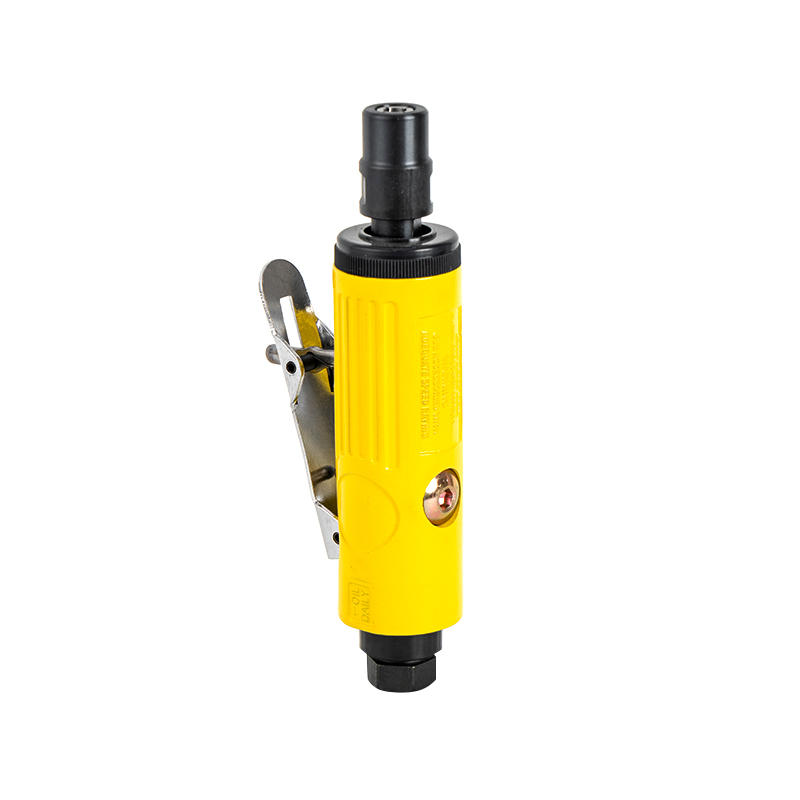 RH-7032A Rear-Exhaust Straight Air Die GrinderRear-exhaust straight pneumatic die grinder with 6 mm or 3 mm collet, suited to deburring where airflow is directed away from the operator.View Product →
Accessories, ratings, and safety details that buyers miss
 RH-7033B3 Low-Speed Pneumatic Straight Air Die GrinderLow-speed straight pneumatic die grinder for metal processing, mold finishing, and surface treatment, with 2,500 or 4,000 rpm options and reduced heat generation.View Product →
A buying checklist for distributors and plant buyers
 RH-7034B 4-Inch Central Pneumatic Air Angle Grinder4-inch pneumatic angle grinder for grinding, polishing, rust removal, weld grinding, and fine cutting in metalwork, woodworking, and automotive repair.View Product →
The short answer for the shop floor
Recommended products
-
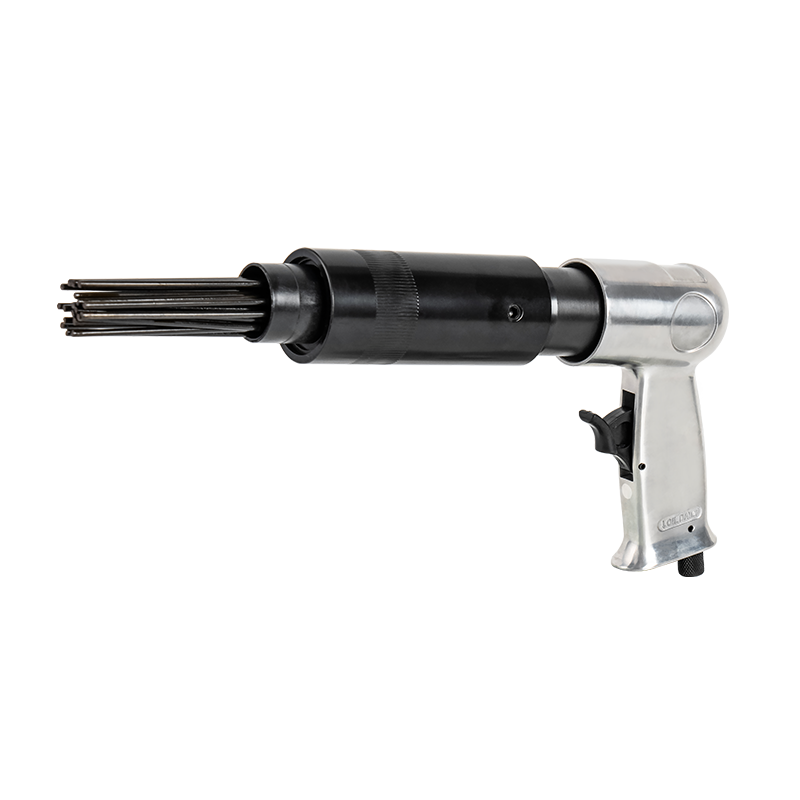
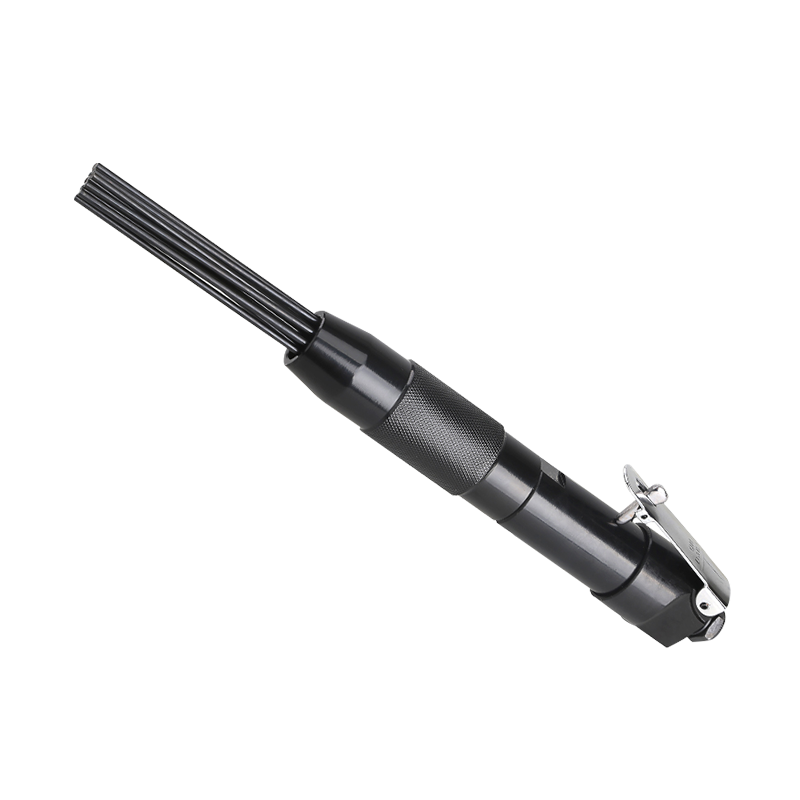
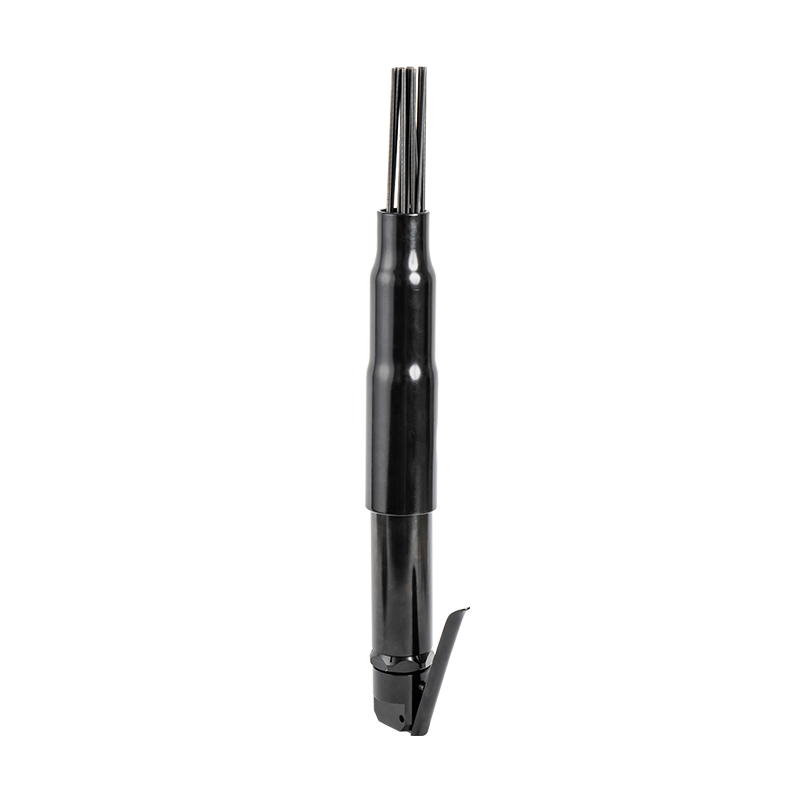
RH-464 Pneumatic Corner Needle Scaler
-
RH-460 Mini Compact Pneumatic Air Needle Scaler
-
RH-462 Portable Industrial Straight Needle Scaler
-
RH-7034C Portable Pneumatic Chamfering Machine
-
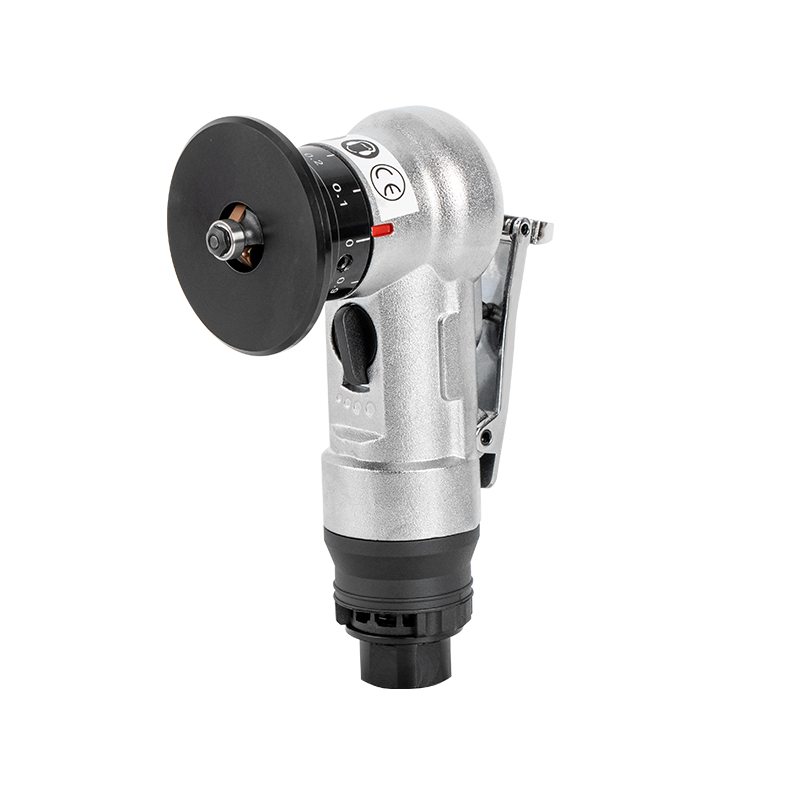
RH-7034B Central Pneumatic 4" Air Angle Grinder
-
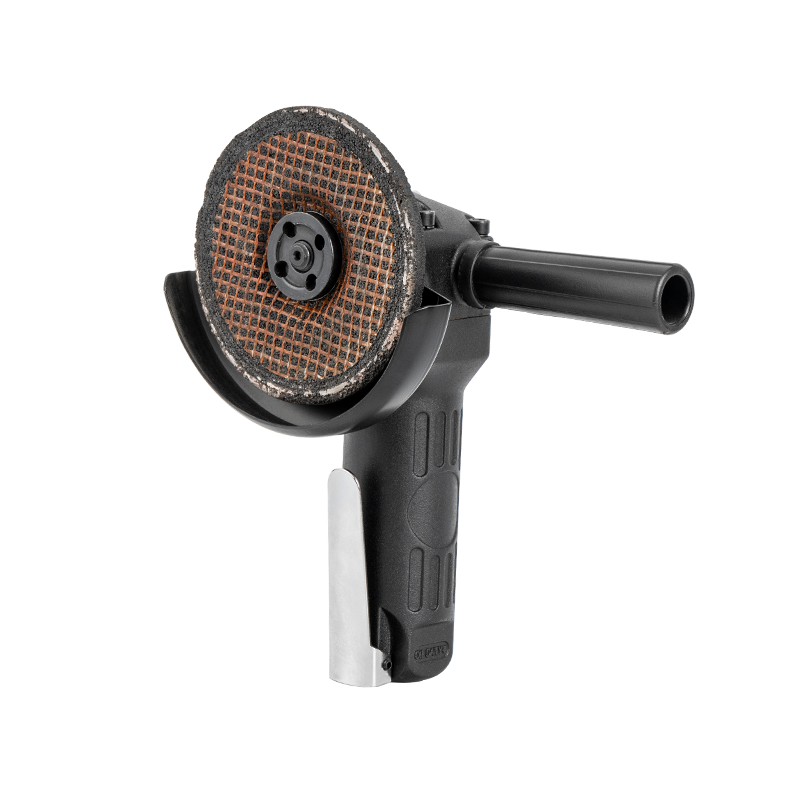
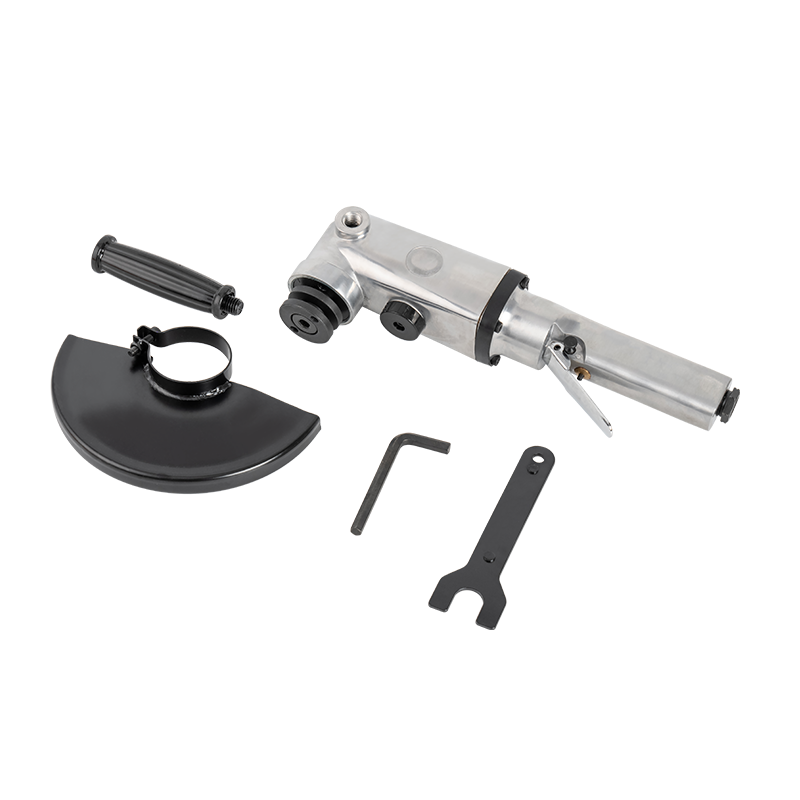
RH-7034D 7" Hand Held Angle Grinder
-
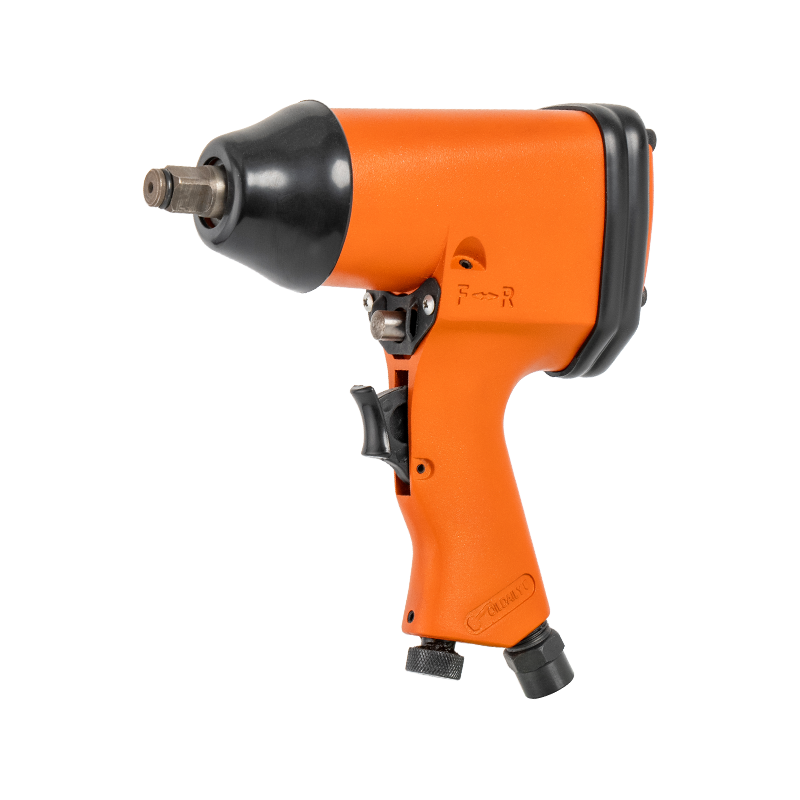
RH-160 1/2" Drive Single Hammer Air Pneumatic Impact Wrench
-
RH-160K Cordless Electric Rechargeable Air Impact Wrench Kit
-
RH-112 1/2" Universal Electric Ratchet Wrench Hand Tool
-
RH-128 1/2" High Torque Electric Ratchet Wrench
-
RH-138 3/8" Long Head Portable Cordless Electric Ratchet Wrench
-
RH-148 1/4" Electric Battery Ratchet Wrench
CONTACT OUR EXPERTS
AND GET A FREE CONSULTATION!
Ningbo Haishu Renhao Pneumatic Co., Ltd.
 Address: Jiangbei District Ningbo City in Zhejiang Province by the Keli industrial ParkL Building 15th
 Phone: +86-139 0668 0779
 Tel: +86-139 0668 0779
 Fax: +86-139 0668 0779
 E-mail:[email protected]


