


 عربى
 中文简体
Search by posts
Calendar
Product Categories
Industry News
 By Admin
How Big of an Air Compressor Do I Need for a Needle Scaler? A CFM Guide
A needle scaler can make a rusted weld seam look clean in seconds, but only if the air behind it is steady. The usual failure is easy to recognize: the tool hammers hard for fifteen or twenty seconds, then slows to a chatter, the needles stop biting, and the compressor runs without catching up. The operator checks the gauge, sees 90 psi at the tank, and assumes the tool is worn out. More often, the compressor is simply too small for the way a needle scaler uses air. For a typical standard pistol-grip or straight needle scaler, plan on 4 to 10 CFM at 90 psi. A compact scaler may sit at the low end, around 3 to 5 CFM, while a heavy industrial model can pull 10 to 14 CFM or more. The compressor should deliver at least 1.5 times the tool's rated air consumption for comfortable single-tool work. That means a 7 CFM scaler wants a compressor rated around 10.5 CFM at 90 psi, not a 6 CFM unit with a large tank. For shop work, pair that with a 20 to 30 gallon tank or larger, use a 3/8-inch air hose, and set the working pressure at the tool to 90 psi. That is the short answer. The rest of the decision is about duty cycle, voltage, hose loss, and the difference between tank capacity and real air flow. Those details decide whether the scaler feels crisp for a ten-minute repair or fades after thirty seconds on a shipyard panel. Air tools are rated in CFM, but the number on the box is not always the number the compressor must produce. CFM means cubic feet per minute of free air. SCFM means standard cubic feet per minute, corrected to a standard temperature and pressure. In everyday shop language, the two are often used interchangeably, but the important part is the pressure at which the figure was measured. A compressor rated at “6 CFM” may be quoting 40 psi, while the needle scaler needs 90 psi. At 90 psi, that same compressor might deliver only 3.5 to 4.5 CFM. A needle scaler is a continuous-flow tool when the trigger is held. Unlike an impact wrench, which draws air in short bursts, the scaler's piston runs at a high frequency and exhausts air the whole time. The rating is usually an average consumption at 90 psi, not a peak. That makes the sizing rule simpler and less forgiving: if the tool says 8 CFM at 90 psi, assume it will try to use 8 CFM for as long as the trigger is down. The practical formula is: Required compressor output = tool CFM at 90 psi × 1.5 For one 8 CFM scaler, that is 12 CFM. The 1.5 factor covers pressure drop in the hose, filter loading, minor leakage, and the fact that most compressors do not deliver their full rating continuously at full pressure. It also keeps the pump from running at 100 percent duty every time the tool is used. For multiple operators, add the tools first, then apply a diversity factor. Two 8 CFM scalers do not always run at the same time, but they often do when two people are cleaning a frame. A 0.75 diversity factor gives 12 CFM average, but the system still needs enough reserve to hold pressure when both triggers are open. In that case, 16 to 20 CFM is a safer target than 12 CFM. The difference is not luxury; it is the margin that keeps both tools from slowing when the second operator starts. When the compressor cannot keep up, the pressure at the tool falls below the rated 90 psi. The scaler still runs, but the hammer frequency drops, the needles lose impact energy, and the operator instinctively pushes harder. That changes the angle of the needles, increases vibration, and makes the tool feel defective. The compressor motor also runs hotter because it never reaches the cut-out pressure. Eventually the thermal overload trips, or the motor starts tripping the breaker on startup. The table below links common symptoms to likely causes. It assumes the tool itself is in reasonable condition and the regulator is set correctly. Duty cycle deserves its own warning. A compressor rated 50 percent duty at 100 psi is not designed to run continuously at 90 psi for an hour. If the needle scaler is used in long passes, the compressor needs a 100 percent duty rating or enough tank and pump capacity that it cycles normally. The tool's job is intermittent, but rust removal often turns into a long, continuous operation once the operator starts on a large panel. Use the table as a planning starting point, then check the actual nameplate or product specification. Needle count, needle diameter, stroke, and housing design all affect air consumption. A compact scaler with fewer needles can run on a small compressor; a heavy straight model with a long stroke may need twice the flow. The tank column is not a substitute for pump output. A 30-gallon tank gives a useful buffer, but it cannot turn a 6 CFM compressor into a 12 CFM compressor. The pump still has to refill the tank while the tool is running. If the pump is undersized, the tank simply delays the pressure drop by a few seconds. When the tool's exact CFM is unknown, use 7 CFM as a working assumption for a standard scaler and 10 CFM for a heavy industrial model. Then size the compressor upward. If the compressor is rated at 40 psi instead of 90 psi, derate it substantially or ask for the 90 psi figure in writing. A compressor that cannot state its CFM at 90 psi is not a good match for a needle scaler. Horsepower is a rough indicator of compressor size, but it is not a reliable measure of delivered air. Marketing labels sometimes quote “peak horsepower,” which can be several times the running horsepower. A compressor advertised as “6 HP peak” may have a 1.5 HP motor and deliver only 5 to 6 CFM at 90 psi. The number to trust is the running amps on the motor plate and the CFM at 90 psi on the compressor label. Voltage sets a practical ceiling. A standard 120 V, 15 A circuit can support about 1.5 to 2 running horsepower, which usually means 5 to 6 CFM at 90 psi. A 120 V, 20 A circuit may reach 6 to 7 CFM. To get 10 to 12 CFM, most compressors need a 240 V circuit. Larger two-stage units at 16 to 20 CFM typically need 240 V and a dedicated 30 A or larger circuit. If the shop only has 120 V outlets, a 10 CFM needle scaler will either trip breakers or run on a compressor that cannot keep up. Extension cords make the problem worse. A long, undersized cord causes voltage drop, which increases motor current and heat. For a 120 V compressor, use a short, heavy-gauge cord and do not share the circuit with a space heater or welding machine. For a 240 V compressor, hard-wire or use the correct plug and breaker; do not improvise with adapters. Gas-powered compressors avoid the electrical limit, but they have their own sizing rules. A small portable gas unit may deliver 5 to 9 CFM at 90 psi, while a larger two-cylinder model can reach 13 to 20 CFM. Check the rating at 90 psi, not just the engine horsepower. Gas units also produce exhaust, so they must run outside or in a ventilated area, and they are louder than most electric compressors. The tank stores compressed air and smooths pressure fluctuations. It does not create flow. A large tank can make a small compressor feel better for short bursts, but the pressure will still fall during a long needle-scaling pass. The useful rule is roughly 2 gallons of tank capacity per CFM of tool consumption for intermittent work, and 3 to 5 gallons per CFM for smoother, longer runs. A 7 CFM scaler therefore pairs well with a 20 to 30 gallon tank; a 12 CFM scaler is better with 40 to 60 gallons. The buffer time can be calculated. A 30-gallon tank holds about 4 cubic feet of volume. If the compressor starts at 120 psi and the tool is used until the pressure falls to 90 psi, the usable free air is approximately: 4 cubic feet × (30 psi ÷ 14.7 psi) ≈ 8.2 cubic feet At a tool consumption of 7 CFM, that is about 70 seconds of buffer if the pump were not running at all. With the pump running, the time is longer, but the calculation shows why a 30-gallon tank is a reasonable match for a 7 CFM scaler and why a 10 CFM scaler can drain a 20-gallon tank in about 30 seconds. The tank is a shock absorber, not an air source. Vertical tanks save floor space, while horizontal tanks are easier to move. For a shop, a vertical 30- or 60-gallon unit with a drain valve at the bottom is practical. Drain the tank after every use; water sitting in the tank reduces storage volume and sends moisture to the tool. A needle scaler is particularly sensitive to water because the needles and piston are oiled, and moisture washes the lubricant away. The compressor may be correctly sized and the tool still weak because the air cannot get through the line. A 1/4-inch hose is convenient, but at 10 CFM and 50 feet it can drop 15 to 25 psi. The tool then sees 65 to 75 psi instead of 90 psi, and the hammer action becomes sluggish. For a standard scaler, use a 3/8-inch hose up to 50 feet. For a heavy scaler or a long run, use 1/2-inch hose or a 1/2-inch main line with 3/8-inch drops. Fittings matter as much as hose size. Small quick couplers, swivel fittings, and long 1/4-inch whip hoses all add restriction. Use high-flow couplers and keep the number of fittings to a minimum. A filter-regulator-lubricator unit at the tool station is useful, but it must be sized for the flow; a small regulator can choke a 10 CFM tool even when the compressor is large enough. Set the pressure dynamically. A gauge that reads 90 psi with the tool idle may drop to 70 psi when the trigger is held. Adjust the regulator while the tool is running until the pressure at the tool inlet is 90 psi. If the regulator cannot hold 90 psi during operation, the restriction is upstream: hose, coupler, filter, or compressor output. Moisture control is part of the same system. Install a filter with a drip leg before the tool, drain the compressor tank daily, and keep the compressor in a cool, ventilated area. If the shop is humid, an aftercooler or a refrigerated dryer will reduce water carryover. Needle scalers exhaust air near the work surface, so water in the line can cause visible spitting and rust bloom on freshly cleaned steel. Oil-free direct-drive compressors are inexpensive and light, but most are designed for intermittent use and small air tools. A 6-gallon oil-free unit may run a compact scaler for short touch-up work, but it will struggle with a standard scaler in continuous rust removal. These units are also noisy and have a limited duty cycle. Belt-drive single-stage compressors are a better fit for a working shop. They run slower, are quieter, and generally deliver 5 to 12 CFM at 90 psi with a 20- to 60-gallon tank. A 3 HP belt-drive unit at 10 to 12 CFM is a practical match for one standard needle scaler. Two-stage compressors deliver higher pressure and more CFM, often 12 to 25 CFM, and are suitable for heavy scalers or multiple operators. Rotary screw compressors are the choice for production cleaning where the tool runs for long periods; they are more expensive but designed for 100 percent duty. Noise is a real consideration. A needle scaler itself can produce 95 to 105 dB(A) at the operator's ear, and the compressor adds its own noise. Hearing protection is mandatory. If the compressor is in the same room, a belt-drive unit or a remote-mounted rotary screw will make the workplace more tolerable. A direct-drive oil-free compressor may be cheap, but the noise and duty cycle can make it a false economy for daily scaling. Serviceability also matters. Check whether the compressor has a replaceable intake filter, an accessible drain, and commonly available valves and belts. A needle scaler is a simple tool, but it depends on a steady air supply. A compressor that is difficult to service will eventually deliver wet, dirty air and inconsistent pressure. Needle scalers are not all the same size, and the compressor match should follow the class of tool. A compact scaler is useful for small weld cleanup, tight engine bays, and light rust. A standard straight or pistol-grip scaler handles general fabrication and maintenance. A corner scaler reaches inside angles and weld toes where a straight tool cannot sit flat. Heavy industrial scalers are built for shipyards, foundries, and structural steel, and they need a larger air supply. A compact model such as the RH460 mini compact pneumatic air needle scaler is aimed at work where a full-size scaler is awkward. Its smaller body and lower air demand make it a better match for a 6 to 8 CFM compressor and a 20-gallon tank. In a small garage, that can mean a 2 HP belt-drive unit rather than a 5 HP two-stage. The trade-off is coverage: a compact scaler cleans a narrower path, so the operator may spend more time on a large panel. The air supply is easier, but the work rate is lower. For a look at how a compact scaler behaves in industrial cleaning, this compact needle scaler in industrial environments is a useful reference. A portable industrial straight model such as the RH462 portable industrial straight needle scaler sits in the middle of the range. It is the type of tool that needs a 10 to 14 CFM compressor at 90 psi if it is going to be used for more than short bursts. A 3 HP, 30-gallon belt-drive compressor is a sensible match. If the shop already has a 2 HP, 6 CFM compressor, the scaler will run, but continuous scaling will drain the tank and the motor will run hot. The tool is not overrated; the compressor is under-delivering. A corner scaler such as the RH464 pneumatic corner needle scaler is designed for inside corners, weld seams, and recessed areas. It may use a similar air volume to a standard scaler, so do not assume the angled head means a smaller compressor. The advantage is access, not lower flow. The same 10 to 14 CFM compressor recommendation applies. The tool's compact front end lets the needles reach the bottom of a corner without the housing holding the tool away from the work. For a closer look at the setup, this corner needle scaler setup explains the connection and access points. In all three cases, the compressor decision should start with the tool's rated CFM at 90 psi, not the physical size of the scaler. A short, compact body can still use a surprising amount of air if it has a high stroke rate. A long industrial body may use more, but the label is the authority. A restoration shop uses a standard scaler at 7 CFM to clean undercoating and weld seams. The existing compressor is a 2 HP, 20-gallon unit rated 6 CFM at 90 psi. The tool runs for 15 seconds, then slows. The tank is not the problem; the pump is 1 CFM short of the tool's demand before any hose loss is considered. The 1.5 sizing rule calls for 10.5 CFM. A 3 HP, 10 to 12 CFM belt-drive compressor with a 30-gallon tank will hold 90 psi during continuous scaling and will still have reserve for a small die grinder or air drill. If the shop only does short bursts, the 6 CFM unit can survive, but it will run at 100 percent duty and pressure will sag. For a business that bills hourly, the larger compressor pays for itself in tool speed and motor life. Two operators each use a 9 CFM scaler. The peak demand is 18 CFM if both triggers are open. The average demand over an hour may be 7 to 8 CFM because the tools are not always under load, but the compressor must handle the simultaneous peak without dropping below 90 psi. A 20 CFM rotary screw with an 80-gallon tank is a realistic production choice. A 15 CFM reciprocating compressor may work if the operators rarely overlap, but it will cycle heavily during simultaneous use. The diversity factor is not a license to undersize the compressor; it is a way to estimate average demand, not peak demand. A mobile mechanic carries a 9 CFM gas compressor with a 20-gallon tank and a 50-foot 3/8-inch hose. The compressor is adequate for a 6 to 7 CFM scaler, but the long hose and fittings drop 5 to 8 psi at full flow. The tool sees about 82 to 85 psi instead of 90 psi. Switching to a 25-foot 3/8-inch hose or a 50-foot 1/2-inch hose restores pressure. If the truck has room, a 13 CFM gas compressor gives more margin and allows the use of a small grinder without waiting for recovery. A home shop uses a compact 4 CFM scaler for small rust repairs. The 1.5 rule calls for 6 CFM. A 6-gallon, 4 CFM oil-free compressor will run the tool for short bursts, but the pressure will fall during a long pass. A 20-gallon, 6 CFM belt-drive compressor is a better match and will also run a die grinder or impact wrench for light work. The compact scaler is the right tool for this shop; the mistake would be buying a heavy industrial scaler and expecting a small compressor to keep up. Once the compressor is sized correctly, the installation determines whether the tool performs. A few checks at commissioning prevent most of the problems that get blamed on the scaler. Safety is part of the air-system setup. Wear eye protection and hearing protection; a needle scaler throws chips and produces high noise. Use gloves and keep hands away from the needle path. Secure the workpiece so it cannot move when the needles strike. Use a whip hose with a restraint at the tool end, and check that the trigger returns freely. Do not exceed the tool's rated pressure to compensate for a weak compressor; higher pressure accelerates needle wear and increases vibration without solving the underlying flow problem. The right compressor for a needle scaler can be summarized in a short checklist. Use it before comparing prices, because the cheapest compressor that runs the tool is often not the cheapest one to own. For a single standard needle scaler, a 3 HP, 10 to 12 CFM belt-drive compressor with a 30-gallon tank is a well-balanced choice. For a compact scaler used occasionally, a 6 to 8 CFM compressor with a 20-gallon tank is enough. For production cleaning with heavy or multiple scalers, 20 CFM and a 60- to 80-gallon tank, or a rotary screw unit, is the safer investment. The number that matters is not the size of the compressor body or the claimed horsepower; it is the delivered CFM at 90 psi while the needle scaler is running.What a Needle Scaler's Air Consumption Rating Really Tells You
Why an Undersized Compressor Makes the Tool Feel Broken
Symptom
Likely cause
Practical fix
Scaler hammers hard for 10–20 seconds, then slows
Compressor CFM is below tool demand; tank pressure is draining faster than the pump can recover
Measure tool CFM at 90 psi and choose a compressor rated at 1.5 times that figure
Needles stop moving in rust but resume after a pause
Pressure at the tool drops under load, often because of a long 1/4-inch hose
Use a 3/8-inch hose for 25–50 feet; shorten the run or increase hose diameter
Compressor runs continuously and smells hot
Pump duty cycle is being exceeded; the tool is drawing more air than the compressor can supply
Reduce continuous trigger time, add storage, or move to a higher-CFM compressor
Water sprays out of the tool exhaust
Moisture is not being removed before the tool; a hot, overworked compressor makes more condensate
Add a filter and drip leg, drain the tank daily, and keep the compressor cool
Tool works well at the tank gauge but weak at the end of the line
Pressure drop through the regulator, coupler, or undersized hose
Set pressure dynamically with the tool running; use high-flow couplers and a 3/8-inch hose
Breaker trips when the compressor starts
Motor is near the circuit limit; extension cord or shared circuit adds voltage drop
Use a dedicated circuit, correct extension cord gauge, or a 240 V compressor for larger motors
A Practical Sizing Table for Needle Scalers
Needle scaler class
Typical air consumption at 90 psi
Suggested compressor output
Suggested tank
Hose and fittings
Compact or mini straight scaler
3–5 CFM
6–8 CFM at 90 psi
6–20 gallons
1/4-inch or 3/8-inch, up to 25 feet
Standard pistol-grip or straight scaler
6–9 CFM
10–14 CFM at 90 psi
20–30 gallons
3/8-inch, 25–50 feet
Corner or angled scaler
6–9 CFM
10–14 CFM at 90 psi
20–30 gallons
3/8-inch, 25–50 feet
Industrial straight scaler
10–14 CFM
15–20 CFM at 90 psi
30–60 gallons
3/8-inch or 1/2-inch, 25–50 feet
Multiple scalers or production cleaning
Sum of tools, with diversity
20 CFM and above
60–120 gallons or rotary screw
1/2-inch main line, 3/8-inch drops
Horsepower, Voltage, and the Limits of a Wall Outlet
Tank Size: Buffer, Not Flow
Hose, Fittings, and Pressure Drop
Matching the Compressor Type to the Work
Needle Scaler Classes and Real Product Examples
Compact scalers
 RH-460 Mini Compact Pneumatic Air Needle ScalerA compact needle scaler for rust, coating, and weld-spatter removal, with lower air demand that suits smaller compressors and tighter work areas.View Product →
Standard straight and pistol-grip scalers
 RH-462 Portable Industrial Straight Needle ScalerA straight industrial needle scaler for heavier cleaning tasks, positioned between compact and corner models and requiring a suitably sized compressor for sustained use.View Product →
Corner scalers
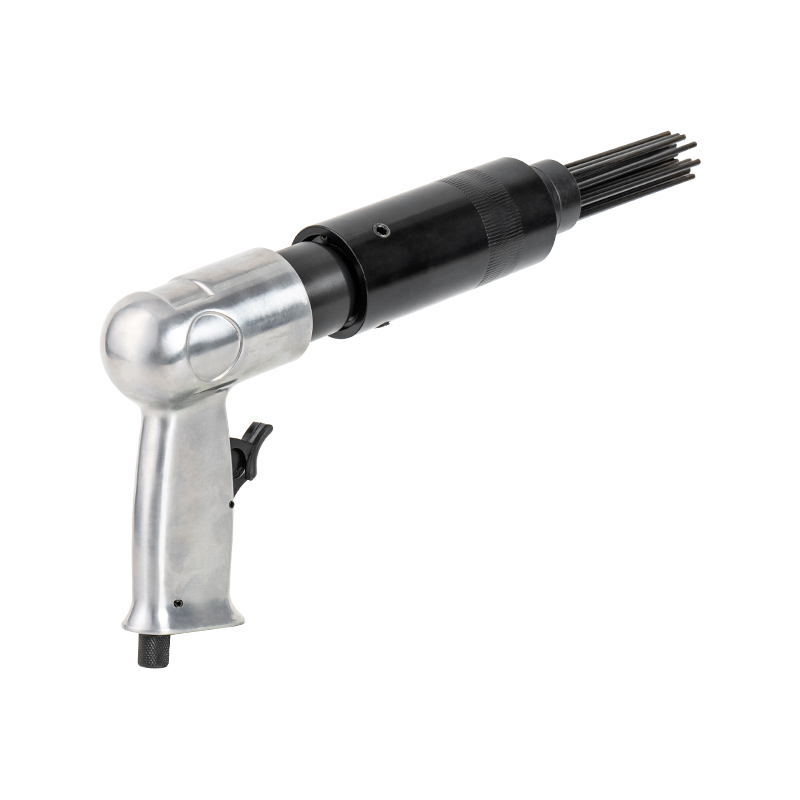 RH-464 Pneumatic Corner Needle ScalerA corner-focused needle scaler for inside corners, weld seams, and recessed areas, offering access with a compact front end rather than lower air demand.View Product →
Four Workshop Scenarios With the Numbers Worked Out
Auto restoration shop: one standard scaler
Two operators: structural steel cleaning
Mobile service truck: gas compressor and long hose
Small garage: compact scaler, occasional use
Commissioning, Air Quality, and Maintenance
A Buying Checklist You Can Take to the Counter
Recommended products
-
RH-464 Pneumatic Corner Needle Scaler
-
RH-460 Mini Compact Pneumatic Air Needle Scaler
-
RH-462 Portable Industrial Straight Needle Scaler
-
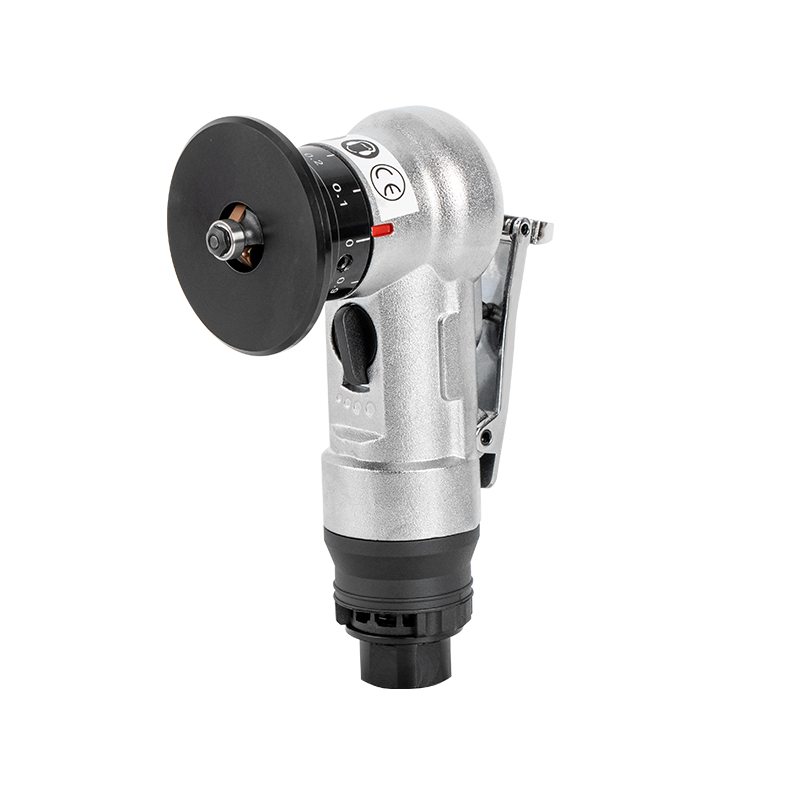
RH-7034C Portable Pneumatic Chamfering Machine
-
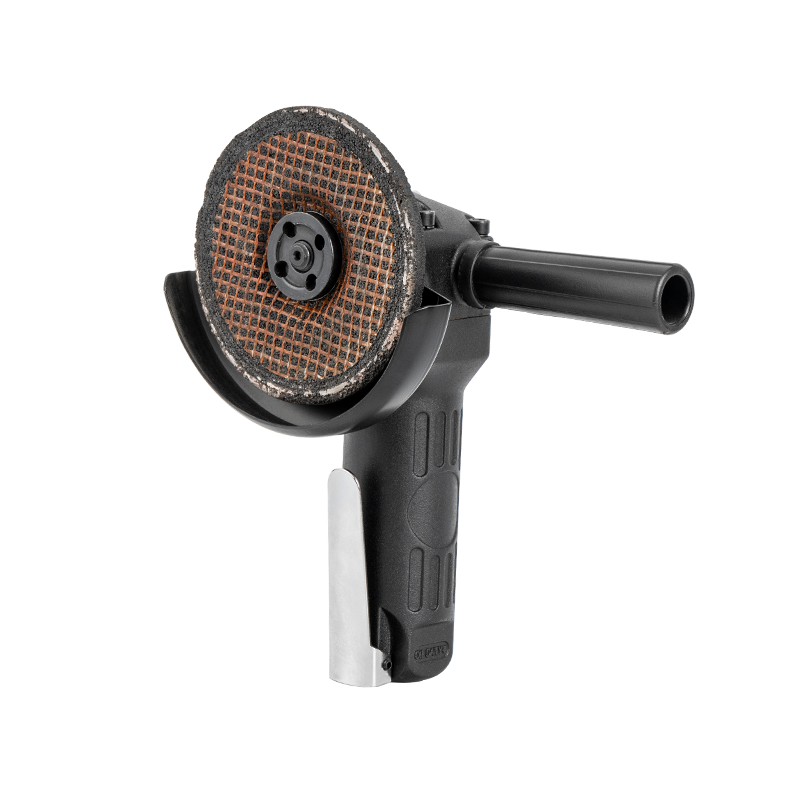
RH-7034B Central Pneumatic 4" Air Angle Grinder
-
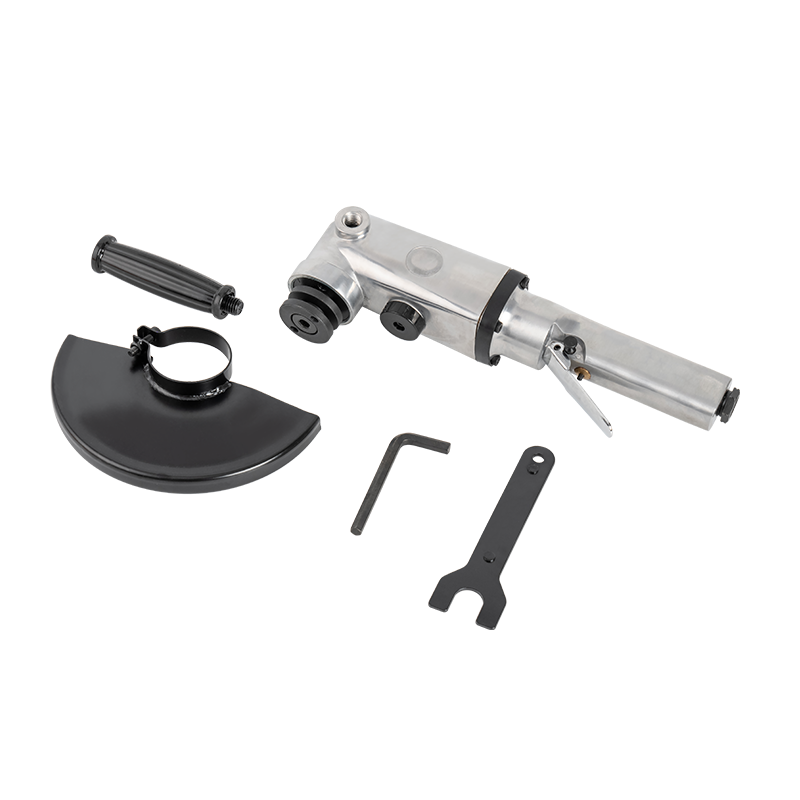
RH-7034D 7" Hand Held Angle Grinder
-
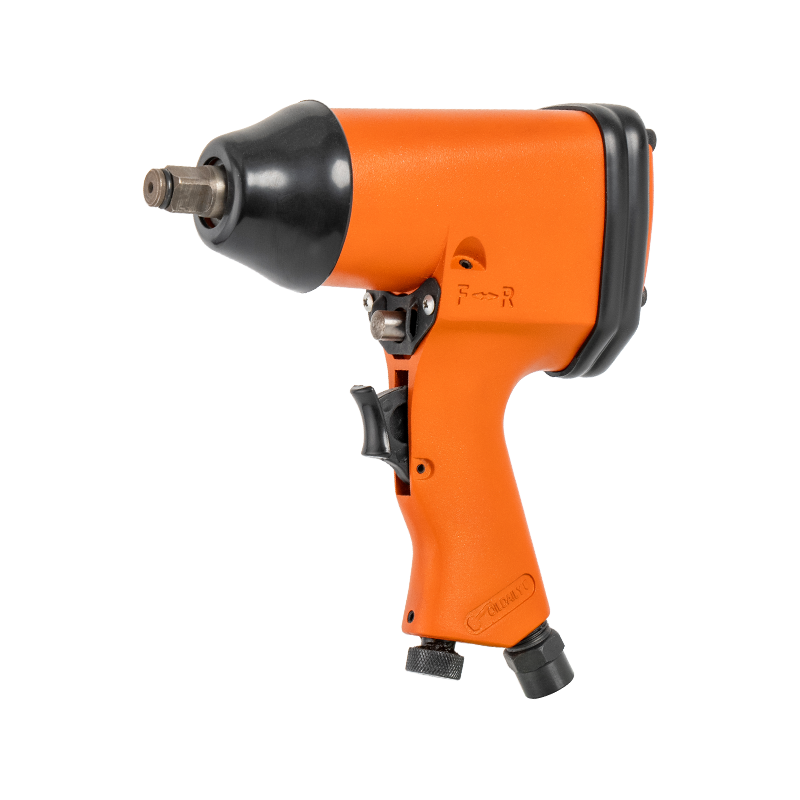
RH-160 1/2" Drive Single Hammer Air Pneumatic Impact Wrench
-
RH-160K Cordless Electric Rechargeable Air Impact Wrench Kit
-
RH-112 1/2" Universal Electric Ratchet Wrench Hand Tool
-
RH-128 1/2" High Torque Electric Ratchet Wrench
-
RH-138 3/8" Long Head Portable Cordless Electric Ratchet Wrench
-
RH-148 1/4" Electric Battery Ratchet Wrench
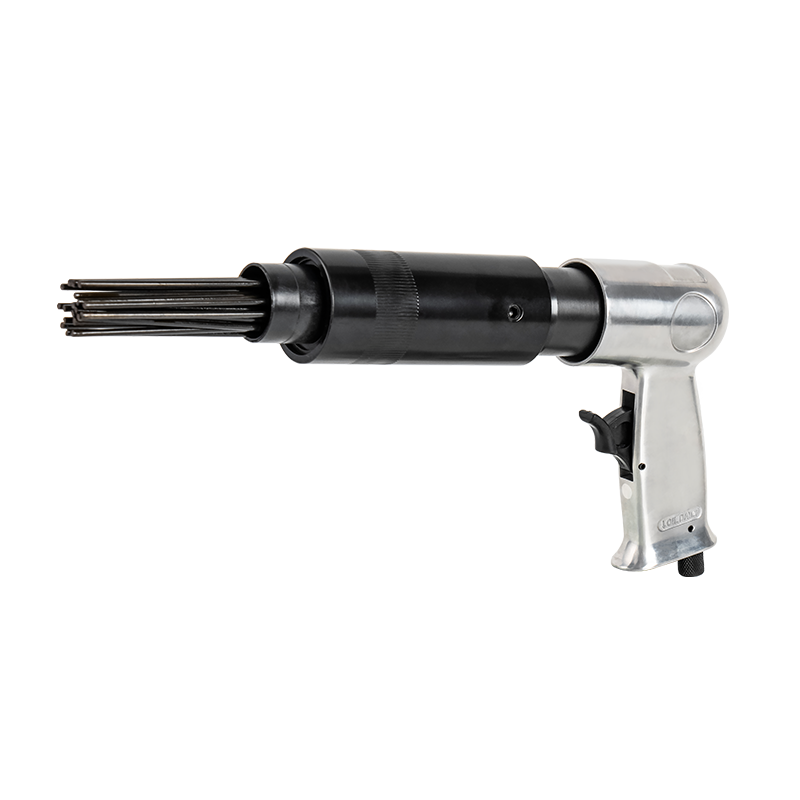
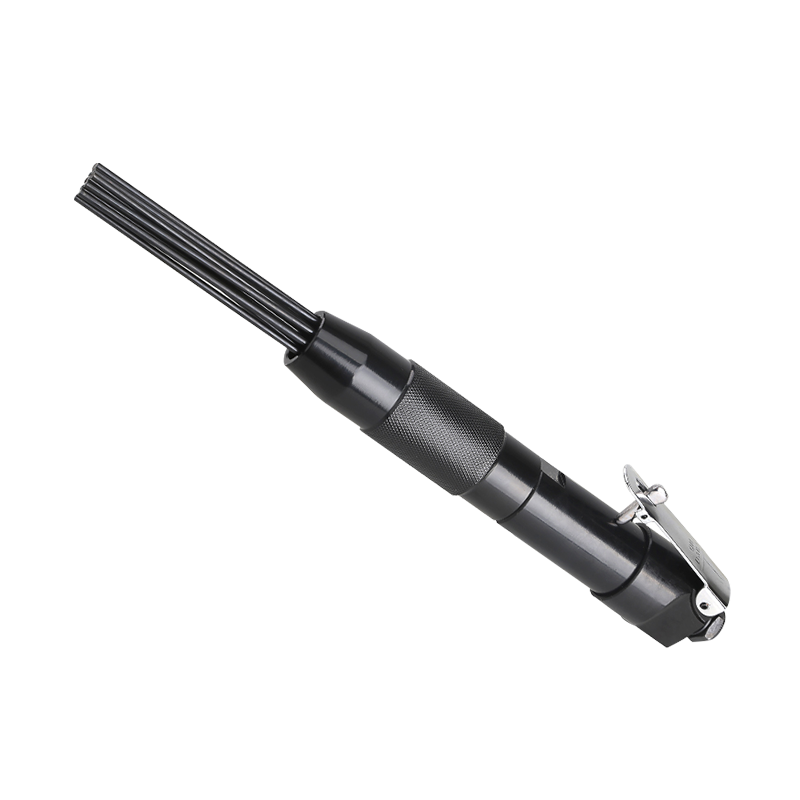
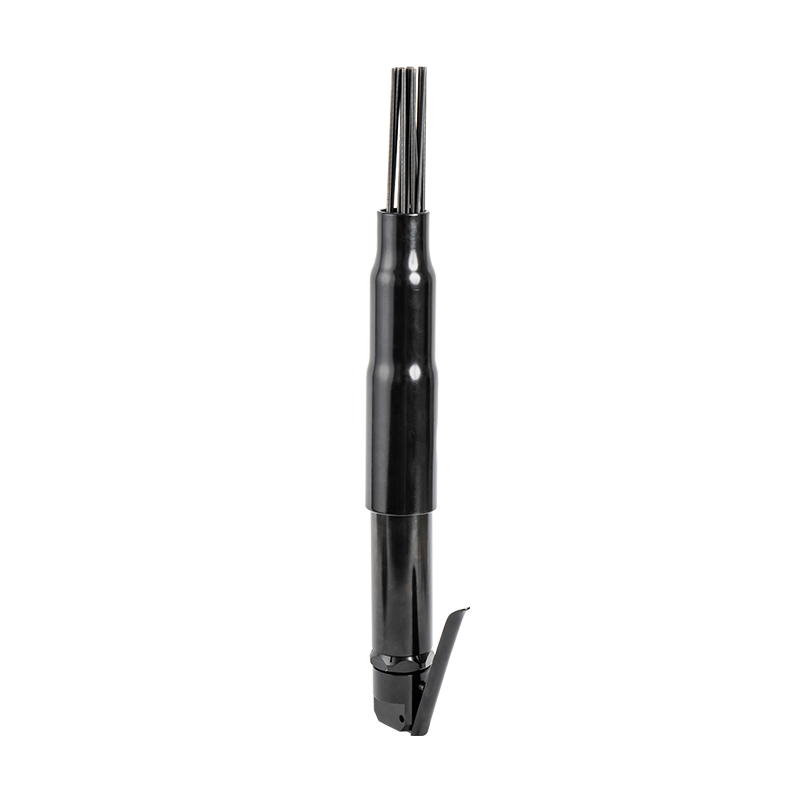
CONTACT OUR EXPERTS
AND GET A FREE CONSULTATION!
Ningbo Haishu Renhao Pneumatic Co., Ltd.
 Address: Jiangbei District Ningbo City in Zhejiang Province by the Keli industrial ParkL Building 15th
 Phone: +86-139 0668 0779
 Tel: +86-139 0668 0779
 Fax: +86-139 0668 0779
 E-mail:[email protected]


