


 عربى
عربى 中文简体
中文简体Search by posts
Calendar
Product Categories
Industry News
 By Admin
When Is a Pneumatic Drill Commonly Used? Practical Applications and Buying Guide
If you walk into a machine shop, a construction site, or an automotive repair bay and see a hard pneumatic line with a quick-connect coupler, you will usually find an air-powered drill nearby. The most direct answer to when a pneumatic drill is commonly used is this: it is used where compressed air is already available, where electric spark risk is high, and where the job demands continuous torque over a long work cycle. It is not the go-to tool for a single, isolated hole in a dry workshop. It comes into its own when the workplace has an air system, when the operator needs a small and durable tool, and when productivity and repeatability matter more than absolute precision. This article explains the trigger conditions behind that answer, the specific jobs that expose the strengths of a pneumatic drill, and the practical decisions that determine whether an air drill is the right choice for your operation. An air drill is a hand-held tool that rotates a chuck using compressed air instead of an electric motor. The air passes through an inlet into a rotor housing, where the pressure pushes vanes or pistons, spinning the chuck at a speed set by a throttle. The construction is simple: a hardened motor set, a gearing assembly, a chuck, a trigger lever, an exhaust path, and an inlet that connects to a quick-connect fitting. This simplicity is a real advantage. Air motors do not have copper windings or switching electronics, so they tolerate high ambient heat, water spray, and dirty conditions better than comparable electric motors. The downside is that you pay for it in compressed air. The air must be dried, filtered, and lubricated to reach long service life, and the consumption is measured in cubic feet per minute, not watts. To put a few numbers beside it: a 3/8-inch air drill may consume around 4 CFM at 90 psi, while a 1/2-inch unit can pull 6 to 8 CFM under load. That is the actual cost structure. To understand why a pneumatic drill behaves differently from an electric drill, start with what a pneumatic tool is and how it uses compressed air. The drill is just one member of the same family; the same air supply powers grinders, impact wrenches, and needle scalers. You can predict whether a pneumatic drill is the practical choice by asking four questions: Is there compressed air? Is spark a risk? Is the duty cycle continuous? Does the tool need to be compact and forgiving? If two or more answers are yes, an air drill deserves a place on the bench. One answer that floats around in training material says a pneumatic drill is commonly used in areas where noise is a problem. That is false in practice. A standard pneumatic drill produces a high-pitched sound from the exhaust. If you are in a noise-sensitive area, you need an exhaust muffler, a longer hose, or an enclosure. The reason air drills appear in shipyards and construction sites is not quiet operation; it is that the tool can run all day in exposed conditions without burning out. If an electric drill with the same torque is available and the work area is dry and clean, it may actually be quieter. On a construction site, the pneumatic drill is used for tasks that are too rough for a common electric drill. Concrete blocks, brickwork, steel erection, and utility installation all create conditions where an air drill earns its keep. In demolition and renovation, an air drill is used to make pilot holes, to chase out old anchors, and to loosen rivets or pins in steelwork. The tool is often used with a right-angle head for work between joists or inside a concrete form. Because the tool body is comparatively simple, a flush or dirt-covered site does not destroy it as quickly as a battery drill. For bridge and highway work, you can see a pneumatic drill in the shadow of a large compressor. The compressor runs breakers, rock drills, and impacts. When the crew moves to a new area, the same air supply feeds the air drill for bolt holes, anchor holes, and temporary fixings. This saves the cost and weight of carrying separate batteries and chargers onto a scaffold. It also allows a continuous work shift: there is no dead tool waiting for a charge. If a site has no mains electricity, a mobile compressor with a diesel engine is the energy source rather than the power grid. That is why the older school answer "when electricity is unavailable" contains some truth. The tool itself does not need electricity; it needs air. The compressor can run on fuel, so the pneumatic drill remains a viable option in a remote trench or on a mountain road. Mining and quarrying are among the most demanding uses for pneumatic drilling tools. The conditions are wet, dusty, and often explosive. A rock face may contain combustible dust, so an electric spark is a genuine hazard. The large industrial air supply already powers the drill rigs, hammers, and dust extraction systems. In this environment, a hand-held pneumatic drill is used for secondary drilling, for installing rock bolts, for splitting stone, and for clearing rock faces. In road work, an air drill is often paired with a jackhammer on a trailer-mounted compressor. The crew drills holes in asphalt or concrete to mark a reduction area, to place pins for barriers, or to set formwork. A typical 1/2-inch air drill can run continuously at 400 to 700 rpm, while a 3/8-inch unit may spin faster for lighter jobs. The actual speed depends on the tool and the air pressure. If the pressure drops below 90 psi, torque drops and the tool slows. That is why a road crew watches the gauge on the compressor as much as the drill itself. In mass production, the pneumatic drill is a fixture. It is common to see an air drill hanging from a balancer above an assembly station, connected to a main header, with a quick-connect fitting at the end of a coiled hose. The operator pulls the tool down, runs a series of holes or fastening operations, and lets it rise back. The reason is not a nostalgic attachment to air; it is the economics of a production line. Electric drills and battery drills consume a charging cycle, and a failure in one rechargeable pack stops a workstation. An air drill is fed from the same network that powers tapping tools, scrubbers, and torque wrenches, so energy delivery is a shared utility. For sheet metal, aluminum fabrication, and steel structures, air drills are used because they are light and small. The 3/8-inch and 1/2-inch sizes are the workhorses. A tool with a forward/reverse trigger gives the operator control for tapping or removing a fastener. A high-torque right-angle drill reaches a place where a straight drill cannot fit. In HVAC assembly and shipbuilding, you will see air drills used for ducting, insulation fasteners, and temporary hanger plates. The tool is not precision machinery; it is a high-output repetitive-drilling device. For a forward/reverse gas drill with a 3/8-inch chuck, the common production task is exactly this: a clean, predictable hole pattern in a metal or composite part, with the ability to back out a tap and then move to the next station. Maintenance mechanics use pneumatic drills because they are short and robust. When a machine is down in a plant, the repair crew wants a tool that can take a hit and work in an environment that is not spotless. An air drill is easily slipped into a tool bag. It is powered by the factory air line, so there is no battery issue when the tool is stored in a drawer. The drill can be used for removing seized bolts, drilling a damaged locator pin, or reaming a clearance hole in a weldment. A 3/8-inch single-turn air drill is a common general-purpose size for repair and maintenance. It gives a technician a straightforward, durable drill that starts with the pull of a lever and stops when the air is cut. When the work is in a confined space, a right-angle air drill changes everything. Toolmakers and riggers use a right-angle head with a small chuck to reach inside a control box, a servo motor housing, or a pipe flange. The pneumatic motor is suited to intermittent use, and if you lubricate the tool daily, a small 3/8-inch unit can stay in service for years. The cost of the tool is often less than the cost of one hour of downtime, so plant managers prefer it. Choosing between a pneumatic drill and an electric drill is not an ideological decision. It is a decision about power source, duty cycle, torque, and environment. The table below summarizes the practical differences that matter to a buyer. If you work in a tidy lab making precision parts, an electric drill may be the better choice for a single exact clearance hole. If you stand at a bench in a panel shop and produce a hundred holes an hour, a pneumatic drill is likely faster and more economical in the long run. The reason is not that one tool is better in every sense; it is that the job and the environment dictate which cost structure is lower. Pneumatic drills are only as good as the air supply. A standard-sized air drill needs around 4 CFM at 90 psi. Some larger drills and high-speed models need more. The supply line must be measured at the tool, not at the compressor. If the compressor is far away or the hose is too small, the pressure falls and the drill becomes sluggish. If the air line is dirty or wet, the internal vanes wear out quickly. A simple water trap, a filter, and a lubricator can prevent expensive repairs. The most common mistake is ignoring the connector. A quick-connect coupler and a straight fitting are not the same. With the wrong connector, the air flows freely when open but leaks when the tool is used. A high-quality universal connector helps avoid kinks and strain at the tool inlet. It is the small component that protects the hose, the operator, and the tool body. For a drill that sees rotation and pulling at the same time, a swivel is a wise addition. A practical guide to pneumatic connectors explains how to fit the right plug and hose to avoid pressure loss. Air drills are not toys. At 90 psi, an air hose can whip and the chuck can spin at high speed. Before every shift, inspect the tool. Check the cutter, the chuck, the throttle, and the connector. Make sure the exhaust is directed away from the operator. Use the right sized drill bit; a pneumatic drill is not designed for a bent or blunt drill. Always lubricate the tool. A pneumatic drill needs a few drops of light oil in the inlet every day. In a centralized system, the lubricator handles this automatically. Without lubrication, a cheap drill can fail within a week; a well-maintained tool can last for years. Keep the air pressure at the recommended setting. Excessive pressure raises the speed and accelerates wear, but it does not improve torque in a way that makes it worth the cost in air and damage. Safety in a wet or conductive environment: since a pneumatic drill has no electric motor, it reduces the risk of electric shock. The air hose and the tool body are not live. In a mine, a fuel tank repair yard, or a confined space with moist vapor, that is a real reason to choose a pneumatic drill. The operator still needs ear protection and eye protection, because compressed air exhaust is loud and sparks or chips can fly. No tool design removes the basic physical risk. If you are buying a pneumatic drill for a workshop or a production line, look beyond the picture. Check the chuck size; 3/8-inch and 1/2-inch are the practical ranges. Check whether the tool is single-turn or forward/reverse. A reverse feature helps when a drill bit sticks or when you need to tap a thread. A right-angle drill is the correct tool for tight spots. The speed rating matters less than the fact that the tool will slow down when you load it. A lower-speed, high-torque drill is better for drilling a hardened steel plate; a higher-speed drill is better for wood, aluminum, and lighter plastics. Check the air consumption, the noise level, and whether the exhaust is front or rear. Front exhaust blows chips and dust away from the motor but may spray debris toward the operator. Rear exhaust is quieter inside the hand but more direct in the face. The quality of the needle bearing or gearing affects the runout. For most industrial work, runout of 0.005 to 0.010 inches is acceptable; if you need more precision, a machine spindle is a different tool. When you choose the model, make sure you match the tool to the job category. A high-torque right-angle air drill is a strong candidate when the job is inside a machine housing, between joists, or anywhere a straight drill will not fit. It keeps the operator in a comfortable position and uses the existing air line. The field operational answer is this: you use your pneumatic drill when the air is already there, when the work site is dusty, wet, or hot, when sparks cannot be tolerated, and when the job needs a tool that will not stop because of a single battery pack. It is not a universal replacement for an electric drill. It is a specialist that improves total system efficiency when the compressor is present. That is why an air-powered drill is a standard fixture in a large production facility and on a construction site — the equipment becomes a network rather than a standalone device. Understand the power source first. If you already have a compressed air system, a pneumatic drill is a low-maintenance, high-output investment. If you do not, the cost of a compressor and piping can outweigh the purchase price of the tool. The decision to buy a pneumatic drill should always be a decision about the whole air system, not just the drill itself.What a Pneumatic Drill Actually Is
The Four Trigger Conditions
Condition
Why it matters
Example
Air network already exists
No conversion losses or battery charging; the tool runs directly from the compressor.
A factory line that already uses pneumatic tools and fasteners.
Spark/fire risk is high
Electric motor brushes can create arcs; compressed air does not.
Tank cleaning, fuel-area repair, explosive atmospheres.
Continuous duty is required
An air motor does not overheat in the same way, so the design tolerates longer sustained work.
An assembly station drilling dozens of holes per shift.
Tight or wet conditions
Right-angle air drills reach into confined spaces, and the motor admits moisture more easily than an electric drill.
Cabinet assembly, pipework, outdoor marine work.
Construction, Demolition and Infrastructure
Mining, Quarrying and Road Work
Industrial Production Lines and Assembly Work
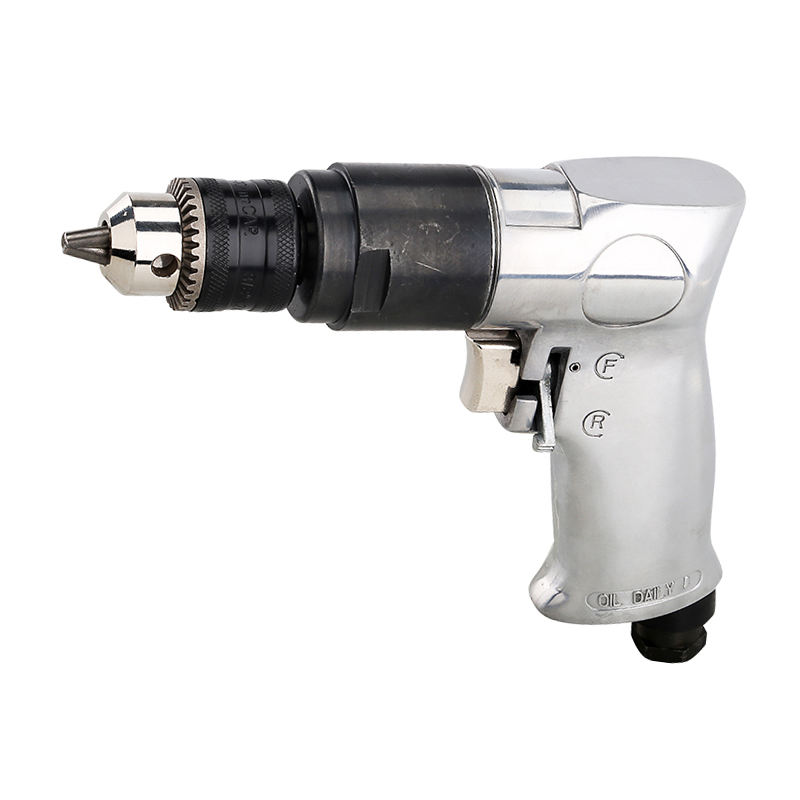 3/8-Inch Forward/Reverse Pneumatic Drill for Controlled Drilling and TappingThis reversible air drill supports both forward and reverse rotation, making it suitable for tapping and fastener removal in metal fabrication and structural work. Its lightweight and compact design aids repetitive drilling tasks.View Product →
Maintenance, Repair and Tight-Access Jobs
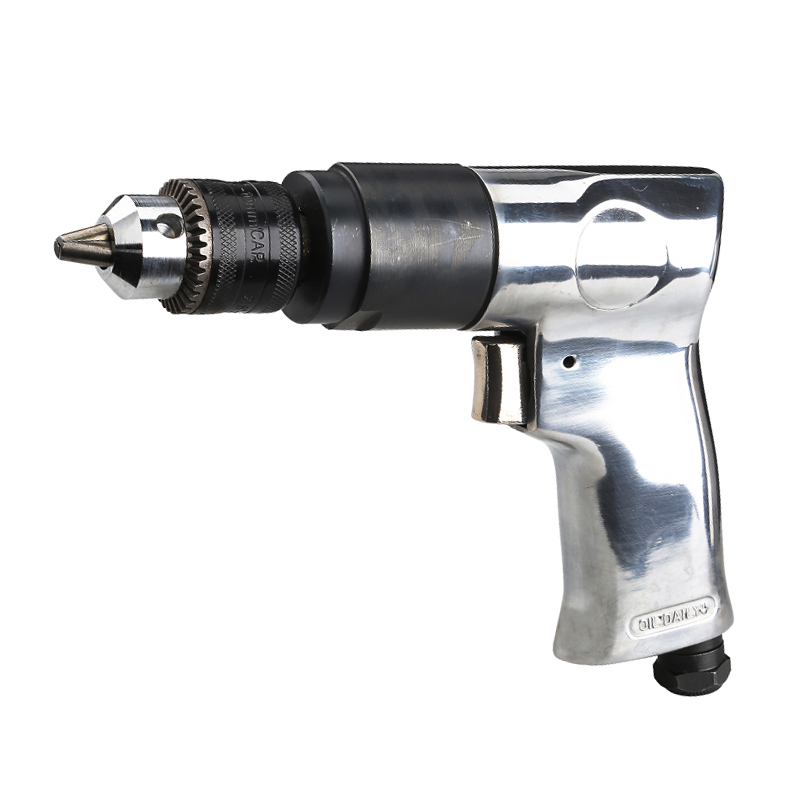 3/8-Inch Single Rotation Air Drill for General Maintenance DrillingA straightforward pneumatic drill with a 3/8-inch chuck, ideal for repair and maintenance tasks. It offers reliable performance in industrial settings, powered by shop air, and helps with removing seized bolts or reaming clearance holes.View Product →
Pneumatic Drill Versus Electric Drill: What the Specs Say
Criterion
Pneumatic drill
Electric drill
Power source
Compressed air from a compressor
Mains supply or battery
Torque-to-weight
High torque in a compact body; not dependent on a heavy battery
Good at low speed, but weight grows with battery capacity
Duty cycle
Can run continuously if air is supplied and the tool is lubricated
Battery heat and motor heat limit sustained rotation
Spark risk
No electrical brushes inside the motor; suited to flammable environments
Brush or switching may create sparks; not allowed in some zones
Speed control
Fine control through throttle; speed falls under load
Variable speed trigger and electronic feedback; more stable speed
Maintenance
Needs filtered, lubricated air; ring and rotor wear
Needs brushes or an brushless motor; battery service
Wet/dirty environment
Tolerates moisture much better than electric
Electric shock and water ingress risk
Local noise
Loud exhaust unless muffled
Generally quieter
Access
Right-angle and compact heads are common
Compact heads are available but less common
Air System Requirements and Common Mistakes
Safety and Maintenance
Buying a Pneumatic Drill: What Actually Matters
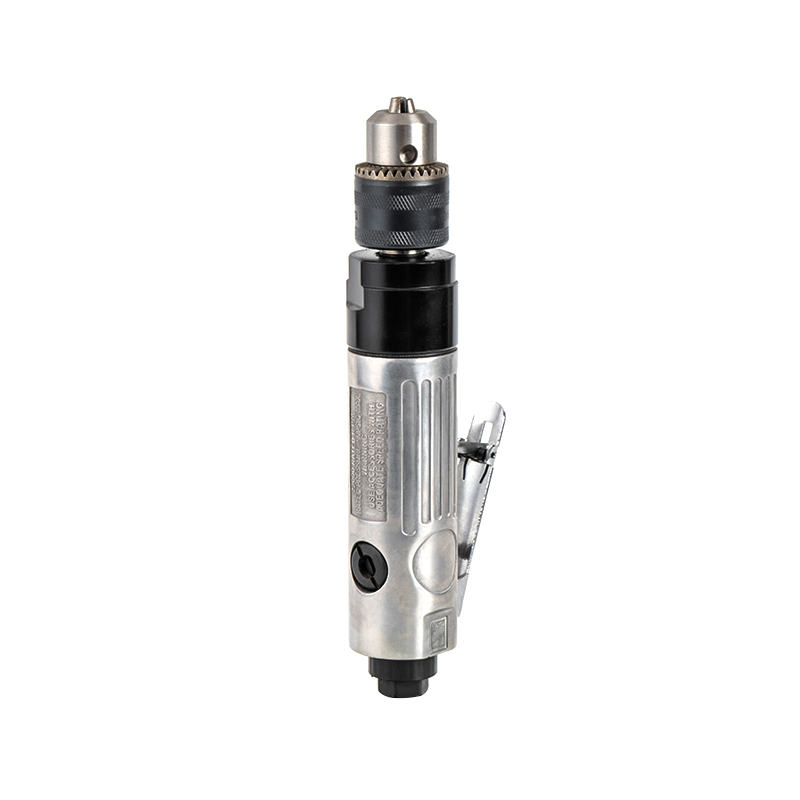 High-Torque Right-Angle Air Drill for Tight SpacesThis right-angle air drill delivers high torque for drilling in confined areas where straight drills cannot reach. Its angled head improves operator comfort and access, making it well-suited for machinery maintenance and assembly work.View Product →
The Bottom Line
Recommended products
-
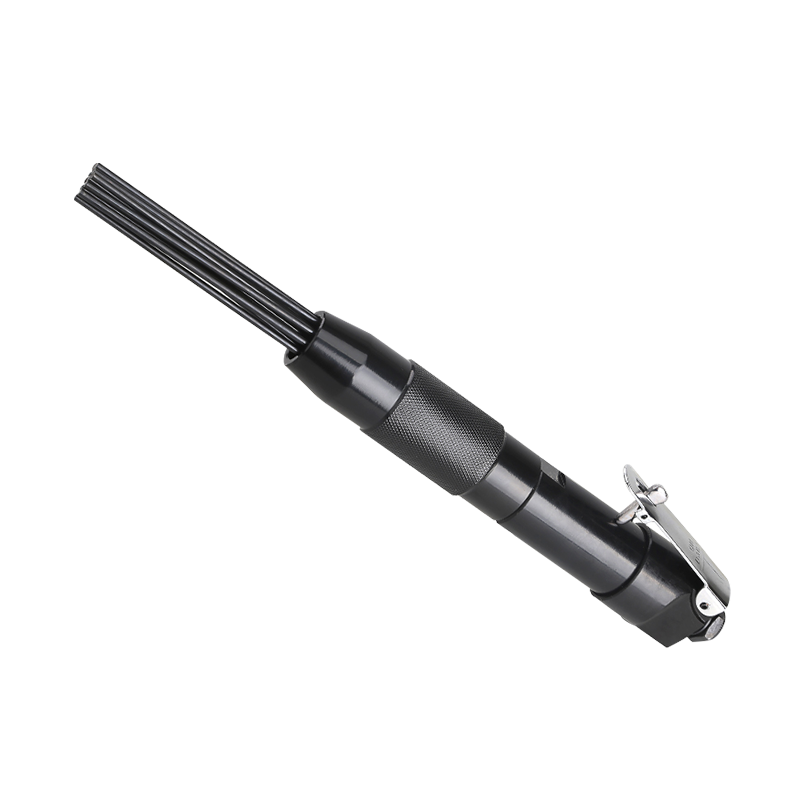
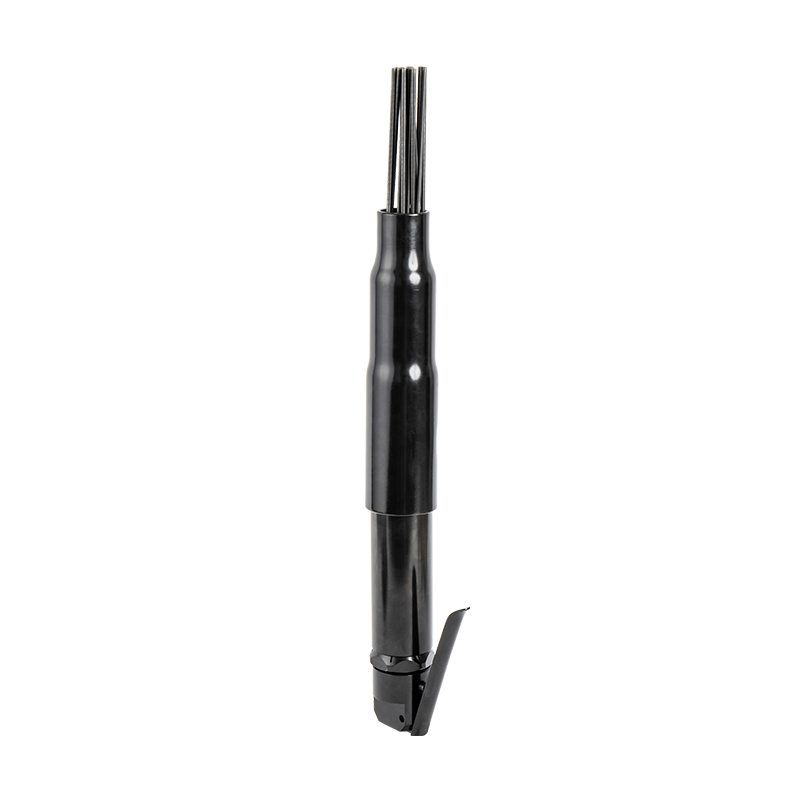
RH-464 Pneumatic Corner Needle Scaler
-
RH-460 Mini Compact Pneumatic Air Needle Scaler
-
RH-462 Portable Industrial Straight Needle Scaler
-
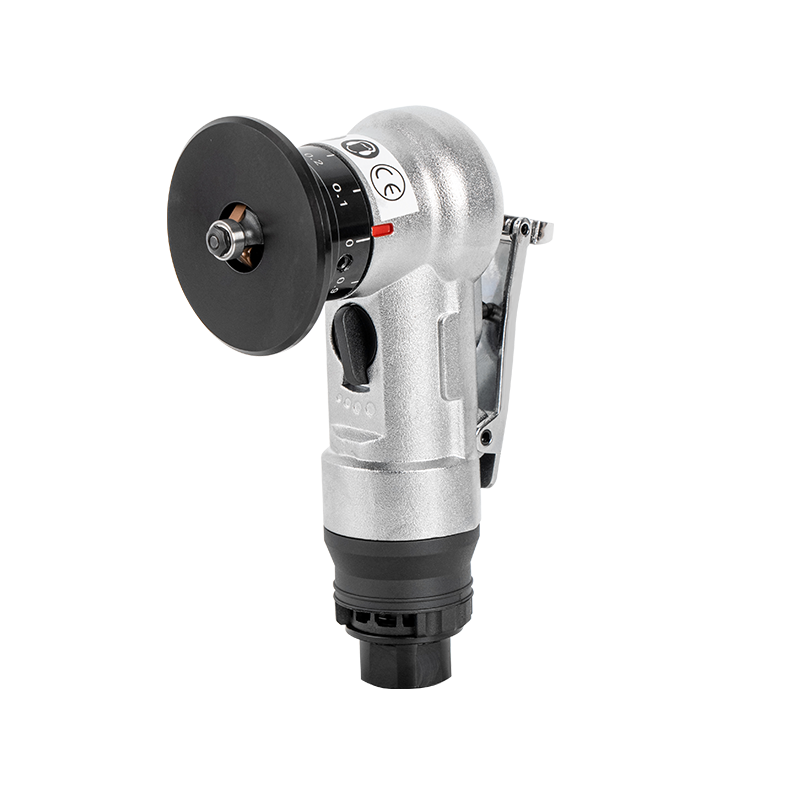
RH-7034C Portable Pneumatic Chamfering Machine
-
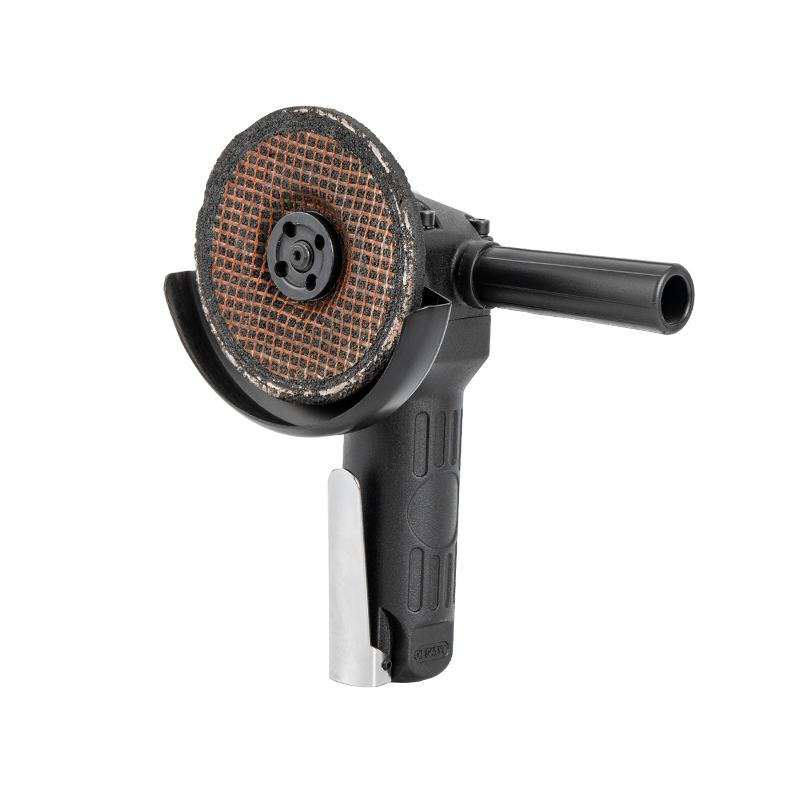
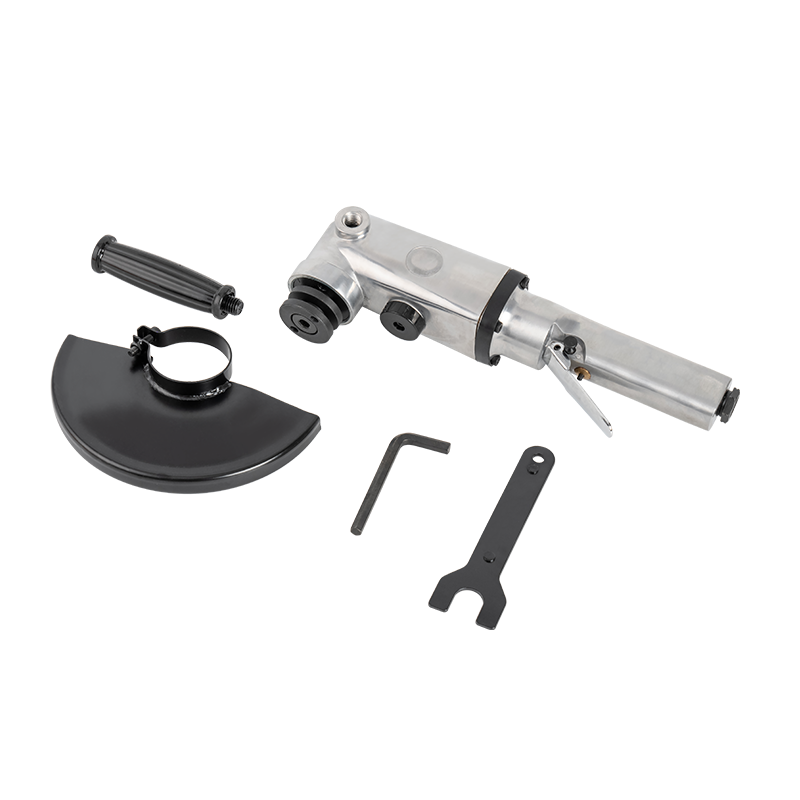
RH-7034B Central Pneumatic 4" Air Angle Grinder
-
RH-7034D 7" Hand Held Angle Grinder
-
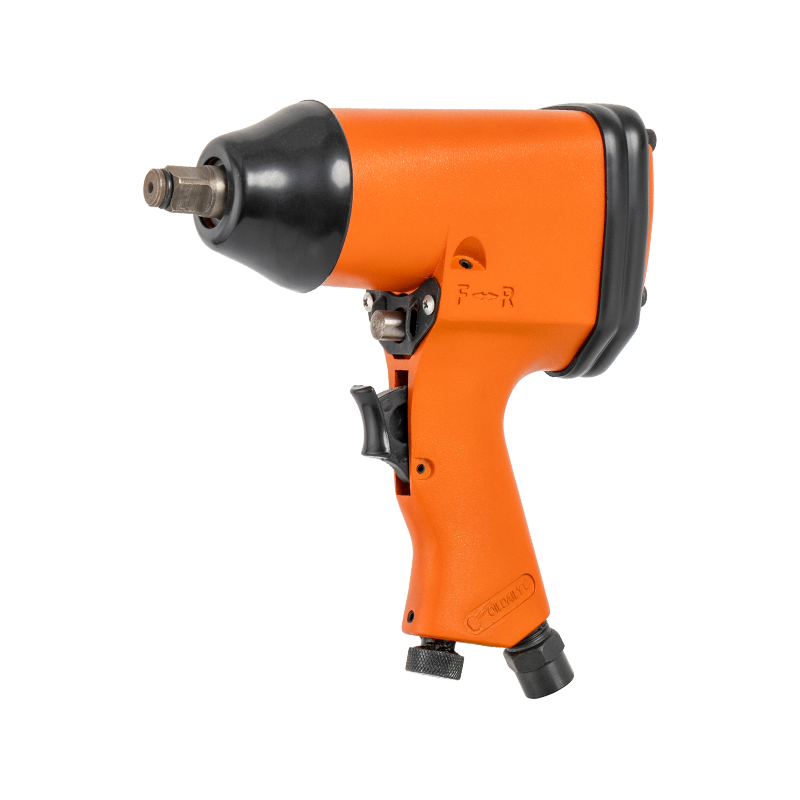
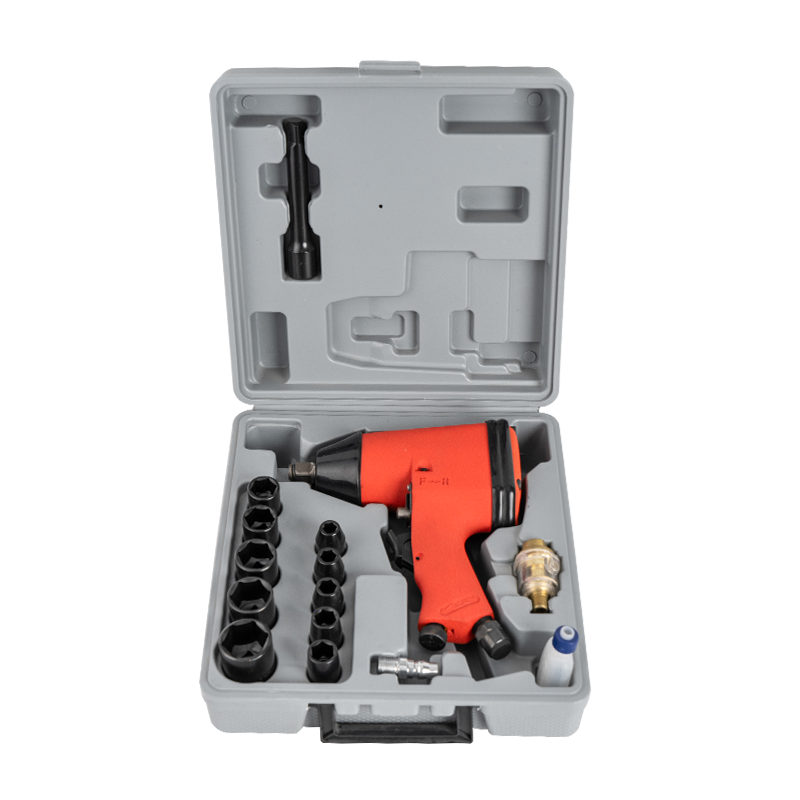
RH-160 1/2" Drive Single Hammer Air Pneumatic Impact Wrench
-
RH-160K Cordless Electric Rechargeable Air Impact Wrench Kit
-
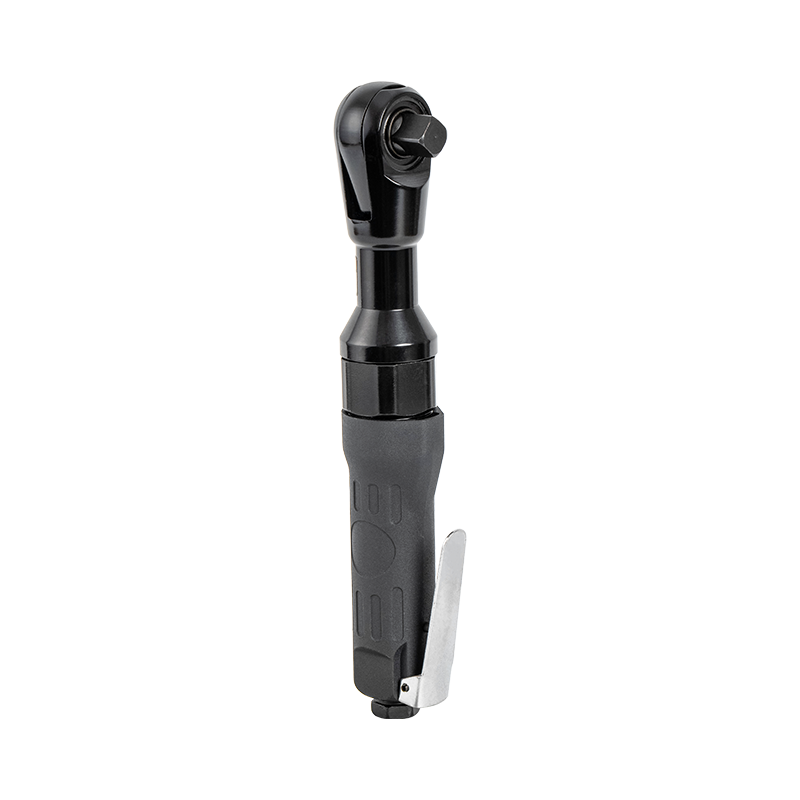
RH-112 1/2" Universal Electric Ratchet Wrench Hand Tool
-
RH-128 1/2" High Torque Electric Ratchet Wrench
-
RH-138 3/8" Long Head Portable Cordless Electric Ratchet Wrench
-
RH-148 1/4" Electric Battery Ratchet Wrench
CONTACT OUR EXPERTS
AND GET A FREE CONSULTATION!
Ningbo Haishu Renhao Pneumatic Co., Ltd.
 Address: Jiangbei District Ningbo City in Zhejiang Province by the Keli industrial ParkL Building 15th
 Phone: +86-139 0668 0779
 Tel: +86-139 0668 0779
 Fax: +86-139 0668 0779
 E-mail:[email protected]


