


 عربى
عربى 中文简体
中文简体Search by posts
Calendar
Product Categories
Industry News
 By Admin
When Is a Pneumatic Drill Commonly Used? Key Applications and Buying Considerations
Ask a maintenance supervisor when a pneumatic drill is commonly used, and the answer will usually be short: "whenever a cordless drill is not enough." That sentence holds the working essence of the tool. A pneumatic drill is commonly used when electric power is unavailable or unreliable at the work location, when the job demands sustained high torque without the risk of motor burn-out, when the surrounding atmosphere contains flammable vapor or combustible dust, and when the working position is too tight for a conventional electric drill body. None of these conditions appears in every workshop, which is exactly why air drills remain a specialized tool rather than a universal one. But in the sectors where those conditions do appear, the pneumatic drill is not a fallback. It is the reference tool against which electric and battery-driven alternatives are measured. One terminology note before we go further: in mining and heavy construction, "pneumatic drill" is sometimes used to describe a large rock-drilling or breaking hammer, the percussive machine that breaks concrete pavement or drills blast holes in a quarry. That tool is a different animal. This article discusses the handheld rotary class: the air-powered drill that a fitter, automotive technician, or production operator uses to drill, ream, countersink, tap, and drive screws. It is this class of tool that appears in trade-school exam questions about pneumatic drills, and it is this class that fills the product list of pneumatic tool manufacturers. The following sections cover the working principle, the exact scenarios that call for a pneumatic drill, the specifications that matter in selection, the air-system demands that determine real performance, and the safety and maintenance routines that keep the tool working. Throughout the article, we will refer to pneumatic drilling as it is done in actual plants and construction sites, not as it appears in a catalog. The heart of a pneumatic drill is a rotary vane air motor. Compressed air enters the motor body and presses against spring-loaded vanes set into a slotted rotor. As the rotor turns, a gear train transfers the motion to the spindle and chuck. Speed is controlled by air volume, not by an electronic speed controller, and the operator regulates it by pressing the trigger. When the drill bit meets resistance, the rotor slows down, but in a different way from an electric motor: the air motor simply keeps delivering torque at reduced speed until the cutting edge breaks through or the operator releases the trigger. This continuous torque behavior is the single biggest difference between a pneumatic drill and an electric one. A stalled electric motor draws heavy current, heats up, and eventually trips a breaker or burns out. A stalled air motor merely stops turning while the air flow continues to cool it. As soon as the jam is cleared, the motor resumes without waiting for a thermal reset. In addition, a pneumatic motor produces high torque from a very small and light package. A 1.2 kg air drill can turn a 13 mm twist drill through mild steel, where an equivalent electric drill body would be substantially heavier. For an operator who repeats the same drilling movement hundreds of times per shift, half a kilogram of weight saving is a measurable productivity gain. The practical result is that air drills hold their position in industry not because they are cheaper, which they often are, and not because air is free, which it is not. They hold their position because they offer machine-like reliability and a power density that electric drills struggle to match at the same price. This is why a pneumatic drill is commonly used in production environments that have a decent compressed-air installation, and why you rarely see a shipyard or a heavy equipment workshop without at least a few of them in the tool cabinets. It also explains why a pneumatic drill achieves such consistent drilling efficiency in industrial use. Across industry, a handful of conditions keep the pneumatic drill in daily service. Each condition maps to a specific set of jobs, and most shops that own air drills will recognize more than one of them. The following scenarios are listed in the order of how often they drive a purchasing decision. The textbook answer to "when is a pneumatic drill commonly used?" is "when electricity is unavailable", and it is correct for a mechanical reason that goes deeper than the exam question. A pneumatic drill is powered by compressed air; the air compressor can be driven by a diesel engine, a petrol engine, or a generator. On a pipeline spread, a mining camp, a bridge repair site, or a marine overhaul yard, the compressor is already there for other pneumatic tools. As long as there is fuel for the compressor, the air drill will keep running, regardless of the local electricity supply. A cordless drill might also run for a while on charged batteries, but every large-diameter hole drains the pack noticeably, and a jammed bit can end the battery in a single attempt. Consider a real example from a pipeline welding crew. The pipe is laid along a remote access road, the nearest socket is far away, and the fitter needs to drill a series of holes in a steel bracket. The crew has a diesel-driven air compressor on the truck to power their grinders and impact wrenches. Connecting a 10-metre air hose and using a pneumatic drill takes less time than finding a working extension cord and waiting for a battery to charge. The voltage on a site generator may fluctuate, but the air drill does not feel voltage changes at all. The energy chain between the prime mover and the tool is mechanical, not electrical. Unreliable mains power has the same effect inside a factory. Facilities with old wiring, temporary site power, or marginal generators experience voltage dips every time a large motor starts. Electric drills produce less torque when voltage sags; the air drill is immune to that condition. It is a small detail, but for an operator under a production deadline, it is the kind of detail that determines whether the job finishes on time. Construction and renovation jobs constantly produce the drilling conditions that defeat electric tools: thick steel beams, layered sheet metal, stainless steel handrails, anchor holes in concrete formwork, and counterbores in aluminium profiles. These jobs offer variable resistance, and the drill must keep cutting through momentary jams instead of tripping a clutch or a protective circuit. A pneumatic drill slows down, keeps turning, and cuts through when the bit finally bites. An electric drill with a clutch may kick back; a battery drill may reduce its power at the worst moment and leave the operator fighting the handle. Structural steelwork is a typical setting. A steelworker spends the morning drilling bolt holes and cable-tray holes in 10 mm plate. Forty holes later, the drill has been loaded, starved, and maxed out dozens of times. With a pneumatic drill supplied by the site compressor, torque stays consistent through the whole run. The operator does not need to manage a drooping battery curve or worry about overheating the motor. For work that pushes beyond the capacity of a straight pistol-grip tool, a high-torque right-angle pneumatic drill reaches into steel channels and behind flanges while keeping the operator's hand clear of the obstruction. This type of body shape exists in air tools precisely because construction crews asked for it. Renovation adds one more wrinkle: mixed materials. A worker removing an old steel-framed partition may hit wood, thin sheet metal, and hard weld spatter in the space of a few centimetres. The air drill changes speed naturally with the load, and the operator feels the transition in the handle instead of waiting for the tool's electronics to decide what to do. That direct feedback is the reason many demolition and renovation crews keep one air drill with a sharp bit in every kit. Assembly lines are the highest-density use of pneumatic tools in general. Automakers, appliance factories, furniture plants, and electronics assembly shops run centralized compressed-air systems that feed hundreds of air tools at once. On those lines, the question is not whether to use air drills, but which model to specify at each station. The reasons are economic and ergonomic. A production station repeats the same drilling operation every 40 to 80 seconds for an entire shift. A cordless tool at that station creates a battery logistics problem: packs must be swapped, charged, tracked, and sometimes replaced. A corded tool creates a cable wear problem at the strain relief and a trailing cable hazard on a moving line. An air drill suspended from a tool balancer has neither issue. The hose flexes, the tool returns to the balancer when released, and the only consumable is the small amount of oil carried by the air stream. Torque consistency is another quality factor. The output of a pneumatic drill is set by the air pressure regulator and stays at that level shift after shift. A battery drill's torque gradually drops as the pack discharges, which can change the quality of drilled holes or tapped threads near the end of a shift. For operations such as hole alignment for riveting, reaming, and thread tapping, consistent speed is a quality requirement. Process engineers who study hole-diameter variation often find that the pneumatic tool produces a tighter distribution than a battery tool, simply because the air motor runs at a more constant speed. In some environments electric tools are excluded by regulation, by insurance conditions, or by plain common sense. Tank cleaning in a chemical plant, grain-mill maintenance, spray-booth repair, and coal dust zones all share the same hazard: one spark or one hot motor surface can ignite the atmosphere. A pneumatic drill has no electrical winding, no commutator, no switch contacts, and no battery. The rotary vane motor produces motion from compressed gas, and the expanding air keeps the motor body cool. For this reason, air drills are the standard answer for work in classified hazardous areas. Wet and humid environments create a second version of the same argument. Underground mines, hydropower stations, marine engine rooms, and wash-down food plants are wet on every surface. An electric drill there requires residual-current protection, an IP-rated enclosure, and careful cable management. A pneumatic drill has no shock path to the operator. The real enemy in those places is water in the air line, which washes oil off the motor vanes, so clean, filtered, moisture-controlled air is the protection that matters. The tool itself, however, cannot become an ignition source. Ask a vehicle technician or a shipyard fitter why they reach for a pneumatic drill and the answer is often not power, but geometry. Drilling a hole between two engine pipes, above a transmission case, or inside a pedestal base is physically impossible with a straight drill body. The right-angle air drill solves this problem: the motor body remains parallel to the workpiece while a bevel gear turns the spindle 90 degrees. The operator holds the drill above the obstruction while the chuck and bit work in the confined space beneath it. A right-angle forward-reverse pneumatic drill covers this exact situation in automotive and plant maintenance work. Long-reach straight drills deal with a different geometry issue. When the bit has to reach the bottom of a deep cavity, a standard body is too wide and a right-angle head cannot extend inside. A lengthened straight drill carries the motor behind an extended shaft and guides the bit through the mouth of the cavity. This configuration is used for deburring heat-exchanger boxes, drilling inside structural tube sections, and working in cast housings. In all these positions, the electric drill's main limitation is the fixed volume of its motor and switch housing. Air motors can be packaged in slimmer and longer layouts because the handle carries the air inlet and the motor sits inline, which is why straight and right-angle pneumatic drills cover working positions that electric drills simply cannot reach. On a real work site, drilling is rarely the only task. After the hole is drilled, the operator must usually deburr the edge, chamfer the mouth, or clean the surface. This is where the pneumatic tool family earns its keep as a system. The same air line, the same hose, and the same operator skills can drive an air die grinder, an air belt sander, or a small pneumatic angle grinder for the follow-up work. The drilling task becomes one step among several, and the entire process remains air-powered with no second charging or cabling infrastructure. A typical machine-shop example: a batch of aluminium brackets requires six drilled holes per piece, a countersink on each hole, and a polished mating face. The operator drills with the pneumatic drill, switches to an air die grinder with a mounted point for the countersinks, and finishes with a small pneumatic sander. No battery stop, no cable change, no second power source in the work cell. The pneumatic drill is commonly used in these cells not by itself, but as the entry point that brings compressed air to the workstation; the other pneumatic tools then join it for the operations around the hole. Together, these scenarios show why the original question has more than one correct answer. Electricity availability is one answer. Continuous duty is another. Environmental safety is a third. Tool geometry is a fourth. The pneumatic ecosystem around the tool is a fifth. Most real jobs blend several of these conditions, and that combination is precisely when a pneumatic drill becomes the most reasonable choice. Once the decision has been made to use a pneumatic drill, the tool specification has to match the material, the hole size, and the operator. Four specification families matter more than any others: speed and torque, chuck size, direction control, and exhaust routing. Weight and balance matter too, because they determine whether the operator stays accurate into the second half of the shift. Air drills are offered in low-speed/high-torque and high-speed/lower-torque versions. A typical low-speed air drill spins at 1,800 to 2,400 rpm and uses a 1/2-inch chuck; it suits 10 to 16 mm holes in steel, large self-drilling screws, and hole saws. A high-speed version runs at 2,400 to 3,000 rpm and carries a 3/8-inch chuck; it handles smaller holes in sheet metal, aluminium, plastics, and wood up to 10 mm. The cutting speed has a real technical basis: twist drills in carbon steel want roughly 20 to 40 surface metres per minute, which puts a 10 mm drill in steel at 650 to 1,300 rpm, while the same drill in aluminium can run much faster. In practice, the low-speed version drives bigger bits, and the high-speed version drives small bits with less effort. If the tool will face both conditions, choose the version that fits the larger share of work, or keep one of each on the tool wall. Chuck size decides which bits and accessories the tool can accept. A 3/8-inch keyed chuck covers general-purpose twist drills up to 8 or 10 mm with a reduced shank, hex-shank screwdriver bits through an adapter, and rotary burrs with 6 mm shanks. A 1/2-inch keyed chuck becomes necessary when the job regularly calls for 10 and 12 mm straight-shank bits, annular cutters, or heavy hole saws. Almost all industrial air drills use keyed chucks, because a keyless chuck that is not fully tightened will slip under the high torque of a stalled air motor and the slipping will damage the jaws. If keyless convenience is a requirement, select a hardened keyless chuck rated for torque transmission. Also check the spindle thread and the nose profile if the tool will be mounted on a drill stand or a magnetic base. Many straight pneumatic drills include a nose thread for a bracket or a side handle, and the thread size has to be matched when ordering fixtures. Reverse function on an air drill is not only for pulling a bit out of a hole. It is used for tapping threads, because the operator can back the tap out quickly after cutting the thread; for removing rusted screws and fasteners; and for freeing a bit jammed in a deep hole. In these tasks the direction lever must be reachable from the same grip, or the operator will have to move a hand to the end of the body, which breaks the strong grip exactly when control matters most. One-handed operation matters in vehicle repairs and confined-area work because the other hand has to hold the workpiece, the torch, or the fixture. The one-handed forward-and-reverse air drill is designed for this condition: the direction lever sits within thumb reach, and the side handle can be removed when space is extremely limited. The practical picture is a technician holding a caliper bracket with one hand while drilling out a rusted bolt head with the other, without setting up a bench vice for a single hole. When evaluating a drill for one-handed use, check the exhaust port location as well: a rear exhaust keeps the air stream away from the face, while a front exhaust blows chips toward the work area and can reduce visibility in tight spaces. Exhaust routing is a specification that first-time buyers ignore and tool managers treat as a deciding factor. Rear-exhaust drills vent spent air through the handle, either directly to the rear or through a hose to a remote collector. Front-exhaust drills vent through ports near the nose. Rear exhaust keeps oil mist and chips off the workpiece, which matters in clean assembly areas and in positions where chips would land on the operator's hand. Rear exhaust also allows the use of an exhaust hose or silencer to reduce noise. No pneumatic drill is quiet, and typical levels range from 80 to 95 dBA at the operator's ear. The muffler and rear path can lower that figure measurably and keep hearing-protection requirements under control. Front-exhaust models are simpler and cheaper but blow a stream of oiled air across the work surface, which can contaminate optics, painted parts, or food-contact products. That is why rear-exhaust models are the normal choice in aerospace, motorsport, and food-industry applications. Air drills are light in absolute terms, typically 0.9 to 2.0 kg depending on motor size and chuck. Weight is less important than balance. A tool whose centre of gravity is close to the grip line needs very little wrist force to guide; a tool with a heavy motor nose tilts downward and forces the forearm to carry the load. The difference is small in vertical downward work and large in horizontal or overhead drilling. Overhead work also changes the grip choice. A pistol-grip drill suits downward work at a bench, but in overhead positions it forces the wrist into extension, and fatigue appears quickly. A straight-body drill keeps the forearm aligned with the tool axis and is far more comfortable for overhead and forward drilling. Most maintenance crews stock both forms: a gun-style drill for bench-level work and a straight drill for extended reach. Matching the body style to the dominant working position is a simple decision that most first-time buyers overlook. A good pneumatic drill performs poorly if the supply side is wrong. The drill is only the last part of the energy chain; the compressor, the filter-regulator-lubricator (FRL), the hose, and the coupler together decide whether the operator feels steady power or weak, uncertain rotation. These air-system basics keep the drill from becoming the reason the job slows down. Every air drill has a rated air consumption, usually stated in CFM or litres per minute under load. A small 3/8-inch drill consumes roughly 2.5 to 4 CFM (70 to 113 l/min); a large 1/2-inch drill can reach 5 to 7 CFM (140 to 200 l/min). The compressor must supply that flow at 90 psi (6.2 bar) and have enough receiver volume to cover peaks when the operator opens the trigger fully. As a rule, choose a compressor with a free-air delivery rating at least 50 percent above the tool's rated consumption, because pressure drops across filters, hoses, and fittings always add up. When two drills run continuously at two stations, add their flow figures together plus a 30 percent margin. Shops that skip this calculation end up with a compressor that runs non-stop, wears out quickly, and delivers oily air to the tools. Compressed air from a piston compressor is hot, wet, and oily. The FRL unit mounted close to the work point removes water droplets, regulates pressure to the tool's rated value, and injects a fine oil mist into the air stream. Every pneumatic drill should be supplied from a point of use with a working FRL. Without the filter, moisture washes the vane lubrication away and rusts the rotor. Without the lubricator, the vanes wear quickly and lose their seal against the cylinder wall, which drops torque and speed in weeks. Without the regulator, operators may raise the line pressure to compensate for hose loss, which overspeeds the motor and accelerates bearing wear. The lubricator reservoir should be refilled at a predictable interval; in a busy factory a single shift can empty a small plastic reservoir, so the refill needs to be part of the weekly schedule, not a monthly surprise. The hose between the FRL and the drill is the most underestimated performance factor. A 6 mm (1/4-inch) internal-diameter hose is common in small kits but costs pressure under flow: at 5 CFM through a 10-metre hose, a 6 mm bore can produce a pressure drop of 1.0 to 1.5 bar, which reduces drill torque by 20 percent or more. A 9.5 mm (3/8-inch) hose keeps the drop below 0.3 bar over the same length. For distribution runs above 15 metres, use a 13 mm (1/2-inch) line and connect the 9.5 mm hose only at the final whip. Quick couplers are another hidden bottleneck; industrial couplers with a larger through-bore pass air far better than small automotive replacements. When a drill feels weak on a big rig, the first checks should be the filter, the hose, and the coupler, not the tool itself. More pressure is not better. Air drills are designed for 90 psi at the inlet. Higher pressure increases speed and torque but also increases vane friction, heat, and wear, and it makes the tool hard to control on the workpiece. Lower pressure reduces output torque and lugging becomes common. The regulator should be set at 90 psi measured at the tool inlet, not at the compressor. Because every metre of hose creates its own drop, the compressor regulator may be set higher, and the point-of-use regulator is where the final adjustment happens. Calibrating the system once with a gauge at the hose whip, then marking the regulator setting, allows later shifts to reproduce the same performance without re-measuring. Air drills have a long service life when treated correctly, and they are dangerous only when the basic rules of rotary tools are ignored. The following points cover both sides of the equation. Disconnect or bleed the air before changing bits. An air drill can start if someone steps on the trigger or the throttle is opened accidentally while the tool is connected to a pressurised line. Clamp the workpiece. The high torque of the motor can rotate a small piece out of the operator's hand when the bit grabs an edge; use a vice, a drill stand, or locking pliers and never hold small workpieces directly in the hand. Wear eye protection, because compressed air blows chips harder than an electric drill does, and swarf reaches the face at high speed. Do not wear loose gloves around a rotating chuck, since the glove can be drawn into the chuck and pull the hand in. Do not point the exhaust at your skin or at another person, because the air stream carries oil mist and small debris. And never use a pneumatic drill to blow dust off clothing or work surfaces; that is what dedicated blow guns with proper air pressures and nozzles are for. Once a day, put two or three drops of air-tool oil into the air inlet before connecting the hose and run the tool for a moment to distribute the oil. This simple action is the most effective thing you can do for a rotary vane air motor. If the FRL lubricator is working, the daily dose is less critical, but experienced crews do both because the manual drops act as insurance. Once a week, drain the water from the compressor tank and the FRL water bowl, check the inlet screen on the tool for trapped grit, and clean or replace the exhaust muffler. A dirty muffler raises back pressure and reduces power. Once a month, inspect the motor vanes through the service opening; replace worn or cracked vanes as a set. Many shops treat air drills as consumables and buy a new tool when the motor finally gives up, but a factory that keeps spare vane sets and seal kits on hand can run the same drills for many years at low cost. The answer to "when is a pneumatic drill commonly used?" is best expressed as a set of conditions. If the work has no dependable electrical supply, use a pneumatic drill. If the job demands continuous high torque without burn-out risk, use a pneumatic drill. If the environment contains flammable gas, combustible dust, or standing water, use a pneumatic drill. If the working position is too tight for a straight drill body, use a right-angle or extended pneumatic drill. And if the site already has a compressor, a distribution line, and other pneumatic tools, the economic and practical case for an air drill is strong even when an electric tool would also function. The air drill gives up some energy efficiency compared with a corded drill, because compressing air is inherently wasteful. It also gives up the ultra-fine speed control that a brushless motor with closed-loop electronics can provide at very small diameters. For heavy drilling, thread tapping, reaming, and other production tasks, the air drill's consistent torque and simple construction win. For fine precision work at low speed in small diameters, a good battery drill with pulse control may be preferable. When the decision goes to a pneumatic drill, match the body style to the working position, match the chuck size to the five most common bit diameters, choose a rear-exhaust model for clean and confined spaces, and confirm that the air system delivers enough flow and the correct pressure at the inlet. For high-torque and right-angle jobs, a dedicated right-angle drill will serve longer than a straight drill with a separate angle attachment. And above all, invest in the air preparation: a clean, dry, lubricated, regulated air supply turns an ordinary air drill into a reliable production tool, while neglect turns the same drill into a frustrating one. On a site that already lives on compressed air, the question of when to use a pneumatic drill answers itself: whenever the drilling is heavy, the power is uncertain, the space is tight, or the air system is already there.How a Pneumatic Drill Works and Why It Earns Its Place
Factor
Corded electric drill
Cordless drill
Pneumatic drill
Power source
Mains electricity (110V or 220V)
Battery pack
Compressed air at 90-100 psi
Stall behavior
Motor heats quickly; thermal protection may trip
Electronic protection limits torque
Air passes through; no heat accumulation
Torque at low speed
Drops as load increases
Varies with battery state of charge
Sustained full torque until stall
Weight for equivalent power
Heavier
Heaviest when battery is included
Lightest
Explosion safety
Arcing risk in switch and motor
Arcing risk in switch and motor
No electrical arcing
Continuous duty
Heat-limited
Battery-limited
Limited only by air supply
Typical maintenance needs
Brush replacement, cable repair
Battery degradation, connector cleaning
Vane inspection, lubrication, filter care
When Is a Pneumatic Drill Commonly Used? The Main Scenarios
Where Electricity Is Unavailable or Unreliable
High-Torque Drilling in Construction and Structural Steelwork
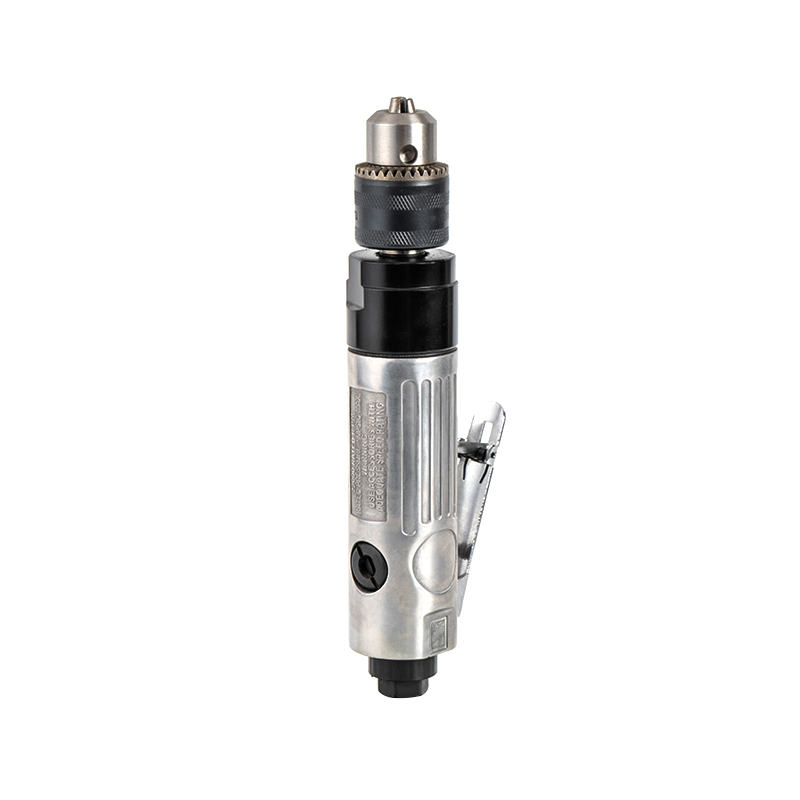 Custom RH-3302 High Torque Right Angle Air Drill Suppliers, Factory - Ningbo HaiNingbo Haishu Renhao Pneumatic Co., Ltd is China custom RH-3302 High Torque Right Angle Air Drill Suppliers and OEM/ODM RH-3302 High Torq...View Product →
Continuous Production Runs and Assembly Lines
Explosive, Dusty, and Wet Environments
Tight Spaces and Awkward Working Angles
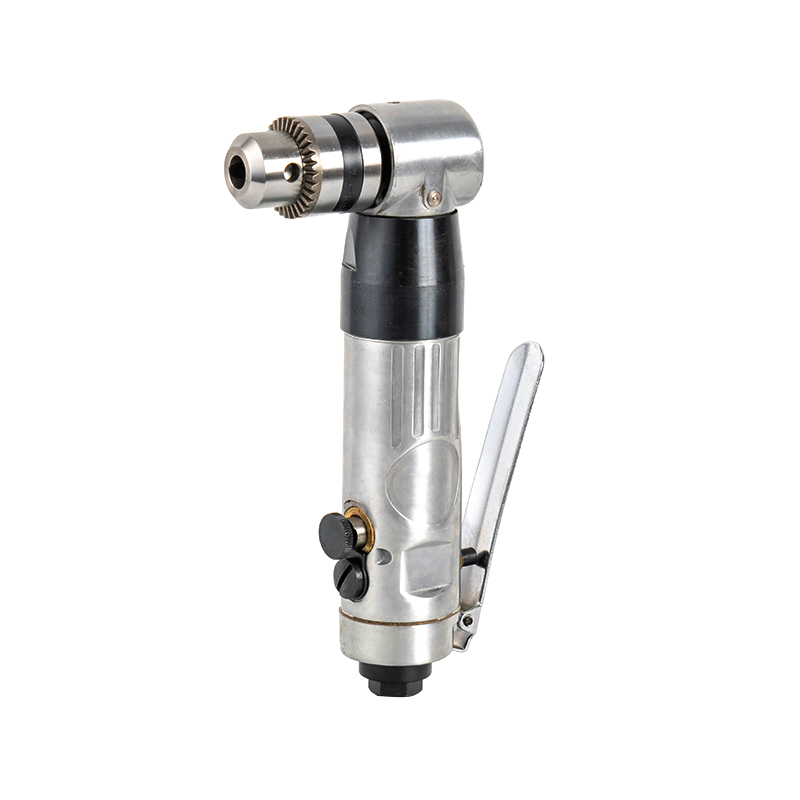 Custom RH-338 3/8 Right Angle Forward Reverse Gas Drill Suppliers, Factory - NinNingbo Haishu Renhao Pneumatic Co., Ltd is China custom RH-338 3/8 Right Angle Forward Reverse Gas Drill Suppliers and OEM/ODM RH-338 3/8...View Product →
Surface Preparation and Secondary Operations Around the Drill
Pneumatic Drill Specifications: What Actually Matters
Speed and Torque
Chuck Size and Mounting
Forward-Reverse and One-Handed Operation
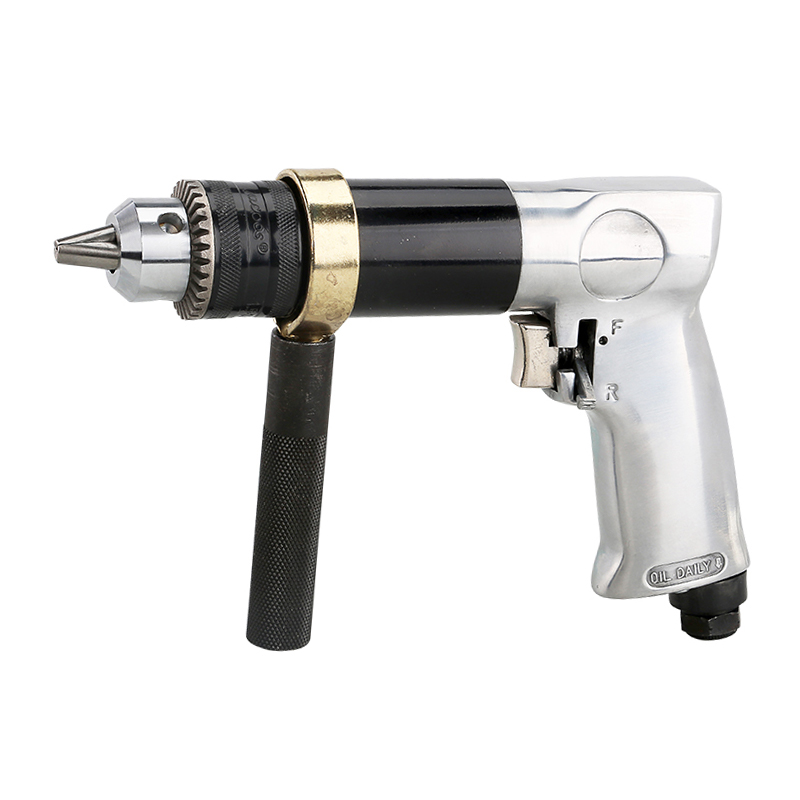 Custom RH-336 1/2 Forward and Reverse One-Handed Air Drill Suppliers, Factory - Ningbo Haishu Renhao Pneumatic Co., Ltd is China custom RH-336 1/2 Forward and Reverse One-Handed Air Drill Suppliers and OEM/ODM RH-336 ...View Product →
Exhaust Direction and Noise
Weight, Balance, and Handling
The Air System Behind the Tool
Compressor Capacity
Filter, Regulator, and Lubricator
Hose Size, Length, and Couplers
Air Pressure Settings
Safety and Maintenance Rules That Keep Pneumatic Drills Working
Safety Rules That Apply Every Time
Daily and Weekly Maintenance
Choosing the Right Moment for a Pneumatic Drill
Recommended products
-
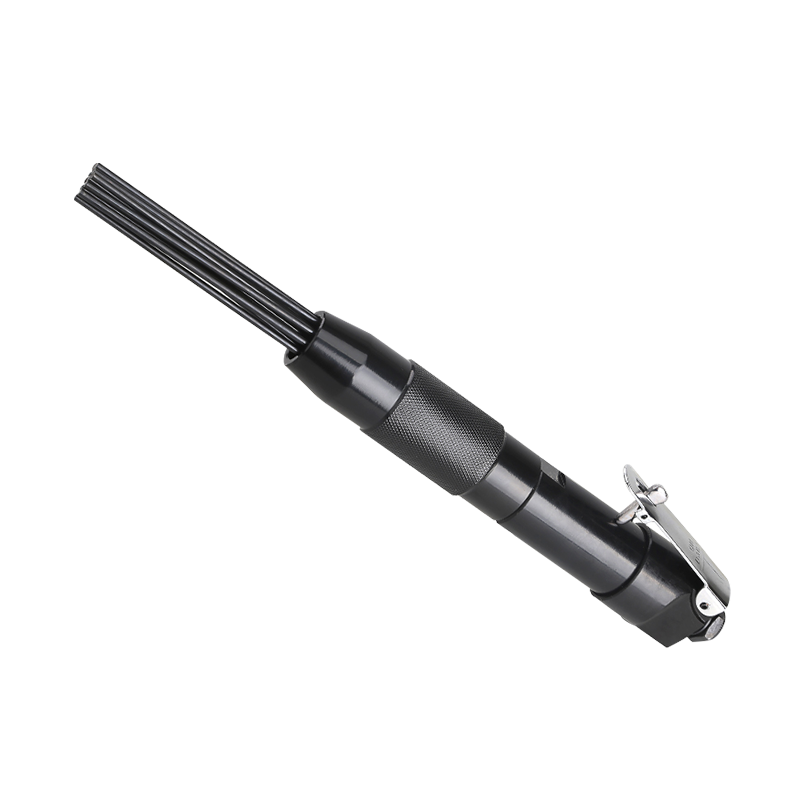
RH-464 Pneumatic Corner Needle Scaler
-
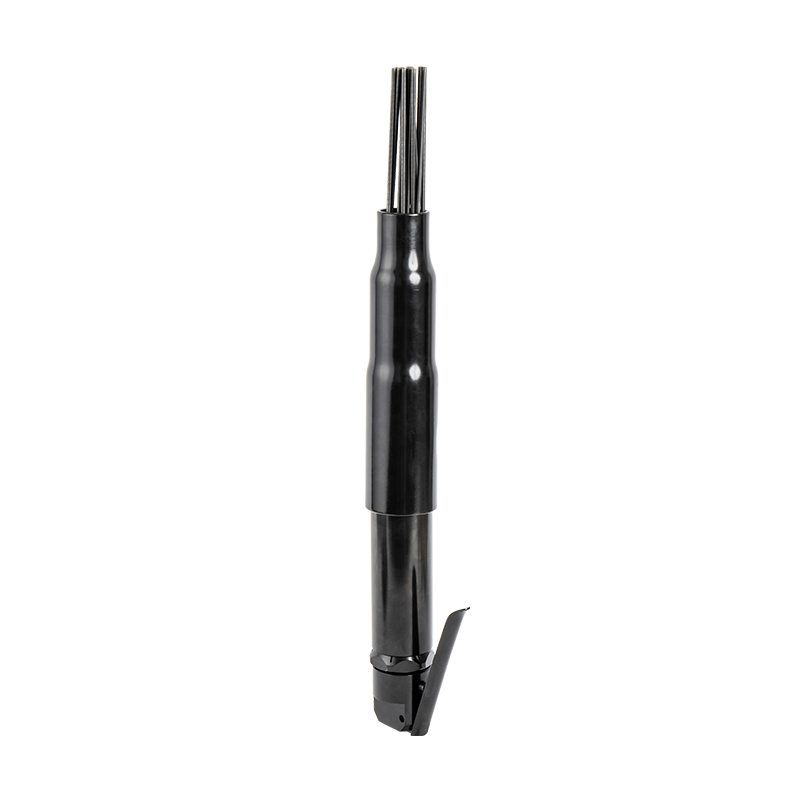
RH-460 Mini Compact Pneumatic Air Needle Scaler
-
RH-462 Portable Industrial Straight Needle Scaler
-
RH-7034C Portable Pneumatic Chamfering Machine
-
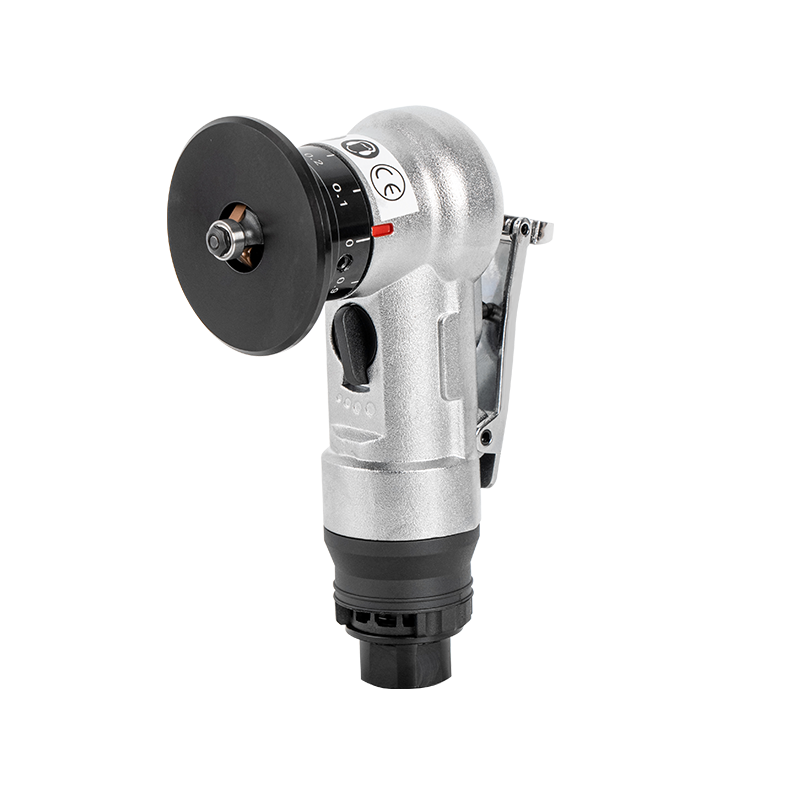
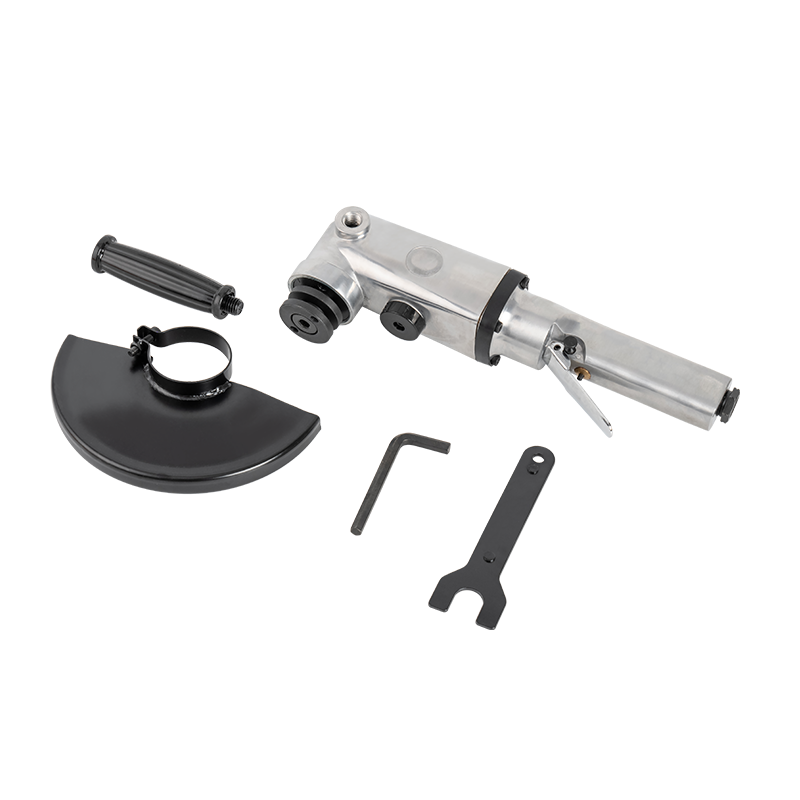
RH-7034B Central Pneumatic 4" Air Angle Grinder
-
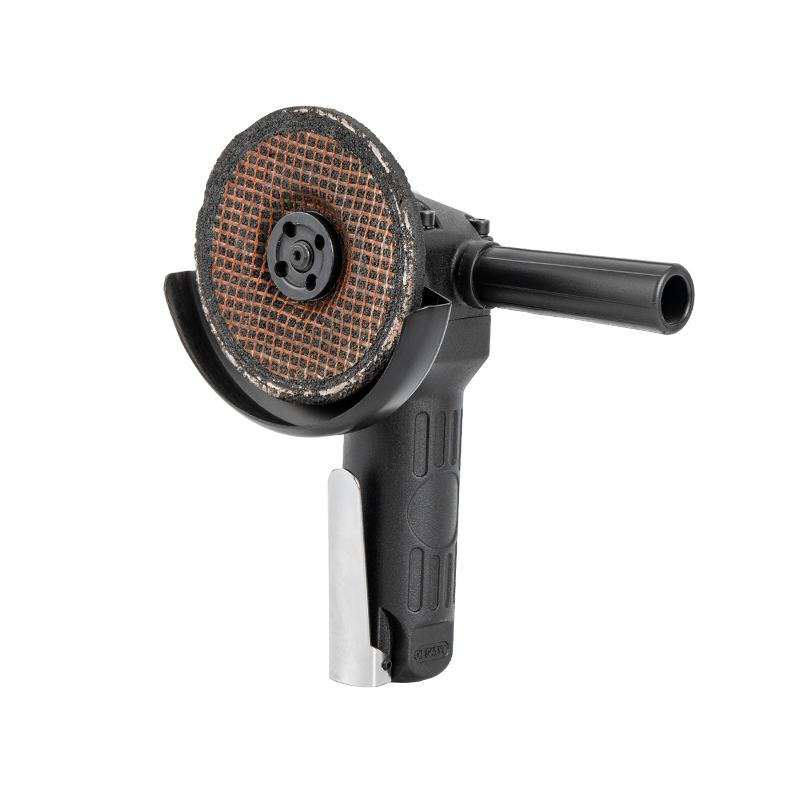
RH-7034D 7" Hand Held Angle Grinder
-
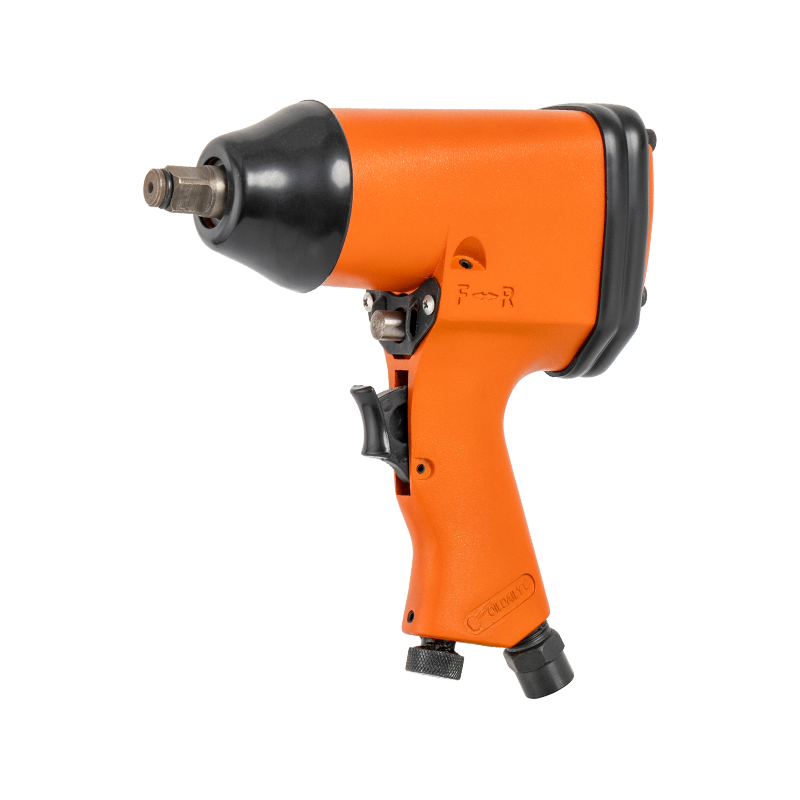
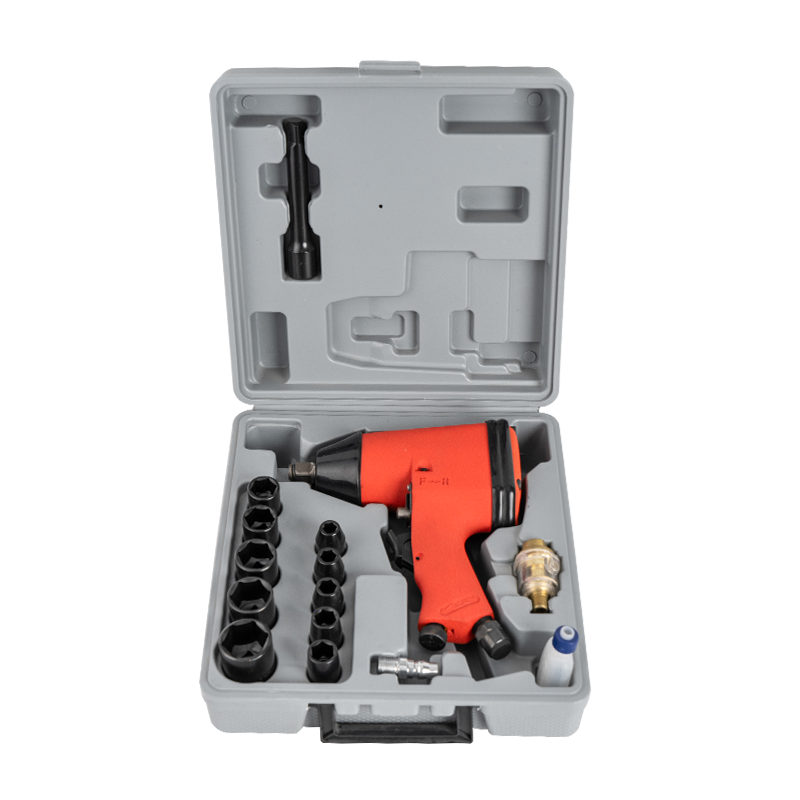
RH-160 1/2" Drive Single Hammer Air Pneumatic Impact Wrench
-
RH-160K Cordless Electric Rechargeable Air Impact Wrench Kit
-
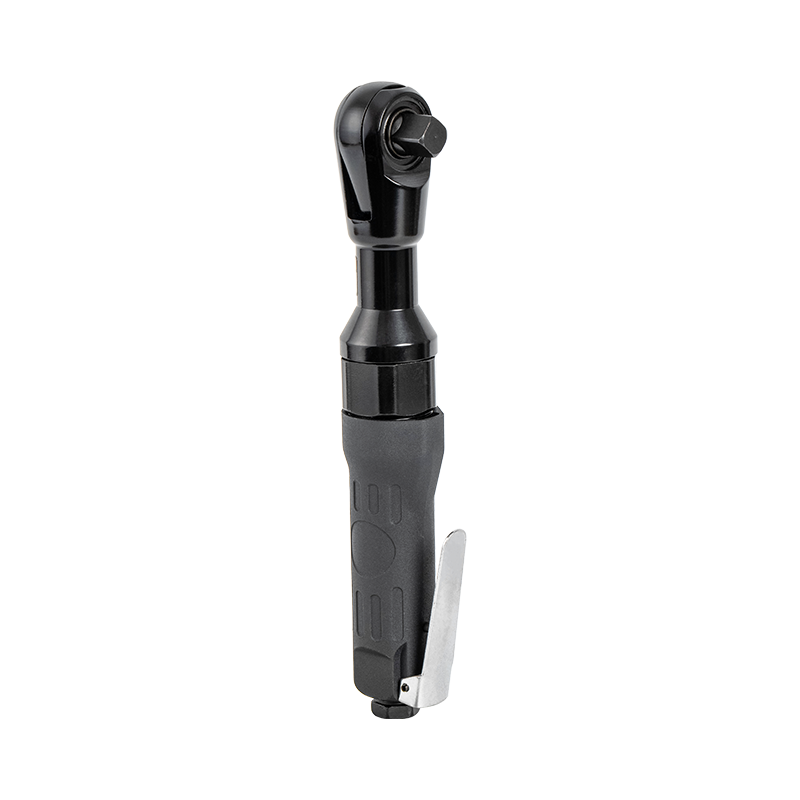
RH-112 1/2" Universal Electric Ratchet Wrench Hand Tool
-
RH-128 1/2" High Torque Electric Ratchet Wrench
-
RH-138 3/8" Long Head Portable Cordless Electric Ratchet Wrench
-
RH-148 1/4" Electric Battery Ratchet Wrench
CONTACT OUR EXPERTS
AND GET A FREE CONSULTATION!
Ningbo Haishu Renhao Pneumatic Co., Ltd.
 Address: Jiangbei District Ningbo City in Zhejiang Province by the Keli industrial ParkL Building 15th
 Phone: +86-139 0668 0779
 Tel: +86-139 0668 0779
 Fax: +86-139 0668 0779
 E-mail:[email protected]


