


 عربى
عربى 中文简体
中文简体Search by posts
Calendar
Product Categories
Industry News
 By Admin
What Is a Pneumatic Ratchet Wrench and How Does It Speed Up Your Work?
What Is a Pneumatic Ratchet Wrench and How Does It Work?
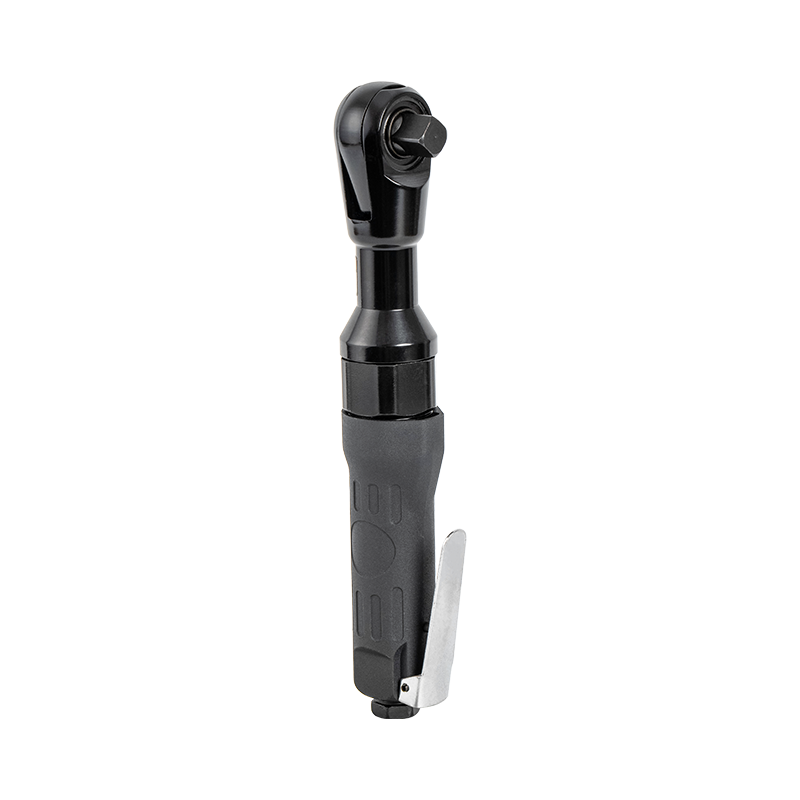
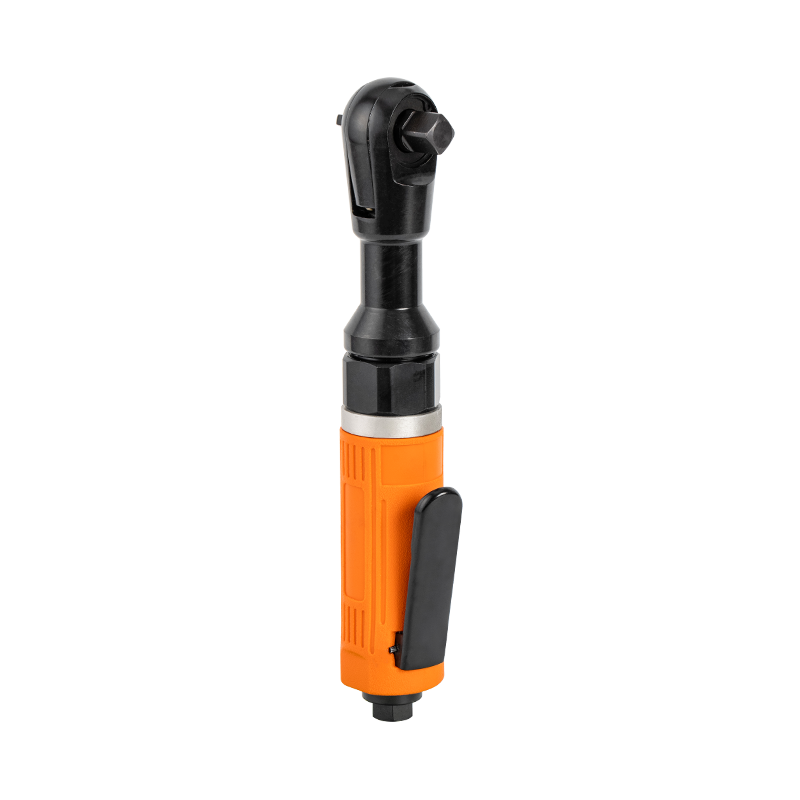
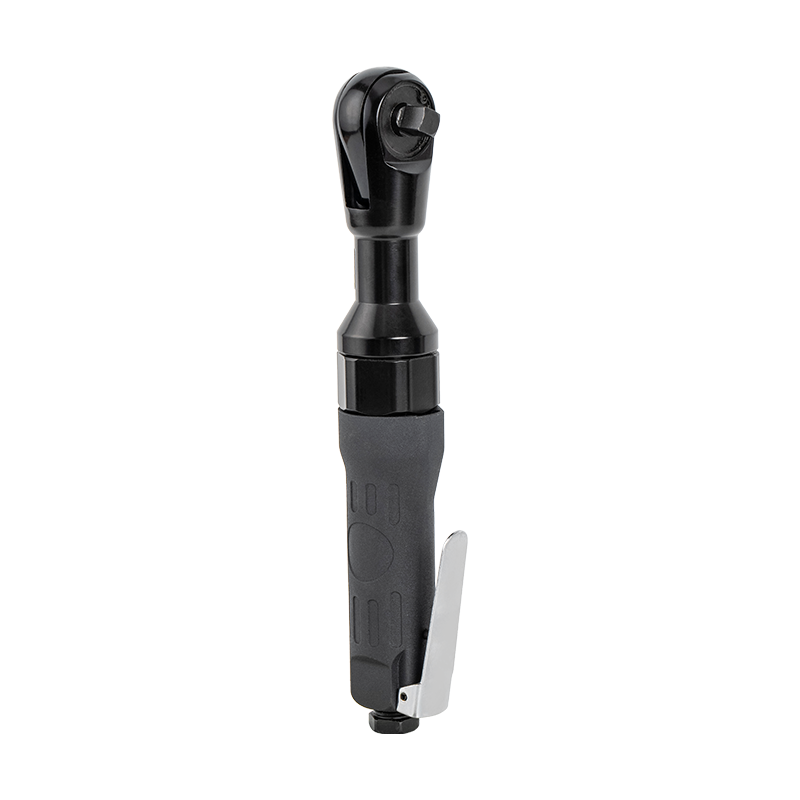
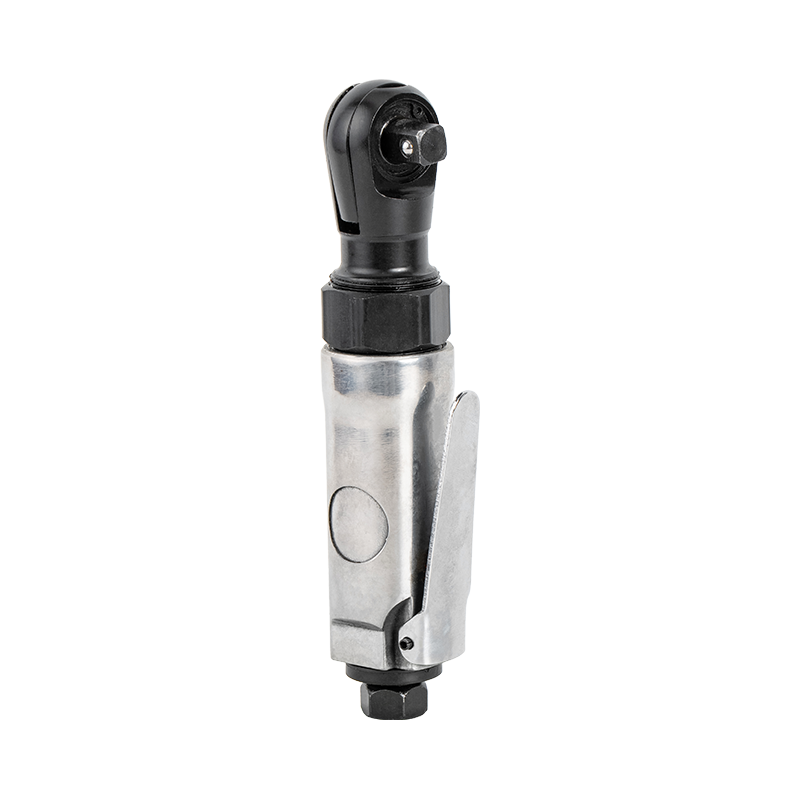
A pneumatic ratchet wrench is an air‑powered hand tool that uses a ratcheting mechanism to turn fasteners in a continuous rotational motion. It is driven by compressed air, typically at 90 PSI, which enters the tool through an air hose and powers a small air motor. This motor spins a gear train that drives the ratchet head, which engages sockets to turn fasteners.
Unlike impact wrenches that deliver hammering blows, a pneumatic ratchet wrench applies a steady, smooth torque. This makes it safer for use on softer metals, threaded assemblies, and applications where excessive vibration could damage components. The ratcheting mechanism allows the user to turn the fastener without repositioning the tool, as the head automatically releases in one direction and drives in the other.
Most air ratchets operate at free speeds of 150 to 300 RPM and produce torque from 30 to 100 ft‑lbs, though heavy‑duty models can reach higher. The tool is operated by a trigger that controls the air flow, giving the user precise control over speed and power. Some models feature a forward‑reverse lever to change direction quickly, while others include a variable‑speed trigger for fine control.
The compact design of a pneumatic ratchet wrench is one of its greatest assets. The head is relatively small and can often be fitted with sockets that are angled or swivelled to access tight spots. This makes it indispensable for working on engines, suspensions, and interior components where space is at a premium.
Pneumatic Ratchet Wrench vs. Electric Ratchet vs. Impact Wrench
To choose the right tool, it helps to compare the pneumatic ratchet wrench with its closest competitors: electric ratchets and impact wrenches.
Pneumatic Ratchet vs. Electric Ratchet: Both offer similar functionality, but pneumatic ratchets are generally lighter, more compact, and generate less heat during extended use. Electric ratchets require batteries or cords, which add weight and can be cumbersome. Pneumatic tools are powered by a hose, which provides unlimited runtime as long as the compressor is running. Electric ratchets are more portable for field work without a compressor, but they are often bulkier and have higher initial cost for battery and charger.
Pneumatic Ratchet vs. Impact Wrench: Impact wrenches deliver high torque through concussive blows, making them ideal for loosening rusted or overtightened fasteners. However, they can damage delicate threads or strip bolts if not controlled. Pneumatic ratchets provide smoother, more controlled torque, making them better for assembly work, final tightening, and applications where torque precision is important. Impact wrenches are louder and produce more vibration, while ratchets are quieter and easier on the hands.
Pneumatic Ratchet vs. Hand Ratchet: The advantage is speed and reduced fatigue. A pneumatic ratchet can turn fasteners in seconds that would take minutes with a manual ratchet, and it eliminates the repetitive motion that can lead to wrist and arm strain. For professionals who work with fasteners all day, the time savings and ergonomic benefits are substantial.
In practice, many workshops use a combination: impact wrenches for breaking loose stubborn fasteners, and pneumatic ratchets for the final tightening and all other fastening tasks where control and speed matter.
Key Applications of Pneumatic Ratchet Wrenches
Pneumatic ratchet wrenches are used across a wide range of industries and tasks. Their ability to apply controlled torque in confined spaces makes them invaluable in many professional settings.
Automotive Repair and Maintenance: This is the most common application. Mechanics use air ratchets to remove and install spark plugs, valve covers, transmission pans, intake manifolds, and many other components. The compact heads allow access to bolts hidden behind hoses and brackets. In suspension work, ratchets are used to tighten control arm bolts and sway bar links. The tool's speed dramatically reduces job times.
Motorcycle and Powersports: In the tight quarters of motorcycle engines and frames, pneumatic ratchets are essential. They allow technicians to work on engine cases, clutch covers, and brake calipers without constantly repositioning their hands.
Marine and Boat Repair: In marine applications, where access is often limited, air ratchets are used for engine mounts, outdrive components, and deck hardware. The corrosion‑resistant versions are available for saltwater environments.
Aerospace and Aviation: In aircraft maintenance, where precision and torque control are critical, pneumatic ratchets are used for panel fasteners, engine components, and structural bolts. The smooth torque application reduces the risk of damage to precision‑machined parts.
Industrial Assembly Lines: In manufacturing, pneumatic ratchets are used for assembly of machinery, appliances, and electronics. They ensure consistent torque application and fast cycle times.
Heavy Equipment and Construction: In construction equipment maintenance, air ratchets are used to service engines, hydraulic systems, and undercarriage components where high torque and access are needed.
DIY and Home Garage: Hobbyists and home mechanics increasingly use pneumatic ratchets to speed up projects and reduce fatigue. With the availability of affordable air compressors, many enthusiasts now own air ratchets.
How to Choose the Right Pneumatic Ratchet Wrench
Selecting the right pneumatic ratchet wrench depends on your specific needs and work environment. Here are the most important factors to consider.
Torque Output: Typical air ratchets produce between 30 and 100 ft‑lbs. For light automotive work, 30‑50 ft‑lbs is sufficient. For truck and heavy equipment, look for models with 70‑100 ft‑lbs. Remember that torque is affected by air pressure, so ensure your compressor can deliver the required PSI.
Speed (RPM): Free speed ranges from 150 to 300 RPM. Higher speeds are faster for turning fasteners, but lower speeds may provide better control for fine threads or delicate work. Consider the balance between speed and control for your typical tasks.
Size and Weight: The head size determines accessibility. Compact heads allow entry into tight spaces, while longer heads may offer more reach. Weight matters for extended use—lighter tools reduce fatigue. Look for models with composite housings that are lighter than all‑metal designs.
Drive Size: Most pneumatic ratchets use 3/8‑inch square drive, which is the standard for automotive work. Smaller 1/4‑inch drive models are available for light duty, and larger 1/2‑inch drive models for heavier applications. The drive size determines which sockets you can use.
Air Consumption: Measured in CFM (cubic feet per minute). Most ratchets consume 3‑5 CFM at 90 PSI. Ensure your compressor can supply this volume continuously, especially if you run multiple tools.
Direction Control: Look for a convenient forward/reverse lever that is easy to operate with one hand. Some models have a variable‑speed trigger for better control.
Noise and Vibration: Pneumatic tools can be noisy and produce vibration. Some models feature reduced noise levels and built‑in vibration dampening. For professional use, consider ergonomic features like rubber grips.
Quality and Brand: Reputable brands like Ingersoll Rand, Chicago Pneumatic, Aircat, and Snap‑on offer reliable tools with longer service life. Budget brands may be cheaper but often sacrifice power and durability.
Accessories: Some kits include sockets, extension bars, and swivel adaptors. While not essential, these can be a cost‑effective way to get started.
Proper Usage Techniques for Pneumatic Ratchet Wrenches
Using a pneumatic ratchet wrench effectively requires proper technique to get the best performance and avoid damaging fasteners or the tool itself.
Select the Correct Socket: Always use the correct size and type of socket. Deep sockets for recessed bolts, shallow sockets for standard heads, and impact‑grade sockets for impact tools. For air ratchets, standard chrome sockets are usually fine, but ensure they are in good condition and fit securely.
Set the Direction: Ensure the forward/reverse lever is in the correct position before engaging. Operating in the wrong direction can damage fasteners or the tool.
Start with Hand Tightening: Always start fasteners by hand (or with the ratchet on low speed) to avoid cross‑threading. Once the fastener is started, you can use the ratchet for final tightening.
Use Controlled Pressure: Avoid running the tool at full speed for the entire tightening process. Use a moderate speed for best control, especially for final torque. If you need a specific torque, always finish with a torque wrench.
Avoid Over‑Tightening: Pneumatic ratchets can easily over‑torque small fasteners. Pay attention to the feel and sound, and stop when the fastener is snug. For critical fasteners, use a torque wrench for final tightening.
Keep the Tool Straight: Apply force in line with the fastener axis to avoid side‑loading the ratchet head, which can cause wear and damage.
Disconnect Air When Not in Use: Always disconnect the air supply when changing sockets or making adjustments to prevent accidental operation.
Safety Precautions for Pneumatic Ratchet Wrenches
Like all power tools, pneumatic ratchet wrenches require careful handling to prevent injury and equipment damage.
Wear Eye Protection: Flying debris, such as rust or metal shavings, can cause serious eye injury. Always wear safety goggles or a face shield.
Hearing Protection: Pneumatic tools can exceed 80 dB, especially in enclosed spaces. Use earplugs or earmuffs to protect your hearing.
Gloves and Protective Clothing: Use gloves to protect your hands from sharp edges and hot surfaces. Wear a long‑sleeved shirt and durable pants.
Maintain Proper Air Pressure: Do not exceed the recommended air pressure (usually 90 PSI). Over‑pressurization can cause the tool to run at unsafe speeds and increase the risk of bursting.
Keep the Work Area Clean: Ensure the area is free of clutter and tripping hazards, especially the air hose. Keep flammable materials away from the work area.
Inspect the Tool Before Use: Check for damaged parts, frayed hoses, or loose connections. Do not use a damaged tool.
Disconnect When Not in Use: Always disconnect the air supply when changing sockets, performing maintenance, or leaving the tool unattended.
Do Not Modify the Tool: Never remove safety guards or alter the tool's design.
Maintenance and Troubleshooting
Proper maintenance extends the life of your pneumatic ratchet wrench and ensures reliable performance.
Lubrication: Add a few drops of pneumatic tool oil into the air inlet before each use. This lubricates the motor and prevents rust. Some models have an automatic lubricator; if not, manual oiling is required.
Clean After Each Use: Wipe the tool with a clean cloth to remove dirt and grease. Use compressed air to blow out any debris that may have entered the tool.
Check the Air Hose: Inspect the hose for cracks, kinks, or leaks. Replace worn hoses to prevent air loss and potential injury.
Replace Worn Parts: Over time, the ratchet head may wear, causing slippage. Replace worn parts promptly to maintain performance.
Periodic Disassembly: For heavy use, consider periodic disassembly by a qualified technician to clean and lubricate internal components.
Troubleshooting Common Problems: If the tool does not run, check the air supply and ensure the pressure is adequate. If it runs slowly, lubricate the tool and check for blockages. If it leaks air, inspect the seals and fittings. For persistent issues, consult the manufacturer's manual.
Frequently Asked Questions About Pneumatic Ratchet Wrenches
What is a pneumatic ratchet wrench?
A pneumatic ratchet wrench is a compressed air‑powered tool that uses a ratcheting mechanism to turn nuts and bolts with smooth, controlled torque. It is commonly used in automotive repair, assembly, and maintenance.
How does a pneumatic ratchet wrench differ from an impact wrench?
An impact wrench delivers concussive blows to generate high torque, making it suitable for loosening stubborn fasteners. A pneumatic ratchet provides smooth rotational power, making it better for assembly and final tightening where torque control is important.
What air pressure does a pneumatic ratchet require?
Most pneumatic ratchets are designed to operate at 90 PSI. Always refer to the manufacturer's specifications for the recommended pressure.
Can I use a pneumatic ratchet for loosening rusted bolts?
While a pneumatic ratchet can loosen moderate fasteners, heavily rusted or overtightened bolts often require an impact wrench for the initial break‑loose action.
What size drive should I choose?
The most common drive size is 3/8 inch for automotive use. For heavy duty, 1/2 inch is available, and for light work, 1/4 inch may suffice. Choose based on the sockets you already have and the typical fastener sizes you work with.
How do I lubricate my pneumatic ratchet?
Add 2‑3 drops of pneumatic tool oil into the air inlet before each use. This helps keep the motor lubricated and prevents rust. Some models have a built‑in oiler.
Is a pneumatic ratchet noisy?
Yes, pneumatic tools can be noisy, typically exceeding 80 dB. Always wear hearing protection when using them.
What is the typical torque output of a pneumatic ratchet?
Torque ranges from 30 to 100 ft‑lbs depending on the model. Light‑duty models are around 30‑50 ft‑lbs, while heavy‑duty versions can reach 100 ft‑lbs.
Can I use a pneumatic ratchet for final torque?
For applications requiring a specific torque setting, it is recommended to finish with a torque wrench. The pneumatic ratchet can be used to run the fastener close to spec, but the final tightening should be done with a calibrated torque wrench.
Do I need a compressor with a large tank?
Not necessarily. Most ratchets consume 3‑5 CFM at 90 PSI, so a compressor with a 20‑gallon tank and adequate CFM rating is usually sufficient for intermittent use. Continuous use may require a larger system.
Are pneumatic ratchets heavier than electric ones?
Generally, pneumatic ratchets are lighter than battery‑powered electric ratchets because they have no battery or heavy motor windings. However, they require an air hose, which can be cumbersome.
Can I use impact sockets with a pneumatic ratchet?
You can, but impact sockets are thicker and may not fit in tight spaces where a pneumatic ratchet is used. Chrome sockets are usually fine for the lower torque of a ratchet.
How do I store my pneumatic ratchet?
Store it in a clean, dry place. Disconnect the air supply and coil the hose neatly. Apply a few drops of oil to the inlet before storage to prevent corrosion.
What brands are reliable for pneumatic ratchets?
Ingersoll Rand, Chicago Pneumatic, Aircat, Snap‑on, and Blue‑Point are well‑regarded brands known for quality and durability.
Can I use a pneumatic ratchet in a dusty environment?
Yes, but regular cleaning and lubrication are essential to prevent dust from entering the motor and causing wear. Use the tool in a well‑ventilated area and blow out dust periodically.
Recommended products
-
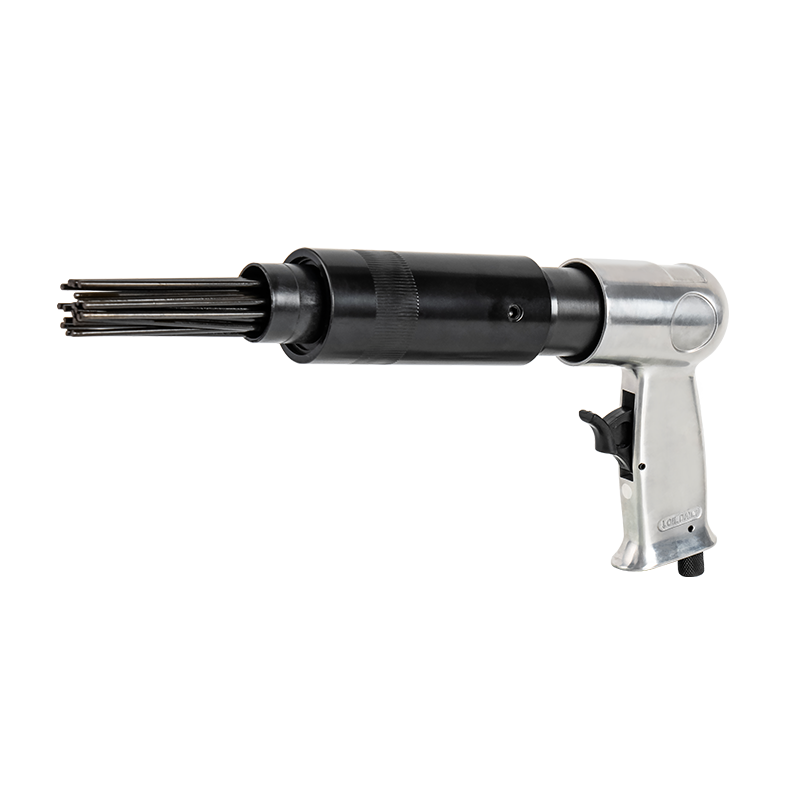
RH-464 Pneumatic Corner Needle Scaler
-
RH-460 Mini Compact Pneumatic Air Needle Scaler
-
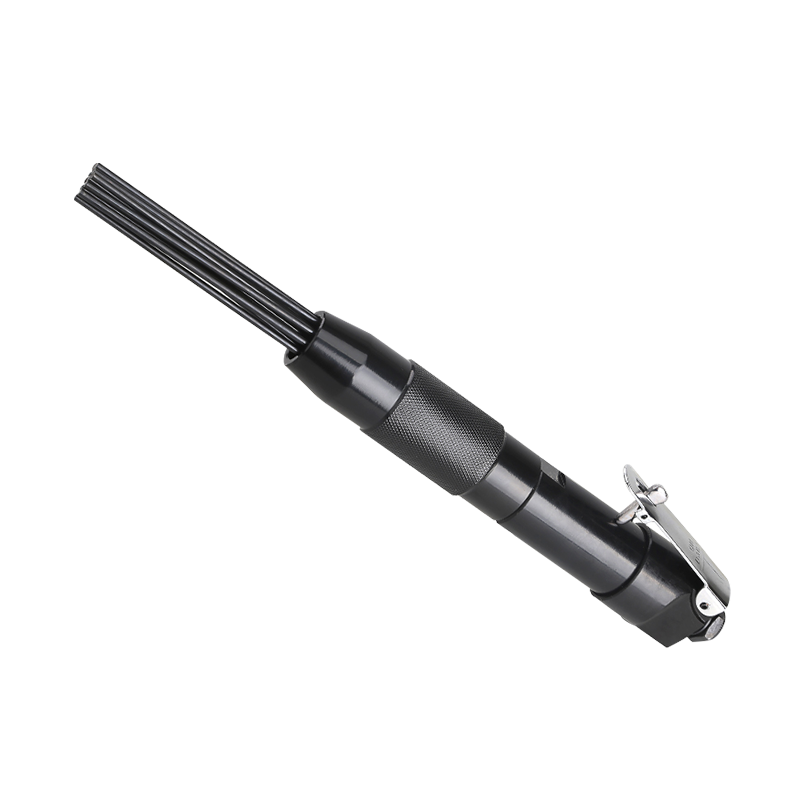
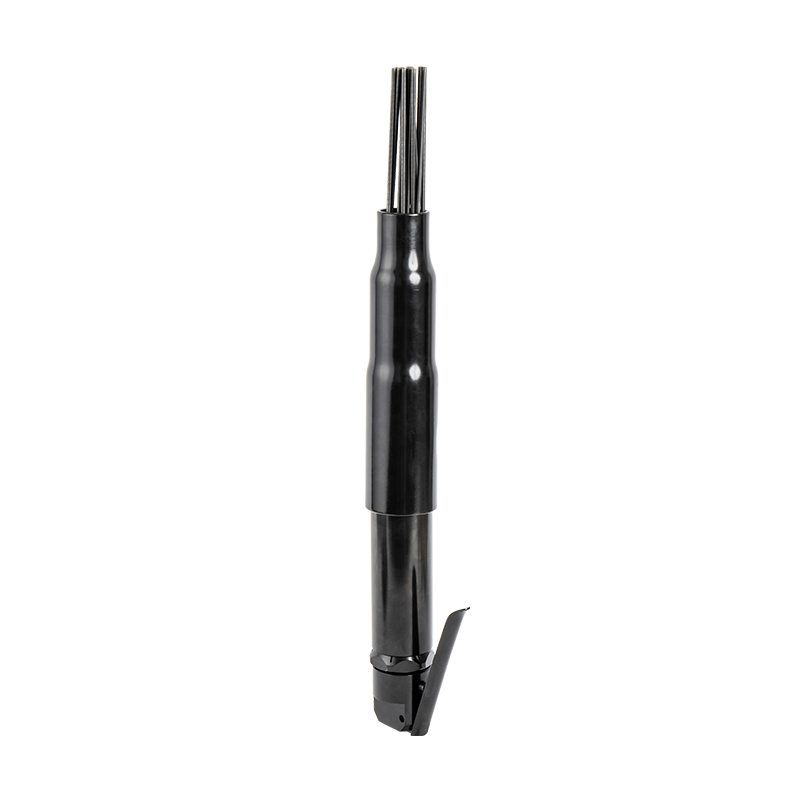
RH-462 Portable Industrial Straight Needle Scaler
-
RH-7034C Portable Pneumatic Chamfering Machine
-
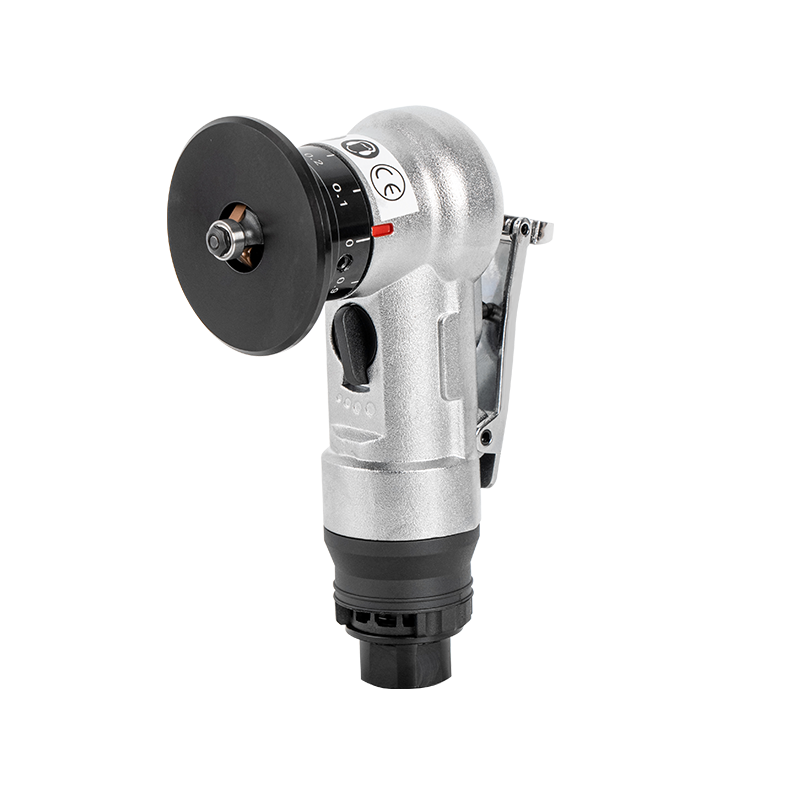
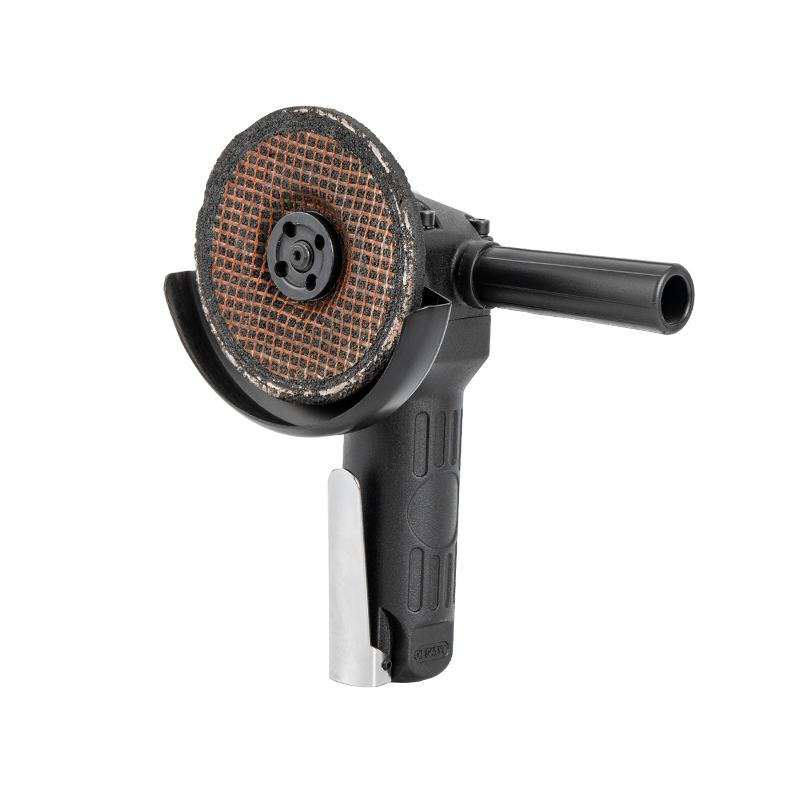
RH-7034B Central Pneumatic 4" Air Angle Grinder
-
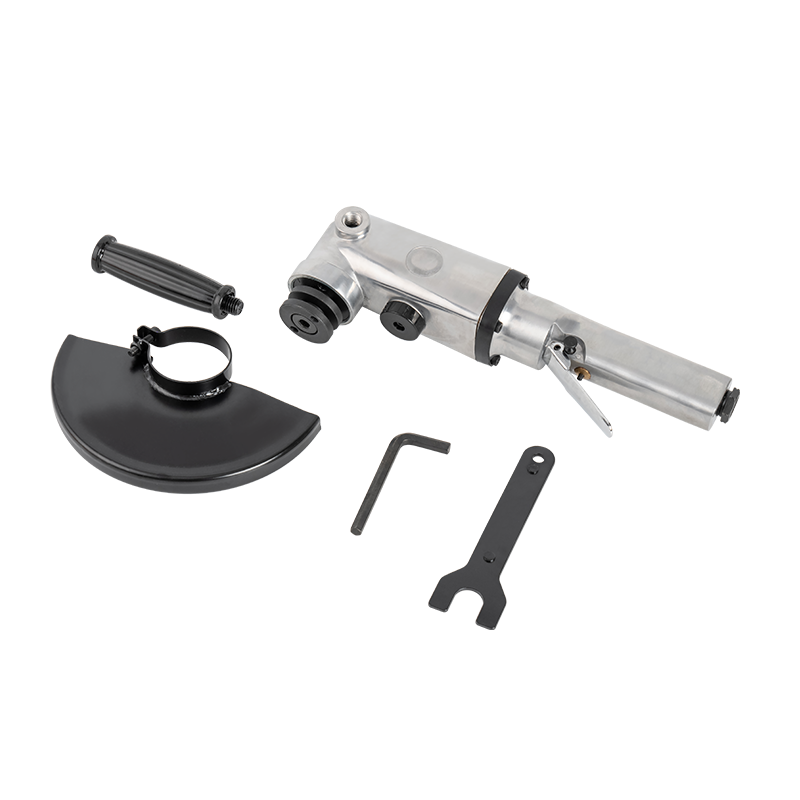
RH-7034D 7" Hand Held Angle Grinder
-
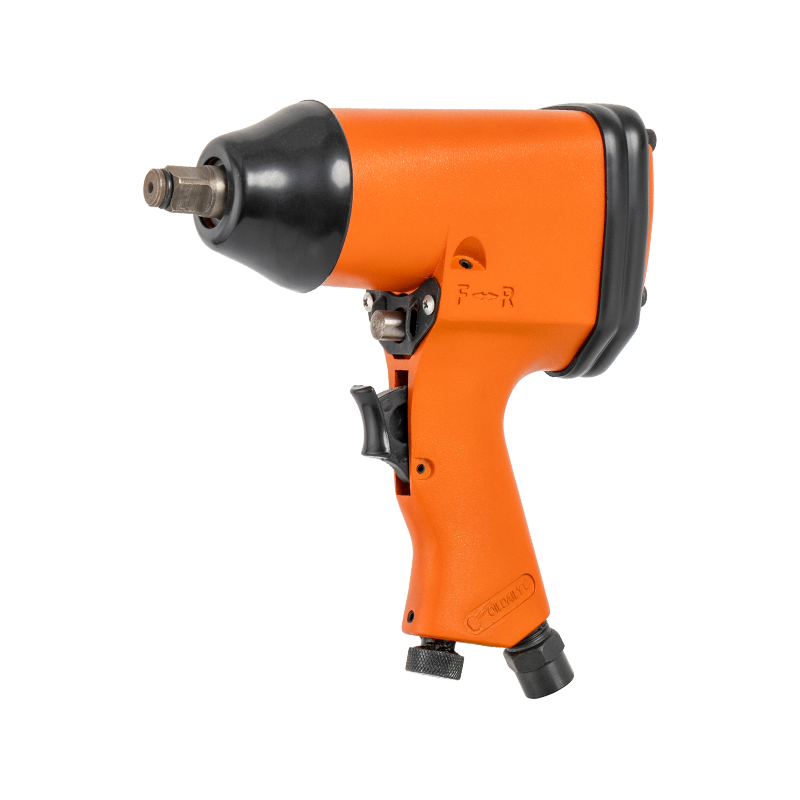
RH-160 1/2" Drive Single Hammer Air Pneumatic Impact Wrench
-
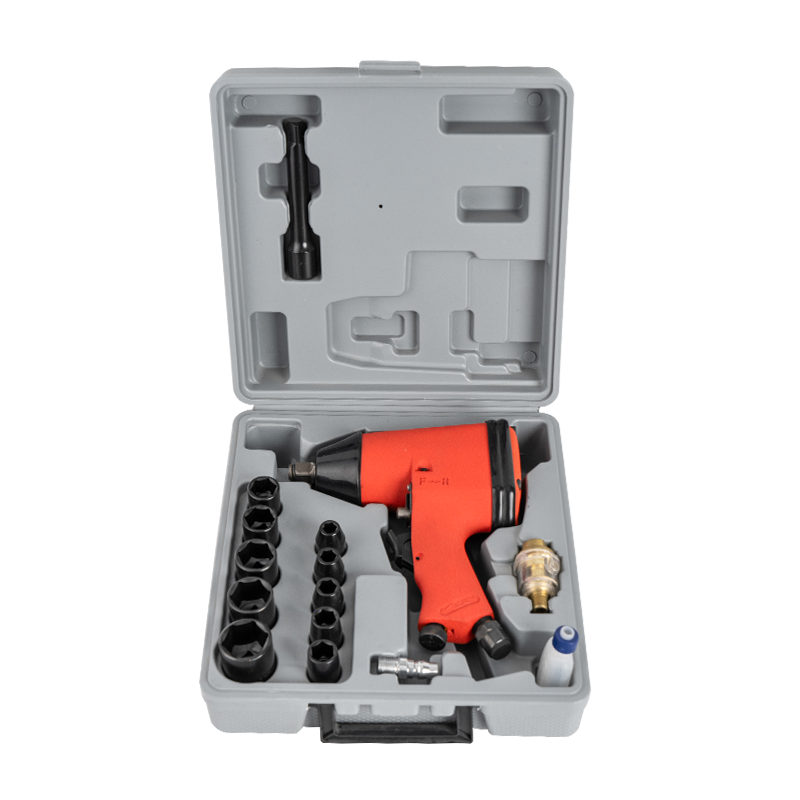
RH-160K Cordless Electric Rechargeable Air Impact Wrench Kit
-
RH-112 1/2" Universal Electric Ratchet Wrench Hand Tool
-
RH-128 1/2" High Torque Electric Ratchet Wrench
-
RH-138 3/8" Long Head Portable Cordless Electric Ratchet Wrench
-
RH-148 1/4" Electric Battery Ratchet Wrench
CONTACT OUR EXPERTS
AND GET A FREE CONSULTATION!
Ningbo Haishu Renhao Pneumatic Co., Ltd.
 Address: Jiangbei District Ningbo City in Zhejiang Province by the Keli industrial ParkL Building 15th
 Phone: +86-139 0668 0779
 Tel: +86-139 0668 0779
 Fax: +86-139 0668 0779
 E-mail:[email protected]


