


 عربى
عربى 中文简体
中文简体Search by posts
Calendar
Product Categories
Industry News
 By Admin
What Is a Pneumatic Needle Scaler and Why Is It Essential for Surface Preparation?
What Is a Pneumatic Needle Scaler and How Does It Work?
A pneumatic needle scaler is an air-powered tool that uses a cluster of hardened steel needles to blast away rust, mill scale, old paint, and weld spatter. Unlike grinders and sanders that remove material by abrasion, needle scalers work by rapid percussion—thousands of impacts per minute that shatter and dislodge surface coatings without cutting into the base metal.
Inside the tool's housing, a piston driven by compressed air oscillates at high speed—typically between 4,000 and 5,000 beats per minute (BPM). This piston drives a bundle of loose needles against the work surface. The number of needles typically ranges from 12 to 19, depending on the model.
What makes the needle scaler unique is that each needle independently follows the surface contour. The needles automatically adjust themselves to curves and irregularities, making the tool a good choice for cleaning irregular surfaces. A needle gun can clean an area to bare metal in seconds, and compares well to other scaling tools in terms of accuracy and precision.
In a pneumatic unit, compressed air forces a piston forwards and backwards. This movement causes the needles to move back and forth against the work surface. The needles vibrate rapidly to create a high-impact force that breaks up the coating, while the compressed air helps to blow away the debris.
Pneumatic Needle Scaler vs. Other Surface Preparation Tools
To understand the value of a pneumatic needle scaler, it helps to compare it with other common surface preparation tools.
Needle Scaler vs. Angle Grinder: Grinders remove material aggressively, which is great for cutting and heavy stock removal, but they can gouge or overheat thin metal. Needle scalers remove surface contaminants without removing base material, making them safer on structural steel, ship hulls, and anything where maintaining material thickness matters.
Needle Scaler vs. Wire Wheel: Wire wheels polish as they clean, which can smear surface contaminants into pores. Needle scalers lift and shatter coatings cleanly. For surfaces that need to be coated or painted afterward, needle scaling produces a better bonding profile than wire brushing.
Needle Scaler vs. Sandblaster: A sandblaster is faster for large flat areas and gives a uniform surface profile, but sandblasters need media, containment, and cleanup. Needle scalers need only compressed air—no media, no dust cloud, no containment setup. For spot repairs, weld cleanup, and small areas, a scaler is far more practical.
Needle Scaler vs. Chisel Hammer: Needle scalers use a set of thin, pointed rods that rapidly move back and forth to chip away at rust, paint, and scale from metal surfaces. They are particularly effective for cleaning irregular surfaces where the flexibility of the needles allows them to conform to contours and hard-to-reach areas. The action of a needle scaler is gentle enough to clean the surface without significantly damaging the substrate, making it a preferred choice for preservation and maintenance tasks. Chisel hammers, on the other hand, are designed to deliver more focused and forceful impacts with a single chisel tip for cutting, chipping, and breaking hard materials like concrete, stone, or thick rust and weld spatter. Choosing between a needle scaler and a chisel hammer depends on the specific requirements of the job.
In summary, needle scalers are best suited for cleaning and surface prep tasks where preserving the integrity of the material is important, and access to detailed or uneven surfaces is required.
Key Applications of Pneumatic Needle Scalers Across Industries
Pneumatic needle scalers are indispensable tools across a wide range of industries. Their ability to clean irregular surfaces quickly and effectively makes them valuable wherever metal surfaces need to be prepared for welding, painting, or inspection.
Shipbuilding and Marine Repair: Needle scalers are used extensively for removing rust and marine scale from hulls, decks, and ship structures. They can clean uneven steelwork and reach areas that are not flat or easily accessible.
Automotive Repair and Restoration: In the automotive industry, needle scalers are used for stripping rust and paint from frames, chassis, and exhausts. They are also used for preparing chassis, frames, and body panels by quickly removing stubborn rust, undercoating, and sealants. Their ability to access seams, joints, and confined areas makes them invaluable for automotive and mechanic workflows.
Welding and Metal Fabrication: Welders and metal fabricators use needle scalers for cleaning weld seams, removing weld slag and spatter, and preparing surfaces before repainting. The tool efficiently scales off weld slag and spatter to ensure clean, strong welds and smooth finishes.
Construction and Civil Engineering: Needle scalers are used for concrete cleaning, surface roughening, and rebar exposure. They can be used to lift old paint and undercoats and to texture concrete surfaces.
Industrial Equipment Maintenance: In industrial settings, needle scalers are used to remove hardened grease, oil buildup, or rust from machines. They are also used for cleaning cast steel, stone preparation, and surface prep prior to painting or coating processes.
Bridge and Steel Structure Maintenance: Needle scalers are essential for surface preparation before repainting or inspection of bridges and steel structures. They can also be used for corrosion removal and cleaning of cast steel.
Petrochemical and Refinery Work: In petrochemical and refinery environments, needle scalers provide safe cleaning of corroded pipes, tanks, and valves.
Railway and Military Maintenance: Railway technicians use needle scalers for removing rust or scale on train undercarriages or tracks. Military vehicle maintenance professionals use them for restoring armored surfaces and equipment exposed to harsh conditions.
Other applications include deburring and deflashing, graffiti removal, restoration of old and weathered surfaces, and removal of epoxy and polyurethane foam.
How to Choose the Right Pneumatic Needle Scaler
Selecting the right pneumatic needle scaler for your application involves evaluating several key factors. Here are the most important considerations.
Needle Count: Most models feature 12 to 19 needles. More needles cover more surface area per pass, making them faster on flat surfaces. Nineteen-needle models work faster on flat surfaces. For detailed work in tight corners, fewer needles provide more concentrated impact. More needles typically mean faster, more aggressive cleaning for larger areas, while fewer needles are better for precision work.
Needle Material: Standard hardened steel is best for general rust and paint removal. Stainless steel or brass needles are suitable for softer metals or explosive/hazard-sensitive environments.
Stroke Speed (BPM): Higher blows per minute means more aggressive and efficient material removal. Look for tools around 3,500 to 4,500 BPM for industrial-grade use. The 4,500 to 4,800 BPM range covers most applications.
Air Pressure and Consumption: Most pneumatic needle scalers require approximately 90 PSI. Air consumption varies by model, ranging from around 4 CFM to 16 CFM or more. Make sure your air compressor can deliver the required flow rate. A minimum hose size of 3/8 inch is typically recommended.
Ergonomic Design: If you are using the scaler for long hours, weight, grip, and vibration damping matter. Choose a tool that is balanced, not too heavy, and comfortable to hold. Look for rubber grips, balanced weight distribution, and manageable overall mass.
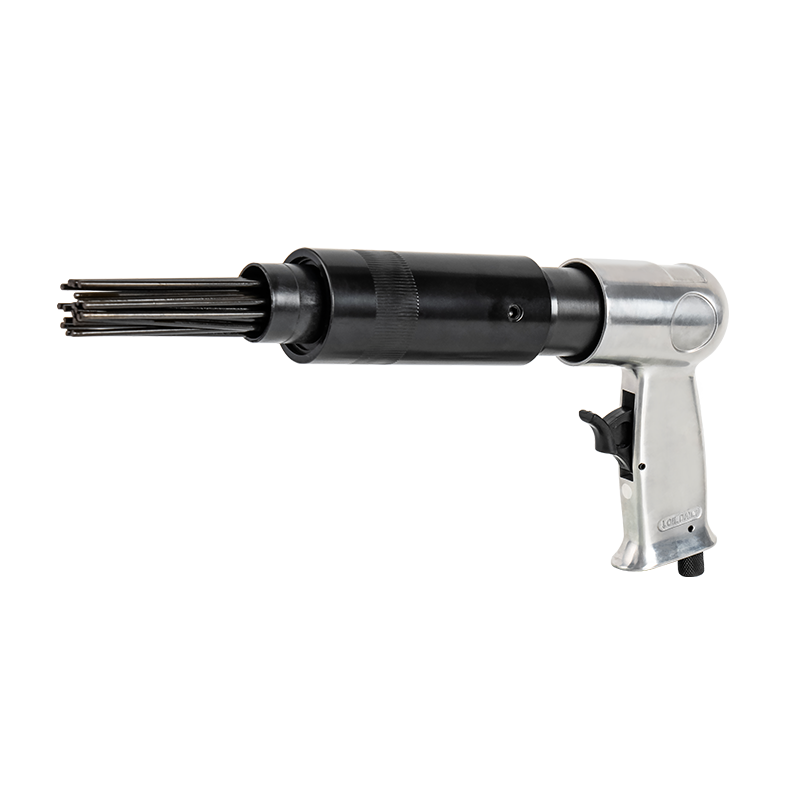
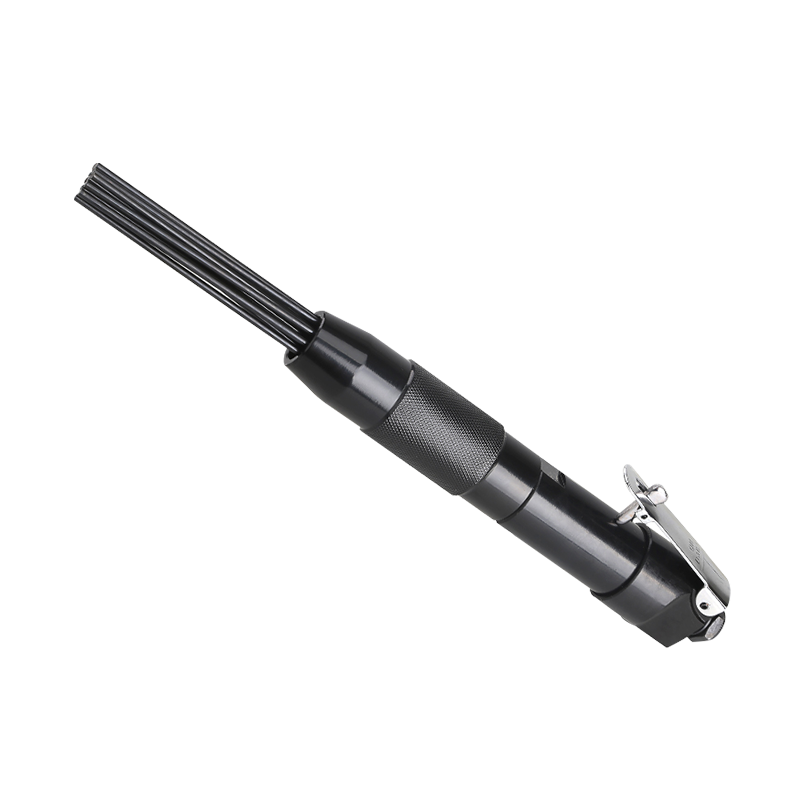
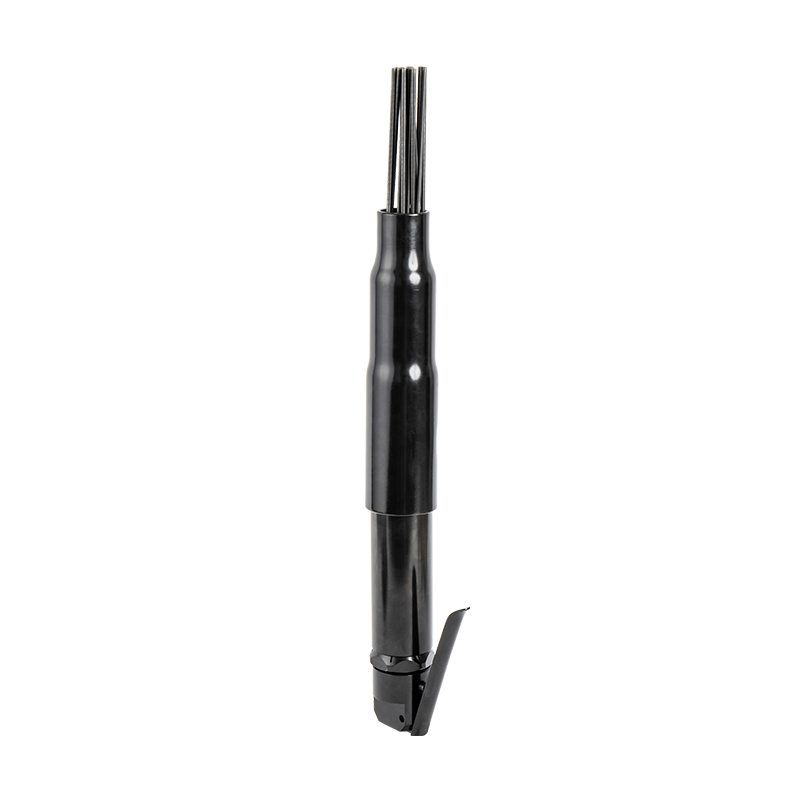
Body Style: Needle scalers are available in two main body types: straight shaft and pistol grip. Straight shaft scalers offer an extended reach into tight areas, while the pistol grip style delivers enhanced downward force but has limited reach. Compact models may be easier to control for light rust removal or shorter maintenance tasks, while heavier-duty versions with more needles can support faster material removal on larger or tougher surfaces.
Additional Features: Some models include an adjustable needle cover that enables maximum utilization of needles. Others can be easily transformed into a chipping hammer by changing the attachment. Some kits include a chisel attachment for switching between scaling and chipping tasks.
Safety Precautions for Operating a Pneumatic Needle Scaler
Pneumatic needle scalers are powerful tools that can be loud and produce flying debris, so proper safety precautions are essential.
Wear Appropriate Personal Protective Equipment (PPE): Eye protection is critical—always wear safety goggles or a face shield to protect against flying particles. Needle scalers are noisy, often exceeding 100 dB, so use earplugs or earmuffs. Anti-vibration or cut-resistant gloves protect your hands from vibration and sharp debris. If working on lead-based paint or rust, a dust mask or respirator is essential to prevent inhalation of harmful particles.
Inspect the Tool Before Each Use: Check that all parts are secure and undamaged. Make sure the needles are straight and not worn down. Test the air connection to ensure there are no leaks.
Use Proper Air Pressure: Consult the manufacturer's specifications for the correct operating pressure, usually between 90 and 100 PSI. Too much pressure can damage the tool and reduce control, while too little will affect performance. Ensure the air supply is clean and does not exceed the recommended pressure.
Maintain a Firm Grip and Stable Stance: Hold the tool firmly with both hands to maintain control. Keep your body balanced and avoid awkward positions that may lead to loss of control. Maintain correct balance and footing, and ensure the floor is not slippery.
Avoid Pointing the Tool at Others: Treat the scaler like any other power tool: never point it at yourself or coworkers. Disconnect the air supply before making adjustments or changing needles.
Operating Techniques: Hold the tool at a 45° angle to maximize impact efficiency and help prevent gouging the surface. Work in short passes, move the scaler steadily, and avoid pressing too hard to let the tool do the work. Avoid overworking the area, as excessive chipping can damage the surface underneath. Clear away loose objects from the work area and make sure surfaces are stable. When working indoors, ensure good airflow or use an exhaust system to reduce airborne dust and contaminants.
Do Not Operate if Tired or Under the Influence: Never operate a needle scaler if you are tired or under the influence of alcohol, drugs, or intoxicating medication.
Maintenance and Troubleshooting for Long Tool Life
Proper maintenance is the key to keeping your pneumatic needle scaler in peak condition. Regular upkeep helps extend tool life, maintain efficiency, and reduce the risk of breakdowns.
Lubricate Regularly: Add a few drops of pneumatic tool oil into the air inlet before each use. This reduces internal friction, prevents rust, and ensures smooth operation. Use only air tool-specific lubricants.
Clean After Each Use: Wipe down the exterior of the scaler to remove dust, paint chips, or metal fragments. Use compressed air to blow out debris from hard-to-reach areas.
Inspect and Replace Needles: Needles wear down over time, becoming less effective or even dangerous. Replace bent or shortened needles with new ones—preferably in full sets to maintain balance. Worn needles reduce effectiveness and may damage the tool's piston over time.
Check for Air Leaks: Periodically inspect air hoses and connections for leaks. If you notice decreased output, check for loose connections and make sure that the air supply is providing enough air flow (CFM) at the required pressure (PSI) to the tool's air inlet.
Troubleshooting Common Issues: If the tool has decreased output, the air valve may be closed or obstructed. Open the valve and clear any obstructions, flush the tool with gum solvent, and if the problem persists, disassemble, clean, and lubricate internal parts.
Storage: Keep the scaler in a dry, clean location to avoid moisture damage.
Frequently Asked Questions About Pneumatic Needle Scalers
What is a pneumatic needle scaler?
A pneumatic needle scaler, also known as a needlegun scaler or needle-gun, is a compressed air-powered tool that uses a bundle of steel needles to remove rust, mill scale, old paint, and weld slag from metal surfaces through rapid percussive action.
How does a pneumatic needle scaler work?
Compressed air drives a piston that oscillates at 4,000 to 5,000 beats per minute, which in turn drives a bundle of 12 to 19 steel needles against the work surface. Each needle independently follows the surface contour, making the tool highly effective on irregular surfaces.
What is the difference between a needle scaler and a chisel hammer?
Needle scalers use multiple needles to clean surfaces without significantly damaging the substrate, making them ideal for preservation and maintenance tasks. Chisel hammers deliver more focused, forceful impacts with a single chisel tip for cutting, chipping, and breaking hard materials like concrete or thick rust.
What industries use pneumatic needle scalers?
Needle scalers are used in shipbuilding and marine repair, automotive repair and restoration, welding and metal fabrication, construction, industrial equipment maintenance, bridge and steel structure maintenance, petrochemical and refinery work, and railway and military maintenance.
Can a needle scaler be used on concrete?
Yes, needle scalers are tough tools and can be used to both lift old paint and undercoats and to texture concrete surfaces.
What air pressure does a pneumatic needle scaler require?
Most pneumatic needle scalers require approximately 90 PSI. Always consult the manufacturer's specifications for the correct operating pressure.
How many needles should a needle scaler have?
Most models feature 12 to 19 needles. More needles provide faster coverage on flat surfaces, while fewer needles offer more concentrated impact for detailed work in tight corners.
How do I maintain my pneumatic needle scaler?
Lubricate the tool daily with pneumatic tool oil, clean it after each use, inspect and replace worn needles, and check for air leaks regularly.
Is a needle scaler better than a grinder for rust removal?
Needle scalers remove surface contaminants without removing base material, making them safer on structural steel and thin metal where maintaining material thickness matters. Grinders can gouge or overheat thin metal.
Can a needle scaler be used for weld cleaning?
Yes, needle scalers are excellent for cleaning weld seams, removing weld slag and spatter, and preparing surfaces before repainting.
What safety equipment do I need when using a needle scaler?
You need safety goggles or a face shield, ear protection (earplugs or earmuffs), anti-vibration or cut-resistant gloves, and a dust mask or respirator when working with lead-based paint or rust.
What angle should I hold a needle scaler?
Hold the tool at a 45° angle to the work surface to maximize impact efficiency and help prevent gouging.
Can I use a needle scaler on soft metals?
For softer metals, stainless steel or brass needles are recommended instead of standard hardened steel to avoid damaging the substrate.
What is the typical lifespan of a pneumatic needle scaler?
With proper maintenance—regular lubrication, cleaning, and timely needle replacement—a quality pneumatic needle scaler can last for many years of professional use.
Where can I buy replacement needles for my needle scaler?
Replacement needle sets are available from most pneumatic tool suppliers and manufacturers. It is recommended to replace needles in full sets to maintain balance and performance.
Recommended products
-
RH-464 Pneumatic Corner Needle Scaler
-
RH-460 Mini Compact Pneumatic Air Needle Scaler
-
RH-462 Portable Industrial Straight Needle Scaler
-
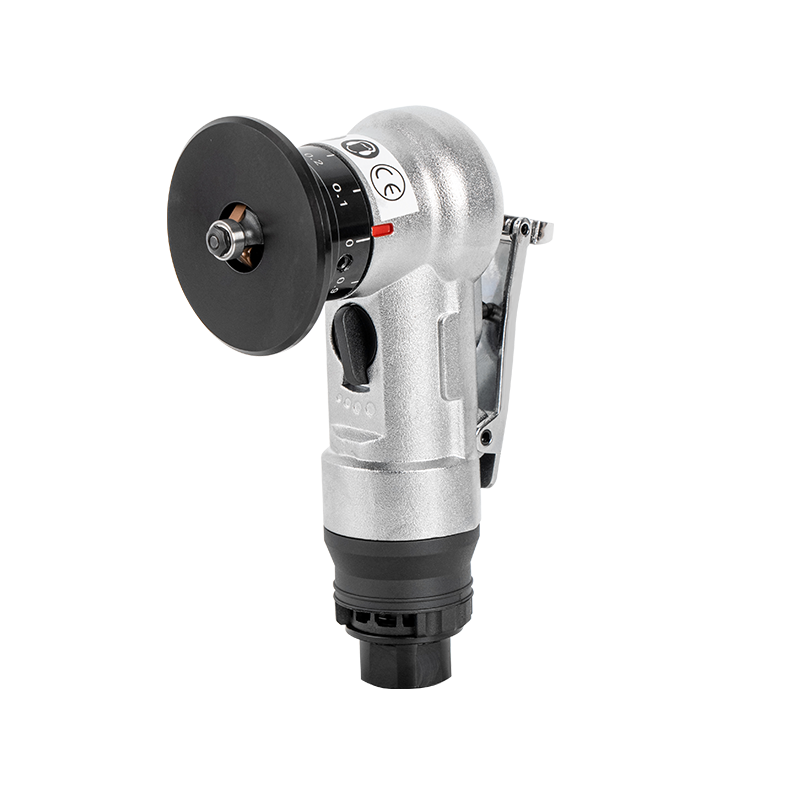
RH-7034C Portable Pneumatic Chamfering Machine
-
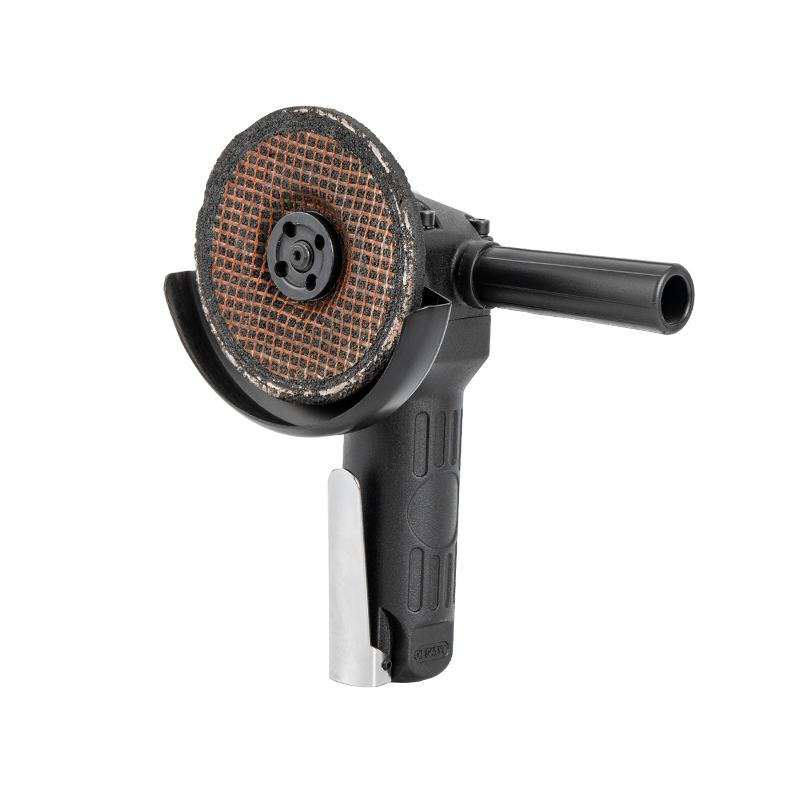
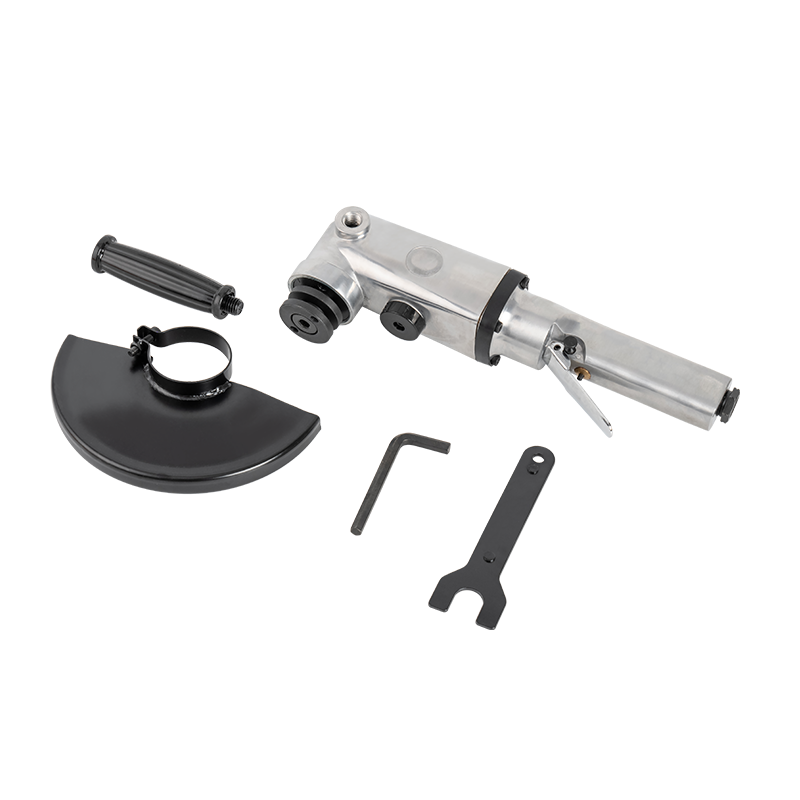
RH-7034B Central Pneumatic 4" Air Angle Grinder
-
RH-7034D 7" Hand Held Angle Grinder
-
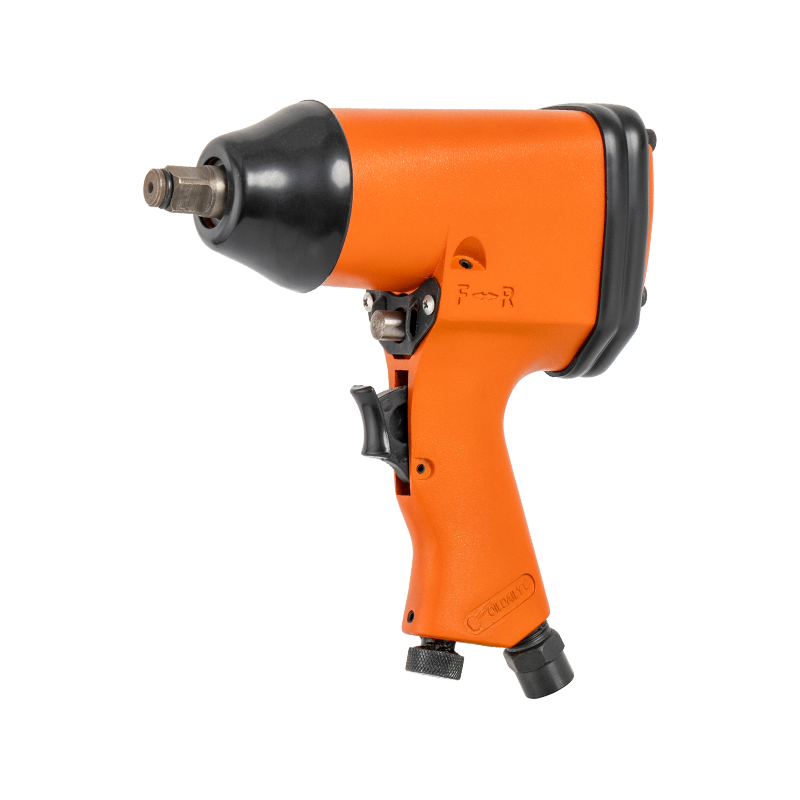
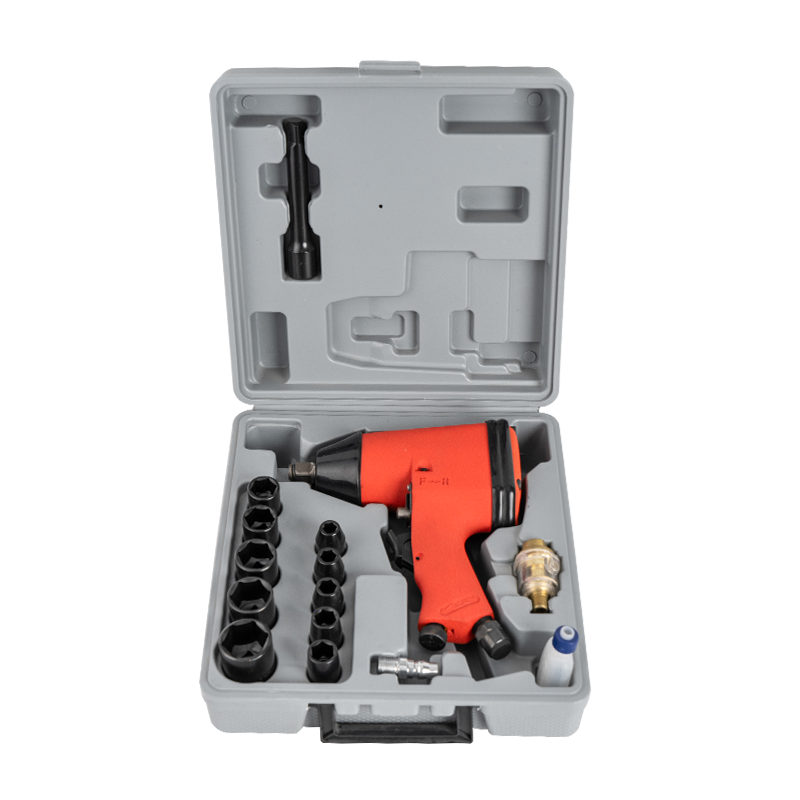
RH-160 1/2" Drive Single Hammer Air Pneumatic Impact Wrench
-
RH-160K Cordless Electric Rechargeable Air Impact Wrench Kit
-
RH-112 1/2" Universal Electric Ratchet Wrench Hand Tool
-
RH-128 1/2" High Torque Electric Ratchet Wrench
-
RH-138 3/8" Long Head Portable Cordless Electric Ratchet Wrench
-
RH-148 1/4" Electric Battery Ratchet Wrench
CONTACT OUR EXPERTS
AND GET A FREE CONSULTATION!
Ningbo Haishu Renhao Pneumatic Co., Ltd.
 Address: Jiangbei District Ningbo City in Zhejiang Province by the Keli industrial ParkL Building 15th
 Phone: +86-139 0668 0779
 Tel: +86-139 0668 0779
 Fax: +86-139 0668 0779
 E-mail:[email protected]


