The short answer to what impact drills are used for is that they deliver rapid rotational bursts of torque to drive or remove fasteners quickly, and in the case of hammer style versions, add a forward hammering motion to break through masonry and concrete. The specific tool you need depends on the job: an Air Impact Wrench is built for high torque nut and bolt work such as automotive lug nuts and heavy fastener removal, a Pneumatic Drill handles general rotary drilling in metal, wood, and plastic, and a pneumatic hammer drill combines rotation with a hammering action specifically for masonry and concrete.
The terms air impact drill and pneumatic impact drill are generally used interchangeably across the industry to describe air powered rotary impact tools, though the exact tool referenced can vary by manufacturer naming convention. The sections below break down each tool category in detail, compare their strengths, cover compressor sizing and safety practices, and explain how to choose the right one for your specific project.
What Impact Drills Are Used For: Core Applications
Impact drills and impact wrenches use a mechanism that delivers rotational force in rapid concentrated bursts rather than continuous steady torque, which allows them to drive stubborn fasteners without the operator needing to apply significant manual pressure or torque themselves.
Common Real World Applications
- Automotive repair, including wheel lug nut removal and installation
- Heavy equipment maintenance where bolts are exposed to rust and corrosion
- Structural steel assembly on construction sites
- Masonry and concrete drilling for anchor bolts and fixtures
- Assembly line production work requiring repeated fastening at high speed
Beyond these headline applications, impact tools also see regular use in agricultural equipment maintenance, marine repair, and general contracting work wherever bolted connections need to be assembled or disassembled efficiently under field conditions rather than in a controlled workshop environment.
Why Impact Mechanisms Outperform Standard Drills for Fasteners
A standard rotary drill applies continuous torque through the chuck, which means the operator's wrist absorbs the reaction force whenever a fastener suddenly binds or seizes. An impact mechanism instead stores energy in a rotating hammer weight and releases it in short, powerful rotational strikes, transferring that force directly into the fastener rather than back into the operator's hand. This is why impact tools can loosen a badly seized bolt that would stall a standard drill or even snap its chuck under the reaction torque.
Industries That Rely Heavily on Impact Tools
Beyond individual tasks, entire industries structure their workflows around impact tool capability. Tire service centers depend on impact wrenches to turn around a full set of wheel changes in minutes rather than the much longer time hand tools would require. Heavy equipment dealerships and repair shops rely on high torque impact tools to service undercarriage and frame fasteners on machinery where corrosion and years of exposure to dirt and moisture make manual removal impractical. Structural steel erection crews use impact wrenches throughout a building frame assembly, since the sheer volume of bolted connections in a modern steel structure would be prohibitively slow to complete with hand tools alone.
Air Impact Wrench: How It Works and Where It Excels
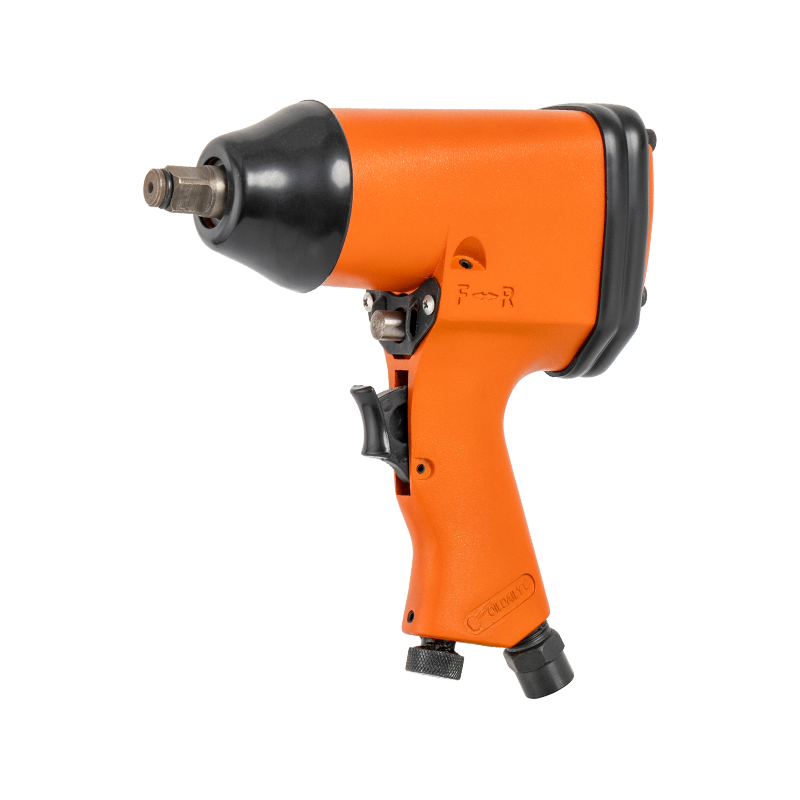
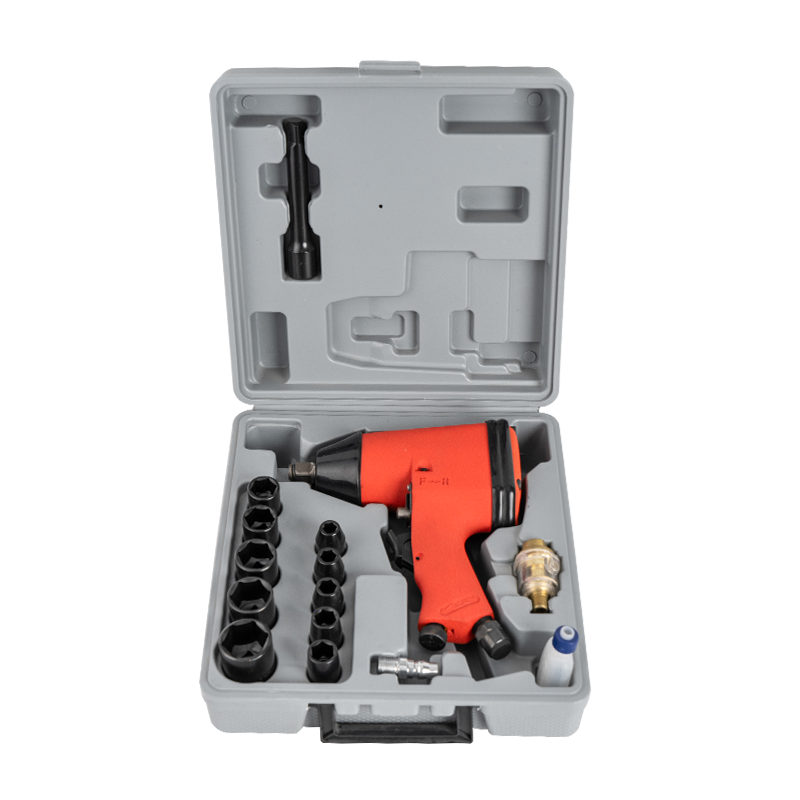
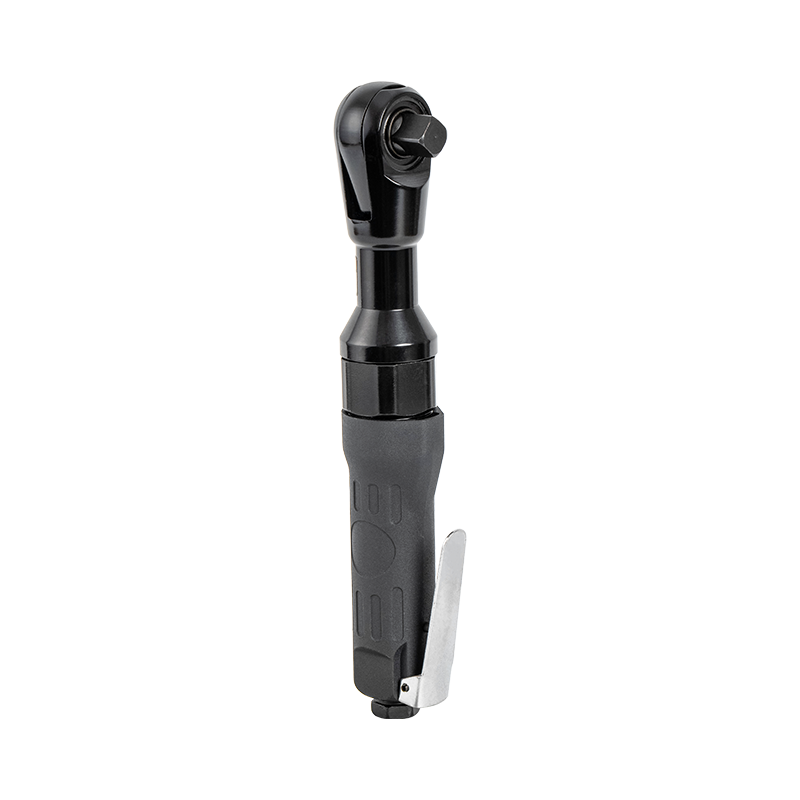
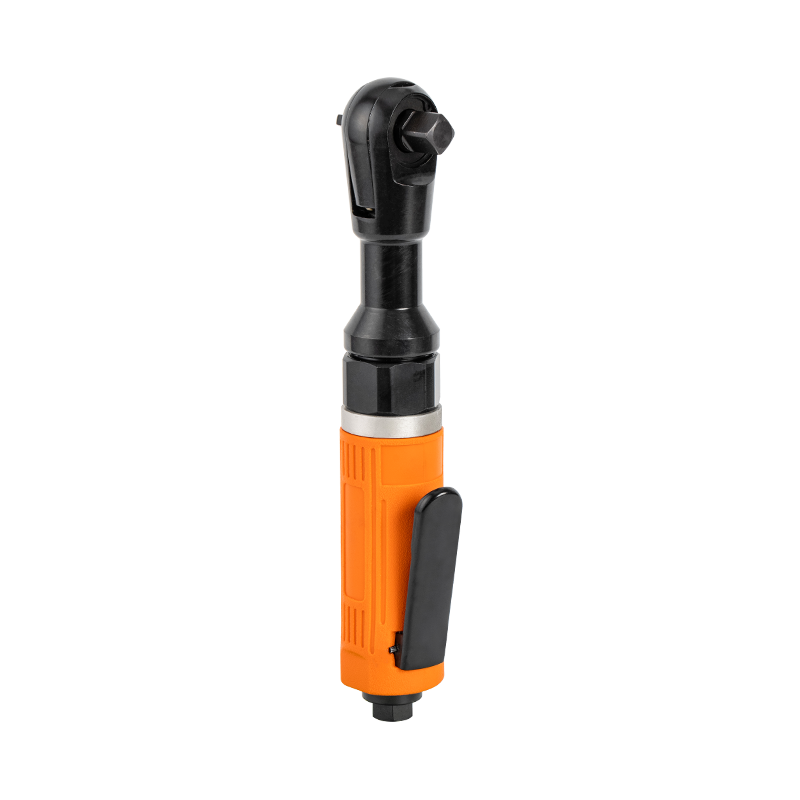
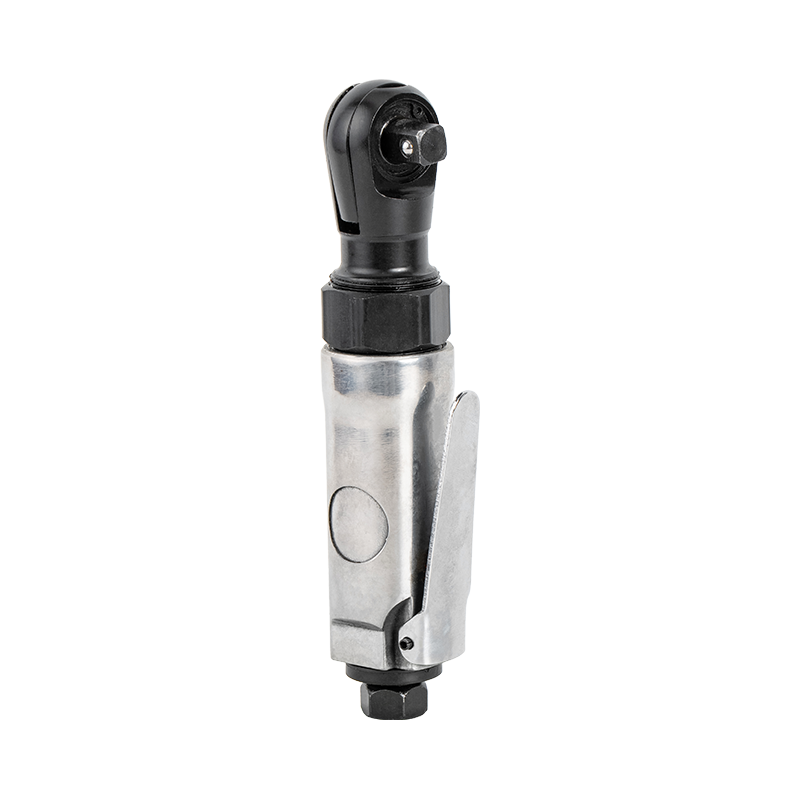
An Air Impact Wrench is purpose built for high torque fastener work, using a square drive head fitted with sockets rather than a standard drill chuck. Compressed air spins an internal hammer mechanism that strikes an anvil connected to the drive, delivering short bursts of extremely high torque with minimal recoil felt by the operator.
Typical Torque Output
Air impact wrenches commonly range from around 300 newton meters on compact models suited to light automotive work, up to 1,300 newton meters or more on heavy duty industrial models used for large truck and equipment fasteners. This wide output range means selecting a model with torque matched to the fastener size involved is important, since an underpowered wrench will struggle with heavily torqued bolts while an oversized wrench can overtighten and damage smaller fasteners.
Drive Size and Application Matching
| Drive Size |
Typical Application |
| Quarter inch |
Small fasteners, light assembly work |
| Three eighths inch |
General automotive repair and maintenance |
| Half inch |
Lug nuts, suspension work, most professional shops |
| Three quarter inch and one inch |
Heavy truck, industrial, and structural fastener work |
Common air impact wrench drive sizes and their typical applications
Twin Hammer Versus Single Hammer Mechanisms
Internally, air impact wrenches typically use either a single hammer or a twin hammer mechanism to deliver their rotational strikes. A twin hammer design balances the impact forces across two opposing hammers rather than one, which generally produces a smoother feel for the operator and reduces vibration transmitted through the tool body during extended use. Single hammer designs tend to be simpler and more compact, often favored in smaller tools where minimizing size and weight matters more than smoothing out vibration for occasional use, though this comes at some cost to long term operator comfort during heavy daily use.
Reverse Function and Variable Speed Control
Nearly all air impact wrenches include a forward and reverse function, allowing the same tool to both tighten and loosen fasteners without swapping equipment. Many models also offer variable speed or multiple power settings, letting the operator dial back torque output for smaller fasteners that could otherwise be overtightened or damaged if the tool always ran at maximum output regardless of the task.
Pneumatic Drill: General Category and Common Uses
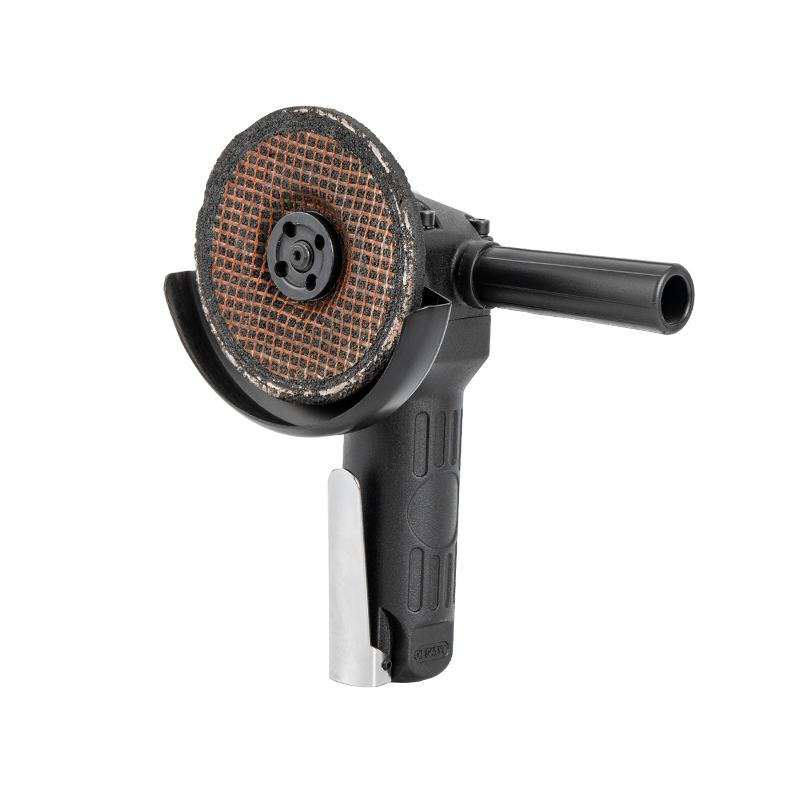
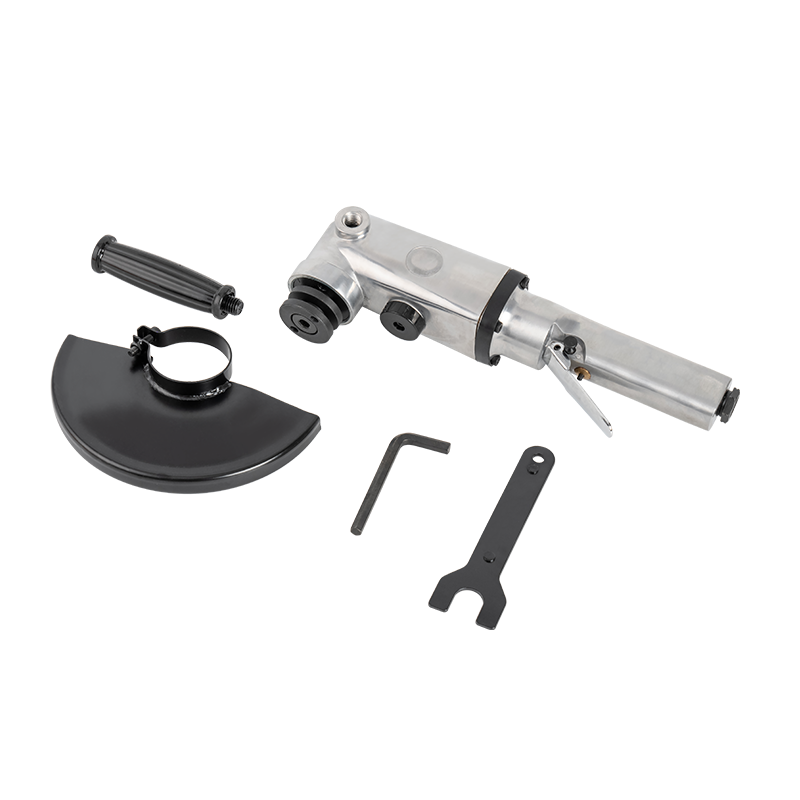
A Pneumatic Drill refers more broadly to any air powered rotary drilling tool, encompassing everything from lightweight handheld drills used for general fabrication work to heavier duty models designed for repeated production drilling.
Advantages Over Electric Drills
Pneumatic drills generally offer a better power to weight ratio than comparable electric drills, since an air motor is lighter than an electric motor delivering equivalent output. They also run cooler under sustained use, since compressed air does not generate the same heat buildup in the motor windings that continuous electric motor use can cause, making pneumatic drills well suited to high volume production drilling in fabrication shops where a tool may run for hours at a time across a full production shift.
Common Settings Where Pneumatic Drills Are Standard Equipment
- Metal fabrication shops drilling repeated holes across sheet or plate stock
- Aircraft maintenance and assembly, where precise, low vibration drilling is required
- Shipbuilding and heavy marine fabrication work
- Automotive body shops for panel and frame work
Speed and Bit Compatibility
Pneumatic drills are commonly available across a range of speed ratings, with higher speed models suited to smaller diameter holes in softer materials and lower speed, higher torque models better suited to larger diameter holes or harder metals where excessive speed would generate too much heat at the cutting edge. Most models accept standard drill bit shank sizes through a keyed or keyless chuck, making them compatible with the same bits used in electric drills, which simplifies tooling for shops that stock a shared bit inventory across both drill types.
Angle and Right Angle Configurations
Beyond the standard straight body design, pneumatic drills are also available in right angle configurations that position the chuck perpendicular to the tool body. This layout proves useful in confined spaces, such as drilling inside an engine bay or a tight structural cavity, where a straight drill simply would not fit or maneuver into the correct position to reach the work surface.
pneumatic hammer drill: Masonry and Concrete Applications
A pneumatic hammer drill adds a forward and backward hammering motion to standard rotation, allowing the bit to pulverize hard material such as concrete or brick as it turns, rather than relying on rotation alone to cut through the surface.
Why Hammering Action Matters for Masonry
Concrete and masonry materials resist standard rotary cutting because they are brittle rather than ductile, meaning they do not shear cleanly the way metal or wood does. A hammering action fractures the material directly in front of the bit, allowing the rotating cutting edges to clear the resulting debris, which is dramatically more effective than rotation alone for this material type, often cutting drilling time in dense concrete by a significant margin compared to a non hammer tool attempting the same hole.
Typical Uses for a Pneumatic Hammer Drill
- Drilling anchor bolt holes into concrete foundations
- Installing electrical conduit runs through masonry walls
- Setting fixtures and brackets into brick or block construction
- Light demolition work on tile, plaster, or thin masonry sections
Bit Types Used With Hammer Drills
Masonry bits used with a pneumatic hammer drill feature a carbide tip designed to withstand the repeated impact forces without chipping or dulling as quickly as a standard steel bit would. Bit shank styles vary depending on the tool's chuck system, with some hammer drills using a standard round shank compatible with general purpose bits and others using a specialized locking shank system designed specifically for higher power hammer applications where a standard chuck could not securely hold the bit under repeated impact loads, particularly on larger diameter bits used for anchor bolt installation.
Impact Energy and Blows Per Minute
Hammer drill performance in masonry is often described in terms of impact energy, typically measured in joules, alongside a blows per minute rating describing how frequently the hammering action strikes. Higher impact energy generally correlates with faster drilling in dense concrete, while a higher blows per minute rating tends to produce a smoother, more controlled drilling experience in softer masonry materials such as brick or block.
air impact drill Versus pneumatic impact drill: Are These the Same Tool
In practice, air impact drill and pneumatic impact drill refer to the same underlying tool category, both describing an air powered rotary tool that uses an internal impact mechanism to deliver bursts of torque. The naming difference generally reflects regional or manufacturer preference rather than a meaningful technical distinction between two separate tool types.
Where Confusion Sometimes Arises
Confusion can arise because some manufacturers use impact drill to describe a chuck style tool intended for general drilling with occasional fastener driving capability, while others use the same term interchangeably with impact wrench for square drive fastener tools. When shopping for a specific tool, checking whether the product uses a standard chuck, a hex bit holder, or a square drive head is the most reliable way to confirm exactly what type of tool is being described, regardless of which naming convention the listing uses.
Checking Manufacturer Specifications Rather Than Relying on Product Names
Because naming conventions vary so widely across brands and regions, the most reliable approach when purchasing any pneumatic impact tool is to review the full specification sheet rather than relying on the product title alone. Key specifications to compare include maximum torque output, drive or chuck type, blows per minute, free speed, and required air consumption. Comparing these figures directly across candidate tools, regardless of what each is called, ensures the tool purchased actually matches the intended application rather than assuming compatibility based on naming alone.
Comparing Air Impact Wrenches, Pneumatic Drills, and Hammer Drills
| Tool Type |
Primary Motion |
Best Suited For |
| Air Impact Wrench |
Rotational impact only |
Nuts, bolts, high torque fasteners |
| Pneumatic Drill |
Continuous rotation |
Metal, wood, plastic drilling |
| Pneumatic Hammer Drill |
Rotation plus forward hammering |
Concrete, masonry, brick |
Comparison of primary motion and best applications across common pneumatic impact tools
Understanding this distinction prevents a common and costly mistake, using a standard air impact wrench on masonry work where a hammer drill is needed, or attempting to drive heavily torqued fasteners with a general purpose pneumatic drill not built for that load.
Weight and Handling Differences
Beyond function, these three tool categories also differ meaningfully in weight and handling characteristics. Compact air impact wrenches designed for automotive work are generally the lightest of the three, often under 1.5 kilograms, allowing extended one handed use during repetitive fastener work. Pneumatic hammer drills tend to be the heaviest due to the reinforced internal components needed to withstand repeated impact forces, and this added weight, combined with the reactive force of the hammering action, is why many hammer drill models include a side handle for two handed control during operation.
Price Range Across Tool Categories
| Tool Type |
Entry Level |
Professional Grade |
| Air Impact Wrench |
50 to 100 US dollars |
150 to 400 plus US dollars |
| Pneumatic Drill |
40 to 90 US dollars |
120 to 350 plus US dollars |
| Pneumatic Hammer Drill |
70 to 140 US dollars |
200 to 500 plus US dollars |
Approximate price ranges across pneumatic impact tool categories by quality tier
Choosing the Right Tool for Your Job
Matching the correct tool to the task at hand saves time, reduces the risk of damaging fasteners or materials, and prevents unnecessary wear on equipment not designed for a particular job.
Choose an Air Impact Wrench If
- You are working with nuts and bolts rather than screws or drilled holes
- Fasteners are heavily torqued, rusted, or otherwise difficult to remove by hand
- You need consistent, repeatable torque output across many fasteners
A Practical Example From Automotive Work
Consider a tire shop handling a routine wheel rotation. Removing five lug nuts per wheel across four wheels by hand with a lug wrench could easily take several minutes per wheel, especially if any nuts are corroded or overtightened from a previous service. A half inch drive air impact wrench completes the same job in a fraction of that time per wheel, which is precisely why virtually every professional tire service operation relies on this tool rather than manual methods for routine wheel work.
Choose a Pneumatic Drill If
- You need to create new holes in metal, wood, or plastic
- Precision and control matter more than raw torque
- You are working in production or assembly settings requiring repeated identical drilling
Choose a Pneumatic Hammer Drill If
- You are drilling into concrete, brick, or other masonry material
- The job involves setting anchors or fixtures into a hard structural surface
- Light demolition work is part of the project scope
When None of These Three Is the Right Choice
It is also worth noting when a pneumatic impact tool is not the appropriate choice at all. Delicate finish work, precision electronics assembly, or tasks requiring very fine torque control at low output are generally better served by manual tools or specialized electric torque drivers designed for that level of precision, since the impact mechanism in these pneumatic tools is fundamentally built around delivering strong bursts of force rather than gentle, finely graduated control.
Air Compressor Requirements for Pneumatic Impact Tools
Every pneumatic tool depends entirely on the compressor supplying it, and undersizing this equipment is one of the most common reasons a pneumatic tool underperforms despite being a quality unit.
Airflow and Pressure Needs by Tool Type
| Tool Type |
Typical Airflow Requirement |
| Compact air impact wrench |
3 to 4 cubic feet per minute at 90 PSI |
| Standard half inch impact wrench |
4 to 6 cubic feet per minute at 90 PSI |
| Heavy duty industrial impact wrench |
6 to 10 cubic feet per minute at 90 PSI |
| Pneumatic hammer drill |
4 to 8 cubic feet per minute at 90 PSI |
Approximate compressor airflow requirements for common pneumatic impact tools
Running an undersized compressor causes the tool to lose torque exactly when needed most, during the heaviest resistance point of a stuck fastener or the deepest point of a masonry hole, so matching compressor capacity to tool demand is worth confirming before starting a job rather than discovering the shortfall midway through.
Hose Diameter and Length Considerations
Compressor output capacity is only part of the equation, since a hose that is too narrow or too long can create pressure drop between the compressor and the tool, effectively starving the tool of air even when the compressor itself is adequately sized. A larger internal diameter hose, generally three eighths inch or half inch for most impact tools, minimizes this pressure loss compared to a smaller quarter inch hose more suited to lighter duty tools such as spray guns or small pneumatic staplers. Keeping hose runs as short as practical, and using quality quick connect fittings rated for the tool's airflow needs, further reduces the chance of a bottleneck between the compressor and the tool itself.
Running Multiple Tools From One Compressor
On job sites where multiple pneumatic tools may operate simultaneously, total compressor capacity needs to account for the combined airflow demand of every tool likely to run at once, not just the single largest tool in isolation. Underestimating this combined demand is a common cause of frustrating performance issues on busy job sites, where tools that work fine individually all suffer reduced performance the moment a second or third tool is engaged from the same compressed air supply.
Safety Practices When Using Pneumatic Impact Tools
The high torque and hammering forces these tools generate mean safe handling practices matter significantly for both operator safety and tool longevity.
- Wear eye protection at all times, since fragments from masonry drilling or fastener corrosion can travel at significant speed
- Use hearing protection during extended sessions, as pneumatic tools generate substantial noise from both the motor and exhaust air
- Confirm sockets and bits are rated for impact use specifically, since standard hand tool sockets can shatter under impact loads
- Disconnect the air supply before changing sockets, bits, or performing any adjustment
- Maintain a firm, stable stance when using a hammer drill, since the reciprocating force can cause the tool to walk or shift unexpectedly
Maintenance for Long Term Reliability
Adding a few drops of pneumatic tool oil to the air inlet before each use keeps the internal motor properly lubricated, significantly extending service life. An inline air filter and moisture trap protects the tool's internal components from water contamination that would otherwise cause corrosion over time, and this small addition to a compressor setup often pays for itself many times over in extended tool lifespan.
Signs a Tool Needs Servicing
Watching for early warning signs allows a tool to be serviced before a minor issue develops into a full failure. A noticeable drop in torque output despite adequate compressor supply, unusual rattling or grinding sounds from the internal mechanism, or excessive heat buildup during normal use all suggest internal wear that warrants inspection. Many manufacturers offer rebuild kits containing the internal hammer components and seals most prone to wear, allowing a professional grade tool to be restored to close to original performance at a fraction of full replacement cost, often extending a quality tool's useful working life by several more years of regular service.
Storage Between Uses
Storing pneumatic tools in a dry environment, ideally with a light coating of oil on any exposed metal surfaces, prevents surface rust from developing during periods of storage. Disconnecting the tool from the air line while not in use, rather than leaving it connected to a pressurized system indefinitely, also reduces long term wear on internal seals that would otherwise remain under constant pressure even when the tool itself is idle.
Pneumatic Versus Electric and Cordless Alternatives
Buyers researching impact tools often also consider corded electric or battery powered cordless alternatives, and understanding where pneumatic tools still hold a clear advantage helps inform that broader purchasing decision.
Sustained Duty Cycle Advantage
Pneumatic tools generally outperform both corded and cordless electric alternatives during sustained heavy use, since the air motor does not build up the same internal heat that eventually forces an electric motor to slow down or shut off to protect its windings. Production environments running tools continuously across a full shift, such as tire shops or assembly lines, consistently favor pneumatic tools for this reason.
Where Cordless Tools Make More Sense
For mobile or occasional use where dragging an air hose to the job location is impractical, a cordless impact wrench or drill offers meaningful convenience despite generally trailing pneumatic tools in maximum sustained torque output. Field service technicians, home users, and anyone working across scattered locations without existing compressed air infrastructure often find the tradeoff worthwhile, accepting somewhat lower peak performance in exchange for full mobility.
Cost Considerations Across Power Types
The pneumatic tool itself is often the least expensive of the three power types for a given performance tier, but this comparison only tells part of the story if a compressor is not already available, since the additional cost of a suitable compressor needs to be factored into the total investment for anyone building out a pneumatic tool setup from scratch rather than adding to an existing shop air system.
Final Considerations Before Purchasing
Before finalizing a purchase decision, it helps to step back and confirm the full picture of intended use rather than focusing narrowly on a single specification like torque or price. Consider how frequently the tool will be used, whether it needs to travel between job sites or remain fixed in one shop location, and whether the existing compressed air infrastructure can adequately support it.
Buying for Occasional Versus Daily Use
A homeowner tackling an occasional project has very different needs than a professional technician using a tool daily across an entire career. For occasional use, a mid tier tool balances cost and capability reasonably well, while daily professional use justifies investing in a higher tier tool with better internal components, a longer warranty, and availability of individual replacement parts, since the total cost of ownership over years of heavy use often favors the higher upfront investment.
Reading Reviews From Similar Use Cases
When researching specific models, prioritizing feedback from buyers with a similar use case, whether automotive, construction, or general fabrication, tends to be more useful than generic star ratings alone, since a tool that performs well for light home use may fall short under the sustained demands of daily professional work, and the reverse can also be true where an industrial grade tool feels unnecessarily heavy and expensive for someone with only occasional light duty needs.
Frequently Asked Questions
1. What impact drills are used for in automotive repair specifically?
In automotive repair, impact tools are primarily used for removing and installing wheel lug nuts, suspension bolts, and other heavily torqued fasteners that would be difficult or slow to loosen with hand tools alone.
2. What is the difference between an Air Impact Wrench and a standard air drill?
An air impact wrench uses a square drive head fitted with sockets and delivers short bursts of very high torque for nuts and bolts, while a standard air drill uses a chuck to hold drill bits and applies continuous rotation for creating holes.
3. Can a Pneumatic Drill be used on concrete?
A standard pneumatic drill without hammer action is not well suited to concrete, since rotation alone struggles against brittle masonry material. A pneumatic hammer drill, which adds a forward hammering motion, is the appropriate tool for this material.
4. Are air impact drill and pneumatic impact drill the same tool?
Yes, these terms generally describe the same category of air powered rotary impact tool, with the naming difference coming down to manufacturer or regional preference rather than a meaningful technical distinction.
5. How much torque does a typical air impact wrench produce?
Torque output commonly ranges from around 300 newton meters on compact models to 1,300 newton meters or more on heavy duty industrial units, so matching the tool's rating to the fastener size involved is important.
6. What size air compressor do I need for a pneumatic hammer drill?
Most pneumatic hammer drills require a compressor capable of sustaining roughly 4 to 8 cubic feet per minute of airflow at 90 PSI, though exact requirements vary by specific tool model and manufacturer specification.
7. Can regular sockets be used with an air impact wrench?
No, standard chrome hand tool sockets are not rated for impact use and can shatter under the repeated high force impacts, so impact rated sockets, typically black oxide finished, should always be used with these tools.
8. Why does my pneumatic tool lose power during use?
Power loss during use is most commonly caused by an undersized compressor unable to sustain adequate airflow under load, though a clogged air filter or a leak in the hose connection can also cause this symptom.
9. Is a pneumatic hammer drill louder than a standard pneumatic drill?
Yes, the added hammering mechanism generally produces more noise than a standard rotary drill, which is why hearing protection is particularly recommended during extended hammer drilling sessions.
10. How do I maintain a pneumatic impact drill for long term use?
Adding pneumatic tool oil to the air inlet before each use, keeping an inline moisture trap on the air line, and inspecting the tool's housing and bits regularly for wear are the main practices that keep a pneumatic impact drill running reliably over years of use, particularly on tools used daily in a professional shop setting.



 عربى
عربى 中文简体
中文简体 By Admin
 Address: Jiangbei District Ningbo City in Zhejiang Province by the Keli industrial ParkL Building 15th
 Phone: +86-139 0668 0779
 Tel: +86-139 0668 0779
 Fax: +86-139 0668 0779
 E-mail:[email protected]

