


 عربى
عربى 中文简体
中文简体Search by posts
Calendar
Product Categories
Industry News
 By Admin
What Do Pneumatic Tools Run On? Compressed Air Power, Explained Simply
Every pneumatic tool in a workshop or factory — an impact wrench, die grinder, needle scaler, air drill, belt sander, angle grinder — runs on compressed air supplied by an air compressor. That is the direct answer: pneumatic tools do not run on batteries, mains electricity, or fuel. The energy that drives them comes from air that has been compressed, stored under pressure, and then released through the tool's internal motor to produce rotary or reciprocating motion. This single fact shapes how pneumatic tools behave, how they are rated, and what you need to have in place before you can use them properly. The practical consequence is that a pneumatic tool is only as good as the air system behind it. You can spend more on a heavy-duty tool and still get weak performance if the compressor, hose, fittings, or regulator are not matched to its requirements. Understanding what runs a pneumatic tool is therefore not a theoretical exercise; it affects the speed, torque, finish quality, and working life of every air tool you own. A pneumatic tool does not generate its own power. It receives compressed air through a hose and converts the stored energy of that air into mechanical movement. The compressor performs the energy input: it takes ordinary ambient air, squeezes it into a smaller volume, and pushes it into a receiver tank where it waits at a pressure well above atmospheric. When you press the trigger on a pneumatic tool, that pressurised air flows into the tool and acts on internal components — spinning vanes in a rotary air motor, a piston in an impact mechanism, or a valve-controlled hammer in a reciprocating tool. The air expands and does work on these parts, and then exits through the exhaust port, usually carrying heat and moisture away with it. What matters here is that the tool is a conversion device, not a power source. If you connect a pneumatic tool to a compressor that cannot deliver enough pressure or enough volume, the tool will run weakly, stall, overheat, or fail to produce rated torque. This is why specifications such as PSI and CFM exist and why they are printed on pneumatic tool packaging and data sheets. The same principle applies across the whole family of pneumatic tools. Whether the tool is a compact engraving pen or a large twin-hammer impact wrench, the physics is identical: pressurised air enters, applies force to internal moving parts, and converts that force into high-speed rotation, hammering, or thrust. If you want a broader overview of how pneumatic tools fit into industrial maintenance and manufacturing work, our article on what is a pneumatic tool explains the main categories in more detail. Two ratings control whether a pneumatic tool will perform as intended: pressure, measured in PSI (pounds per square inch), and flow, measured in CFM (cubic feet per minute). These numbers answer two separate questions. PSI tells you how much force each square inch of air exerts on the tool's internal components. CFM tells you how much air the tool consumes to sustain that force continuously. A pneumatic tool needs both: enough pressure to push hard, and enough flow to keep pushing as the air escapes through the exhaust. Think of it as a water nozzle. Pressure is the force behind the water; flow is how much water comes out each minute. You can have high pressure with low flow, which gives a sharp but thin jet, or high flow with low pressure, which gives a wet but weak spray. A pneumatic tool sits at the intersection of both. The compressor must be able to produce the required pressure, and the hose, fittings, regulator, and tank must allow the required flow to reach the tool without the pressure falling below the tool's minimum operating level. Most pneumatic tools are designed to operate at around 90 PSI. Some nail guns and staplers work at 70 to 100 PSI, while heavier tools such as impact wrenches may recommend 90 to 100 PSI. Flow requirements vary much more widely, from about 2 CFM for a small nailer to 12 CFM or more for a needle scaler or a large angle grinder. The table below gives representative ranges for common pneumatic tool categories. When a manufacturer lists a CFM value, it is usually measured at the tool's inlet with the tool running free at its rated pressure. Some manufacturers advertise CFM at higher pressures, such as 100 or even 120 PSI. Compare figures at the same pressure, and remember that continuous heavy use draws more air than light intermittent use. This is why a compressor that seems large enough for a single tool can turn out to be undersized when a second tool runs at the same time on the same line. Since pneumatic tools run on compressed air, the air compressor is the heart of the system. Its job is to raise the air pressure to a usable level and keep supplying that pressure while the tool consumes air. Compressors come in several configurations, but for workshop and light industrial use, two broad types dominate: reciprocating piston compressors and rotary screw compressors. Reciprocating compressors use a piston driven by a motor to compress air inside a cylinder. They are common in workshops, automotive garages, and small production lines because they are relatively affordable, simple to maintain, and available in a wide range of tank sizes. Rotary screw compressors use two meshing helical rotors to compress air continuously. They are quieter and better suited to near-continuous operation, which is why larger manufacturing facilities and dedicated pneumatic tolling stations usually select them. For most users with one or two pneumatic tools, a well-selected reciprocating compressor with an appropriately sized tank is perfectly sufficient. The tank matters just as much as the pump. The tank does not create energy; it stores compressed air so that the pump does not have to run every time you pull the trigger. When you operate a pneumatic tool, air leaves the tank and the pressure in the tank begins to drop. The compressor motor then cycles on to rebuild the pressure. A larger tank provides a bigger buffer, which helps when a tool draws a high burst of CFM, like a needle scaler or an angle grinder. A compressor with a small tank and a weak pump will cycle on and off constantly and struggle to keep up with continuous use. Matching the compressor to the tool set is a matter of planning. Work through these steps before you buy anything: Many buyers make the mistake of reading the compressor's advertised peak horsepower and assuming that the tool will receive that much air. The figure that actually matters is the compressor's delivered CFM at the operating pressure of the tool, which manufacturers usually print in the specification table. If a compressor delivers only 4 CFM at 90 PSI and you connect a belt sander that needs 7 CFM, the sander will run slowly and lose power as soon as it starts removing material. The tool is not faulty; the air supply simply is not large enough. Because pneumatic tools run on compressed air rather than electricity, they have a different set of characteristics from their electric and battery-powered counterparts. The differences are not purely academic; they influence which tool is the right choice for a given job. An electric tool carries an electric motor, a gearbox, and often a battery pack. A pneumatic tool carries only a lightweight air motor. The result is that pneumatic tools are usually lighter for the same power class, and the weight that does exist tends to be better balanced. For an operator who spends hours grinding, sanding, or driving fasteners, the reduced fatigue is a genuine productivity advantage. The air hose adds a small drag, but a properly suspended hose or a swivel fitting at the tool inlet reduces that annoyance considerably. Electric motors generate heat internally, and heat limits how long a tool can run before it needs a rest. Compressed air, by contrast, expands inside the tool and actually carries heat away as it exhausts. This is why pneumatic tools are so often chosen for continuous industrial processes: they do not have the duty cycle restrictions that limit handheld electric tools. In applications like rust removal, weld cleaning, and surface finishing, where the tool may run for extended stretches, the pneumatic design has a clear advantage. Pneumatic impact wrenches and impact drivers produce high torque through a hammer-and-anvil mechanism driven by an air motor. The torque curve is different from electric tools because the impact mechanism delivers short, powerful rotational impulses rather than a continuous twisting force. This makes pneumatic impact tools effective on stubborn fasteners while keeping the reaction force low for the operator. For heavy fastening work on trucks, trailers, construction equipment, and production assembly, pneumatic impact wrenches remain a preferred choice. The initial investment for pneumatic tools is generally lower than for equivalent electric or battery tools. The real cost sits in the compressor and the air distribution system. Once that infrastructure exists, however, adding a new pneumatic tool is inexpensive, and individual tools tend to survive longer because they lack electrical components that burn out. Battery tools have the advantage of portability and zero setup time, but batteries wear out and must be replaced periodically. If you already own a compressor, pneumatic tools usually offer the lowest marginal cost per new tool. Between the compressor and the tool lies an air line made of hose, fittings, and often a filter-regulator-lubricator unit (FRL). Every part of this path influences how well the pneumatic tool performs. The most common performance problem in a pneumatic system is not a bad tool or a small compressor; it is pressure loss in the air line. Hose internal diameter is the first variable. A 1/4-inch hose with a length of 25 feet can deliver enough air for a small nailer, but it will starve a die grinder or impact wrench. A 3/8-inch hose is the practical minimum for most general workshop tools, and a 1/2-inch hose is advisable for high-consumption tools such as needle scalers, large sanders, and impact wrenches on long lines. Longer hoses increase resistance, so if you need a 50-foot reach, increase the hose diameter by one step to compensate. Pressure drop is proportional to hose length and inversely related to internal diameter, so the simplest way to protect tool performance is to use the shortest, thickest hose that the job reasonably allows. Quick-connect couplings are another source of restriction. Inexpensive couplings with narrow internal passages can cut CFM noticeably, especially on tools that already operate close to their flow limit. Choose couplings rated for high flow, and keep them clean. A partly clogged or damaged coupler can turn a powerful tool into a weak one without any visible fault. An FRL unit installed at the point of use serves three functions. The filter removes water, rust particles, and debris from the compressed air before they enter the tool. The regulator lets you set the operating pressure precisely, because the pressure at the compressor outlet is often higher than the 90 PSI that the tool needs. The lubricator adds a fine mist of tool oil to the air, which keeps the air motor's moving parts coated and reduces wear. Not every application needs all three components, but for workshop tools that see regular use, an FRL is the most effective single upgrade you can make to an existing air system. Compressed air is not just air. As the compressor squeezes air into the tank, the air heats up. Water vapour that was present in the atmosphere at the compressor inlet is still there after compression, and when that air cools in the tank and the hoses, the water condenses into liquid droplets. That water finds its way into the air line and then into your pneumatic tool. Water causes rust on internal parts, washes away lubricant, and accelerates seal wear. In cold environments, water can freeze inside the tool or the hose and stop it completely. The first line of defence is a drain valve at the bottom of the compressor tank. You should drain the tank daily, or at least at the end of every shift, because water collects in the receiver as the air cools. The second line of defence is a water separator or filter in the air line, ideally close to the tool connection. For critical applications such as painting or sensitive finishing work, a refrigerated air dryer may be necessary, but for most grinding, sanding, fastening, and cutting tasks, a good filter and regular tank draining are sufficient. Lubrication is the other half of the maintenance equation. Most pneumatic tools with rotary air motors need a small amount of oil added to the incoming air. The oil coats the cylinder walls, the rotor, and the bearing surfaces and is carried through the motor before exhausting. A lubricator in the FRL unit automates this process. For tools without a central lubricator, a couple of drops of pneumatic tool oil directly into the tool's inlet before a long working session is an acceptable alternative. Impact wrenches deserve special mention: the impact mechanism itself is a separate assembly from the air motor, and it should be lubricated according to the manufacturer's instructions. Over-oiling an impact wrench can cause oil to accumulate in the clutch and reduce impact force, while under-oiling leads to wear and reduced torque output. The phrase "runs on compressed air" covers a wide spectrum of tools, each designed to convert that air supply into a specific kind of work. When you choose a pneumatic tool, the first consideration is always the task; the second is whether your air system can feed it. The following tool families are among the most common in maintenance, fabrication, and assembly work, and each places different demands on the compressed air supply. A die grinder is a high-speed rotary tool that accepts mounted points, carbide burs, sanding bands, and abrasive wheels. It is one of the most versatile pneumatic tools in a shop. Straight die grinders are used for deburring machined parts, blending welds, porting, and reaching into bores and recesses; angle and extended versions provide access to corners and confined spaces. Because die grinders spin at high speed — often 20,000 to 30,000 rpm — they rely on clean, well-lubricated air to keep the precision bearings alive. A rear-exhaust or front-exhaust design affects where the air exits, which matters for operator comfort and for keeping debris away from the workpiece. A reliable straight die grinder with rear exhaust is a solid starting point for shops that do fabrication or finishing work. Impact wrenches convert the air motor's rotation into high-torque impulses through a hammer mechanism, making them the go-to tool for loosening and tightening bolts in vehicle service, machinery maintenance, and structural assembly. The two common hammer designs are single-hammer and twin-hammer. Single-hammer tools are lighter and more comfortable for everyday service work; twin-hammer tools deliver more consistent impact force and are preferred for heavy-duty fastening where high torque is essential. If you choose a pneumatic impact wrench, remember that it needs a substantial CFM supply and that the air pressure at the tool must stay at or above its rated level to achieve rated torque. The mechanism behind that torque output is worth understanding before you select a wrench, because it explains why an impact wrench can outperform a much heavier electric drill in fastener work. For a closer look at how the hammer-and-anvil system produces that high torque, our article on how an air impact wrench achieves high torque output explains the mechanics in practical terms. Needle scalers use a set of steel needles that strike the surface at high frequency under pneumatic power. They are exceptionally effective at removing rust, mill scale, old paint, weld slag, and cured concrete residue from steel and other hard surfaces. The needles conform to uneven surfaces, meaning the tool continues to work on irregular profiles where a disc grinder would cut flat spots or stall. Straight needle scalers suit wide open surfaces, while corner or angle versions are designed for tight corners, welds, and structural steel sections. Needle scalers are high-consumption tools, so they demand a compressor with enough CFM and a hose that does not restrict flow. Pneumatic belt sanders provide rapid material removal in a lightweight package. The 10 mm and 20 mm belt widths suit different scales of work, from finishing small corners and profiles to flat sheet metal and structural surfaces. Pneumatic drills, reciprocating saws, cutting tools, and angle grinders round out the typical workshop line-up. Every one of these tools runs on the same compressed air supply and has its own CFM and pressure requirements. The selection principle is the same in all cases: choose a tool that matches the job, verify its air consumption, and make sure the compressor and air line can deliver what it needs. Most problems with pneumatic tools can be traced back to a handful of system-level errors. Fixing these mistakes often restores full tool performance without replacing anything. The most frequent error is buying a compressor based on horsepower rather than delivered CFM. A compressor that advertises 2 HP but delivers only 3.5 CFM at 90 PSI will not run a die grinder properly. Before you buy a compressor, check the CFM delivered at the pressure your tools require, and remember that the pump's free air delivery is always lower than its theoretical displacement. A 25-foot length of 1/4-inch hose can drop pressure by several PSI under medium flow and significantly more under high flow. If a tool seems weak only when it is at the far end of a long hose, the hose is the problem. Replace it with a larger diameter or position the toolbox closer to the work area. Water in the air line causes erratic tool speed, internal corrosion, and premature failure. Shops that routinely see water spitting from exhaust ports are already past the point where a tank drain would have prevented the problem. Install a filter, drain the tank daily, and consider a dryer if water persists. Every small leak in the air line is wasted energy and a measurable loss of pressure at the tool. Because compressors cycle based on system demand, a leak also increases electricity consumption and component wear. Make a habit of checking quick couplers, hose ends, and regulator connections for hissing sounds or the slippery feel of air escaping. A drop of soapy water on suspect fittings will reveal bubbles where leaks exist. An unlubricated air motor wears quickly, especially at high speed. If your system has no lubricator, apply pneumatic tool oil manually before each use. The short time it takes is nothing compared with the cost of replacing a worn rotor or cylinder. Compressed air is useful, but it is also a store of energy that must be handled with respect. A pneumatic tool that runs on 90 PSI can accelerate fragments, create high noise levels, and, if a hose or fitting fails, whip violently. Good work habits remove most of these risks. Always connect pneumatic tools to a regulator set at or below the tool's maximum rated pressure. Every tool, hose, and fitting has a pressure ceiling; exceeding it can burst components or cause catastrophic failure. Inspect hoses for cracks, bulges, or brittle sections before use, and replace damaged hose rather than wrapping it with tape. When a hose is connected to a tool, use a locking-style quick coupler that prevents accidental disconnection, or pin the connection where appropriate. A disconnected hose under pressure can flail and injure operators who are not even holding the tool. Wear the right protection for the tool. Safety glasses or goggles are mandatory for grinding, scaling, and cutting operations because abrasive particles and broken tool bits travel at high speed. Ear protection matters for impact wrenches and needle scalers, which generate noise comfortably above safe limits. Steel-toe footwear and snug-fitting clothing are routine in industrial environments and are just as relevant in a home workshop. Finally, never point a pneumatic tool at yourself or another person. The air stream at 90 PSI can force debris into the skin or eyes, and the energy is enough to cause serious injury even without a projectile. Compressed air is a working medium, not a cleaning device. Use a designated blow gun if you need to remove chips from a bench, and only at reduced pressure with proper guarding. Pneumatic tools run on compressed air, and the quality of that answer is measured in two numbers: PSI and CFM. A tool will not perform if either is insufficient. But the broader story is about the whole system. The compressor must have enough capacity, the tank must be large enough to buffer peak demand, the hose must be short and thick enough to avoid pressure drop, the air must be filtered and lubricated to protect internal parts, and the operator must use safe, well-maintained equipment. When those conditions are met, pneumatic tools deliver a combination of power, lightweight handling, and continuous-duty capability that is hard to beat. When they are not met, the same tools feel weak and unreliable. If you check the compressor rating, the hose size, and the FRL unit before you connect the next tool, you will usually find that the tool was not the problem at all.What "Running on Compressed Air" Actually Means
PSI and CFM: The Two Numbers That Define Air Power
Tool type
Typical operating pressure (PSI)
Average air consumption (CFM)
Pneumatic nailer / stapler
70-100
1-3
Air drill
90
3-5
Die grinder
90
4-6
Impact wrench (1/2-inch)
90-100
4-7
Angle grinder
90
5-7
Air hammer / chisel
90-100
4-6
Belt sander
90
6-9
Needle scaler
90
8-12
How the Compressor Fits Into the Picture
Pneumatic vs Electric vs Battery: What Changes When the Power Source Changes
Weight and ergonomics
Heat and continuous duty
Torque behaviour
Cost and total cost of ownership
The Air Line: Where Pressure Goes to Get Lost
Moisture and Lubrication: What Compressed Air Brings With It
Pneumatic Tools in Practice: Matching the Tool to the Task
Die grinders for grinding, deburring, and finishing
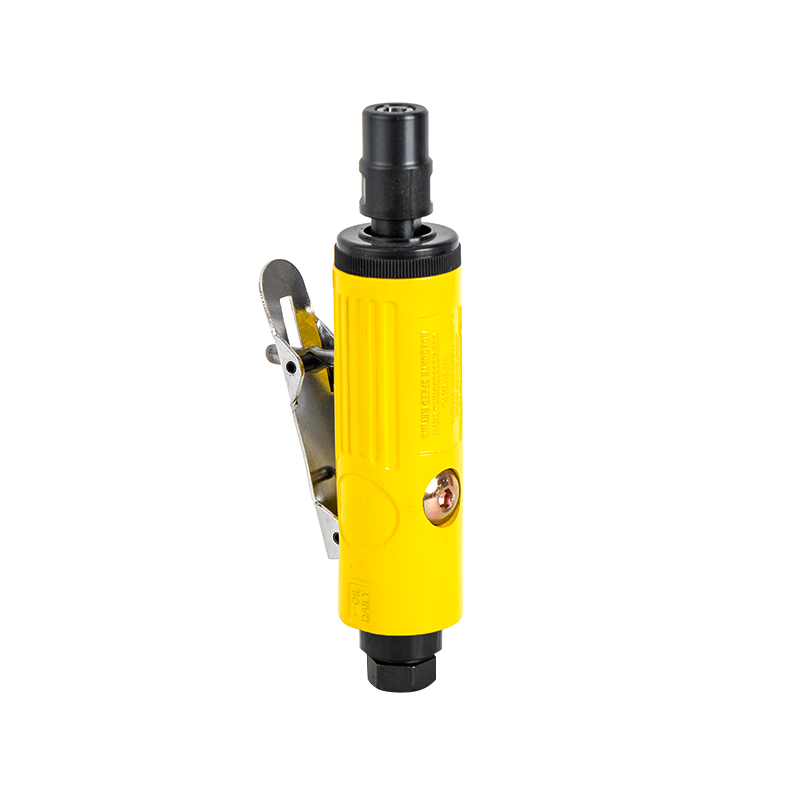 RH-7032A Rear Exhaust Straight Air Die Grinder with 25,000 RPMThis die grinder offers rear exhaust to keep debris off the workpiece, plus two chuck sizes for versatility. Its high no-load speed suits grinding and polishing tasks in fabrication and finishing work.View Product →
Impact wrenches for heavy fastening
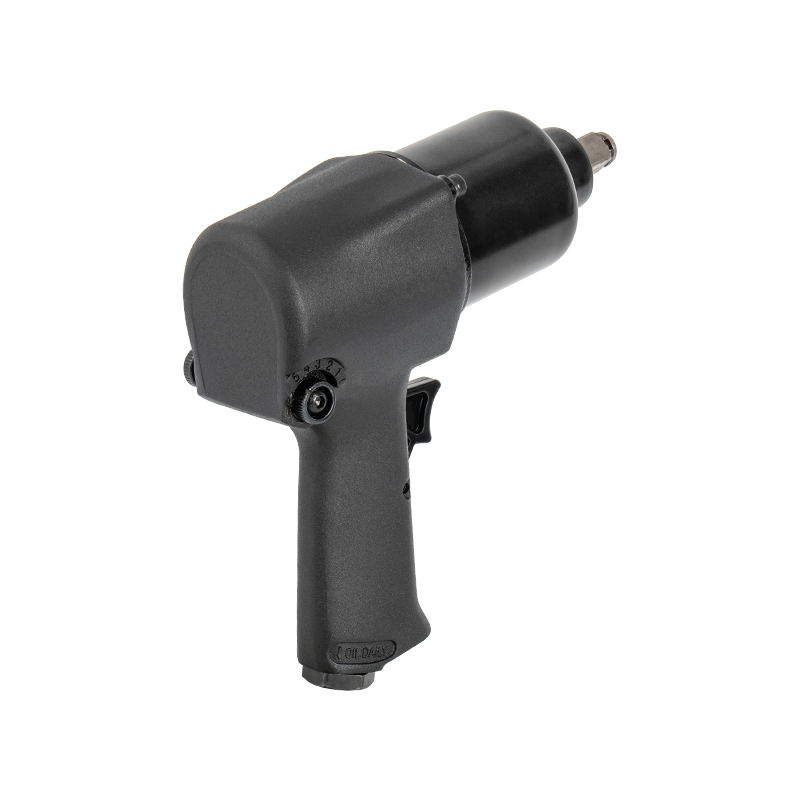 RH-231 Twin Hammer Air Impact Wrench with 480 ft-lb TorqueWith twin hammer design and 8,000 rpm free speed, this 1/2-inch impact wrench delivers up to 480 ft-lb for heavy-duty fastening. Its ergonomic body and adjustable pressure range make it practical for automotive and machinery repair.View Product →
Needle scalers for rust and coating removal
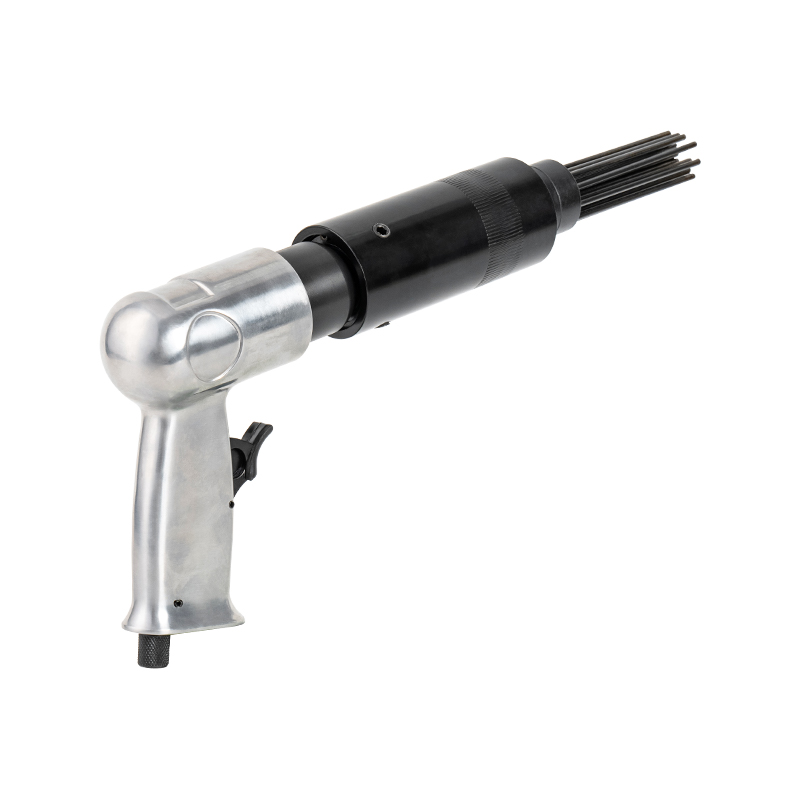 RH-464 Pneumatic Corner Needle Scaler for Tight AreasThis corner needle scaler is designed for rust, paint, and slag removal in narrow spaces and corners. Its 3.5 cfm consumption and 1/4-inch inlet ensure compatibility with standard compressors while maintaining efficiency.View Product →
Belt sanders and other driven tools
Common Setup Mistakes That Cost You Performance
Undersizing the compressor
Using a long, small-diameter hose
Neglecting water management
Ignoring leaks and loose fittings
Running without lubrication
Working Safely With Compressed Air
The Bottom Line: Air Quality and Air Quantity Decide Tool Performance
Recommended products
-
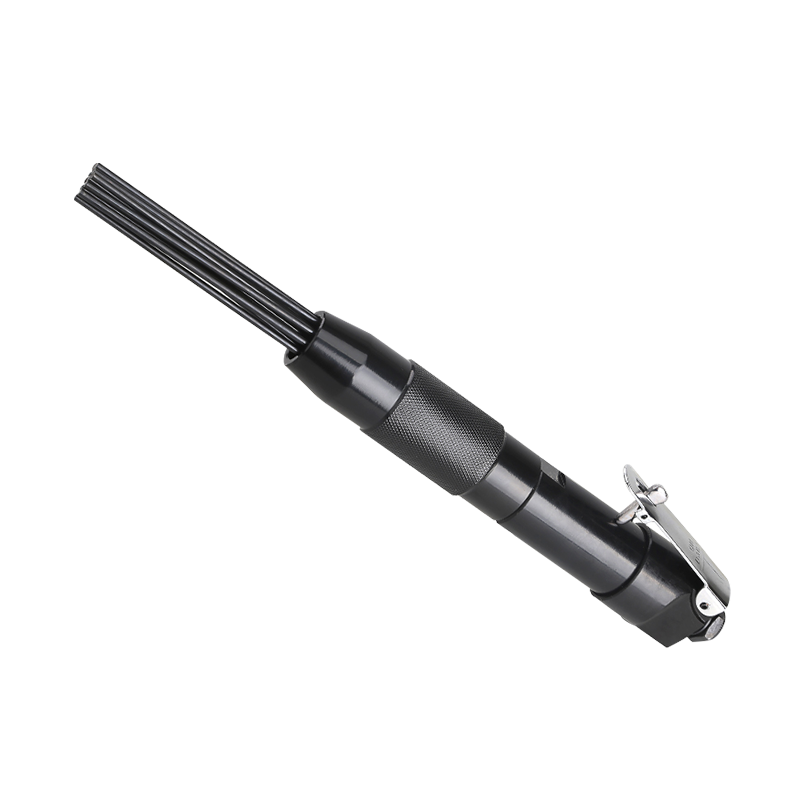
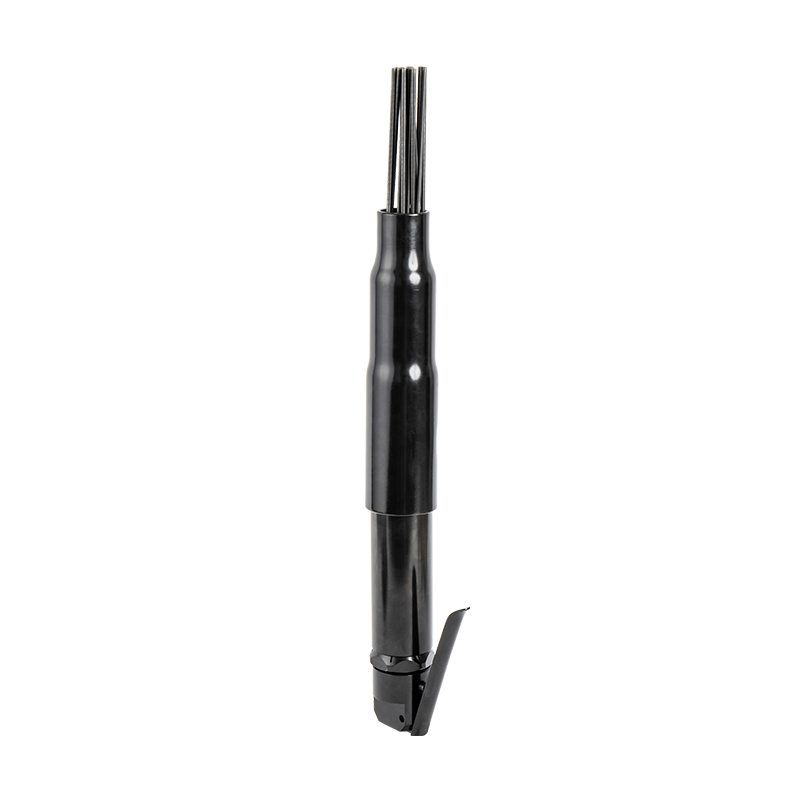
RH-464 Pneumatic Corner Needle Scaler
-
RH-460 Mini Compact Pneumatic Air Needle Scaler
-
RH-462 Portable Industrial Straight Needle Scaler
-
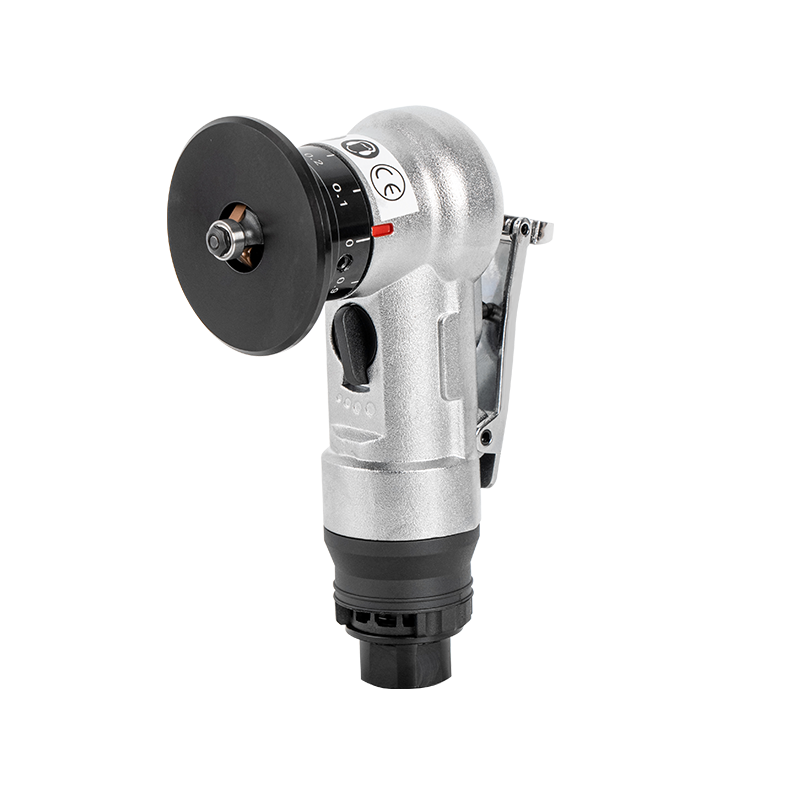
RH-7034C Portable Pneumatic Chamfering Machine
-
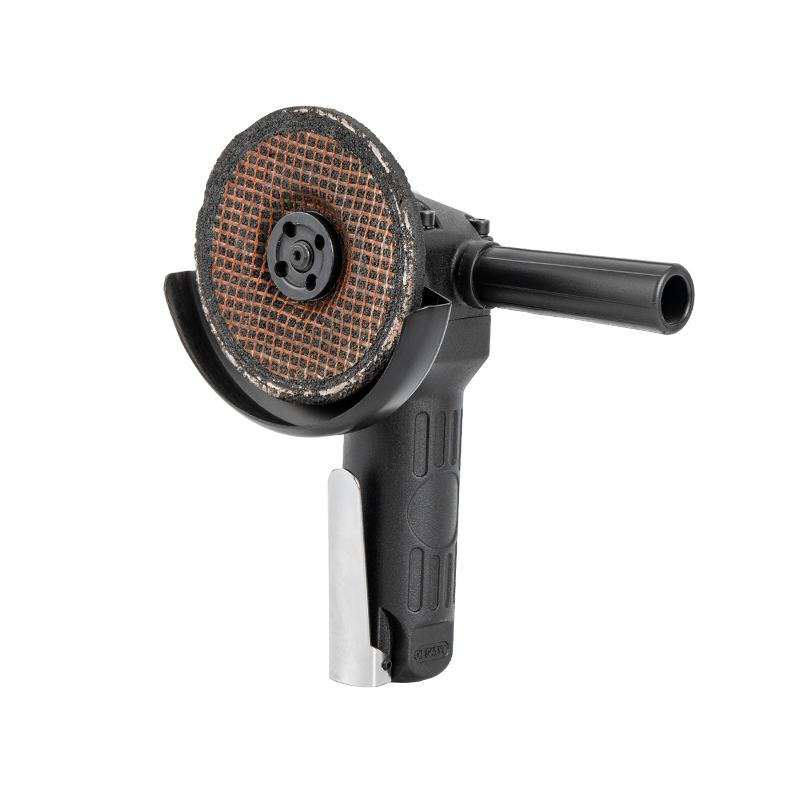
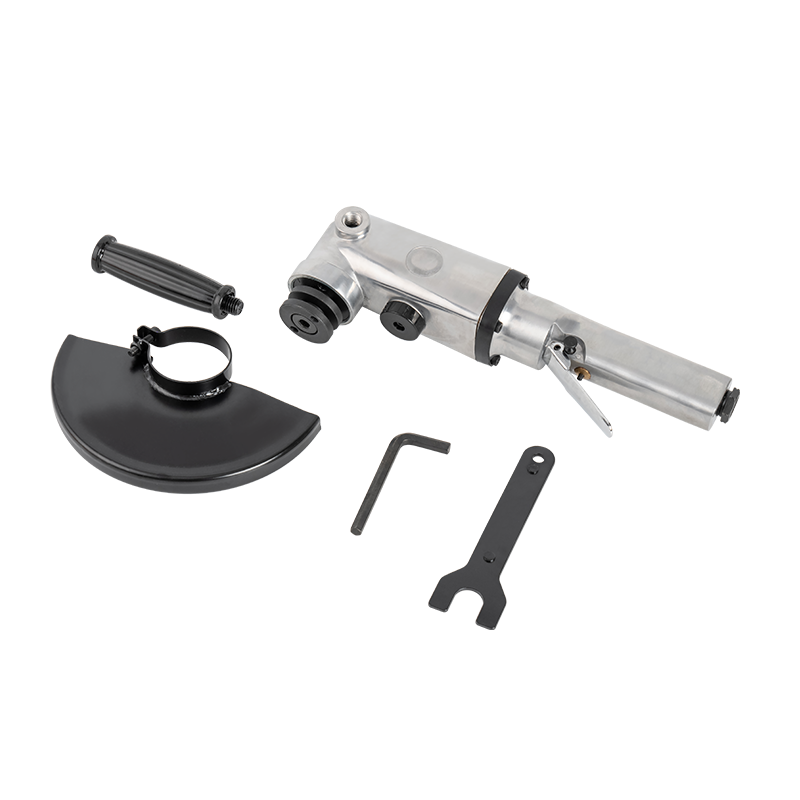
RH-7034B Central Pneumatic 4" Air Angle Grinder
-
RH-7034D 7" Hand Held Angle Grinder
-
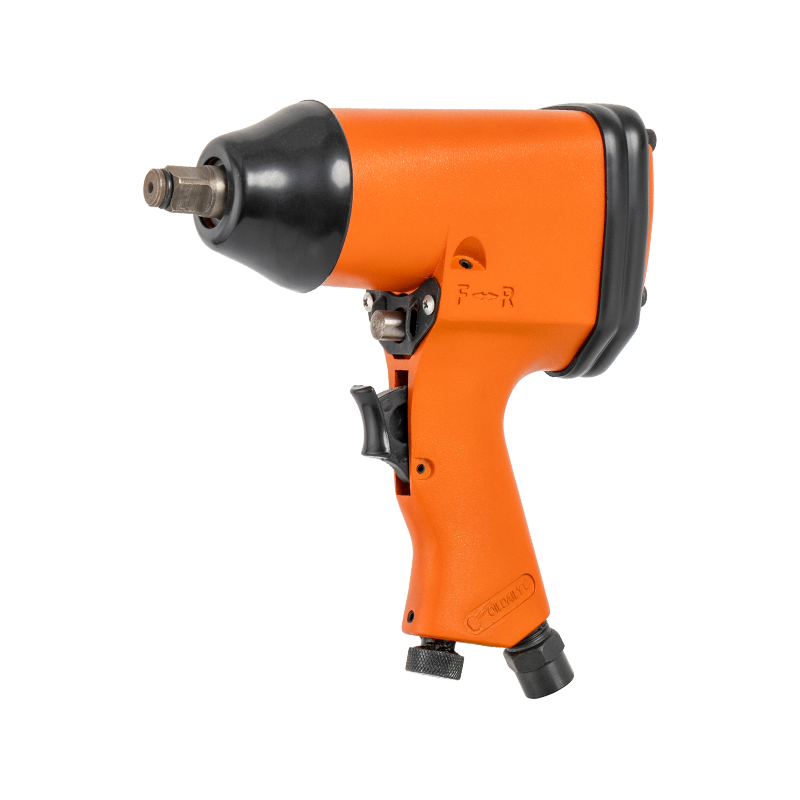
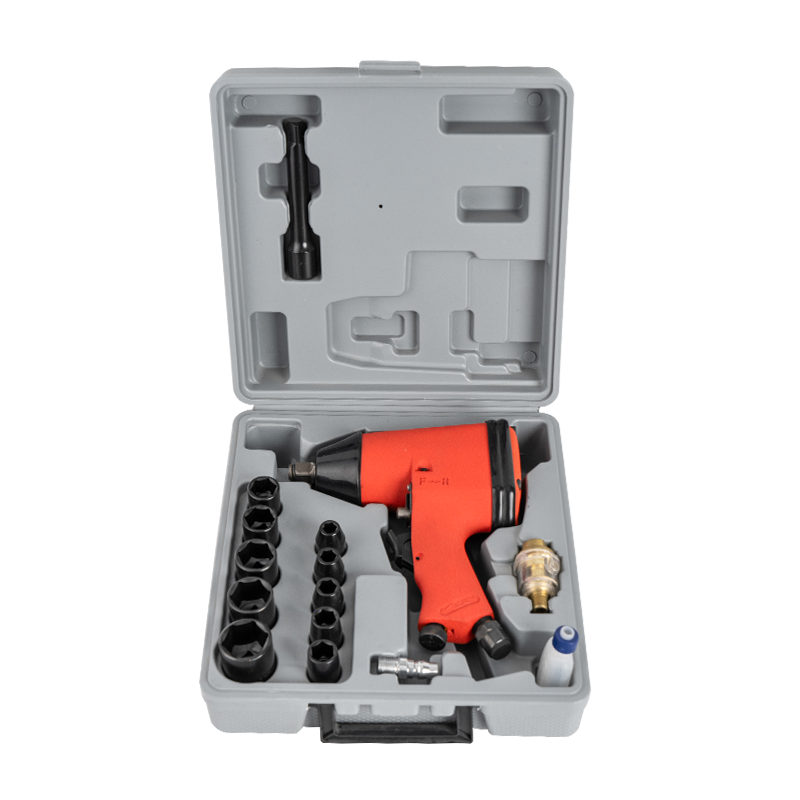
RH-160 1/2" Drive Single Hammer Air Pneumatic Impact Wrench
-
RH-160K Cordless Electric Rechargeable Air Impact Wrench Kit
-
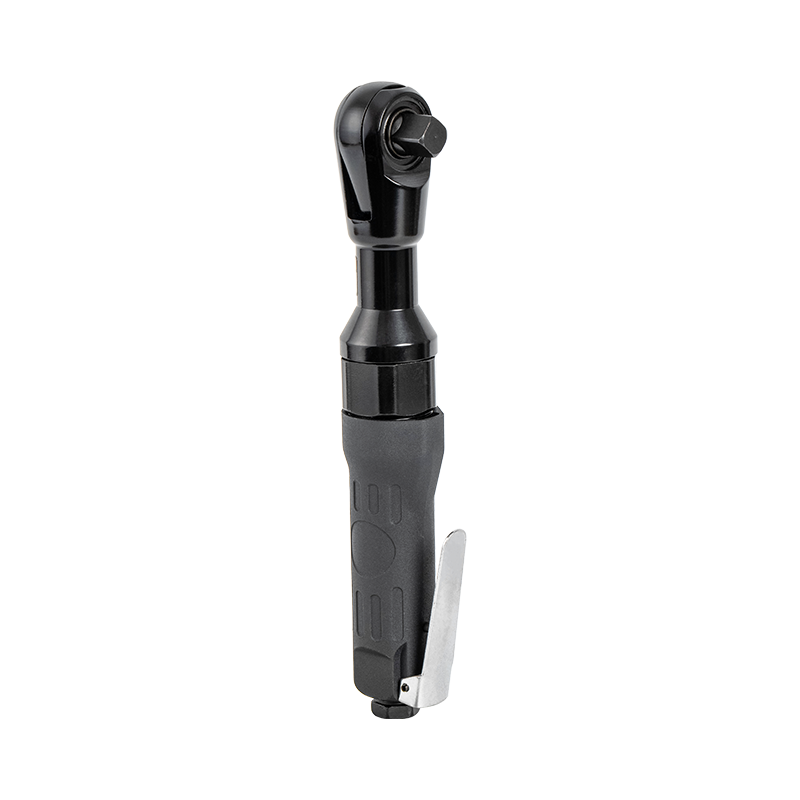
RH-112 1/2" Universal Electric Ratchet Wrench Hand Tool
-
RH-128 1/2" High Torque Electric Ratchet Wrench
-
RH-138 3/8" Long Head Portable Cordless Electric Ratchet Wrench
-
RH-148 1/4" Electric Battery Ratchet Wrench
CONTACT OUR EXPERTS
AND GET A FREE CONSULTATION!
Ningbo Haishu Renhao Pneumatic Co., Ltd.
 Address: Jiangbei District Ningbo City in Zhejiang Province by the Keli industrial ParkL Building 15th
 Phone: +86-139 0668 0779
 Tel: +86-139 0668 0779
 Fax: +86-139 0668 0779
 E-mail:[email protected]


