


 عربى
عربى 中文简体
中文简体Search by posts
Calendar
Product Categories
Industry News
 By Admin
What Do Pneumatic Tools Run On? A Complete Guide to Compressed Air Systems
Walk into any auto repair bay, metal fabrication shop, or assembly line, and you will hear the same sound: bursts of compressed air driving impact wrenches, die grinders, and needle scalers. The answer to the question "what do pneumatic tools run on" is one energy source: compressed air stored in a receiver tank and delivered through a dedicated line. This is not a matter of preference. It is a mechanical necessity that shapes how a tool feels, how much torque it delivers, and how long it survives in dusty industrial environments. Before you size a compressor or pick a new tool, the practical question is what the tool actually consumes, and whether your existing air delivery can sustain it. The short answer is that pneumatic tools run on compressed air, but the pressure, flow rate, and air quality decide whether that tool performs at its rated capacity. At its core, a pneumatic tool is a motor that receives energy from a stream of pressurized air. An air compressor takes ambient air and compresses it into a storage tank. From that tank, air travels through a pipe, hose, or quick coupler into the tool's inlet. Inside the tool, the air enters a chamber and pushes against vanes, blades, or pistons, creating rotary or reciprocating motion. Once the air has done its work, it exhausts out of the housing, often carrying dust and heat with it. The reason this matters on the shop floor is thermal and electrical safety. Because the expanding air cools the tool during exhaust, pneumatic tools can be run continuously without the overheating that affects many corded or battery-powered equivalents. That is why bulk metal grinding, surface prep, and high-cycle assembly work often rely on air tools. Three numbers matter more than anything on the tool label: working pressure, air consumption, and inlet size. Ignore any one of them, and the tool may spin but still refuse to cut, drive, or grind at the rate you require. Working pressure is the most misunderstood value. Most tools are rated at 90 psi, which is 6.2 bar. Running a tool at 70 psi can cut torque by 20 to 30 percent. A regulator dial does not solve a weak compressor if the tank cannot keep up. Air consumption is often quoted in CFM at a specific pressure. The tool might be rated 8 CFM at 90 psi, but the compressor tank may not deliver that volume continuously. The tank size and the duty cycle matter as much as the pump rating. For a proper comparison, check the duty cycle of your compressor and the actual CFM at the tool's working pressure. Comparing pneumatic and electric tools usually comes down to duty cycle, power density, and repair cost. Air tools generally win in continuous heavy work. An electric grinder with a 2,000 watt motor weighs more and generates heat that requires a thermal cutout. A comparable pneumatic grinder can maintain higher power per pound, and the exhaust air acts as an internal cooling system. There is also a risk advantage. A pneumatic motor has few moving parts. If it jams, the failure is usually mechanical and can be repaired with simple shop tools. A battery-powered tool, by contrast, can suffer from worn brushes, failed electronics, or damaged cells. For production lines in dusty or wet environments, the pneumatic tool has fewer parts to fail and no high voltage inside the housing. The trade-offs are real. Air tools need a compressor that consumes electricity, they run louder, and they are less efficient in terms of total energy transfer. But when the job is removing rust, shaping metal, or tightening bolts all day, the compressed air option remains the reliable default. Even the best pneumatic tool will disappoint if the air supply is incorrectly conceived. The three components that determine reliability are the compressor, the treatment skid, and the distribution lines. A rule of thumb for a shop running several tools at once is to size the compressor at 1.5 to 2 times the total air consumption of the tools you plan to operate simultaneously. Place the FRL as close to the tool drop as practical. A long run after the regulator has no way to recover pressure loss, and the last few feet before the tool often cause noticeable hesitation. Also install a shutoff valve at each drop so you can service the line without shutting down the whole system. A common mistake is using cheap PVC or undersized hoses. Smaller lines create pressure drop, which means the tool runs slower than its specification. The same applies to quick couplers. If you are assembling a new feed line, check the CFM through the entire distribution path, not just the compressor output. You can read more about how pneumatic tools are defined and the advantages of pneumatic tools before you commit to a system layout. Once the air supply is settled, the selection process narrows down to the tool class. An air drill is for drilling and reaming. An impact wrench is for fastening and removing bolts. A die grinder is for grinding, deburring, and polishing. A needle scaler removes rust and weld flash. A pneumatic angle grinder handles cutting and weld prep. Choosing the wrong class is the most common reason a tool does not deliver the expected result on site. Industrial air tools are sized around the workpiece and the duty cycle. For an automotive shop, a twin-hammer impact wrench with high RPM is a common choice for tire and suspension work. If the job is engraving, mold polishing, or fine deburring, a mini die grinder with a rear exhaust design keeps the work surface clean and keeps noise low. Pneumatic tools are durable, but they are not maintenance-free. The most common failure mode is lack of lubrication. Dry air causes vanes and bearings to wear quickly, and can make the motor drag. The simplest solution is to add oil to the lubricator reservoir and check it daily. If you use a tool on a portable hose, apply a few drops of pneumatic oil into the inlet before connecting it. Listen for changes in exhaust tone. A sudden increase in noise or vibration often signals a failing vane or a loose bearing. Most pneumatic tool manufacturers provide a basic rebuild kit that includes vanes, O-rings, and springs, which makes field repair straightforward. Maintenance prevents the kind of breakdown that shuts down a production line. In a busy workshop, the cost of a few minutes of daily lubrication is much lower than the cost of replacing a motor. Before adding a new pneumatic tool to your cart, compare the working pressure and the airflow requirement against your compressor capacity. If you have a 3 hp compressor with a 60 liter tank and you want to run two die grinders at once, you need to know the combined CFM draw. Otherwise, the compressor will cycle too often, the tank pressure will drop, and the tools will feel weak. Also decide whether you prefer a rear-exhaust or front-exhaust design. Rear exhaust pushes air away from the work surface, keeping the finish area clear. Front exhaust is quieter and more comfortable if you are working in a confined space. Consider the speed range and the collet or coupling size for the consumables you already use. A tool with a standard 1/4-inch collet is the easiest to work with across common grinding and polishing stones. For larger cutting and grinding jobs, a 7-inch pneumatic angle grinder provides extra wheel diameter and reach. Check whether your intended consumables fit the tool's chuck or arbor. An angle grinder with a 7-inch wheel requires a specific guard and spindle size, while a die grinder typically accepts 1/4-inch shank bits. Mismatches at this stage create the most frustrating trial-and-error on site. Finally, think about downtime in the field. A tool that is easy to service, with accessible screws and common spare parts, will save you more money than a low-priced unit that needs a factory repair after a few months. Look for a known manufacturer with a clear product range and availability of aftermarket consumables.How compressed air powers a pneumatic tool
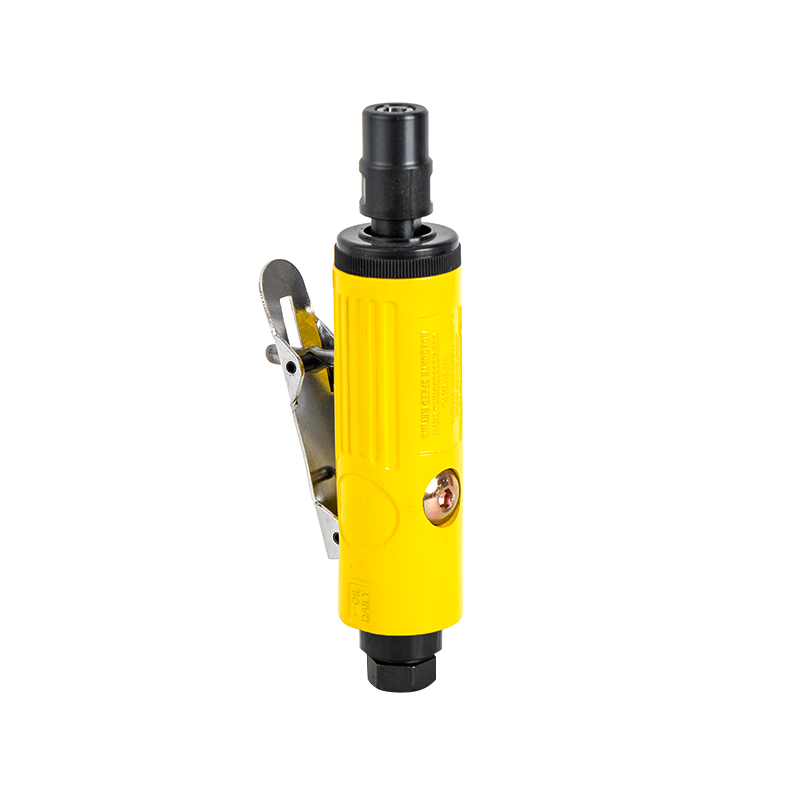 Rear Exhaust Straight Air Die Grinder with Dual Chuck SizesThis die grinder offers high 25,000 rpm speed and rear exhaust to keep work surfaces clean. Available in 6mm and 3mm chucks for versatile grinding and polishing tasks.View Product →
Key specifications that decide whether a tool works properly
Specification
Typical range for industrial tools
Impact of getting it wrong
Working pressure
90 psi / 6.2 bar
Low pressure reduces torque and RPM
Air consumption
4–12 CFM at 90 psi
Undersized compressor causes intermittent operation
Inlet size
1/4 in. or 3/8 in. NPT
Wrong fitting restricts airflow
Pneumatic vs. electric: why shops still choose air
Building a reliable air supply for your tools
Choosing the right pneumatic tool for the job
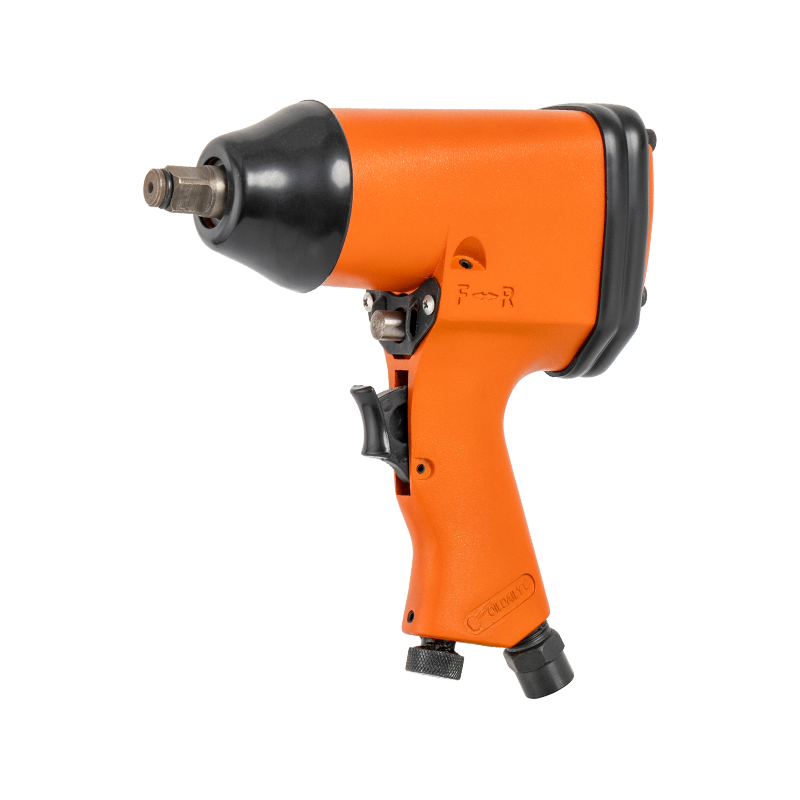
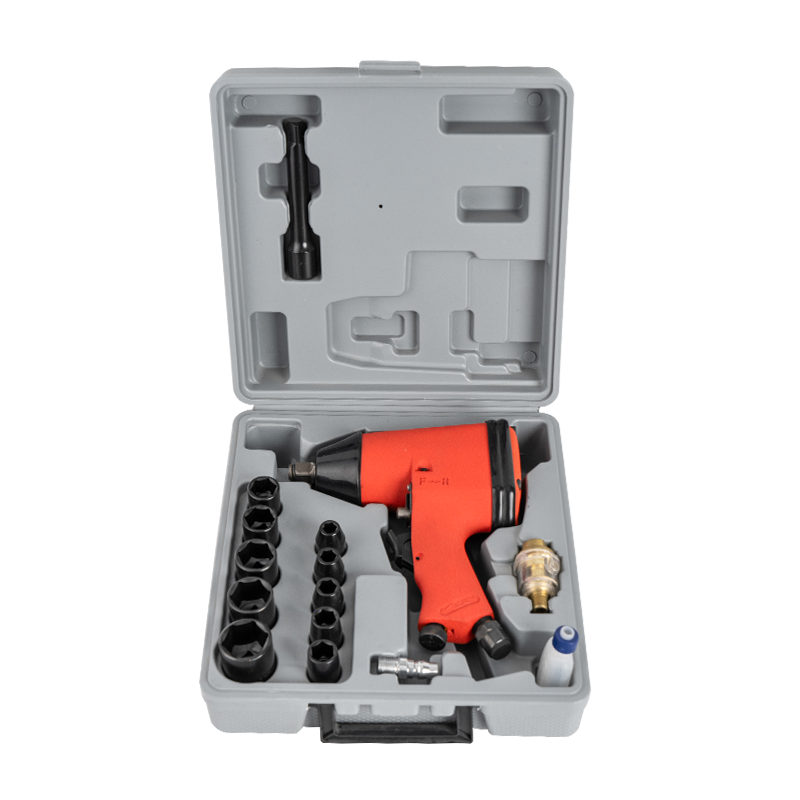
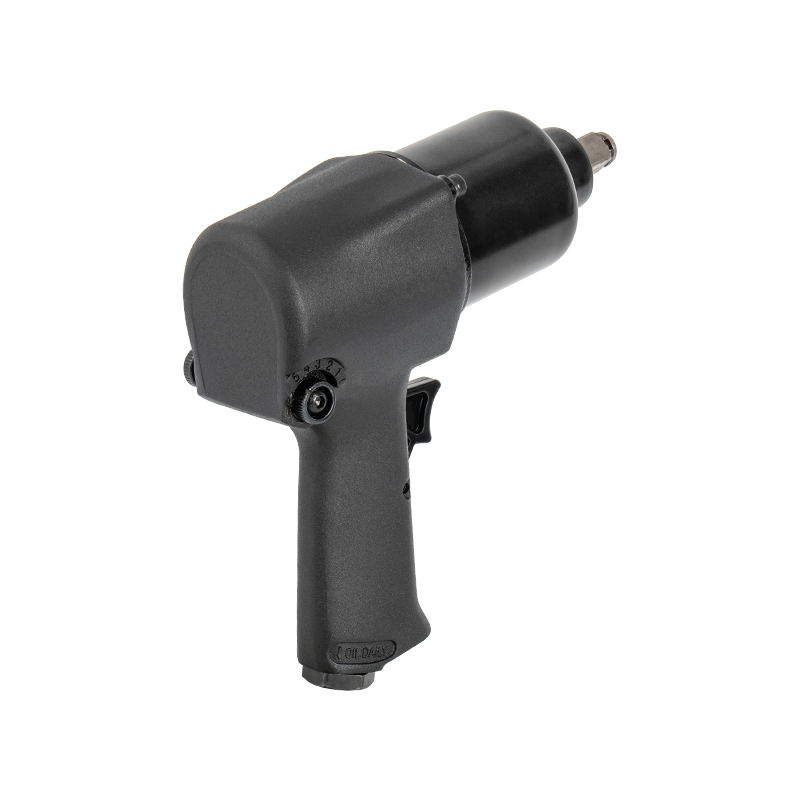 Twin Hammer Pneumatic Impact Wrench with 8000rpmA 1/2-inch impact wrench delivering 480 ft-lb torque for automotive and heavy machinery work. Twin hammer mechanism ensures reliable power at 6-8 kg/cm² pressure.View Product →
Maintenance practices that extend pneumatic tool life
Practical buying considerations before you purchase
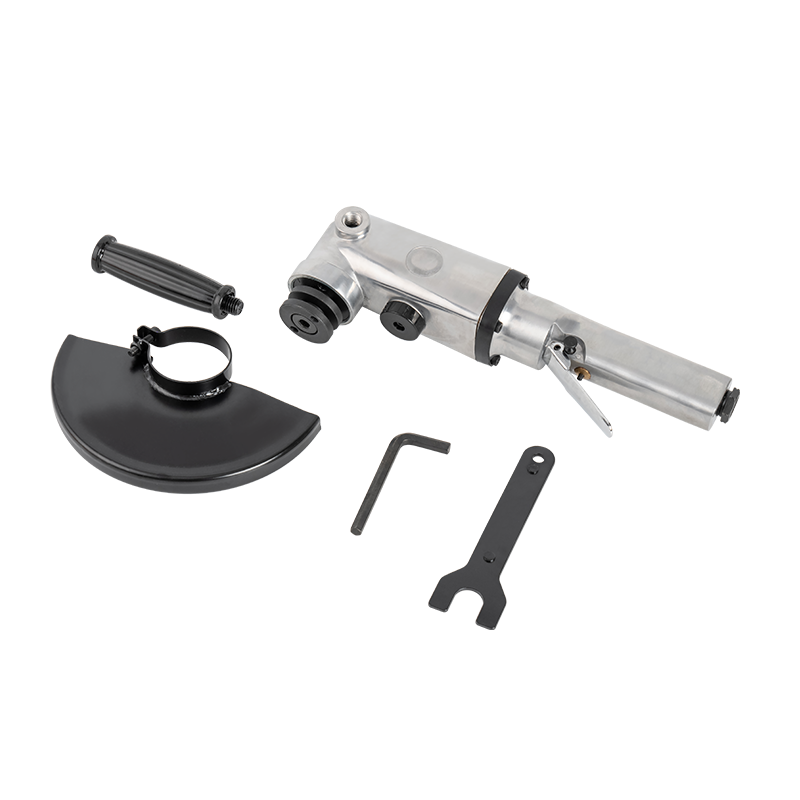
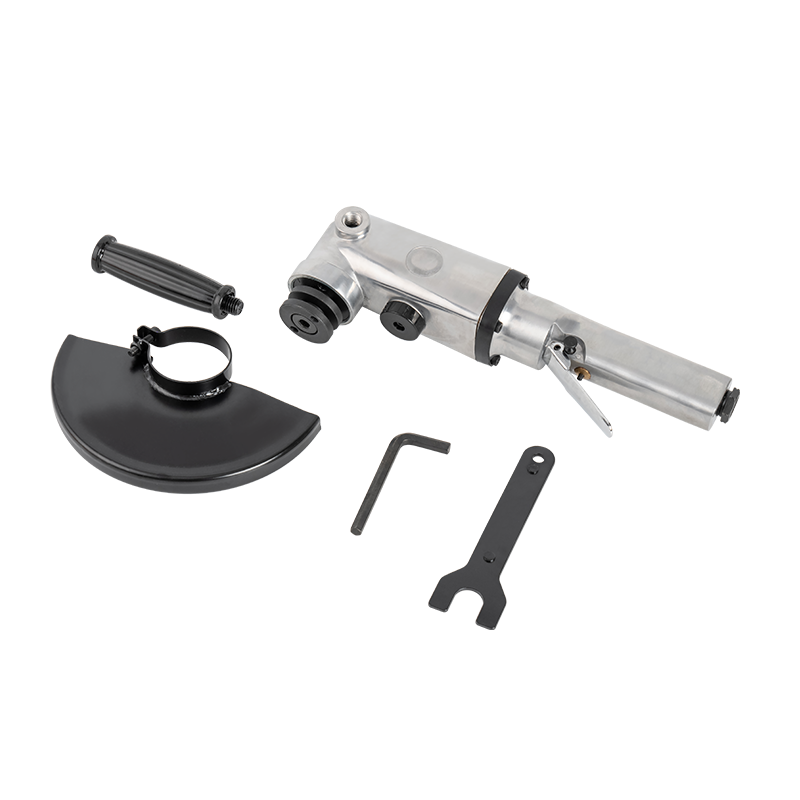 7-Inch Hand Held Pneumatic Angle GrinderThis 7-inch angle grinder runs at 6500 rpm for efficient cutting and grinding. It uses standard 5/8''-11UNF spindle and 90psi pressure for heavy-duty applications.View Product →
Recommended products
-
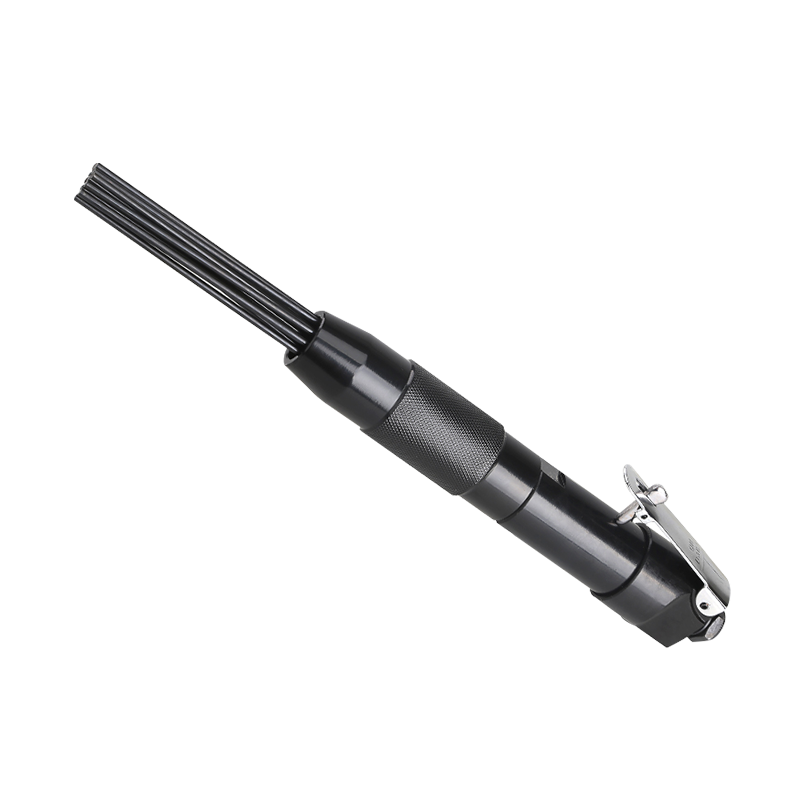
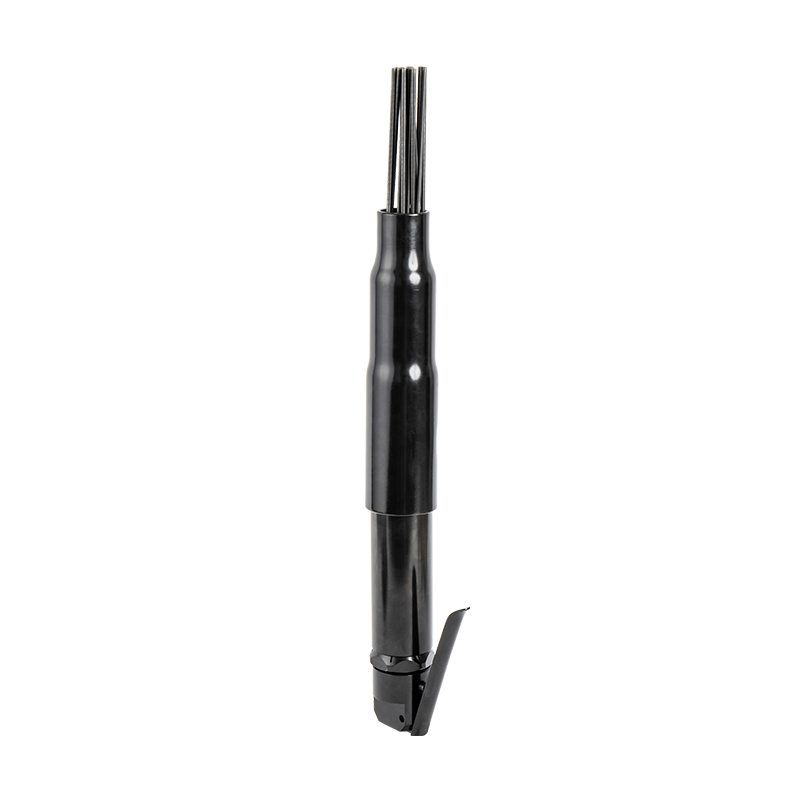
RH-464 Pneumatic Corner Needle Scaler
-
RH-460 Mini Compact Pneumatic Air Needle Scaler
-
RH-462 Portable Industrial Straight Needle Scaler
-
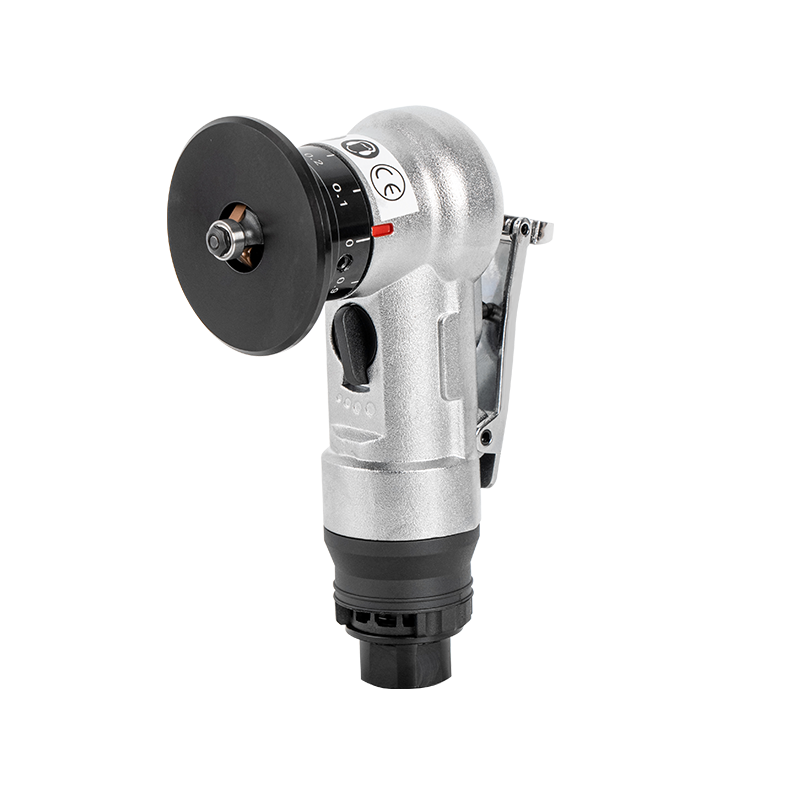
RH-7034C Portable Pneumatic Chamfering Machine
-
RH-7034B Central Pneumatic 4" Air Angle Grinder
-
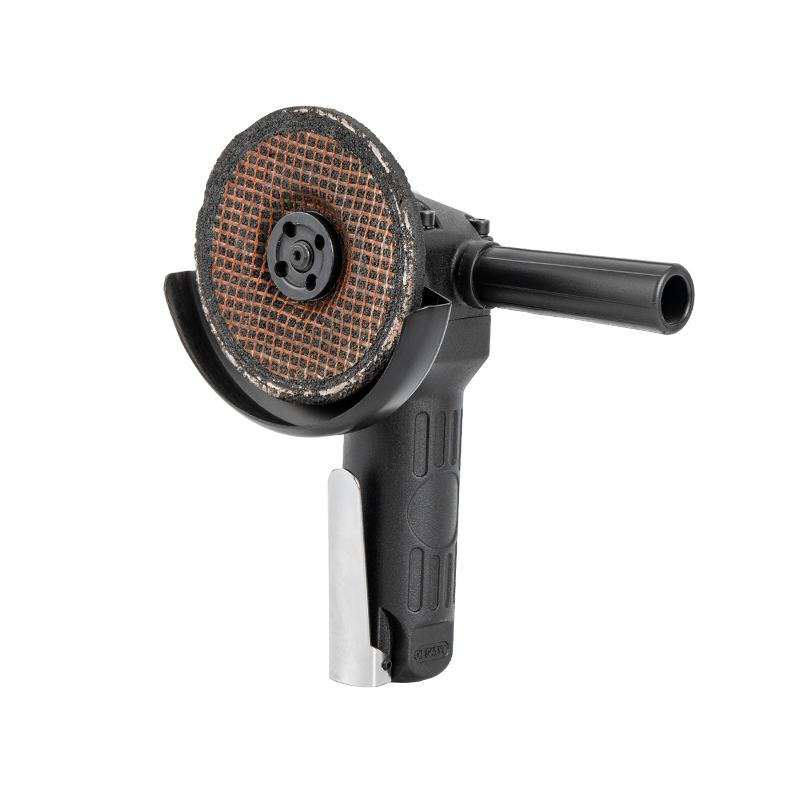
RH-7034D 7" Hand Held Angle Grinder
-
RH-160 1/2" Drive Single Hammer Air Pneumatic Impact Wrench
-
RH-160K Cordless Electric Rechargeable Air Impact Wrench Kit
-
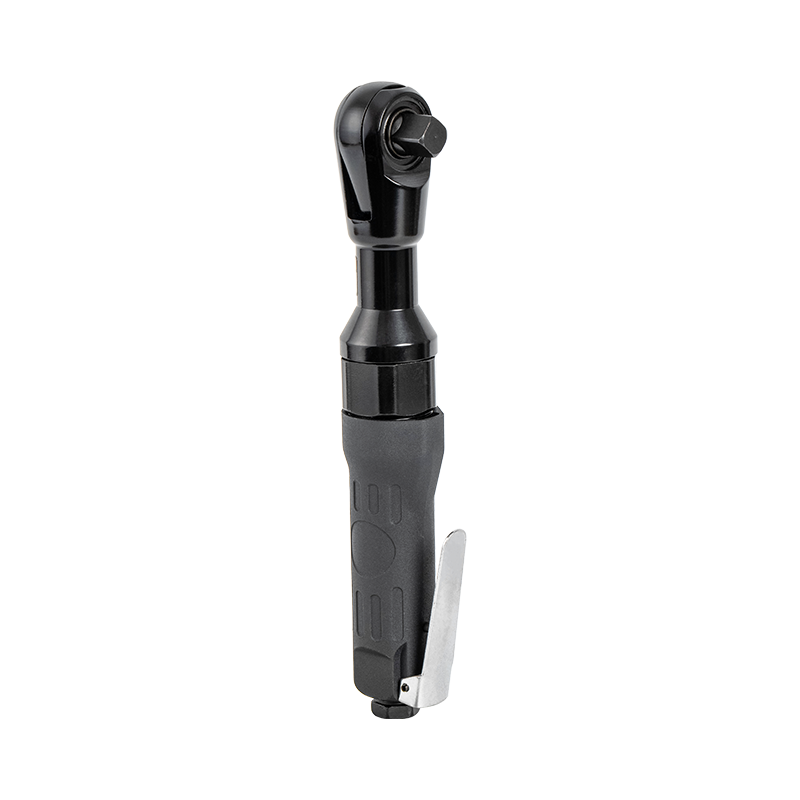
RH-112 1/2" Universal Electric Ratchet Wrench Hand Tool
-
RH-128 1/2" High Torque Electric Ratchet Wrench
-
RH-138 3/8" Long Head Portable Cordless Electric Ratchet Wrench
-
RH-148 1/4" Electric Battery Ratchet Wrench
CONTACT OUR EXPERTS
AND GET A FREE CONSULTATION!
Ningbo Haishu Renhao Pneumatic Co., Ltd.
 Address: Jiangbei District Ningbo City in Zhejiang Province by the Keli industrial ParkL Building 15th
 Phone: +86-139 0668 0779
 Tel: +86-139 0668 0779
 Fax: +86-139 0668 0779
 E-mail:[email protected]


