


 عربى
عربى 中文简体
中文简体Search by posts
Calendar
Product Categories
Industry News
 By Admin
Precision Grinding Powerhouse in High-End Manufacturing: A Deep Dive and Selection Guide for Pneumatic Air Belt Sanders
In modern industrial manufacturing, precision metal processing, and high-end maintenance, surface finish is directly linked to structural integrity, aesthetic value, and the ultimate lifespan of a product. The Pneumatic Air Belt Sander, combining high efficiency, versatility, and aggressive cutting power, has become a standard configuration in automotive repair, aerospace component processing, precision mold making, and complex hardware finishing. This article provides an extensive technical analysis of 10mm and 20mm specifications, selection logic for diverse industrial applications, and the scientific maintenance protocols required for peak long-term reliability.
Why are Pneumatic Air Belt Sanders Essential to Modern Polishing?
The prevalence of pneumatic air belt sanders in high-end production lines is not coincidental; it is a direct result of the industrial pursuit of extreme efficiency, safety, and mechanical durability. In complex, high-stakes processing environments, pneumatic power offers distinct physical advantages that traditional electrical tools struggle to replicate.
Core Advantages Over Traditional Electric Polishers
High RPM and Superior Natural Cooling: Pneumatic motors feature a streamlined internal design driven by a high-precision vane-rotor system, allowing them to consistently reach ultra-high speeds of 16,000 to 20,000 RPM. More importantly, as compressed air expands rapidly to drive the motor, it absorbs significant ambient heat—a physical phenomenon known as the Joule-Thomson effect. This creates a natural "internal refrigeration system" that ensures the tool body remains cool even during continuous 24/7 high-load operations. This prevents the "Joule heat" common in electric tools from causing workpiece annealing, surface discoloration, or premature motor burnout.
Extreme Accessibility and Ergonomics: Lacking heavy copper windings, silicon steel stators, and bulky cooling fans, pneumatic sanders typically weigh only 1/3 to 1/2 as much as equivalent electric models. Their signature "slender arm design" acts as a mechanical extension of the operator's fingers, allowing them to navigate into razor-narrow crevices, curved internal pipe walls, and complex recessed grooves. This high power-to-weight ratio significantly reduces musculoskeletal strain for operators during long shifts.
Intrinsic Safety and Explosion-Proof Characteristics: In environments containing volatile organic compounds (VOCs), flammable solvents, or combustible metallic dust (such as aerospace paint shops or chemical maintenance bays), the sparks generated by electric motor brushes or switch contacts represent a catastrophic fire risk. Pneumatic tools contain no electrical circuitry, inherently eliminating the risk of electrical ignition, short circuits, or fatal shocks in wet or high-humidity shipyard environments.
Market Trends and Application Scenarios
Automotive Sheet Metal and Pre-Painting Treatment: These tools are the gold standard for leveling spot welds on chassis repairs. Their low-heat output is particularly critical for modern aluminum-alloy bodies, which are highly sensitive to thermal deformation and loss of temper.
Precision Mold Making and Deburring: Perfect for removing sharp flash and burrs from die-castings and CNC-machined components. They facilitate a seamless transition from aggressive material removal to delicate mirror-surface pre-polishing by simply swapping belt grits.
Aerospace and Rail Transit: Essential for high-standard weld leveling on aircraft fuselage skins and high-speed rail aluminum frames. The constant torque output ensures a perfectly flat surface over long distances, preventing the "wavy" finishes often caused by inconsistent manual pressure.
10MM vs. 20MM: Choosing the Right Specification
In the industrial world, specification selection is a strategic decision. It represents a choice between two distinct operational philosophies: one focused on surgical micro-manipulation, and the other on maximizing industrial throughput.
Pneumatic 10MM Air Belt Sander: The "Surgical Scalpel"
The 10mm specification (typically utilizing 10x330mm belts) is engineered for tasks where precision is the only priority and over-grinding is not an option.
Unrivaled Narrow Space Entry: With a belt width roughly half that of an adult's small finger, this tool can effortlessly enter intake/exhaust manifolds, intricate electronic enclosures, and the fine gaps of bespoke jewelry or luxury hardware.
360-Degree Multi-Angle Versatility: Most high-end 10mm models feature a tool-less, infinitely adjustable guide arm. Operators can rotate the arm relative to the handle to find the most ergonomic support point for any workpiece geometry, drastically reducing fatigue when working at awkward overhead or lateral angles.
Specialized Industry Depth: This has become the mandatory standard for high-end titanium bicycle frame welding, brass instrument restoration, and rounding the edges of sensitive medical implants where a single millimeter of error could result in product rejection.
Pneumatic 20MM Air Belt Sander: The Heavy-Duty Powerhouse
When the mission involves meters of industrial welds or the removal of thick oxide layers and coatings, the 20mm specification (typically 20x520mm belts) is the unrivaled choice.
Exponential Productivity Gains: While mathematically offering double the contact area of the 10mm version, the actual productivity gain is often higher due to the increased abrasive volume and higher heat capacity of the larger belt. This reduces the number of passes required, shortening labor time by up to 45% on large surfaces like shipping containers or storage tanks.
Enhanced Stability and Surface Planarity: The wider belt provides a "self-leveling" effect, bridging local high spots rather than dipping into valleys. This results in superior flatness and more consistent "brushed" textures on architectural stainless steel and large metal panels.
Industrial-Grade Reinforcement: Designed to withstand significant operator down-pressure, 20mm models feature larger displacement motors and reinforced planetary gear sets. This rugged construction allows them to thrive in the harsh conditions of shipyards and heavy bridge construction sites.
Technical Performance Comparison Table
|
Feature |
Pneumatic 10MM Air Belt Sander |
Pneumatic 20MM Air Belt Sander |
|---|---|---|
|
Standard Belt Size |
10 mm x 330 mm (3/8" x 13") |
20 mm x 520 mm (3/4" x 20.5") |
|
Core Philosophy |
Precision Surgical Control |
High-Volume Material Removal |
|
Space Requirement |
Ultra-tight access (<15mm) |
General access (>25mm) |
|
No-Load Speed |
16,000 - 18,000 RPM |
12,000 - 16,000 RPM |
|
Air Consumption |
Approx. 0.4 m³/min |
Approx. 0.6 m³/min |
|
Structural Design |
Lightweight Ergonomic Alloy |
Heavy-Duty Reinforced Housing |
Maintenance: Ensuring Long-Term Stable Operation
Critical Parameters: Pressure and Tension
Precision Pressure Management: The industry-standard optimal pressure is 6.3kg/cm² (90 PSI). Attempting to "boost" cutting power by exceeding 100 PSI will cause catastrophic bearing wear and seal failure. Conversely, insufficient pressure leads to "stalling" upon contact, creating uneven grinding scars that are difficult to polish out.
Scientific Tensioning Protocols: Most tools feature a spring-loaded tensioning pulley. A belt is correctly tensioned when moderate finger pressure on the belt's center section results in no more than 2mm of deflection. Over-tensioning snaps belts and strains the drive shaft, while under-tensioning leads to hazardous belt slippage at high speeds.
The Science of Lubrication and Cleaning
The Daily "Oil Injection" Habit: Before every shift, 3-5 drops of high-grade pneumatic spindle oil (ISO VG10-22) should be injected directly into the air inlet. Running the tool for 10 seconds post-injection atomizes the oil, coating the vanes and cylinder walls with a micro-film that prevents friction-induced heat and wards off internal corrosion from compressed air moisture.
Implementation of F.R.L. Units: For industrial-scale workshops, manual oiling is insufficient. A centralized Filter-Regulator-Lubricator (F.R.L.) unit is essential. Filters capture 99% of liquid water and particles down to 5 microns, while the lubricator ensures a constant, measured mist of oil. Tools serviced by F.R.L. units typically exhibit a 300% increase in Mean Time Between Failures (MTBF).
Dust Mitigation and Cleaning: Grinding creates abrasive metal swarf. High-pressure air should be used at the end of every day to clear dust from the tensioner spring and drive wheel grooves. Accumulated dust acts as a grinding paste, rapidly eroding moving parts and seizing the tensioning mechanism.
The Future of Industrial Grinding
As we enter the era of Industry 4.0, even traditional pneumatic tools are evolving to focus on operator health, data-driven precision, and environmental impact.
Vibration and Noise Suppression: Leading manufacturers are now integrating "floating dampening systems" that decouple the motor from the grip, reducing the risk of Hand-Arm Vibration Syndrome (HAVS). Combined with maze-style exhaust mufflers, modern sanders are quieter and safer for long-term use.
Integrated Dust Extraction: New generations of sanders feature integrated vacuum shrouds or ports, allowing them to be connected to central dust extraction systems. This keeps the workspace clean and protects the respiratory health of the entire floor.
The Path to Automation: Future "Smart" pneumatic sanders may incorporate haptic feedback or air-flow sensors to assist human operators in maintaining a perfectly consistent grinding force, bridging the gap between manual craft and robotic precision.
The Pneumatic Air Belt Sander is far more than a simple grinding tool; it is a precision instrument designed for the most demanding surface challenges. By selecting the correct specification and adhering to a rigorous maintenance schedule, your facility can ensure the highest quality finishes while minimizing downtime and operational costs.
Recommended products
-
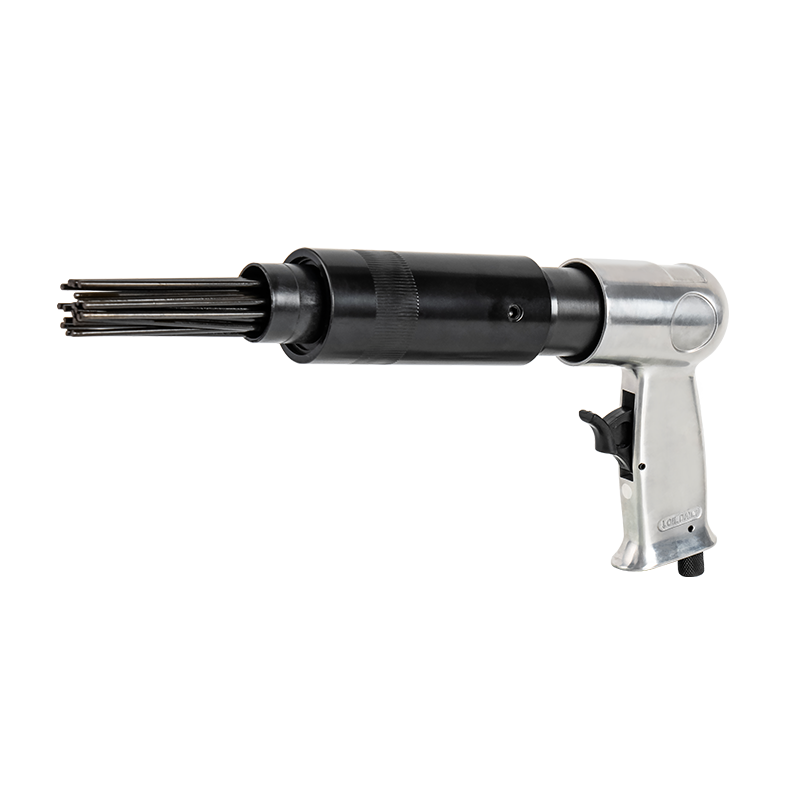
RH-464 Pneumatic Corner Needle Scaler
-
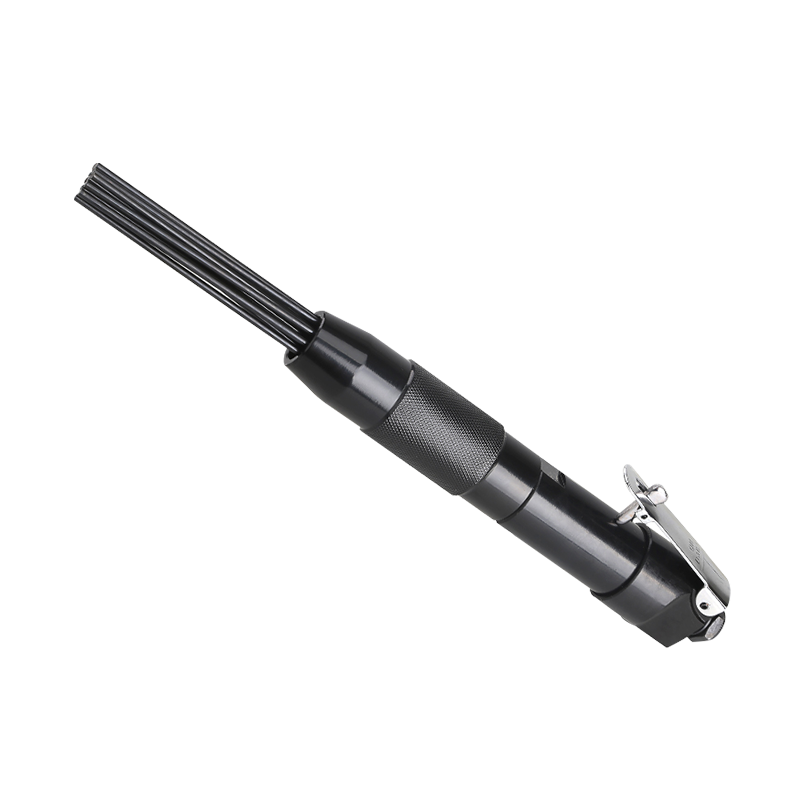
RH-460 Mini Compact Pneumatic Air Needle Scaler
-
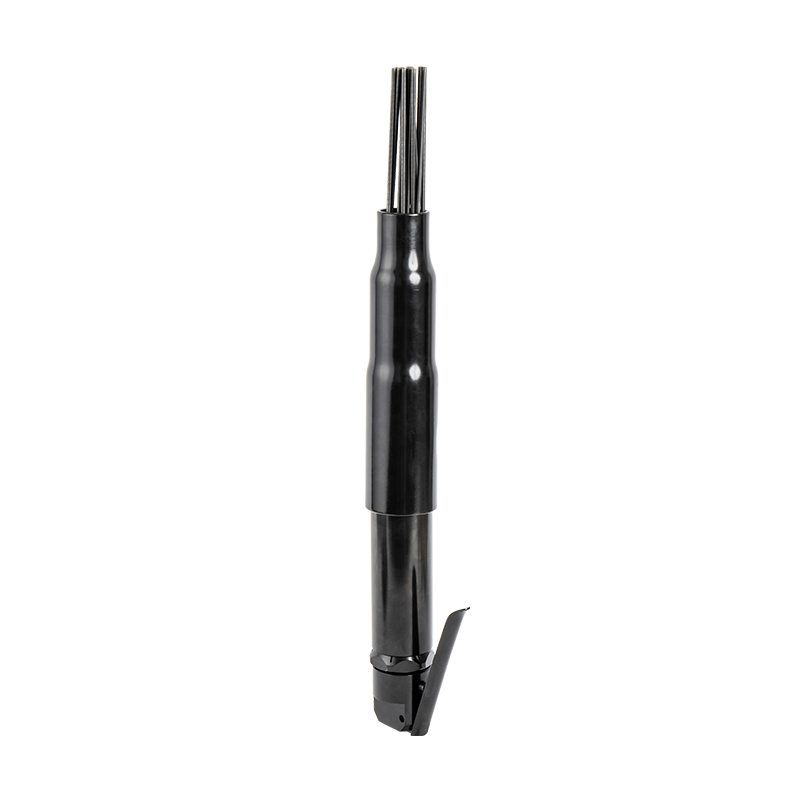
RH-462 Portable Industrial Straight Needle Scaler
-
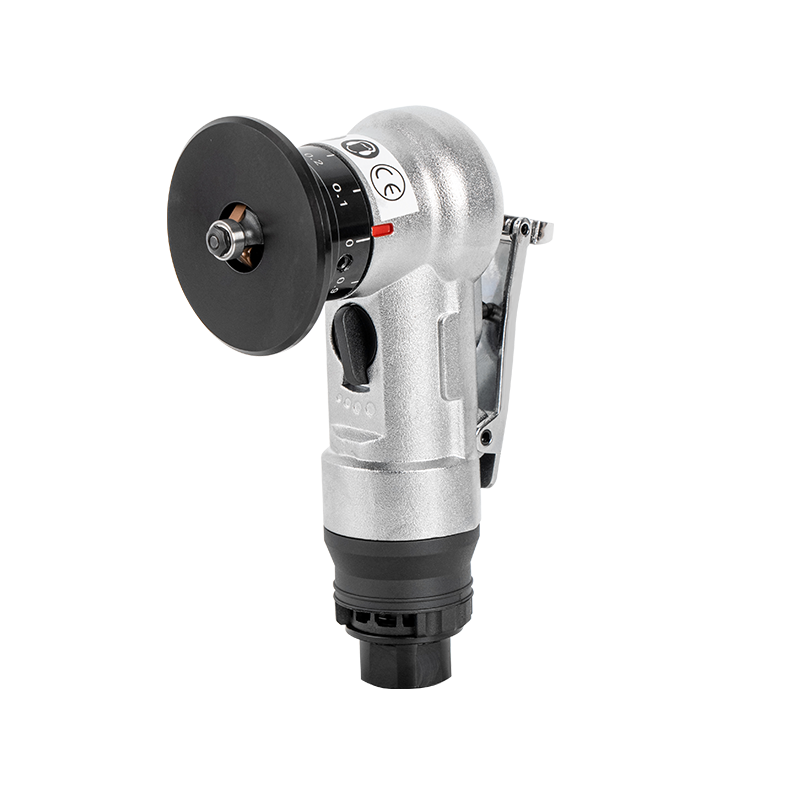
RH-7034C Portable Pneumatic Chamfering Machine
-
RH-7034B Central Pneumatic 4" Air Angle Grinder
-
RH-7034D 7" Hand Held Angle Grinder
-
RH-160 1/2" Drive Single Hammer Air Pneumatic Impact Wrench
-
RH-160K Cordless Electric Rechargeable Air Impact Wrench Kit
-
RH-112 1/2" Universal Electric Ratchet Wrench Hand Tool
-
RH-128 1/2" High Torque Electric Ratchet Wrench
-
RH-138 3/8" Long Head Portable Cordless Electric Ratchet Wrench
-
RH-148 1/4" Electric Battery Ratchet Wrench
CONTACT OUR EXPERTS
AND GET A FREE CONSULTATION!
Ningbo Haishu Renhao Pneumatic Co., Ltd.
 Address: Jiangbei District Ningbo City in Zhejiang Province by the Keli industrial ParkL Building 15th
 Phone: +86-139 0668 0779
 Tel: +86-139 0668 0779
 Fax: +86-139 0668 0779
 E-mail:[email protected]


