


 عربى
عربى 中文简体
中文简体Search by posts
Calendar
Product Categories
Industry News
 By Admin
Pneumatic Air Grinder Pen: 2 vs 3 Bearing Engraving Pen Guide
Precision surface work — engraving, deburring, die grinding, mold polishing, and fine material removal — demands tools that combine high rotational speed with minimal vibration, low fatigue, and consistent power delivery in a compact, controllable form. The pneumatic air grinder pen delivers all of these qualities in a single handheld tool, and it remains the instrument of choice for toolmakers, jewelers, mold finishers, and engravers who require precision at the micro level. Within this category, the critical differentiator is bearing configuration. A pneumatic two bearing air engraving pen and a pneumatic three bearing air engraving pen share the same operating principle — compressed air driving a turbine spindle — but differ fundamentally in their load-bearing architecture, which determines runout precision, tool life, and suitability for different workloads. Understanding this distinction is the foundation of making the right tool selection for any precision application. A pneumatic air grinder pen operates on the vane motor principle. Compressed air enters the tool body through the inlet, passes through a throttle valve controlled by a trigger or lever, and is directed against the blades of a rotor housed inside a cylindrical stator. The pressure differential across the rotor vanes causes rotation, which is transmitted through the spindle to the collet and the mounted accessory — a burr, grinding stone, mounted point, or engraving bit. Pneumatic air grinder pens are characterized by several interdependent parameters that define their capability and application range: In the grinder pen category, pneumatic tools offer several structural advantages over equivalent electric models that are particularly relevant for precision and high-duty-cycle applications: The bearing system of a pneumatic engraving pen is the component that most directly determines precision, durability, and suitability for different work types. All other specifications being equal, a tool with a superior bearing configuration will deliver lower runout, longer service intervals, and better performance under lateral load — the load type that dominates engraving and detail grinding work. In a pneumatic engraving pen running at 30,000–60,000 RPM, the spindle bearings must simultaneously support the rotor against radial loads (side forces from cutting), axial loads (thrust forces along the spindle axis), and the dynamic imbalance forces generated at high rotational speed. The precision of these bearings — their internal clearance, surface finish, and preload — determines how much the spindle deflects under these forces, and this deflection is what the operator perceives as vibration and what the workpiece records as irregular surface finish or chatter marks. Spindle runout — the maximum displacement of the tool tip from its true rotational axis — is the most important precision specification in any engraving pen. Lower runout means more consistent tool-workpiece contact, finer surface finish, less vibration, and longer cutting tool life. Bearing quantity, preload, and spacing are the primary engineering variables that determine runout. Precision pneumatic engraving pens use one of two primary bearing element types, each with distinct performance profiles. Ball bearings offer lower friction at high speed and excellent radial and axial load capacity, making them the preferred choice for the main spindle bearings in high-speed engraving pen applications. Needle roller bearings provide very high radial load capacity in a compact cross-section but are less suited to axial loads and very high speeds. In most precision engraving pen designs, angular contact ball bearings or precision deep groove ball bearings are used at the spindle positions, while the motor rotor may incorporate needle bearings for their excellent radial load capacity at the larger rotor diameter. The pneumatic two bearing air engraving pen represents the standard configuration in the entry-to-mid-range precision engraving pen market. Its two-bearing spindle system — with one bearing positioned at the front (collet end) of the spindle and one at the rear — provides the minimum bearing support needed for stable high-speed operation while keeping the tool compact, lightweight, and affordable. In a two-bearing configuration, the spindle is supported at two points that define a bearing span — the distance between the front and rear bearing seats. The stiffness of the spindle against radial deflection is proportional to this span: longer spans (further bearing separation) reduce the moment arm of cutting forces, increasing rigidity, but also increase the length of the unsupported spindle section between bearings, which can allow slight flex under heavy lateral loads. Shorter spans improve compactness but reduce rigidity under load. For engraving and light grinding applications where lateral loads are modest and operating time at maximum load is intermittent, the two-bearing design provides fully adequate support. The simplicity of the two-bearing design also means fewer components, lower manufacturing cost, and simpler maintenance — the entire spindle assembly can be replaced as a unit in the field by a competent user with basic tooling. The pneumatic two bearing air engraving pen is the right tool for: The pneumatic three bearing air engraving pen adds a third bearing to the spindle support system, fundamentally changing the mechanical behavior of the tool under load. The additional bearing transforms the spindle from a two-point supported beam to a statically indeterminate structure, dramatically increasing stiffness against deflection under lateral cutting loads and providing a marked improvement in runout precision. For professionals whose work demands the highest achievable surface finish and the most precise engraving line work, the three-bearing design is the appropriate investment. In a three-bearing spindle configuration, bearings are typically positioned at the front, mid-span, and rear of the spindle assembly. The mid-span bearing eliminates the section of unsupported spindle that exists in a two-bearing design — the section most susceptible to deflection under lateral force. This intermediate support point reduces the effective span each bearing must manage, shortening the moment arm of any applied cutting force and dramatically reducing spindle deflection under load. The practical effect is measurable: well-engineered three-bearing engraving pens typically achieve spindle runout of 0.003–0.008 mm TIR — two to four times better than comparable two-bearing models — and maintain this precision over substantially longer service intervals because the load on each individual bearing is reduced when three bearings share the same applied force. The pneumatic three bearing air engraving pen is the professional standard for: The choice between a pneumatic two bearing and three bearing air engraving pen is ultimately a question of matching the tool's precision and durability characteristics to the actual demands of the application — and making the investment that is justified by the work, not simply buying the most expensive option available. The data shows a clear pattern: the three-bearing pen's higher initial cost is offset by longer bearing life and superior precision for demanding applications. For professionals running tools in production environments, the total cost of ownership over 1,000+ hours of operation often favors the three-bearing design despite its higher purchase price — fewer bearing replacements, less downtime, and consistent precision throughout the tool's working life. A pneumatic air grinder pen is only as versatile as its range of compatible accessories. The 1/8-inch (3.175mm) shank standard used in engraving pens gives access to an enormous catalog of mounted points, burrs, and specialty tools that extend the tool's capability across a wide range of materials and operations. Tungsten carbide burrs are the workhorses of pneumatic grinder pen applications — used for deburring, chamfering, material removal, and shape grinding on metals, fiberglass, and composites. Available in dozens of head profiles (cylindrical, ball, tree, flame, inverted cone, and more), carbide burrs maintain cutting edge sharpness far longer than high-speed steel equivalents. For deburring hardened steel and cast iron, carbide burrs at 30,000–45,000 RPM produce clean, consistent results with tool life measured in hours rather than minutes. Aluminum oxide and silicon carbide mounted points are used for internal grinding, cavity finishing, and surface preparation on a wide range of materials. Wheel grade (hardness), grit size, and bond type must be matched to the material and operation: soft-bonded wheels for hard materials (so the wheel self-dresses by releasing dull grains), hard-bonded wheels for soft materials (to maintain wheel shape). For mold cavity finishing, diamond-bonded mounted points provide the finest achievable surface finish on hardened tool steel and carbide. For engraving applications, carbide V-bits, ball-nose bits, and diamond-tipped engravers are the primary tooling. Diamond-tipped engraving points — either natural diamond or sintered polycrystalline diamond — provide the longest tool life on hard and abrasive materials including hardened steel, glass, ceramics, and stone. For softer materials (aluminum, brass, copper, wood), carbide engravers offer excellent results at lower cost. Collet extensions allow mounted accessories to reach into deep cavities and recesses that the main tool body cannot access — essential for die polishing in deep ribs and pocket features. Flexible shaft attachments convert the engraving pen into a flexible drive tool for reaching around obstructions or working at angles that are ergonomically awkward with the pen held directly. Both accessories expand the effective working envelope of the pneumatic grinder pen significantly. Pneumatic air grinder pens are precision instruments running at very high speeds, and their longevity depends critically on correct lubrication, clean air supply, and attentive operating practices. The majority of premature bearing failures in pneumatic engraving pens are caused by three factors: insufficient lubrication, contaminated air supply, and operating outside the specified pressure range. All three are entirely preventable. A clean, dry, consistently pressured air supply is the foundation of pneumatic tool reliability. The recommended air preparation system for any pneumatic engraving pen installation consists of three components: If an in-line oiler is not installed, pneumatic tool oil should be applied directly to the air inlet — typically 3–5 drops before starting work and every 30–60 minutes of continuous operation. Use only dedicated pneumatic tool oil (ISO VG 32 or equivalent) — never general-purpose lubricants, WD-40, or silicone spray, which are incompatible with the seals and vane materials in pneumatic motors and will cause accelerated degradation. With the technical detail established, the selection decision comes down to a structured evaluation of four key factors: the precision requirements of the primary application, the expected operating duration per session, the hardness and nature of the materials being worked, and the total cost of ownership over the expected tool life. The pneumatic air grinder pen — in either two or three bearing configuration — represents one of the most cost-effective precision tools available for metal finishing, engraving, and detail work. Matched correctly to the application and maintained with consistent lubrication and clean air supply, a quality pneumatic engraving pen will deliver years of precise, reliable service that no electric equivalent at the same price point can consistently match.How Pneumatic Air Grinder Pens Work: Core Mechanics and Operating Principles
Key Operating Parameters
Advantages of Pneumatic Over Electric in Precision Grinder Pen Applications
Bearing Configuration: The Technical Core of Engraving Pen Performance
What Bearings Do in a High-Speed Spindle
Ball Bearing vs. Needle Bearing Designs
Pneumatic Two Bearing Air Engraving Pen: Design, Strengths, and Ideal Applications
Mechanical Architecture of the Two-Bearing Design
Typical Performance Specifications
Where the Two-Bearing Pen Excels
Pneumatic Three Bearing Air Engraving Pen: Enhanced Precision and Heavy-Duty Capability
Mechanical Advantage of Three-Point Bearing Support
Typical Performance Specifications
Where the Three-Bearing Pen Is the Required Choice
Two Bearing vs. Three Bearing: Direct Comparison for Informed Selection
Specification
Two Bearing Engraving Pen
Three Bearing Engraving Pen
Spindle Runout (TIR)
0.010–0.025 mm
0.003–0.010 mm
Radial Rigidity
Standard
High
Free Speed (at 90 PSI)
25,000–50,000 RPM
30,000–60,000 RPM
Recommended Duty Cycle
Intermittent–Moderate (50–70%)
Continuous (80–100%)
Bearing Replacement Interval
200–500 hours
500–1,500 hours
Typical Weight
150–200 g
180–260 g
Maintenance Complexity
Low
Moderate
Relative Purchase Cost
Lower
Higher (25–60% premium)
Best Application
Jewelry, light engraving, deburring, training
Mold finishing, production engraving, aerospace, hardened steel
Accessories and Tooling: Maximizing Versatility of the Pneumatic Grinder Pen
Carbide Burrs
Mounted Grinding Points and Abrasive Stones
Engraving Bits and Diamond Points
Collet Extensions and Flexible Shafts
Lubrication, Maintenance, and Operating Practices for Long Tool Life
The Air Supply System
Lubrication Intervals and Oil Type
Daily and Periodic Maintenance Checklist
Signs of Bearing Wear That Require Immediate Attention
Selecting the Right Pneumatic Air Grinder Pen: A Practical Decision Framework
Recommended products
-
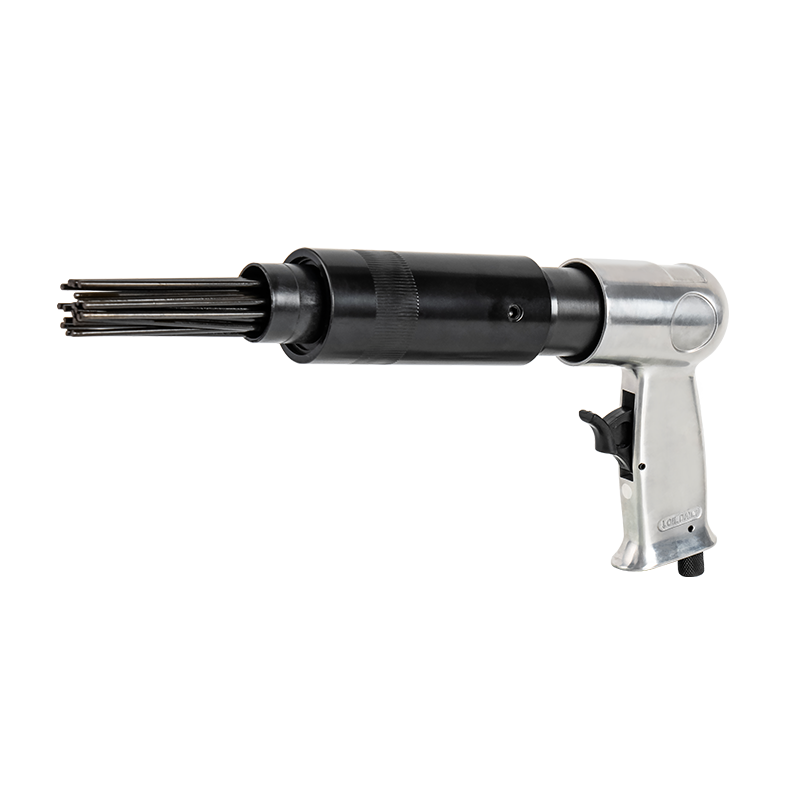
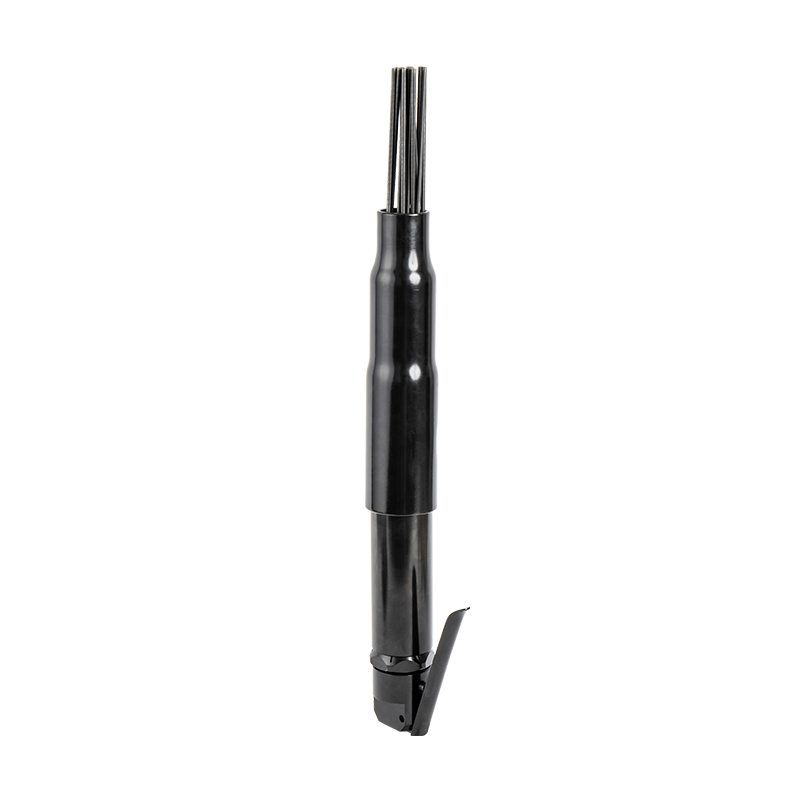
RH-464 Pneumatic Corner Needle Scaler
-
RH-460 Mini Compact Pneumatic Air Needle Scaler
-
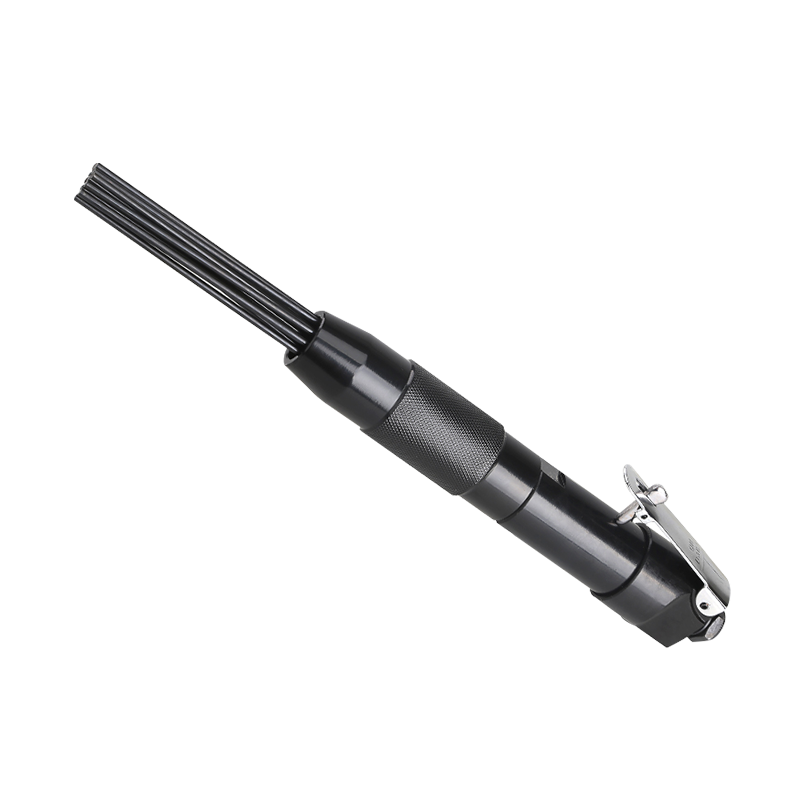
RH-462 Portable Industrial Straight Needle Scaler
-
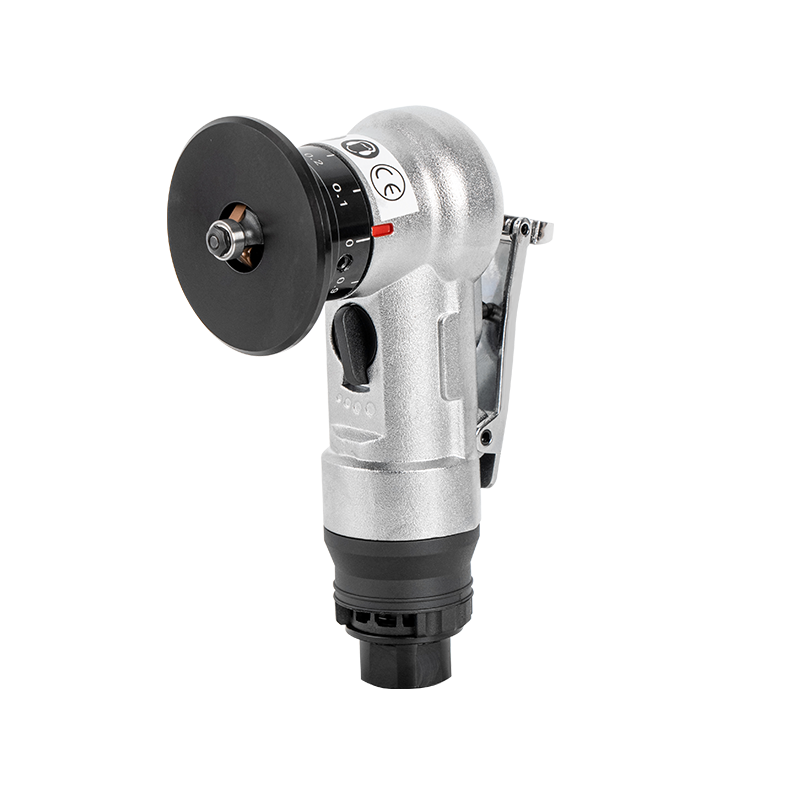
RH-7034C Portable Pneumatic Chamfering Machine
-
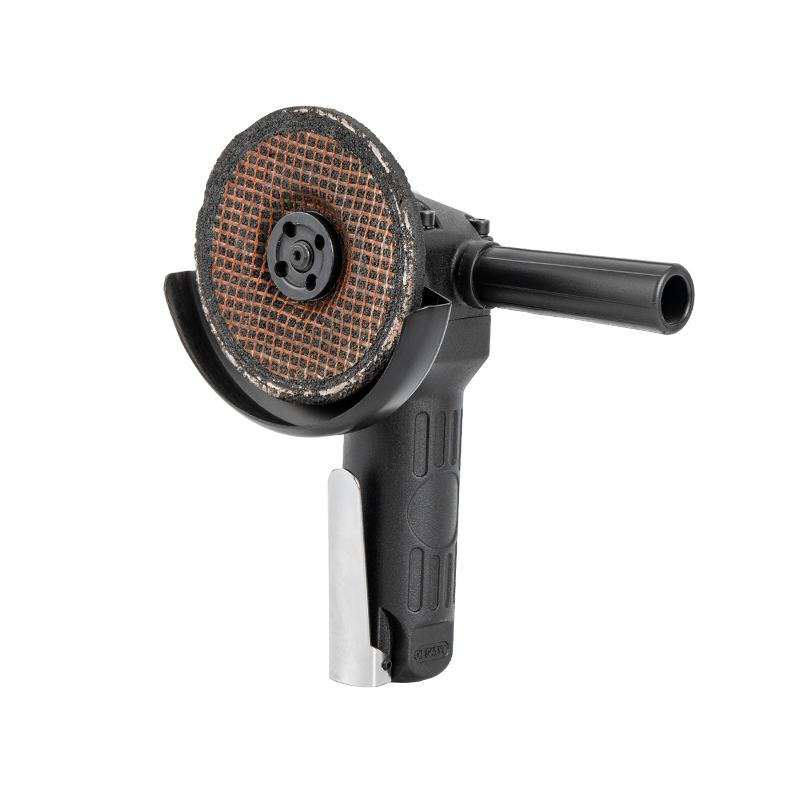
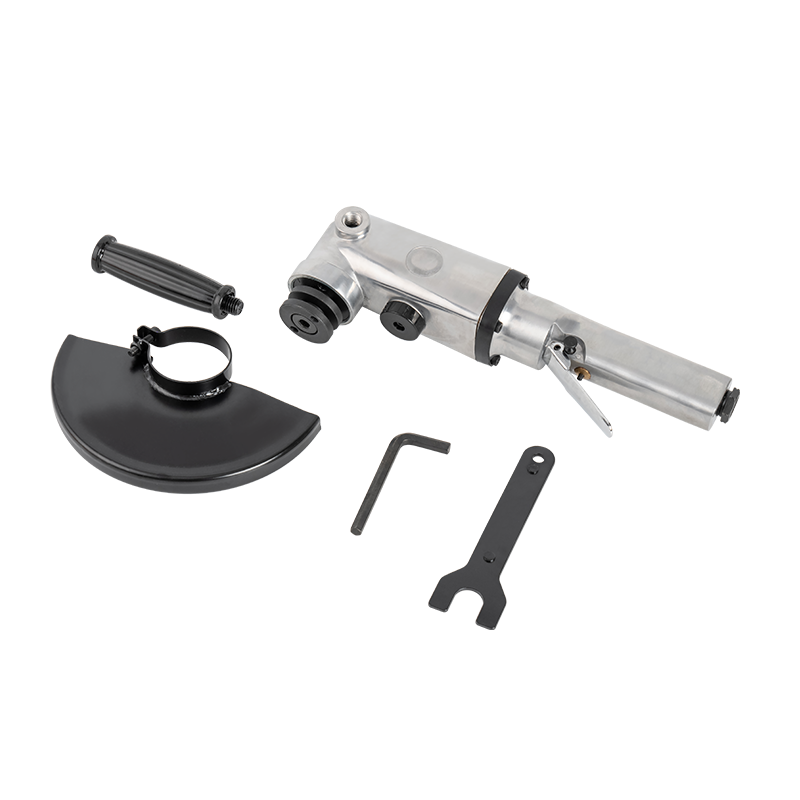
RH-7034B Central Pneumatic 4" Air Angle Grinder
-
RH-7034D 7" Hand Held Angle Grinder
-
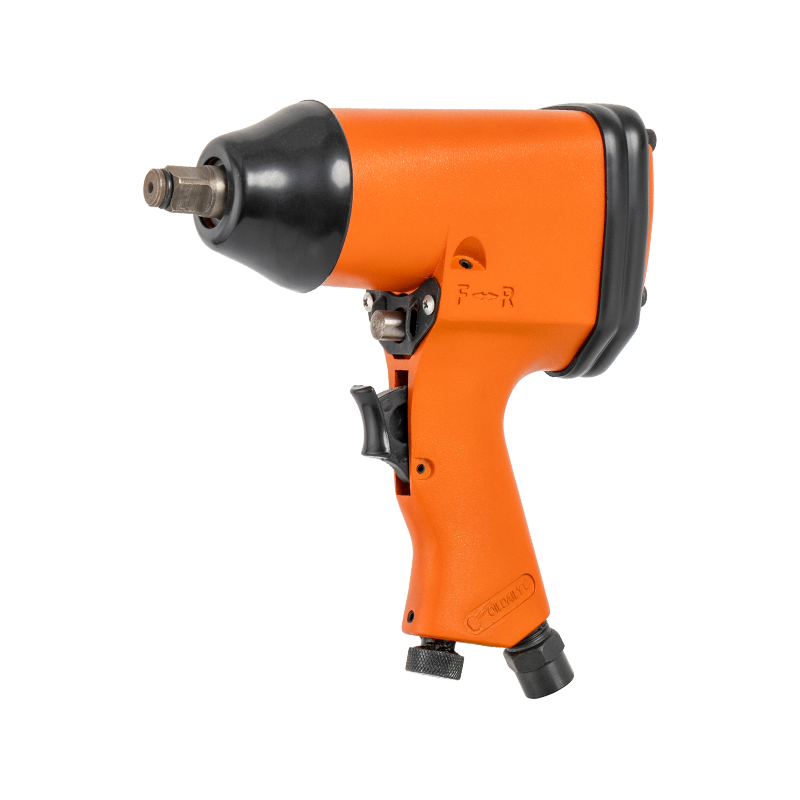
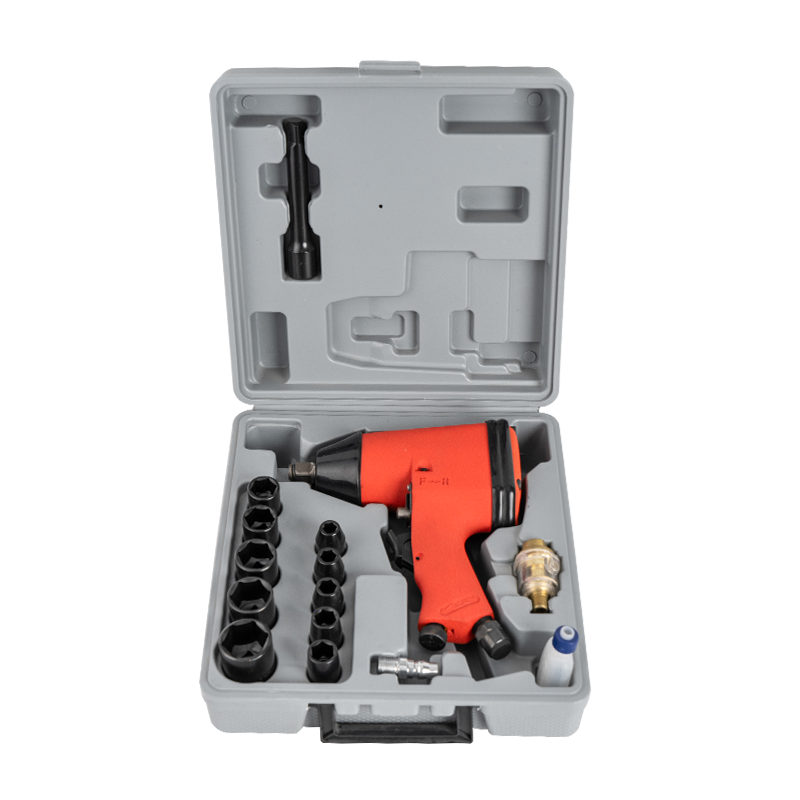
RH-160 1/2" Drive Single Hammer Air Pneumatic Impact Wrench
-
RH-160K Cordless Electric Rechargeable Air Impact Wrench Kit
-
RH-112 1/2" Universal Electric Ratchet Wrench Hand Tool
-
RH-128 1/2" High Torque Electric Ratchet Wrench
-
RH-138 3/8" Long Head Portable Cordless Electric Ratchet Wrench
-
RH-148 1/4" Electric Battery Ratchet Wrench
CONTACT OUR EXPERTS
AND GET A FREE CONSULTATION!
Ningbo Haishu Renhao Pneumatic Co., Ltd.
 Address: Jiangbei District Ningbo City in Zhejiang Province by the Keli industrial ParkL Building 15th
 Phone: +86-139 0668 0779
 Tel: +86-139 0668 0779
 Fax: +86-139 0668 0779
 E-mail:[email protected]


