


 عربى
عربى 中文简体
中文简体Search by posts
Calendar
Product Categories
Industry News
 By Admin
Socket Wrench 1/4 vs 3/8, Torque Wrench Size & Air Impact Guide
The combination of a socket wrench, a torque wrench, and an air impact wrench covers virtually every fastening and unfastening task in automotive, motorcycle, appliance, and general mechanical work. These three tools work together as a system: the air impact wrench removes fasteners quickly and breaks loose seized bolts; the socket wrench handles moderate torque fastening and disassembly with precise manual control; and the torque wrench ensures that critical fasteners are tightened to the exact specification required for safety and proper component function. Choosing the right drive size for each tool and understanding how each works are the foundational decisions that determine whether your tool kit serves you efficiently or creates frustration and risk. The direct answers to the core questions this article addresses are as follows. For the socket wrench 1/4 vs 3/8 decision: a 1/4 inch drive set is the correct choice for small fasteners in tight spaces (electronics, interior trim, small engine components), while a 3/8 inch drive set is the correct choice for the majority of general automotive work (engine bay, suspension, brake components, and most bodywork fasteners). For what size torque wrench for car use: a 3/8 inch drive torque wrench ranging from 20 to 150 Nm covers approximately 80 percent of automotive torque specifications, and adding a 1/2 inch drive torque wrench ranging from 40 to 300 Nm covers wheel nuts, cylinder head bolts, and other high torque fasteners. For what size torque wrench should I get as a first purchase: a 3/8 inch drive click type torque wrench with a range of 10 to 150 Nm is the most practical first torque wrench for anyone doing general vehicle maintenance. For how does air impact wrench work: the tool uses compressed air to spin a vane motor at high speed, which drives a hammer and anvil mechanism that delivers repeated high energy rotational impulses to the output socket, achieving peak torque of 500 to 1,200 Nm through momentary impulse amplification that would be impossible with continuous rotation alone. This article covers all four topics in full practical depth. The drive size of a socket wrench refers to the square drive post on the ratchet head that engages the square recess in the socket. The drive size determines the maximum torque the ratchet handle can transmit without risk of failure, the physical size range of sockets that connect to it, and the overall compactness of the tool in confined spaces. Understanding when to use a 1/4 inch drive versus a 3/8 inch drive is one of the most practically important decisions in assembling a functional tool kit. A 1/4 inch drive ratchet has a square drive post measuring one quarter of an inch (6.35 mm) per side. This small drive size is matched to smaller and lighter socket bodies, shorter ratchet handles, and lower torque applications where the fasteners being driven are small and the required tightening torque is modest. The 1/4 inch drive system is most appropriate for: A 3/8 inch drive ratchet has a square drive post measuring three eighths of an inch (9.53 mm) per side. This medium drive size is the workhorse of the automotive and general mechanical tool range, providing a practical balance between handle size and compactness, torque capacity, and the range of fastener sizes it can address. For the majority of automotive maintenance and repair work, a 3/8 inch drive socket set in the range of 6 mm to 24 mm metric and 1/4 inch to 15/16 inch imperial covers approximately 90 percent of fastener sizes encountered in an engine bay, suspension system, brake assembly, and exhaust system of a typical passenger car or light truck. The 3/8 inch drive is appropriate for: While the socket wrench 1/4 vs 3/8 comparison covers the most common tool selection decision, there is a third drive size that completes the practical toolkit: the 1/2 inch drive. A 1/2 inch drive ratchet is required for high torque fasteners that exceed the safe torque capacity of a 3/8 inch drive system. The practical upper limit for reliable 3/8 inch drive use is approximately 150 to 180 Nm; beyond this, the drive post, the socket body, or the ratchet mechanism is at risk of failure under the combined force of the wrench handle length and the operator's strength. For fasteners requiring 200 Nm and above, a 1/2 inch drive system is the correct specification. Wheel nuts (typically 100 to 200 Nm depending on vehicle), crankshaft pulley bolts (100 to 350 Nm), cylinder head bolts (80 to 200 Nm in stages), and axle nut torques (200 to 450 Nm) all require 1/2 inch drive tools. The torque wrench is the precision instrument of the fastening toolkit, used after power tools and ratchets have brought fasteners nearly to their final position to verify and complete tightening to the exact specification required by the vehicle manufacturer. Using the wrong size torque wrench for a car application produces two categories of risk: using a wrench that is too large for the fastener (the wrench range starts above the required torque value, making accurate setting impossible at the low end) and using a wrench that is too small for the fastener (the required torque exceeds the wrench's maximum, risking overloading and damaging the wrench mechanism while still not confirming correct tightening). Torque wrenches are most accurate in the middle portion of their rated range, specifically between 20 and 80 percent of their maximum rated torque. Operating at or near the bottom of the range (below 20 percent of maximum) produces readings that are unreliable due to the stiffness of the mechanism at low spring compression. Operating at the very top of the range (above 80 to 90 percent of maximum) risks damaging the mechanism and produces readings with poorer repeatability. This principle means that selecting a torque wrench rated from 0 to 340 Nm for tightening a fastener to 20 Nm will produce a very inaccurate result, even though 20 Nm is technically within the rated range. The correct wrench for 20 Nm of target torque would have a maximum range of 25 to 100 Nm, keeping the target torque within the accurate mid range of the instrument. The torque specifications required in passenger car and light truck maintenance span a wide range, from delicate sensor and trim fasteners at 5 to 15 Nm through to wheel nuts and cylinder head bolts at 100 to 200 Nm and above. No single torque wrench covers this entire range accurately, which is why most professional mechanics and serious enthusiasts use two torque wrenches with different ranges. The most common automotive fastener torque specifications and the appropriate torque wrench for each are: Based on the above analysis, the recommended torque wrench complement for a comprehensive home automotive tool kit consists of two instruments: For someone buying their first torque wrench without an existing collection, the question of what size torque wrench should I get is best answered by identifying the single most common high stakes fastening task they anticipate performing and selecting the wrench range that covers that task accurately and with the correct drive size for the associated sockets. The following analysis provides a structured guide for different user scenarios. The best single first torque wrench for general car maintenance is a 3/8 inch drive click type instrument with a range of 10 to 150 Nm. This combination covers the vast majority of automotive torque specifications encountered in typical maintenance tasks including oil changes (drain plug and filter housing), brake work (caliper bolts and bracket bolts), spark plug replacement, suspension component service, and many engine component tasks. The 3/8 inch drive size matches the socket wrench set that most home mechanics already own as their primary ratchet set, minimizing the need for drive adapters. The click type mechanism (which produces an audible and tactile click when the target torque is reached) is the most reliable and user friendly torque wrench technology for non specialist users, providing clear feedback that prevents both undertorquing and inadvertent overtorquing. Modern bicycles, particularly carbon fiber frame bicycles, have very low fastener torque specifications (typically 2 to 10 Nm for seatpost clamps, stem bolts, and handlebar clamps) where overtorquing causes catastrophic structural damage to the carbon fiber components. For this application, a dedicated low range torque wrench with a range of 2 to 24 Nm in 1/4 inch drive is the correct specification, paired with appropriate Allen key (hex) socket adapters. Standard automotive range torque wrenches are completely unsuitable for carbon bicycle work because the torque specifications fall below 20 percent of their minimum practical range. Motorcycle work spans a wider range from small fasteners at 5 to 15 Nm through to engine case bolts and axle nuts at 80 to 150 Nm, making a 3/8 inch drive wrench in the 10 to 100 Nm range the most practical single instrument solution for general motorcycle maintenance. Professional automotive workshops and fleet service operations require torque wrenches calibrated to national standards traceable to SI measurement references, with calibration certificates renewed at 12 month intervals per ISO 6789 requirements. The recommended toolkit for professional workshop automotive service includes: a 1/4 inch drive torque wrench ranging from 2 to 25 Nm for sensor and trim work; a 3/8 inch drive torque wrench ranging from 10 to 150 Nm for general engine and chassis work; a 1/2 inch drive torque wrench ranging from 50 to 350 Nm for wheel nuts, suspension, and high torque engine work; and an additional large range 1/2 inch drive torque wrench from 100 to 600 Nm for heavy commercial vehicle and truck related work if applicable. These four instruments together cover the complete automotive torque specification range without any application requiring operation near the top or bottom of any instrument's range. The air impact wrench is one of the most powerful hand held tools available to automotive technicians and industrial workers, capable of delivering hundreds of Newton meters of torque to a fastener in fractions of a second. Understanding how does air impact wrench work at a mechanical level explains why it can generate torque levels far exceeding what any human operator could produce by hand, and why the same mechanism that makes it so effective at removing fasteners also makes it unsuitable for precision tightening to a specific torque value. Compressed air from a compressor, typically supplied at 6 to 8 bar (90 to 120 PSI) through a flexible hose, enters the air impact wrench through the inlet port at the bottom of the tool body. The trigger valve controls the flow of compressed air from the inlet to the motor, allowing the operator to start and stop the tool and, in variable flow trigger designs, to modulate the air flow rate to control the output speed. The compressed air drives a pneumatic vane motor consisting of a cylindrical rotor mounted eccentrically within a cylindrical motor housing. The rotor carries 4 to 6 spring loaded vanes that slide radially in slots machined around the rotor circumference. As the compressed air enters the motor housing and acts on the vane faces, it pushes the vanes outward against the housing wall and drives the rotor to spin at speeds of 8,000 to 12,000 RPM in professional grade air impact wrenches. The eccentric mounting of the rotor within the cylindrical housing creates a series of expanding and contracting chambers between adjacent vanes as the rotor rotates, producing a continuous and smooth driving force on the rotor throughout each revolution. The high speed continuous rotation of the pneumatic motor would, by itself, produce only modest torque at the output drive if connected directly to the socket. The transformative component of the air impact wrench is the hammer and anvil impact mechanism that converts this continuous high speed rotation into a series of powerful rotational impulses delivered to the output drive. The most common impact mechanism design, used in the majority of commercial air impact wrenches, is the twin hammer design (sometimes also called the double lug or pin clutch design). Its operation can be described in the following sequential stages within each revolution of the hammer: The torque amplification achieved by the impact mechanism is the most remarkable aspect of how does air impact wrench work. The continuous torque produced by the pneumatic vane motor at its operating speed is typically 20 to 50 Nm, representing the steady state torque available from the motor's pressure differential acting on the vane surfaces. Yet the same air impact wrench delivers peak socket torque of 500 to 1,200 Nm, which is 25 to 30 times the motor's continuous torque output. This amplification occurs because the hammer stores rotational kinetic energy during the free spin phase and releases it all instantaneously during the impact phase. The impulse duration is typically 0.5 to 2 milliseconds, and within this brief window the power delivered to the anvil is equal to the entire kinetic energy of the hammer divided by the impulse duration. This instantaneous power transfer is several orders of magnitude higher than the continuous power of the motor, and it is this power concentration that produces the extremely high peak torque that breaks loose seized fasteners that no continuous rotation tool could move. The brief duration of each impulse also explains the key safety feature of the air impact wrench: because each impulse lasts only a few milliseconds and the hammer disengages immediately after impact, the reaction torque felt by the operator's wrists is only a small fraction of the peak torque delivered to the fastener. The operator's muscles and skeleton cannot respond quickly enough to the impulse to absorb significant reaction force before the impulse is already over, making the air impact wrench far safer for the operator's joints than any tool that delivers equivalent torque through continuous rotation. The same impulse mechanism that makes the air impact wrench so powerful for loosening and rapid fastener driving also makes it fundamentally unsuitable for precision tightening to a specific torque value. Each hammer strike adds an unknown increment of torque to the fastener, and the tool cannot know or control when the accumulated torque has reached a specific target value. The only reliable method for ensuring that a fastener has been tightened to its specified torque after air impact wrench use is to use a calibrated torque wrench to complete the final tightening stage, after the air impact wrench has brought the fastener to nearly full engagement. This two stage process is the professional standard for all critical fastener work: air impact wrench for speed during the approach phase, torque wrench for precision at the final stage. Understanding each tool individually is the foundation, but understanding how to use socket wrenches, torque wrenches, and air impact wrenches as a coordinated system is the mark of a competent mechanic. The following workflow guidance applies this system approach to common automotive maintenance scenarios. Wheel nut work is the quintessential example of the three tool workflow in automotive maintenance. The standard professional procedure is as follows: use the air impact wrench with a 1/2 inch drive impact rated socket to rapidly break loose and remove all wheel nuts in sequence; manually thread the wheel back onto the hub and run the nuts down by hand to ensure they are properly seated without cross threading; use the air impact wrench to run the nuts down to near final torque in a star pattern across the wheel; and finally use a calibrated 1/2 inch drive torque wrench set to the vehicle manufacturer's specified torque value to verify and complete the tightening of each nut in the same star sequence. This four step process combines the speed of the air impact wrench with the precision of the torque wrench, and the manual thread on step ensures that cross threading is detected before power tools are applied. Impact rated sockets must always be used with an air impact wrench. Standard chrome plated socket wrench sockets are manufactured to a different hardness specification than impact sockets: they are harder and more brittle, optimized for controlled manual torque application where the loading is smooth and predictable. The impulse shock loads of an air impact wrench can cause these sockets to fracture suddenly, projecting sharp metal fragments at the operator or anyone nearby. Impact rated sockets (typically black oxide finish) are manufactured from tougher, slightly softer steel that deforms under shock rather than fracturing. Never use a standard socket wrench socket with an air impact wrench regardless of the apparent fit or the temptation to use whatever socket is at hand: a fractured chrome socket at 1,000 BPM is a serious projectile hazard. The combination of a properly sized socket wrench set for the majority of fastening work, a correctly ranged torque wrench for precision tightening verification, and an air impact wrench for high speed removal and driving work covers the complete range of fastening tasks in any automotive, motorcycle, or general mechanical work environment. Understanding the socket wrench 1/4 vs 3/8 decision, knowing what size torque wrench for car work you actually need, being clear on what size torque wrench should I get as a starting point, and understanding how does air impact wrench work at a mechanical level are the four knowledge foundations that enable confident, safe, and effective work with these essential tools. Beyond the drive size and range questions, selecting a torque wrench also requires choosing between different types of torque wrench mechanisms. Each type has different accuracy characteristics, different operational feedback methods, and different levels of complexity that suit different users and applications. The click type torque wrench contains a spring loaded ball and socket mechanism that produces a sharp click and a brief handle movement when the applied torque reaches the pre set value. The operator sets the desired torque by rotating the handle grip to a scale value, then applies tightening force until the click is both heard and felt. When the click occurs, the operator must immediately stop applying tightening force: continuing to drive after the click adds additional torque beyond the set value and defeats the purpose of using the wrench. The most common error with click type torque wrenches is continuing to tighten after the click has been felt, particularly in noisy environments where the audible click may not be clearly heard. Click type wrenches in the 1/4 inch, 3/8 inch, and 1/2 inch drive sizes are the standard choice for automotive and general mechanical work, providing good accuracy (typically plus or minus 3 to 4 percent when new) and reliable tactile feedback. A beam type torque wrench uses a flexible beam and a fixed pointer to indicate the applied torque on a scale mounted on the wrench body. As tightening force is applied, the beam deflects proportionally to the torque, and the pointer indicates the current torque on the scale. Beam type wrenches have no internal mechanism to wear out or require calibration: the accuracy depends only on the consistency of the beam's elastic response, which remains stable indefinitely in normal use. Beam type torque wrenches typically achieve accuracy of plus or minus 2 to 3 percent when the scale is read correctly, which can be better than a worn click type wrench that has not been recently calibrated. The limitation of beam type wrenches is that they require the operator to watch the scale while tightening, which is awkward in confined spaces where the scale face cannot be seen easily. Digital torque wrenches incorporate an electronic strain gauge sensor in the wrench body that measures applied torque continuously, displaying the current value on a digital readout and alerting the operator with buzzer or LED indication when the target torque is reached. Premium digital torque wrenches can store torque readings for multiple fasteners in sequence, enabling traceability documentation of torque values applied in critical assembly work. Digital torque wrenches typically offer better resolution and, when regularly calibrated, better accuracy than click type instruments, making them the appropriate choice for assembly operations where torque data must be recorded and archived for quality control purposes. For home workshop use, the practical advantages of a digital wrench over a quality click type instrument are modest, and the significantly higher cost is difficult to justify except for very specific applications. Many modern engine components, particularly cylinder head bolts and main bearing bolts in newer engine designs, are specified using angle torque (also called torque to yield or torque plus angle) fastening methods rather than a single final torque value. In an angle torque procedure, the fastener is first tightened to a specific initial torque value (the pre load stage), and then advanced a further specified number of degrees of rotation (the angular stage). This method takes advantage of the fact that fastener stretch, rather than torque, is the true measure of clamping load, and angle rotation after initial tension is a more reliable indicator of fastener elongation and clamping force than torque alone in high precision applications. Angle torque procedures require a torque wrench for the initial stage and an angle gauge (a protractor style device that mounts on the socket drive and measures rotation angle) for the angular stage. Attempting to substitute a single high torque value for an angle torque procedure is unsafe because the final clamping load achieved by the angle method is specifically designed for torque to yield bolts that are intended to be used only once and must be replaced each time they are removed. Using these bolts beyond their designed yield range or retightening them without replacement can cause bolt failure under thermal cycling, leading to head gasket failure or, in extreme cases, bolt fracture during engine operation. Understanding how does air impact wrench work at the mechanical level is complemented by understanding what the specifications on the product label or data sheet actually mean for real world performance. The key specifications to evaluate when selecting an air impact wrench for automotive or industrial use are as follows. The socket wrench 1/4 vs 3/8 decision, the answer to what size torque wrench for car maintenance you need, the guidance on what size torque wrench should I get as a first purchase, and the full explanation of how does air impact wrench work together form a complete knowledge foundation for building a functional and safe hand tool collection for any mechanical work context. These four questions are connected by a common theme: the right tool, correctly specified for the task, and correctly understood in its operating principles, always produces better outcomes than the wrong tool used inappropriately, regardless of how much effort and skill the operator applies.Socket Wrench 1/4 vs 3/8: Choosing the Right Drive Size for the Job
What Is 1/4 Inch Drive and When to Use It
What Is 3/8 Inch Drive and When to Use It
When 1/2 Inch Drive Becomes Necessary
Socket Wrench Drive Size Comparison Table
Drive Size
Post Dimension
Practical Torque Range
Typical Socket Range
Best Applications
1/4 inch drive
6.35 mm square
1 to 30 Nm
4 mm to 14 mm metric
Interior trim, electronics, small engine components, tight access
3/8 inch drive
9.53 mm square
5 to 150 Nm
6 mm to 24 mm metric
Engine bay, suspension, brakes, exhaust, most general automotive work
1/2 inch drive
12.7 mm square
30 to 500 Nm
10 mm to 36 mm metric
Wheel nuts, cylinder heads, crankshaft pulleys, axle nuts
3/4 inch drive
19.05 mm square
200 to 1,500 Nm
19 mm to 75 mm metric
Heavy truck, agricultural, industrial and construction equipment
What Size Torque Wrench for Car: Matching the Wrench to the Task
The Golden Rule of Torque Wrench Selection: Use 20 to 80 Percent of Range
What Size Torque Wrench for Car: Covering Common Automotive Torque Specifications
Recommended Torque Wrench Sizes for a Complete Automotive Tool Kit
What Size Torque Wrench Should I Get: The First Purchase Decision Guide
For the Home Mechanic Doing General Car Maintenance
For the Cyclist or Motorcycle Enthusiast
For Professional Workshop or Fleet Service Use
How Does Air Impact Wrench Work: The Complete Mechanical Explanation
Stage 1: The Pneumatic Motor
Stage 2: The Hammer and Anvil Impact Mechanism
Why Air Impact Wrench Torque Far Exceeds Motor Torque
Why Air Impact Wrenches Cannot Be Used for Precision Torquing
Using Socket Wrenches, Torque Wrenches, and Air Impact Wrenches Together Effectively
Wheel Nut Removal and Replacement: The Three Tool Workflow
Critical Safety Rules When Using Impact Sockets with Air Impact Wrenches
Torque Wrench Types: Click, Beam, Digital, and Angle Based Explained
Click Type Torque Wrenches: The Most Practical for General Use
Beam Type Torque Wrenches: Simple and Durable
Digital Torque Wrenches: Precision and Data Logging
Angle Torque and Its Role in Modern Engine Fastening
Air Impact Wrench Specifications and What They Mean in Practice
Recommended products
-
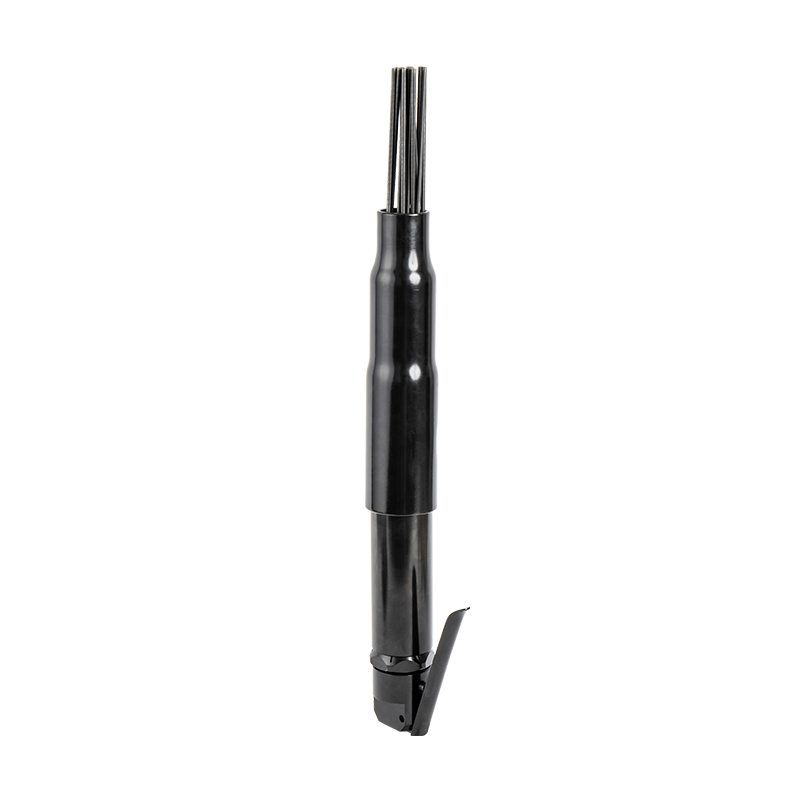
RH-464 Pneumatic Corner Needle Scaler
-
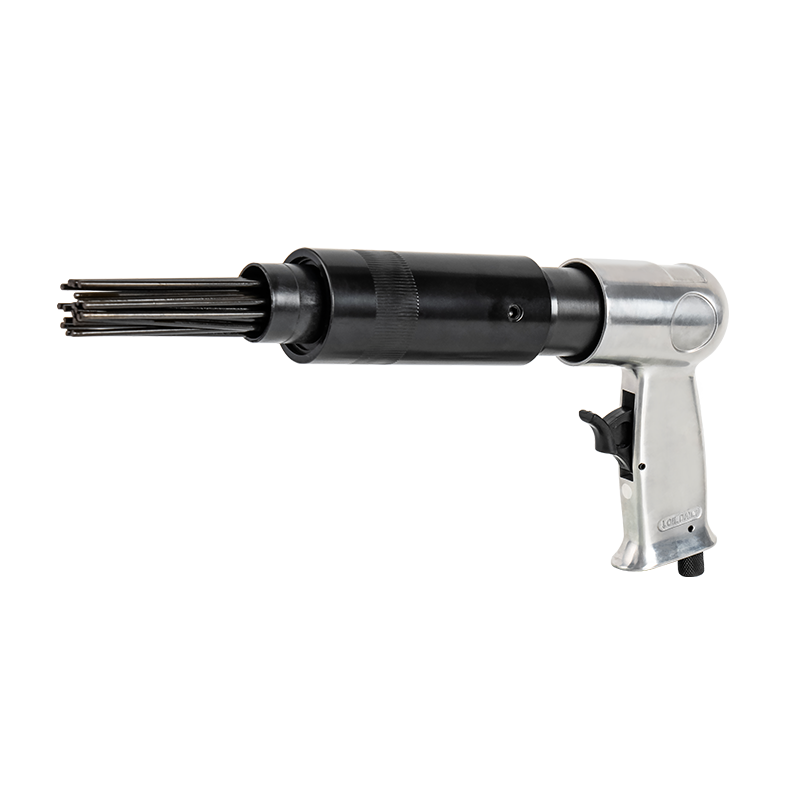
RH-460 Mini Compact Pneumatic Air Needle Scaler
-
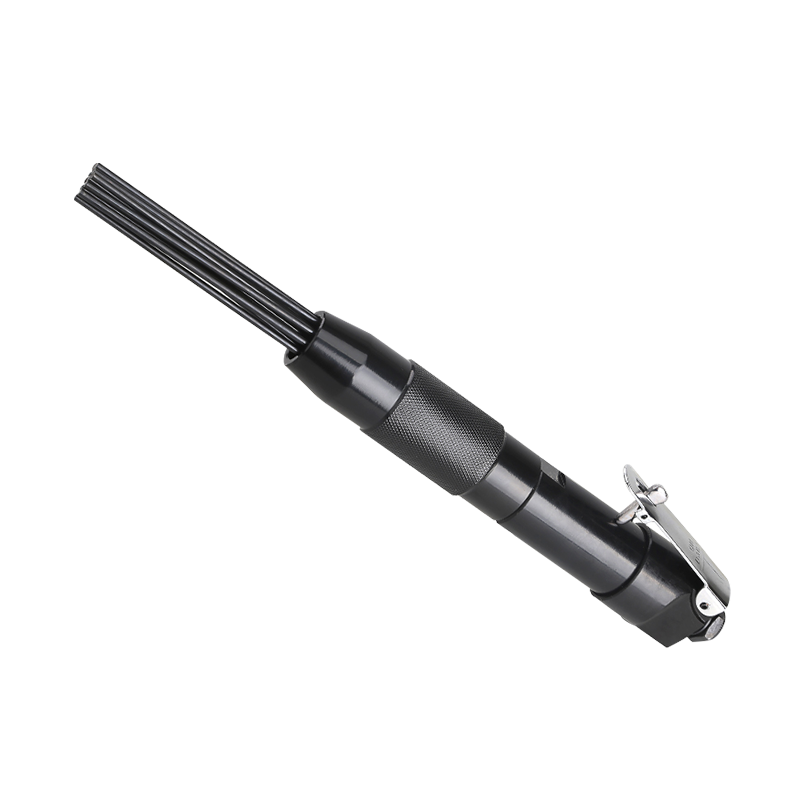
RH-462 Portable Industrial Straight Needle Scaler
-
RH-7034C Portable Pneumatic Chamfering Machine
-
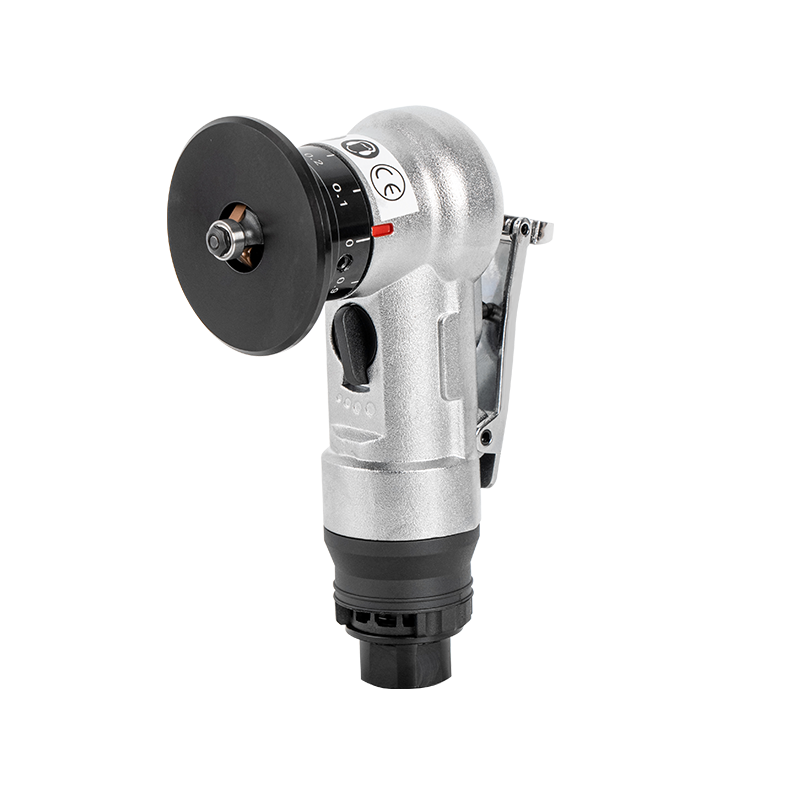
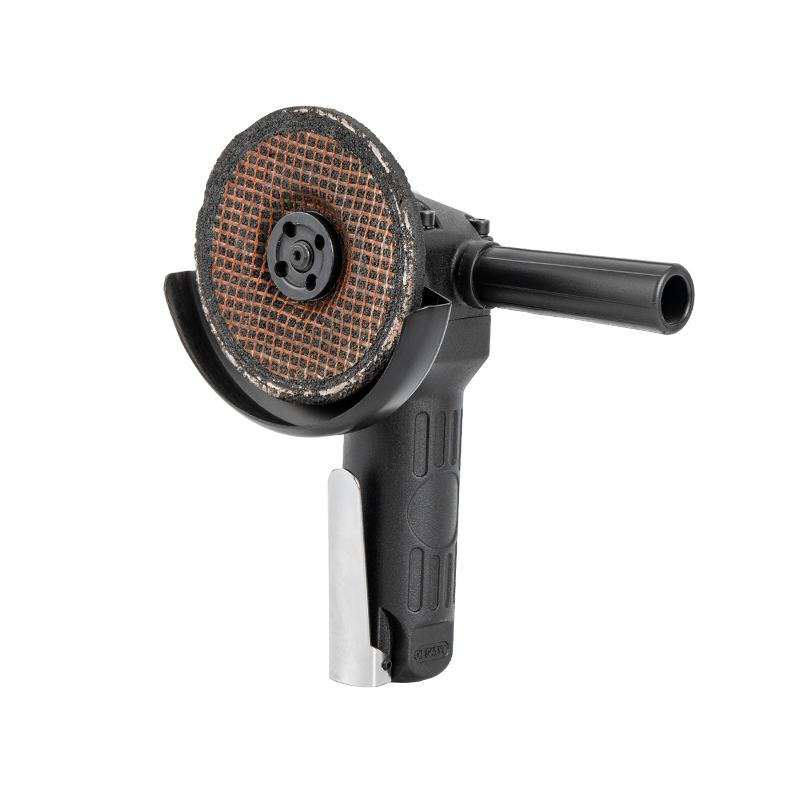
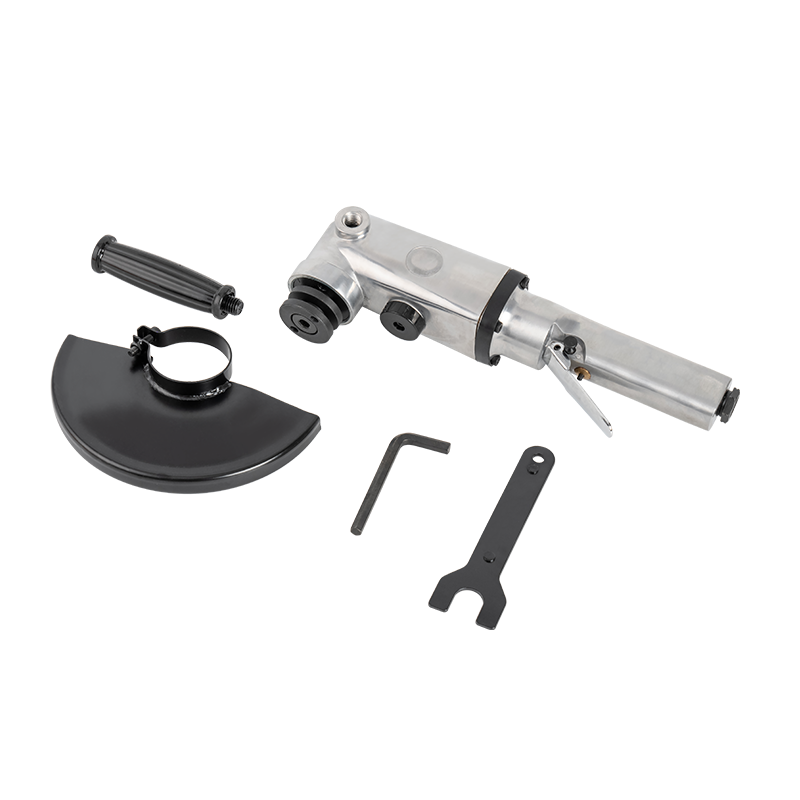
RH-7034B Central Pneumatic 4" Air Angle Grinder
-
RH-7034D 7" Hand Held Angle Grinder
-
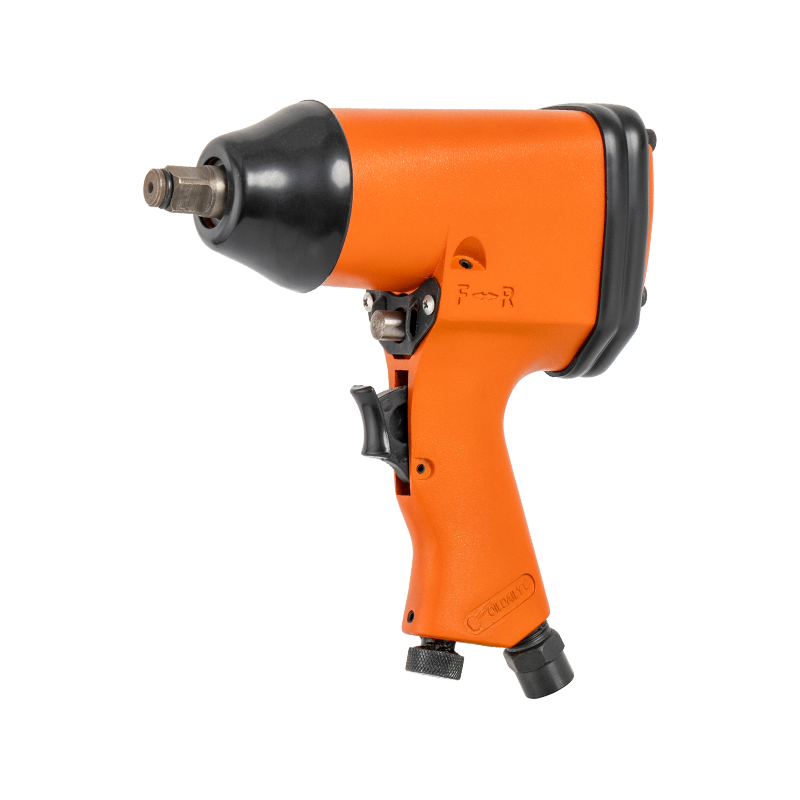
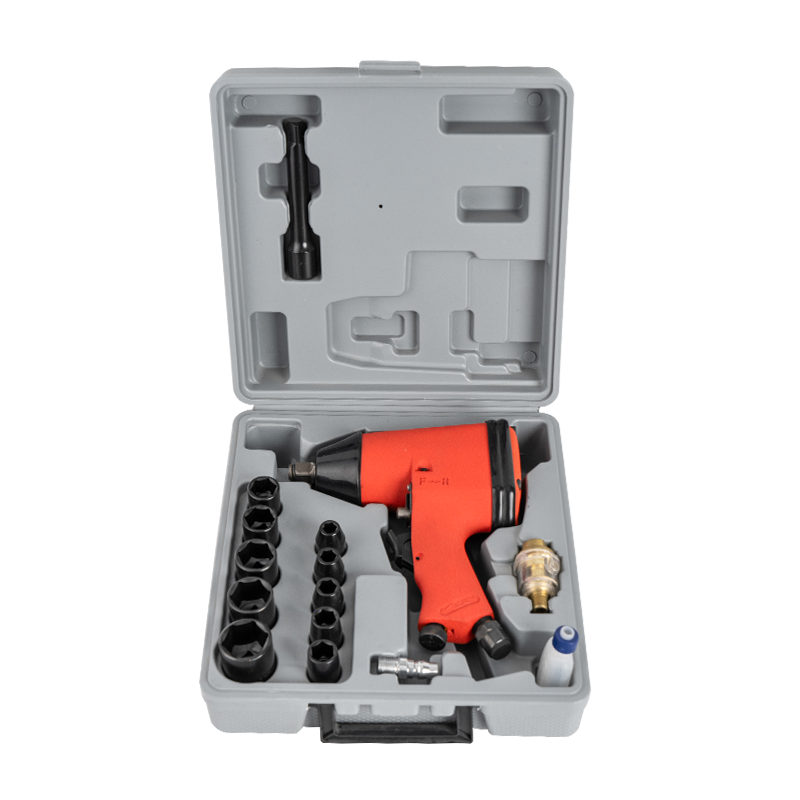
RH-160 1/2" Drive Single Hammer Air Pneumatic Impact Wrench
-
RH-160K Cordless Electric Rechargeable Air Impact Wrench Kit
-
RH-112 1/2" Universal Electric Ratchet Wrench Hand Tool
-
RH-128 1/2" High Torque Electric Ratchet Wrench
-
RH-138 3/8" Long Head Portable Cordless Electric Ratchet Wrench
-
RH-148 1/4" Electric Battery Ratchet Wrench
CONTACT OUR EXPERTS
AND GET A FREE CONSULTATION!
Ningbo Haishu Renhao Pneumatic Co., Ltd.
 Address: Jiangbei District Ningbo City in Zhejiang Province by the Keli industrial ParkL Building 15th
 Phone: +86-139 0668 0779
 Tel: +86-139 0668 0779
 Fax: +86-139 0668 0779
 E-mail:[email protected]


