


 عربى
عربى 中文简体
中文简体Search by posts
Calendar
Product Categories
Industry News
 By Admin
Why Is the Pneumatic Angle Grinder the Preferred Choice for Heavy-Duty Industrial Grinding?
In the rigorous world of metal fabrication, ship building, and automotive repair, the Pneumatic Angle Grinder stands out as an indispensable power tool designed for continuous, high-intensity use. Unlike electric alternatives that may overheat under constant load, air-powered grinders utilize compressed air to drive a high-speed turbine, offering a superior power-to-weight ratio and cooler operating temperatures. A professional pneumatic angle grinder is engineered to handle various abrasive attachments, such as grinding wheels, sanding discs, and wire brushes, making it a versatile asset for surface preparation and material removal. By understanding the mechanical advantages, operational safety, and maintenance requirements of this air-powered grinding tool, industrial operators can achieve higher precision and improved efficiency in their daily workflows.
How Does the Mechanical Engineering of a Pneumatic Angle Grinder Maximize Operational Performance?
The performance of a high-speed pneumatic angle grinder is a direct result of its simplified internal design and the physics of compressed air. This section explores the technical features that allow these tools to maintain consistent torque and speed even when subjected to significant resistance during heavy metal grinding.
-
Advanced Air Motor and Governor Systems: The heart of a 3-inch or 5-inch pneumatic angle grinder is its air vane motor. As compressed air enters the tool, it forces the vanes to spin at incredibly high revolutions per minute (RPM). Many premium models feature an internal governor that automatically regulates the air flow to maintain a constant speed when the grinding wheel meets the workpiece. This prevents the tool from "stalling" under pressure, ensuring a smooth and even finish on surfaces like steel, aluminum, or cast iron. Whether you are using a right-angle pneumatic grinder for tight spaces or a standard vertical model, this mechanical stability is crucial for professional-grade results.
-
Ergonomic Housing and Vibration Reduction: Modern industrial air grinders are built with lightweight aluminum or composite housings to reduce operator fatigue during long shifts. The design often incorporates side handles and vibration-dampening grips that absorb the oscillations generated by the rotating abrasive disc. Reducing vibration is not only a matter of comfort but also a critical safety factor, as it helps prevent long-term nerve damage such as Hand-Arm Vibration Syndrome (HAVS). A compact pneumatic angle grinder with an ergonomic throttle lever and a safety lock-off ensures that the operator has total control over the tool’s activation and handling.
-
Safety Guard Design and Spark Management: Safety is a paramount concern when dealing with tools that operate at speeds exceeding 10,000 RPM. A heavy-duty pneumatic angle grinder comes equipped with an adjustable steel safety guard that can be rotated to redirect sparks and debris away from the operator. This guard also acts as a physical barrier in the unlikely event of a grinding wheel burst. The integration of a rear-exhaust system or a specialized muffling device ensures that the cooling air is vented away from the work area, preventing dust from being kicked up into the operator's breathing zone or obstructing the view of the grind line.
To understand the capabilities of these tools, refer to the following comparison table of typical Pneumatic Angle Grinder specifications:
|
Technical Feature |
Standard Specification |
Industrial Application Benefit |
|---|---|---|
|
Air Consumption |
4 - 6 CFM at 90 PSI |
Efficient power usage for continuous operation |
|
Max Free Speed |
10,000 - 15,000 RPM |
Rapid material removal and fine surface finishing |
|
Spindle Thread |
M10 / M14 / 5/8"-11 |
Compatibility with wide range of abrasive discs |
|
Exhaust Location |
Rear or Side Exhaust |
Keeps work surface clean and protects operator |
|
Body Material |
Alloy Steel / Composite |
High durability and lightweight for long use |
What Are the Critical Applications for Professional Air-Powered Grinding Tools?
The versatility of the Pneumatic Angle Grinder allows it to cross multiple industry boundaries, performing tasks that require both brute strength and delicate precision. From removing rust to smoothing out heavy-duty welds, the air grinder is a multi-purpose workhorse.
-
Metal Fabrication and Weld Smoothing: One of the most frequent uses for a 4-inch pneumatic angle grinder is the removal of excess weld beads. After a welding process, the resulting joint often has irregular metal deposits that must be ground down to be flush with the surrounding surface. Using a high-grit grinding wheel, the air grinder can quickly flatten these beads without overheating the metal, which helps maintain the structural integrity of the weld. For more intricate fabrications, a small-diameter air grinder can reach into corners and interior angles that larger stationary grinders cannot access, providing a level of maneuverability essential for custom metalwork.
-
Surface Preparation and Rust Removal: Before a metal surface can be painted or coated, it must be completely free of oxidation, old paint, and contaminants. A pneumatic angle grinder with wire brush attachment is the ideal tool for this task. The high-speed rotation allows the wire bristles to strip away rust and scale without gouging the underlying metal. This process creates a clean, textured surface that improves the adhesion of industrial coatings. Furthermore, in automotive body shops, these tools are used to strip panels down to bare metal, ensuring that fillers and primers bond perfectly to the substrate.
-
Cutting and Slotting in Structural Steel: Beyond grinding, when equipped with a reinforced cutting-off wheel, the heavy-duty air angle grinder becomes a powerful cutting tool. It is often used to cut through metal pipes, rebar, or sheet metal on construction sites where electricity may not be readily available or where the presence of water makes electric tools dangerous. The pneumatic cutting tool provides a spark-limited environment (when used with proper lubrication or cooling) compared to some electric saws, making it a safer option in certain industrial zones. Its ability to provide high torque at the start of a cut ensures that the blade doesn't bind in the material.
How Should You Maintain Your Pneumatic Angle Grinder to Ensure Maximum Lifespan?
Because a Pneumatic Angle Grinder relies on a constant flow of compressed air, its internal components are susceptible to damage from moisture and lack of lubrication. Following a strict maintenance schedule is the only way to ensure the tool remains reliable and safe for years.
-
Daily Lubrication and Moisture Control: The most important aspect of air tool maintenance is consistent oiling. Without proper lubrication, the vanes in the air motor will experience excessive friction, leading to heat buildup and eventual motor failure. Operators should add a few drops of specialized air tool oil into the air inlet before every use. Even better is the installation of a "FRL" unit (Filter-Regulator-Lubricator) in the air line, which automatically injects a fine mist of oil into the air stream. Additionally, draining the air compressor tank daily is essential to prevent water from entering the pneumatic angle grinder, which can cause internal rust and corrosion of the precision bearings.
-
Inspection of Abrasive Wheels and Spindles: Before starting any grinding job, the operator must inspect the grinding disc for cracks, chips, or signs of wear. A damaged wheel can shatter at high speeds, causing catastrophic injury. It is also vital to ensure that the RPM rating of the disc exceeds the maximum RPM of the pneumatic angle grinder. The spindle and the mounting flanges should be checked for cleanliness and tightness; a loose or off-center disc will cause excessive vibration and can damage the tool’s internal gears. Using the correct wrench to secure the lock nut ensures that the abrasive remains stable during high-torque operations.
-
Regular Air Filter and Exhaust Cleaning: The intake filter of a professional air grinder prevents dust and metal filings from entering the motor. Over time, this filter can become clogged, causing a significant drop in power and efficiency. Cleaning or replacing this filter periodically is necessary for maintaining the tool's performance. Similarly, the exhaust port must be kept clear. If the muffling material inside the exhaust becomes saturated with oil and dust, it can create backpressure that slows down the motor. By keeping the air path clear and the internal components well-oiled, users can ensure that their Pneumatic Angle Grinder operates at peak performance for every project.
Recommended products
-
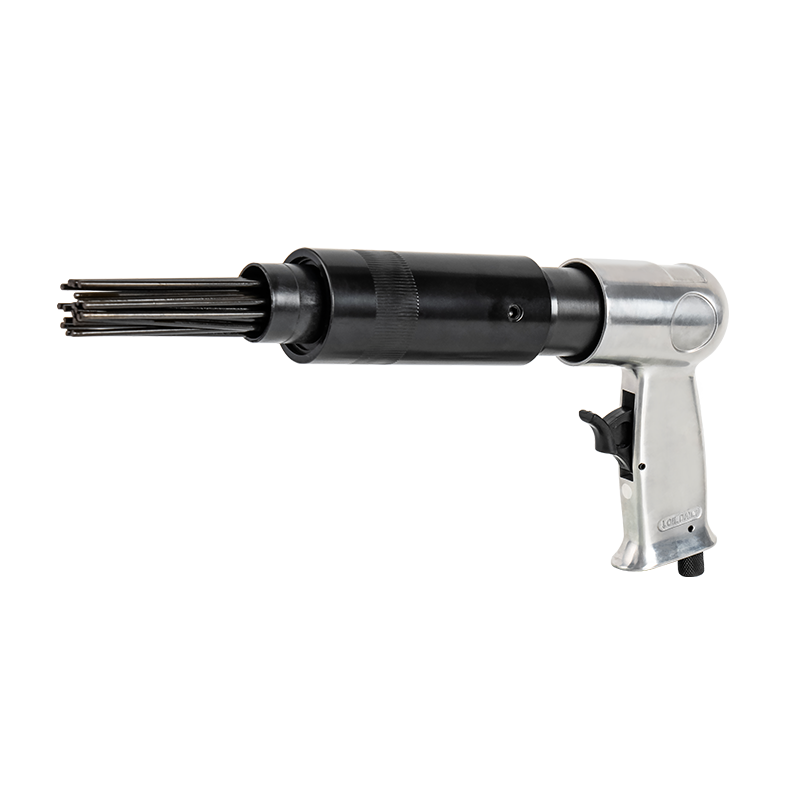
RH-464 Pneumatic Corner Needle Scaler
-
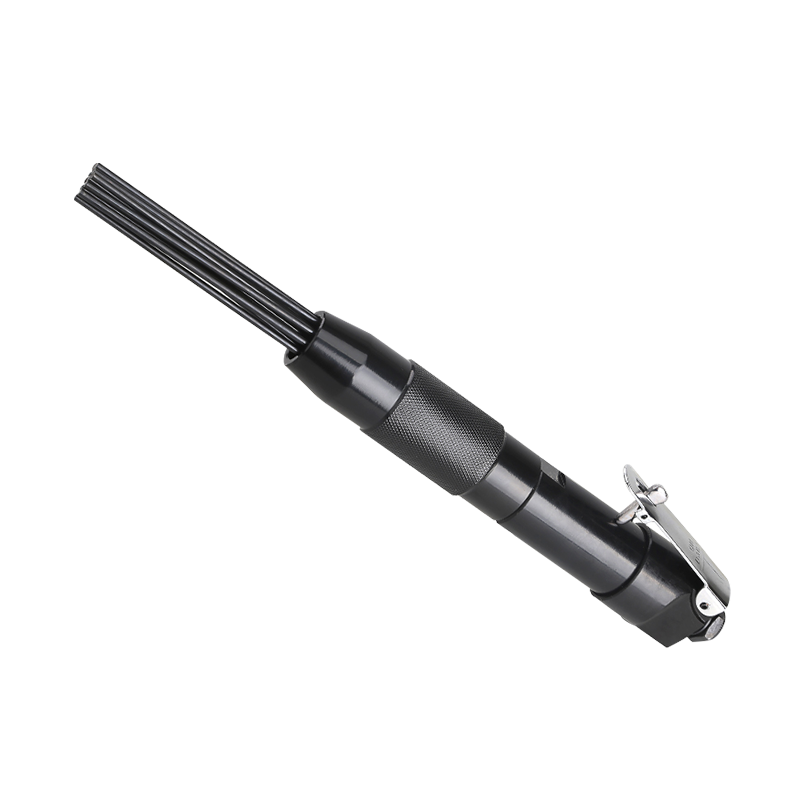
RH-460 Mini Compact Pneumatic Air Needle Scaler
-
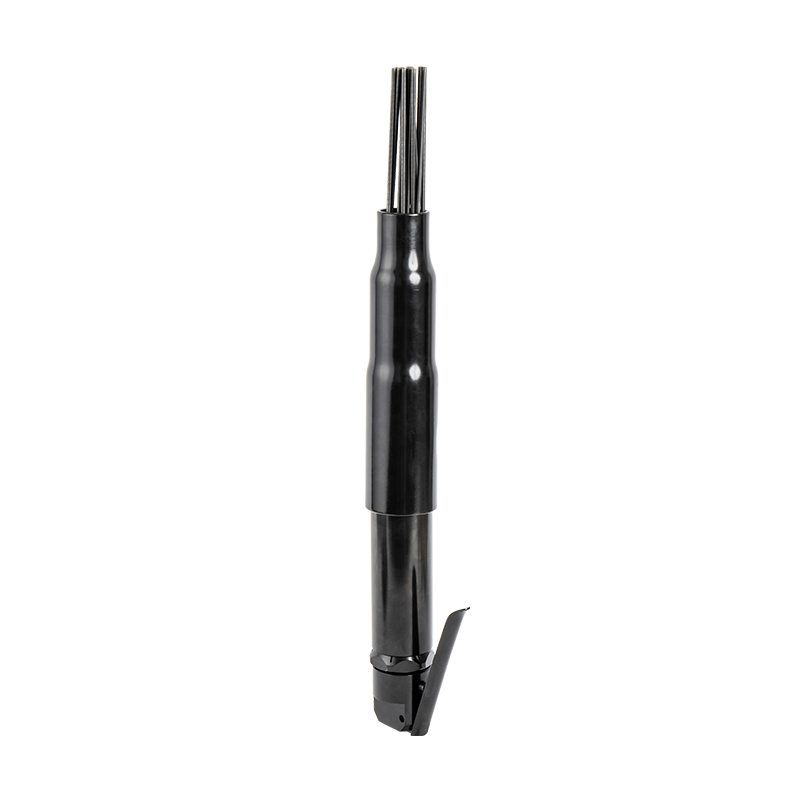
RH-462 Portable Industrial Straight Needle Scaler
-
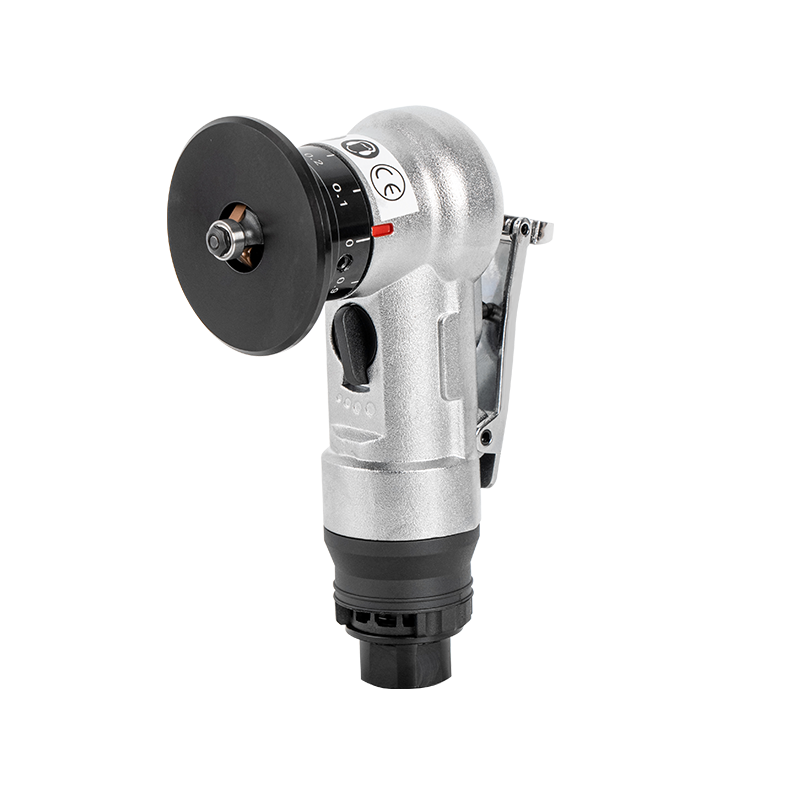
RH-7034C Portable Pneumatic Chamfering Machine
-
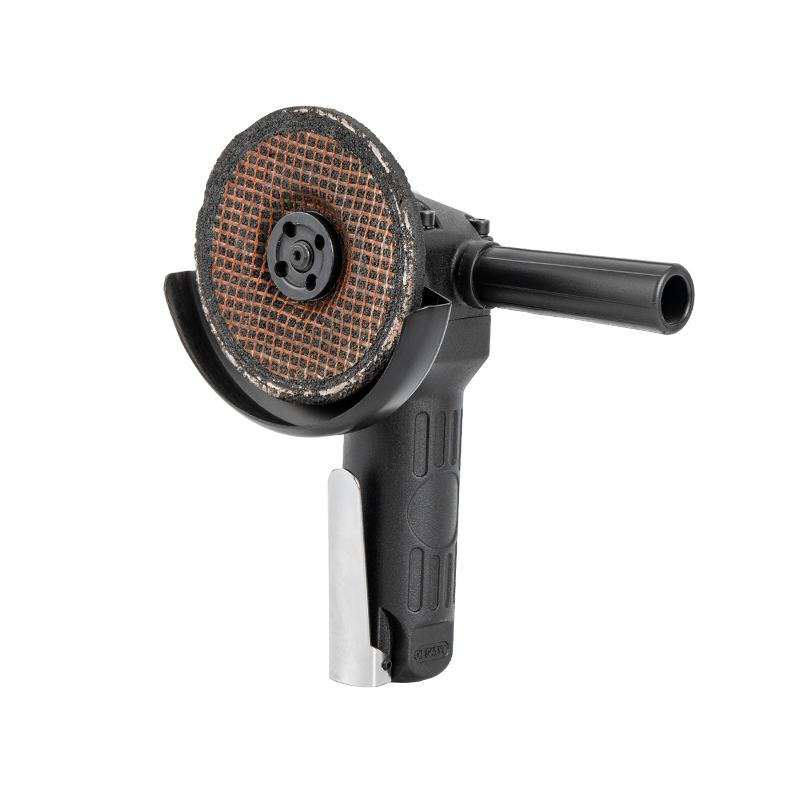
RH-7034B Central Pneumatic 4" Air Angle Grinder
-
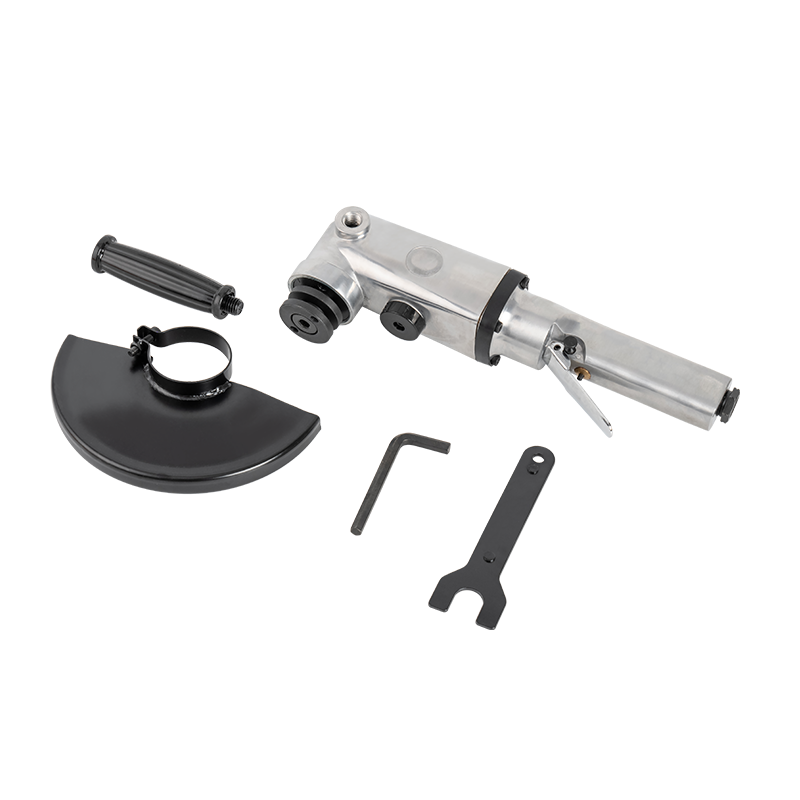
RH-7034D 7" Hand Held Angle Grinder
-
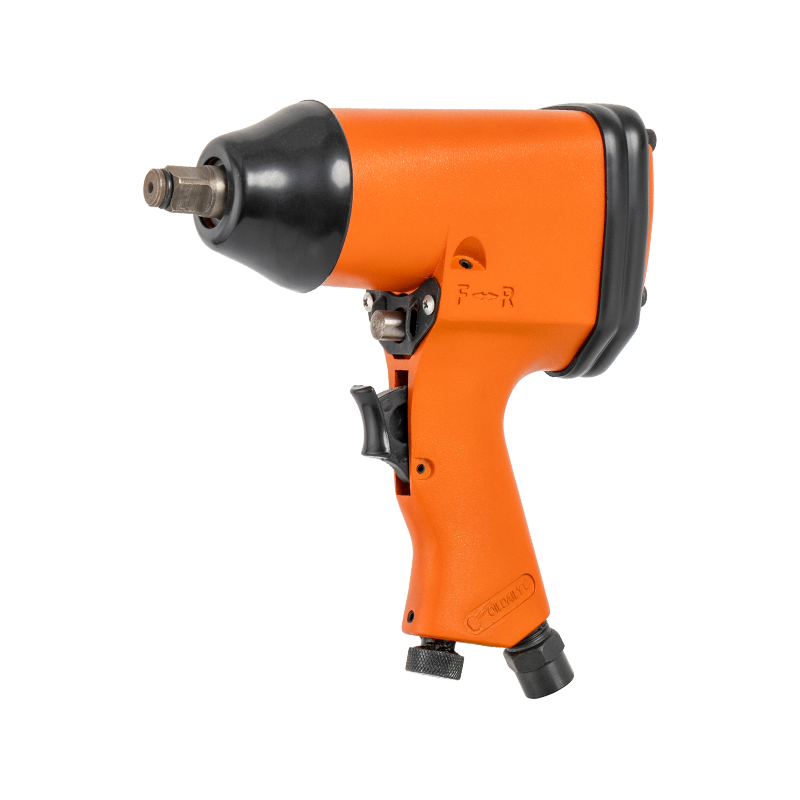
RH-160 1/2" Drive Single Hammer Air Pneumatic Impact Wrench
-
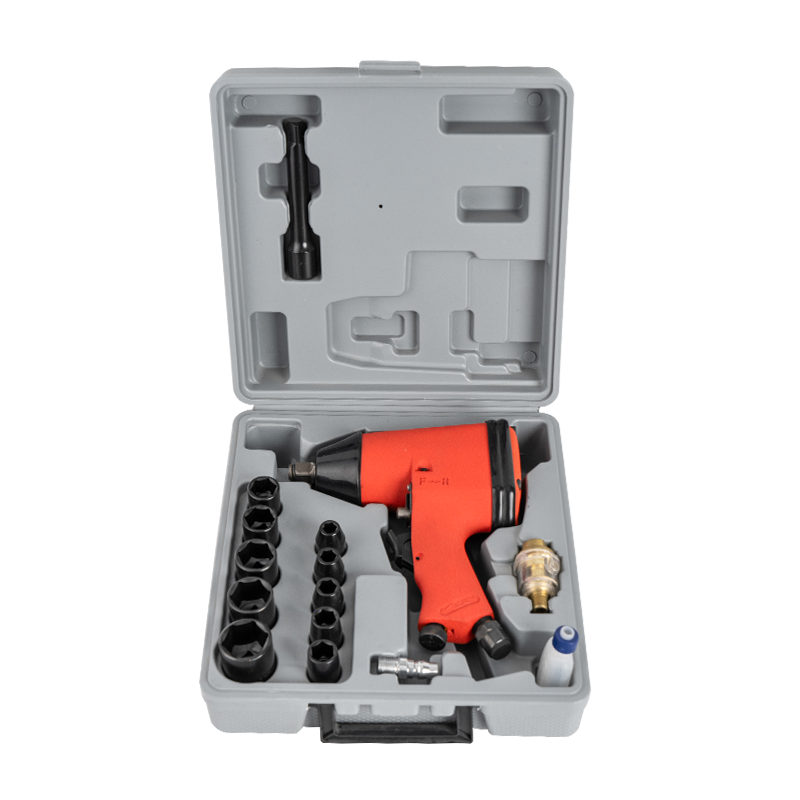
RH-160K Cordless Electric Rechargeable Air Impact Wrench Kit
-
RH-112 1/2" Universal Electric Ratchet Wrench Hand Tool
-
RH-128 1/2" High Torque Electric Ratchet Wrench
-
RH-138 3/8" Long Head Portable Cordless Electric Ratchet Wrench
-
RH-148 1/4" Electric Battery Ratchet Wrench
CONTACT OUR EXPERTS
AND GET A FREE CONSULTATION!
Ningbo Haishu Renhao Pneumatic Co., Ltd.
 Address: Jiangbei District Ningbo City in Zhejiang Province by the Keli industrial ParkL Building 15th
 Phone: +86-139 0668 0779
 Tel: +86-139 0668 0779
 Fax: +86-139 0668 0779
 E-mail:[email protected]


