


 عربى
 中文简体
Search by posts
Calendar
Product Categories
Industry News
 By Admin
Low Speed Air Die Grinder vs High Speed Air Die Grinder: Which Speed Class Fits Your Work?
For most shops, a High Speed Air Die Grinder (20000 to 25000 rpm) is the right choice for small carbide burrs, porting, deburring and fine shaping, while a Low Speed Air Die Grinder (about 7500 to 12000 rpm) is the right choice for larger abrasive wheels, wire brushes, flap wheels, sanding rolls and polishing. The comparison of a Low Speed Air Die Grinder vs High Speed Air Die Grinder is not a contest of power. It is a contest of surface speed and torque, and the accessory in the collet decides which tool is correct. The simple rule is this: small diameter cutters need high rpm, and large diameter tools need low rpm. A 6 mm burr at 25000 rpm travels at about 471 m/min at its edge. A 50 mm wheel at the same rpm would travel at about 3927 m/min, which is far beyond what most mounted wheels and brushes are built to survive. Choosing the wrong speed class wastes accessories, damages workpieces and creates real safety risk. The figures below come from published data on pneumatic die grinders in common 1/4 inch (6 mm) collet sizes. Exact values vary by maker, so use them as planning ranges and confirm them on the data sheet of the Air Die Grinder you intend to buy. Notice how similar the tools look on paper. Both use the same collet, the same inlet thread and the same hose. The difference is how the motor and any gearing convert the same air into either high speed or high torque. Rpm tells you how fast the spindle turns, but cutting performance depends on how fast the edge of the accessory travels across the metal. That value is called surface speed, and you can calculate it easily with a short formula. Surface speed in m/min = 3.1416 x diameter in meters x rpm. A larger accessory turning at the same rpm moves its edge much faster, which is why large wheels must run on low speed tools. A Low Speed Air Die Grinder is built for control, torque and large diameter accessories. It turns slower, so the accessory keeps cutting under pressure instead of stalling, and the operator can feather the tool without sudden grabbing. Power equals torque multiplied by angular speed. If two tools deliver the same 0.3 kW (0.4 hp), the one running at 12000 rpm produces about 0.24 Nm of torque, while the one at 25000 rpm produces about 0.11 Nm. That is roughly double the turning force at half the speed. This is the reason a Low Speed Air Die Grinder keeps a large wheel turning when a High Speed Air Die Grinder would slow down and bog. Small burrs and mounted points do not cut well at low rpm. Carbide teeth tend to skip, leave rough surfaces and wear faster because they rub rather than shear the metal. A Low Speed Air Die Grinder is also less suited to detailed porting and fine contour work. A High Speed Air Die Grinder is the precision cutting tool. At 20000 to 25000 rpm, small carbide burrs and mounted points reach their ideal cutting speed and remove metal cleanly with little pressure. Speed gives smoother cutting. A 6 mm carbide burr running at 471 m/min cuts aluminum and mild steel with crisp chips, while the same burr at 226 m/min leaves a rougher finish and needs more pressure. Many compact High Speed Air Die Grinder models also weigh only 0.4 to 0.5 kg and are less than 200 mm long, so they suit tight spaces and overhead work. The torque at the spindle is low. If you push hard or use a large accessory, the tool slows quickly. High speed also means more heat, more noise and a higher chance of a damaged accessory throwing fragments. Some compact high speed models report vibration levels near 5.6 m/s², so exposure time should be controlled. This table pairs common accessories with the speed class that usually suits them. It helps prevent the most common error, which is mounting a large accessory on a High Speed Air Die Grinder. The material you work on also influences speed choice. Soft materials melt or clog, while hard materials need either speed for cutting or torque for abrasion. A pneumatic tool is only as strong as the air that feeds it. Both the Low Speed Air Die Grinder and the High Speed Air Die Grinder run on 6.3 bar (90 psi), but the volume they consume under load can be larger than many small compressors deliver. If your compressor is small, a lighter High Speed Air Die Grinder in the 5 to 17 cfm class will serve you better than a heavy 30 cfm model that starves after thirty seconds of work. Speed is only one design choice. The body shape of the Air Die Grinder affects access and comfort as much as rpm does. Most High Speed Air Die Grinder models are straight or compact mini bodies, because small burrs are usually used in line with the arm. Many angle models run at 12000 rpm, since they carry larger wheels, brushes and sanding pads on a 90 degree head. Die grinders are small, but their accessories spin extremely fast. Following a few firm rules prevents the most serious accidents. A free spinning pneumatic motor can overspeed. Better tools include a governor that holds the spindle at its rated speed. For a High Speed Air Die Grinder, a governed motor is especially valuable because the accessory is small and balanced for one rpm range. Pneumatic motors are simple and last for years if the air is clean and dry. Most failures come from moisture, missing lubrication and collets that are worn or contaminated. Running cost is similar for both classes. Accessories are the main expense. Carbide burrs on a High Speed Air Die Grinder cost more per piece but last long when run at the right speed. Abrasive wheels and brushes on a Low Speed Air Die Grinder are cheaper per piece and wear faster, so they are bought in larger quantities. Follow this short process before you buy an Air Die Grinder. It prevents the most common purchasing errors. Many fabrication and maintenance shops own both a Low Speed Air Die Grinder and a High Speed Air Die Grinder. The two together cost far less than a single specialist machine and cover almost every task a 6 mm collet can handle. Three realistic jobs show how the speed decision works in practice. In each case, the accessory size sets the speed class, and the material sets the pressure and the technique. A 6 mm carbide burr with a coarse single cut pattern needs about 450 to 500 m/min at the edge to cut aluminum cleanly. That matches a High Speed Air Die Grinder at 25000 rpm, where the edge speed is about 471 m/min. A Low Speed Air Die Grinder at 12000 rpm would give only about 226 m/min, so the burr would load with soft metal and leave a rough surface. A 50 mm flap wheel is the usual choice. At 12000 rpm its edge speed is about 1885 m/min, which suits the wheel and blends the weld quickly. A Low Speed Air Die Grinder also holds speed when the operator leans into the seam, because torque is roughly double that of a 25000 rpm tool at equal power. A sanding roll or a small cup brush in the 25 to 38 mm range works best at low speed. The operator can feed the tool slowly along the bore without throwing wire fragments or burning the abrasive. A High Speed Air Die Grinder would spin the roll too fast and shorten its life. There is no universal winner, because each speed class solves a different problem. The Low Speed Air Die Grinder wins on torque, control and compatibility with large wheels, brushes and polishing tools. The High Speed Air Die Grinder wins on cutting efficiency with small carbide burrs, mounted points and precision shaping work. The right choice follows the accessory, the material and the air supply you have. If you remember only one rule, remember this: check the accessory diameter and its maximum rpm first, then pick the speed class that keeps edge speed in the safe and productive range. That one step improves finish quality, extends accessory life and keeps the operator safe. Models rated at about 7500 to 12000 rpm free speed are generally treated as low speed. They are built for larger wheels, brushes and polishing accessories. Models rated from 20000 to 25000 rpm are the common high speed class. Some compact models go up to 30000 or 35000 rpm for very small cutters. You can, but results are poor with small burrs. A 6 mm burr at 12000 rpm cuts at only about 226 m/min, so it chatters and wears faster than it would at 25000 rpm. Not safely unless the wheel is rated for the tool free speed. A 50 mm wheel at 25000 rpm reaches about 3927 m/min, which is above the rating of many wheels. Published figures range from about 3 cfm for light mini models to about 17 to 25 cfm at load for common 20000 rpm models, and up to 38 cfm for heavy duty units. Always size the compressor above the tool demand. Most tools are rated for about 6.3 bar (90 psi) measured at the tool with the trigger pulled. Higher pressure does not improve results and can damage the motor. A hose with an inner diameter of at least 10 mm (3/8 inch) is standard. Smaller hoses cause pressure loss and slow the tool under load. Not necessarily. Rated power can be similar, but at lower speed the same power produces about twice the torque, which feels stronger under load. Most models need two to three drops of air tool oil at the inlet before each shift, unless the maker states the tool is lubrication free. Clean and dry air greatly extends motor life. A mid range tool around 20000 rpm with a governor and a 6 mm collet is a versatile start. Add a Low Speed Air Die Grinder later when you begin using brushes, flap wheels and polishing tools.Short Answer: Match the Speed to the Accessory, Not to the Job Title
Specification Comparison at a Glance
Feature
Low Speed Air Die Grinder
High Speed Air Die Grinder
Free speed
About 7500 to 12000 rpm
About 20000 to 25000 rpm (some up to 35000)
Collet size
6 mm or 1/4 inch
6 mm or 1/4 inch
Rated power
About 0.3 to 0.75 kW (0.4 to 1 hp)
About 0.24 to 0.75 kW (0.32 to 1 hp)
Weight
About 0.5 to 0.8 kg
About 0.4 to 0.8 kg
Working pressure
6.3 bar (90 psi)
6.3 bar (90 psi)
Air use under load
About 19 cfm (538 L/min) on common models
About 17 to 25 cfm (481 to 708 L/min), up to 30 cfm on heavy models
Air inlet
1/4 inch thread
1/4 inch thread
Minimum hose size
10 mm (3/8 inch)
10 mm (3/8 inch)
Vibration level
Often 2.5 to 3.4 m/s²
Often 2.5 to 5.6 m/s²
Best accessory size
25 to 75 mm wheels, brushes, pads
3 to 12 mm burrs and mounted points
Why Surface Speed Matters More Than Rpm
The formula
Accessory diameter
At 12000 rpm
At 25000 rpm
3 mm carbide burr
113 m/min
236 m/min
6 mm carbide burr
226 m/min
471 m/min
25 mm flap wheel
942 m/min
1963 m/min
50 mm abrasive wheel
1885 m/min
3927 m/min
What the numbers tell you
Where the Low Speed Air Die Grinder Wins
Best tasks for the Low Speed Air Die Grinder
Why torque is higher at lower speed
Limitations
Where the High Speed Air Die Grinder Wins
Best tasks for the High Speed Air Die Grinder
Real advantages
Limitations
Accessory Matching Guide
Accessory
Typical size
Recommended tool
Carbide burr
3 to 12 mm
High Speed Air Die Grinder
Mounted stone or point
6 to 25 mm
High Speed Air Die Grinder, check rpm rating
Diamond point
3 to 10 mm
High Speed Air Die Grinder
Flap wheel
25 to 50 mm
Low Speed Air Die Grinder
Wire cup or wheel brush
25 to 75 mm
Low Speed Air Die Grinder
Surface conditioning disc
50 to 75 mm
Low Speed Air Die Grinder
Sanding drum or roll
12 to 38 mm
Low Speed Air Die Grinder
Felt or cloth polishing bob
25 to 50 mm
Low Speed Air Die Grinder
Material Matching Guide
Material
Preferred approach
Reason
Mild steel
High Speed with carbide, Low Speed with flap wheels
Both work, depending on accessory
Stainless steel
Low to medium speed with fresh abrasive
Avoids heat discoloration and work hardening
Aluminum
High Speed with coarse single cut burr
Chips clear before the flutes clog
Cast iron
High Speed with carbide or Low Speed with stones
Dust is abrasive, protect the tool inlet
Wood and plastics
Low Speed with sanding rolls
Reduces burning and melting
Composites
Low Speed with diamond grit tools
Controls heat and delamination
Air Supply: The Hidden Limit on Both Tools
Published air consumption examples
Practical supply rules
Straight, Angle and Extended Formats
Format
Typical length
Best use
Straight inline
150 to 215 mm
General grinding, porting, flat surfaces
Right angle
150 to 190 mm, low head height
Tight corners, inside panels, flange faces
Extended nose
240 mm and longer
Deep bores, recessed areas, castings
Compact mini
About 120 mm
Light detail work and long shifts
Safety Rules That Apply to Both Speed Classes
Essential safety rules
Why governors matter
Maintenance, Lubrication and Running Cost
Interval
Action
Benefit
Every shift
Add two to three drops of air tool oil at the inlet
Protects vanes and bearings
Daily
Drain the compressor tank and line filter
Removes water that causes rust
Weekly
Clean the collet and nut, inspect for wear
Prevents slipping and runout
Monthly
Check hose fittings and exhaust muffler
Stops leaks and noise increase
Yearly
Replace vanes and bearings if power drops
Restores original speed
Buying Checklist: How to Choose Between the Two
When to buy both
Workshop Examples: Which Tool Fits Which Job
Example one: porting an aluminum cylinder head
Example two: cleaning a weld seam on a steel frame
Example three: removing rust inside a steel tube
Rule of thumb for planning
Common Mistakes to Avoid
Final Verdict on the Low Speed Air Die Grinder vs High Speed Air Die Grinder
Frequently Asked Questions About the Air Die Grinder
What rpm is considered a Low Speed Air Die Grinder?
What rpm is considered a High Speed Air Die Grinder?
Can I use a carbide burr on a Low Speed Air Die Grinder?
Can I use a large flap wheel on a High Speed Air Die Grinder?
How much air does an Air Die Grinder need?
What air pressure should I use?
What hose size does an Air Die Grinder need?
Does a Low Speed Air Die Grinder have more power?
Do I need to oil an Air Die Grinder?
Which is better for a beginner?
Recommended products
-
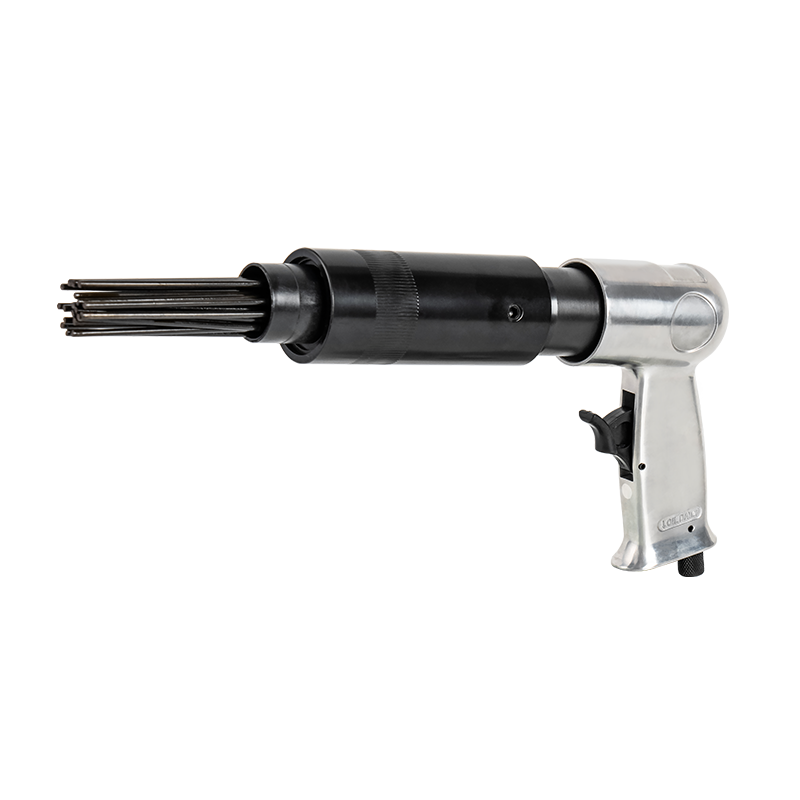
RH-464 Pneumatic Corner Needle Scaler
-
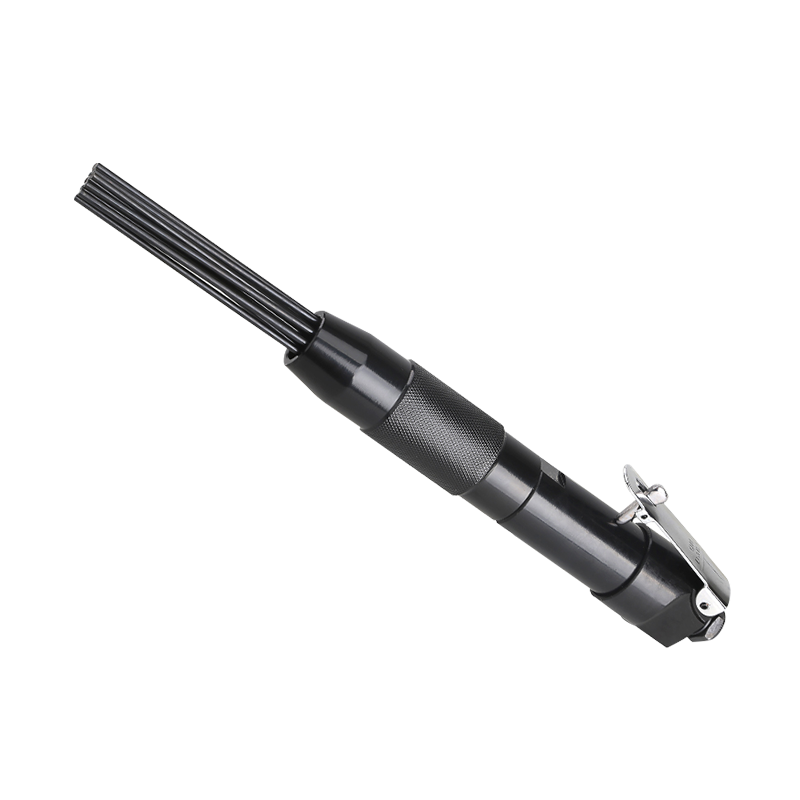
RH-460 Mini Compact Pneumatic Air Needle Scaler
-
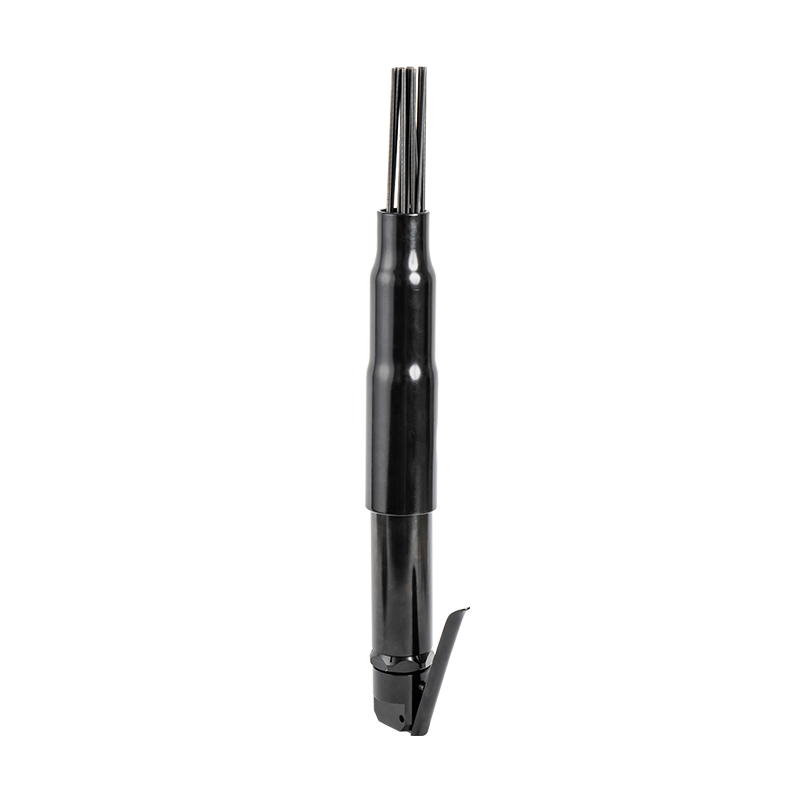
RH-462 Portable Industrial Straight Needle Scaler
-
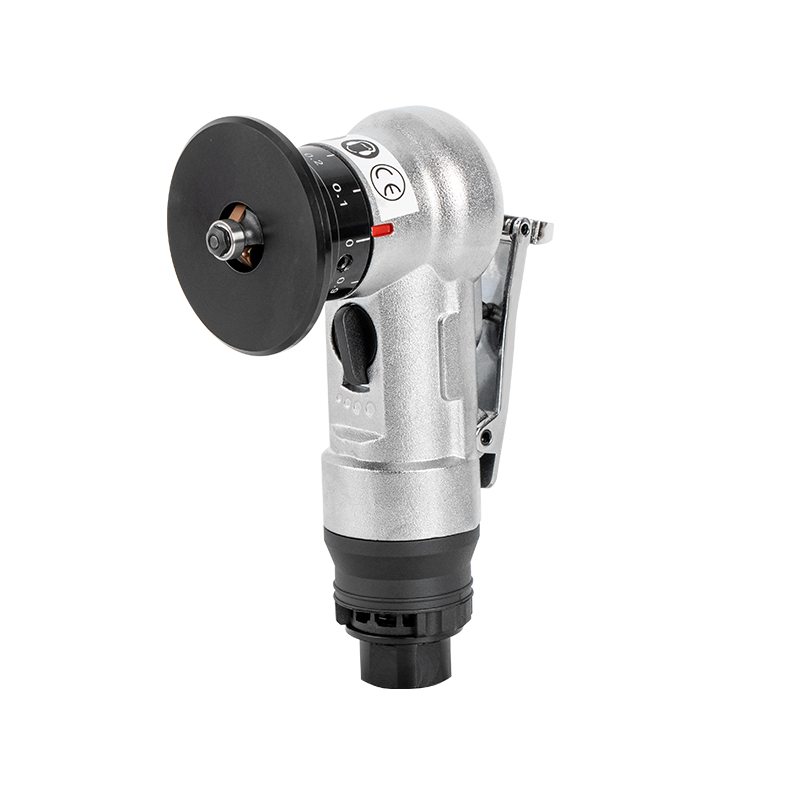
RH-7034C Portable Pneumatic Chamfering Machine
-
RH-7034B Central Pneumatic 4" Air Angle Grinder
-
RH-7034D 7" Hand Held Angle Grinder
-
RH-160 1/2" Drive Single Hammer Air Pneumatic Impact Wrench
-
RH-160K Cordless Electric Rechargeable Air Impact Wrench Kit
-
RH-112 1/2" Universal Electric Ratchet Wrench Hand Tool
-
RH-128 1/2" High Torque Electric Ratchet Wrench
-
RH-138 3/8" Long Head Portable Cordless Electric Ratchet Wrench
-
RH-148 1/4" Electric Battery Ratchet Wrench
CONTACT OUR EXPERTS
AND GET A FREE CONSULTATION!
Ningbo Haishu Renhao Pneumatic Co., Ltd.
 Address: Jiangbei District Ningbo City in Zhejiang Province by the Keli industrial ParkL Building 15th
 Phone: +86-139 0668 0779
 Tel: +86-139 0668 0779
 Fax: +86-139 0668 0779
 E-mail:[email protected]


