


 عربى
 中文简体
Search by posts
Calendar
Product Categories
Industry News
 By Admin
10MM Air Belt Sander vs 20MM Air Belt Sander: Which Width Fits Your Work Best?
For most buyers, the 10MM Air Belt Sander is the better choice for tight spaces, welds, seams and fine detail work, while the 20MM Air Belt Sander is the better choice for faster stock removal, longer surfaces and heavier daily use. If you can own only one Air Belt Sander and your work mixes body panels, pipe joints and small fabrication parts, the 20MM model gives wider coverage, but it needs a stronger air supply and fits fewer corners. The comparison of a 10MM Air Belt Sander vs 20MM Air Belt Sander comes down to three practical numbers. The first is belt width, which doubles from 10 mm to 20 mm and therefore doubles the contact strip on the workpiece. The second is air demand, which rises sharply with the larger body and longer belt. The third is tool weight, which climbs from roughly 0.5 to 0.9 kg for compact 10 mm models to about 0.8 to 1.5 kg for common 20 mm models. The table below summarizes typical published figures for pneumatic belt sanders in these two width classes. Exact values vary by maker and model, so treat the numbers as realistic planning ranges and always confirm them on the data sheet of the specific Air Belt Sander you plan to buy. Notice that working pressure is almost identical. The real difference appears in airflow. A larger body and a longer belt need more air volume to hold speed under load, and that is where most buyers run into trouble. An Air Belt Sander drives a narrow abrasive loop around a small contact arm. Because the arm is slim, it can enter spaces that a disc sander, an orbital sander or even a small angle grinder cannot reach. That is the entire reason the tool exists, and it is why the width of the belt matters so much. Both sizes also share the same weakness. They are narrow tools, so they are not efficient for large flat panels. If most of your work is broad surfaces, a larger air sander or a random orbital tool is a better primary tool, and the Air Belt Sander becomes your detail partner. The 10MM Air Belt Sander is the specialist for confined work. Its narrow arm and light body make it the first choice when the surface you must sand is hard to see, hard to reach or easy to damage nearby. A compact 10MM Air Belt Sander usually weighs between 0.5 and 0.9 kg. Over a full shift of overhead or vertical work, that difference of several hundred grams reduces wrist and forearm fatigue noticeably. It also draws less air, so it runs well on smaller workshop compressors and on long hose runs where pressure drops. Because the belt is only 10 mm wide, pressure is concentrated on a small strip. That helps you cut into a weld ridge quickly, but it also means you can gouge softer material if you press hard. Light, steady contact works best. The narrow belt covers little area. As a planning example, sanding a 200 mm wide flat strip with 20 percent pass overlap takes about 25 passes with a 10 mm belt, compared with about 13 passes with a 20 mm belt. For flat work, the difference is large. The smaller belt also wears out faster on long jobs because the same abrasive strip handles all of the cutting load. The 20MM Air Belt Sander is the production tool. It gives up some access in exchange for higher stock removal, a steadier feel on longer surfaces and, on longer belt models, much more abrasive area per belt. Doubling the belt width doubles the contact strip. The same operator doing the same work covers roughly twice the surface per pass, so total job time can drop by up to about 40 to 50 percent on flat or gently curved areas, once you allow for overlap and for the extra time spent repositioning the larger tool. Longer belts such as 480 mm and 520 mm sizes also run cooler and last longer, because the wear is spread across more abrasive area. Some 20 mm models reach free speeds of 16000 to 20000 rpm and deliver motor outputs of about 300 to 380 W. That extra power keeps the belt turning under load instead of stalling when you push into a thick weld. The body is larger and heavier, typically 0.8 to 1.5 kg. It does not fit tight corners, and it demands more air. A 20 mm tool with a 520 mm belt can consume about 30 l/s (roughly 63 cfm) under load. A small garage compressor cannot sustain that for long, and you will feel the tool slow down as the tank pressure drops. Before comparing blade shapes and prices, check your compressor. Pneumatic tools lose power quickly when the supply cannot keep up, and the larger the Air Belt Sander, the more this matters. If your compressor is small, a well tuned 10MM Air Belt Sander will outperform a starved 20MM Air Belt Sander in real use. Many buyers discover this only after purchase, so check supply capacity before choosing size. Use the table below to match a typical job with the best width. The recommendations come from how each tool behaves in common shop situations rather than from brand claims. The abrasive belt matters as much as the tool itself. A good belt on an average Air Belt Sander beats a poor belt on an expensive one. Both widths accept the same grit families, but the best choice depends on the material. A 10 mm belt is a smaller piece of abrasive and costs less per belt, but it wears out sooner. A 20 mm belt costs more per belt but handles roughly twice the area, so the cost per square meter sanded is often similar. In daily production work, the 20 mm belt usually saves time on belt changes, which is a hidden cost most buyers forget to count. Pneumatic tools are used for hours, so comfort has a direct effect on quality and safety. Tool weight, balance and vibration all influence how steady your hand stays at the end of a shift. A compact 10MM Air Belt Sander is easier to hold in one hand and to control at awkward angles. A heavier 20MM Air Belt Sander gives a more stable feel on straight runs, but over an hour of overhead work the extra weight becomes tiring. If you often sand above shoulder height or underneath vehicles, lean toward the lighter tool. Good quality tools in both classes report vibration levels below 2.5 m/s² and sound power levels around 95 dB(A). These figures are acceptable, but hearing protection, safety glasses and a dust mask or respirator are still necessary. Rubber molded grips, swivel air inlets and rear exhaust systems all help reduce fatigue and keep blown air away from the work area. Purchase price is only part of total cost. Belts, oil, filters and downtime make up the rest, and they differ between the two widths. With correct lubrication and clean, dry air, either tool can run for years in a busy shop. The most common failures come from moisture, missing oil and belts that are used long after they stop cutting. Good technique improves surface quality and protects both the operator and the tool. The same basic rules apply to a 10MM Air Belt Sander and a 20MM Air Belt Sander. Always wear safety glasses, hearing protection, gloves suited to the task and a dust mask or respirator rated for the material. Sanding metal throws sparks, and sanding old paint can release hazardous dust, so work in a ventilated area and keep flammable materials away. Use this short decision process before you place an order for an Air Belt Sander. It prevents the most common purchase mistakes. Many professional shops keep both a 10MM Air Belt Sander and a 20MM Air Belt Sander within reach. The 20 mm tool handles bulk removal quickly, and the 10 mm tool follows to clean tight corners. Together they cost less than a single large specialist tool and cover almost every situation. There is no single winner, because the two sizes solve different problems. The 10MM Air Belt Sander wins on access, weight, control and lower air demand. The 20MM Air Belt Sander wins on speed, belt life and comfort during long runs on flat or gently curved surfaces. A buyer with limited compressor capacity, tight spaces and fine detail should choose the 10 mm tool. A buyer with a strong air supply, long seams and production volume should choose the 20 mm tool. If you remember only one rule, remember this: match the belt width to the narrowest space you must reach, then confirm your compressor can feed the tool. That single step avoids most regret and produces better surfaces in less time. Yes for small and medium welds, especially with a zirconia belt in grit 36 to 60. For long or thick welds, a 20MM Air Belt Sander removes material faster and runs cooler. No. The 20 mm arm and body cannot enter slots, tight corners and narrow channels that a 10 mm tool reaches easily. Each width has a distinct role. Compact 10 mm models list roughly 0.2 to 0.4 m³/min at no load, while a 20 mm model on a 330 mm belt lists about 0.43 m³/min. Larger 520 mm models can use about 30 l/s under load, so a bigger compressor is needed. Most models are rated for about 0.6 MPa (6 bar, 90 psi) measured at the tool while it is running. Pressure above the rating shortens motor life without improving results. The common size is 10 mm wide by 330 mm long. Always check the manual for your model, because belt length and width must match the arm exactly. Common sizes are 20 x 330 mm, 20 x 480 mm and 20 x 520 mm. Choose the length that matches your tool arm and tension range. Life depends on material, grit, pressure and abrasive type. A zirconia belt on steel may last several times longer than aluminum oxide on the same job. A 20 mm belt covers about twice the abrasive area of a 10 mm belt, so it usually lasts longer between changes. Yes, with the right abrasive. Use a belt made for stainless steel, keep pressure light to avoid heat discoloration and do not reuse belts that were used on carbon steel, to prevent contamination. Yes. Wood responds well to aluminum oxide belts in grit 80 to 180. The 20MM Air Belt Sander is more efficient for shaping edges and legs, and the 10MM Air Belt Sander is better for detail inside joints and curves. Access and air supply. If the job requires entering narrow gaps, choose 10 mm. If you have enough compressor capacity and mostly open surfaces, choose 20 mm.Short Answer: Choose by Reach First, Then by Power
Specification Comparison at a Glance
Feature
10MM Air Belt Sander
20MM Air Belt Sander
Belt width
10 mm (about 3/8 inch)
20 mm (about 3/4 inch)
Common belt length
330 mm
330, 480 or 520 mm
Free speed
About 17000 rpm
About 16000 to 20000 rpm
Belt speed (compact models)
About 1100 m/min
About 1160 m/min on 330 mm models
Working air pressure
About 0.6 MPa (6 bar, 90 psi)
About 0.6 MPa (6 bar, 90 psi)
Air use, no load
About 0.2 to 0.4 m³/min
About 0.43 m³/min (330 mm), more on 520 mm models
Air use, under load
Moderate
Up to about 30 l/s (63 cfm) on 520 mm models
Weight
About 0.5 to 0.9 kg
About 0.8 to 1.5 kg
Vibration level
Often below 2.5 m/s²
Often below 2.5 m/s²
Air inlet
1/4 inch thread
1/4 inch thread
What an Air Belt Sander Does Better Than a Disc Sander
Three advantages shared by both widths
Where the 10MM Air Belt Sander Wins
Best tasks for the 10MM Air Belt Sander
Real advantages
Limitations
Where the 20MM Air Belt Sander Wins
Best tasks for the 20MM Air Belt Sander
Real advantages
Limitations
Air Supply Requirements Decide the Real Winner
Item
10MM Air Belt Sander
20MM Air Belt Sander
Recommended hose inner diameter
6 to 8 mm for short runs
10 mm minimum for runs up to 5 m
Working pressure at the tool
0.6 MPa (90 psi)
0.6 MPa (90 psi)
Compressor suitability
Small workshop units can cope
Medium or large units recommended
Tank size advice
50 liters or more
100 liters or more
Effect of weak supply
Slower belt, still usable
Noticeable stalling under load
Simple supply rules
Application Matching by Job Type
Job
Best choice
Reason
Weld bead on small tube
10MM Air Belt Sander
Narrow arm avoids touching nearby metal
Long seam on a steel frame
20MM Air Belt Sander
Fewer passes and faster removal
Paint removal on door seam
10MM Air Belt Sander
Access without damaging adjacent panel
Rust removal on a flat chassis rail
20MM Air Belt Sander
Wider strip covers more area
Inside curve or slot
10MM Air Belt Sander
Small contact arm follows tight radii
Wood table leg shaping
20MM Air Belt Sander
Faster stock removal with good control
Stainless steel deburring on small parts
10MM Air Belt Sander
Precise control on edges
High volume daily production
20MM Air Belt Sander
Lower time per part and longer belt life
Belt Grit and Abrasive Choices for Each Width
Common abrasive types
Grit guidance
Task
Suggested grit
Notes
Heavy weld grinding
36 to 60
Use zirconia or ceramic
Paint and rust removal
40 to 80
Move steadily to prevent clogging
General smoothing
80 to 120
Good balance of speed and finish
Pre finish blending
150 to 240
Light pressure only
Satin or conditioning finish
Medium or fine non woven
For visual uniformity
Ergonomics, Vibration and Operator Fatigue
Weight and balance
Vibration and noise
Practical comfort checklist
Running Cost, Maintenance and Service Life
Cost factor
10MM Air Belt Sander
20MM Air Belt Sander
Tool price
Lower to moderate
Moderate to higher
Belt price per piece
Lower
Higher
Belt change frequency
More frequent
Less frequent
Air consumption cost
Lower
Higher
Wear on vanes and bearings
Moderate
Moderate to higher under heavy load
Spare parts availability
Wide
Wide
Daily maintenance habits that extend life
Safe Operating Technique for Better Results
Technique tips
Protective equipment
Buying Checklist: How to Choose Between the Two
When to buy both
Common Mistakes to Avoid
Final Verdict on the 10MM Air Belt Sander vs 20MM Air Belt Sander
Frequently Asked Questions About the Air Belt Sander
Is a 10MM Air Belt Sander strong enough for heavy weld grinding?
Can a 20MM Air Belt Sander replace a 10MM model completely?
How much air does an Air Belt Sander need?
What air pressure should I use?
Which belt size fits a 10MM Air Belt Sander?
Which belt size fits a 20MM Air Belt Sander?
How long does an Air Belt Sander belt last?
Is an Air Belt Sander safe to use on stainless steel?
Can I use an Air Belt Sander on wood?
What is the most important factor when choosing between the two widths?
Recommended products
-
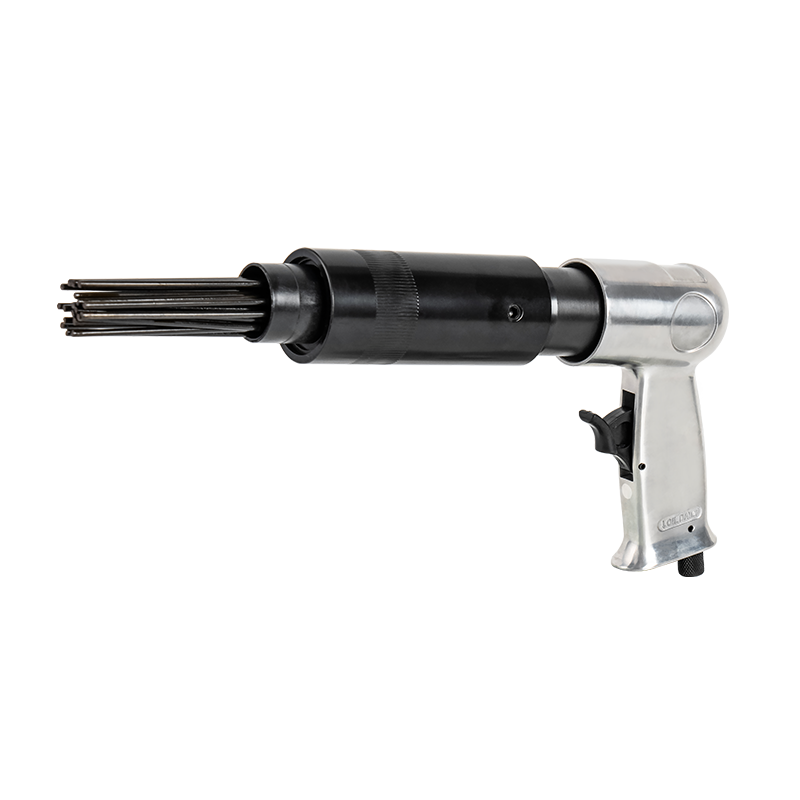
RH-464 Pneumatic Corner Needle Scaler
-
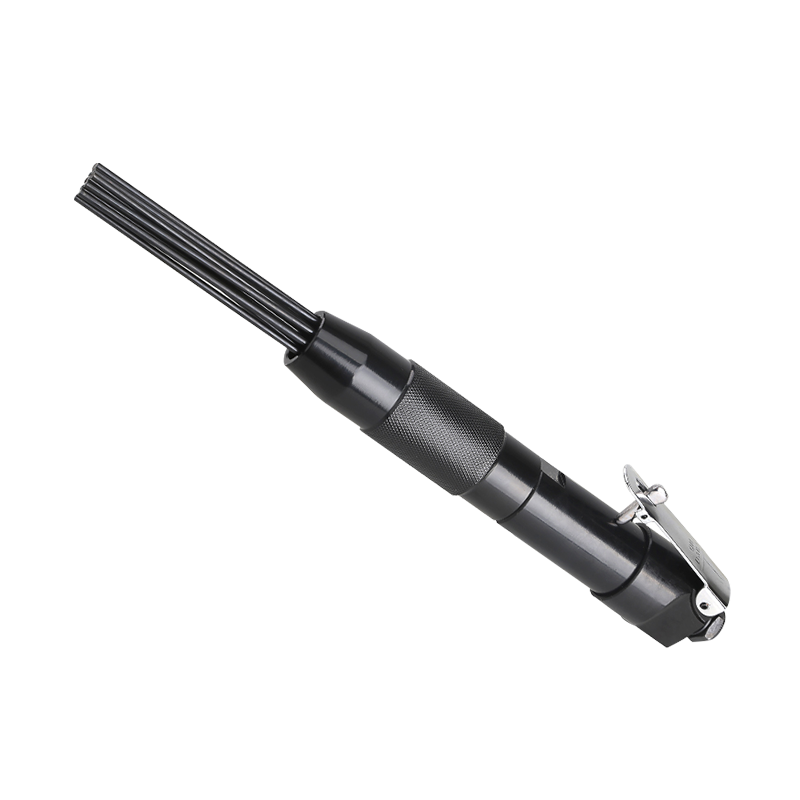
RH-460 Mini Compact Pneumatic Air Needle Scaler
-
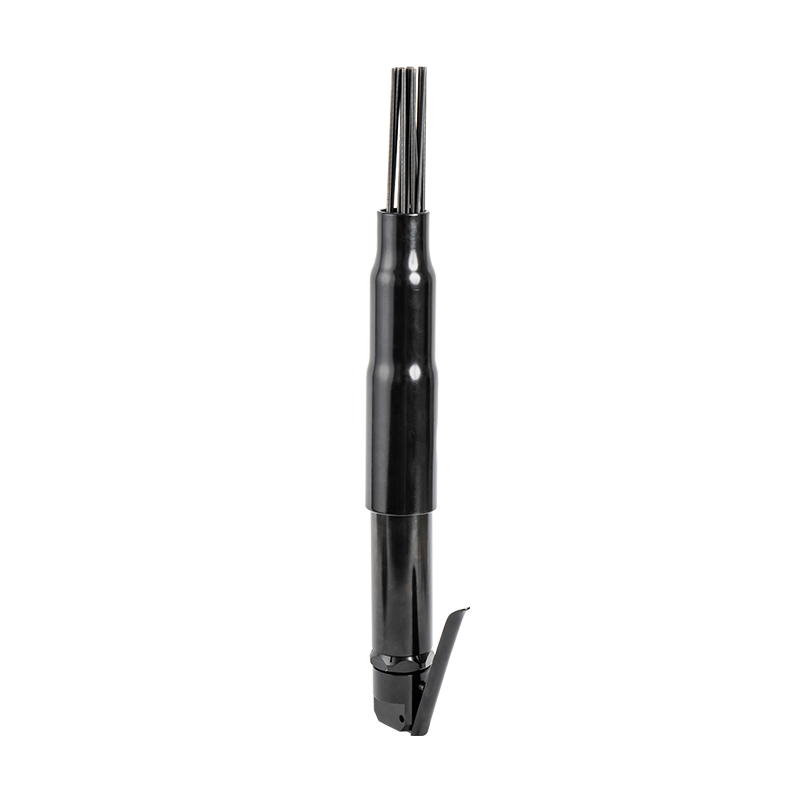
RH-462 Portable Industrial Straight Needle Scaler
-
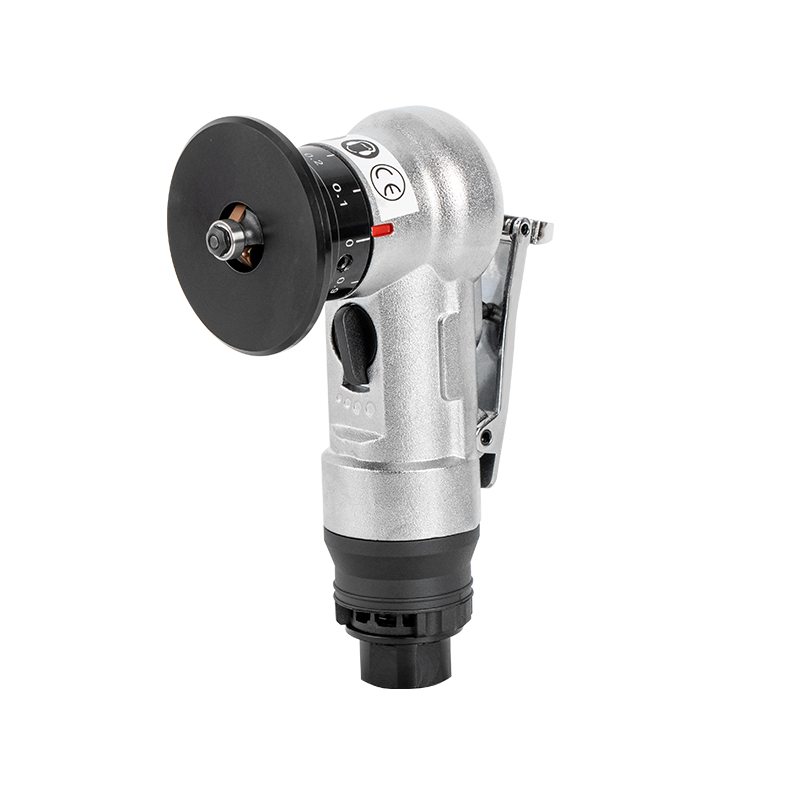
RH-7034C Portable Pneumatic Chamfering Machine
-
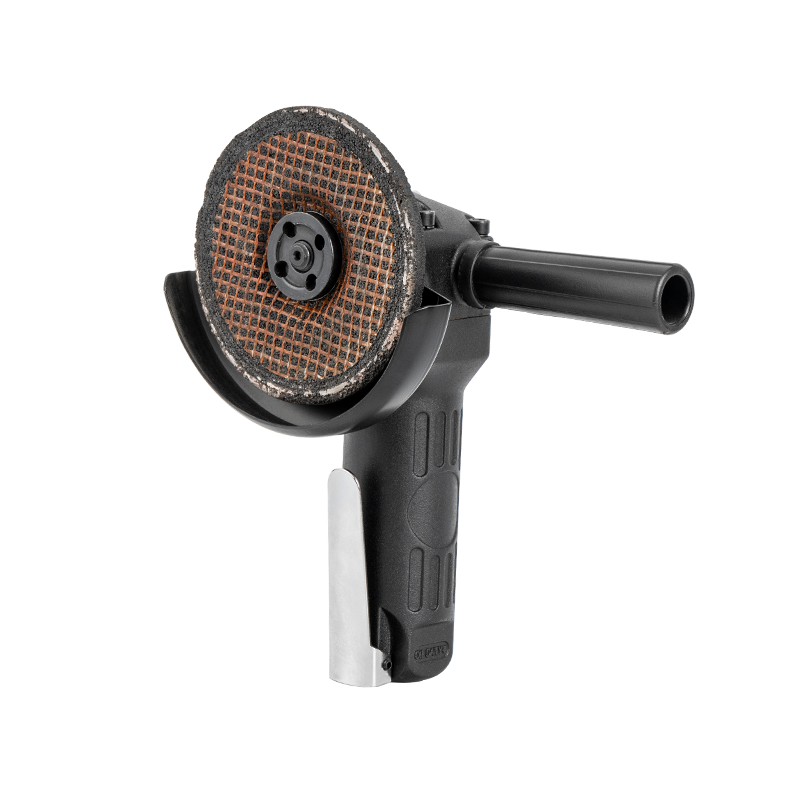
RH-7034B Central Pneumatic 4" Air Angle Grinder
-
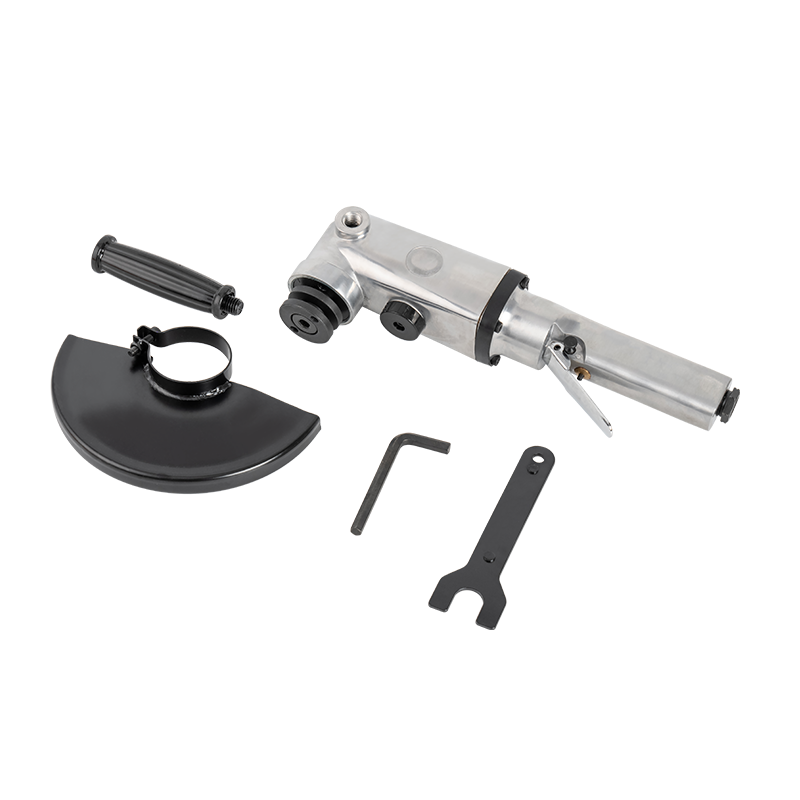
RH-7034D 7" Hand Held Angle Grinder
-
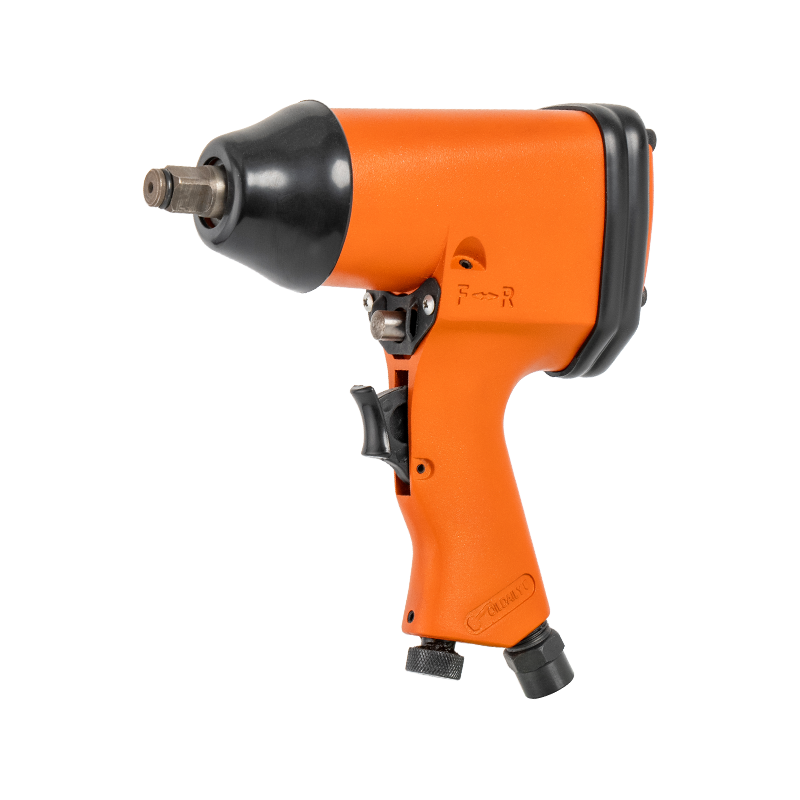
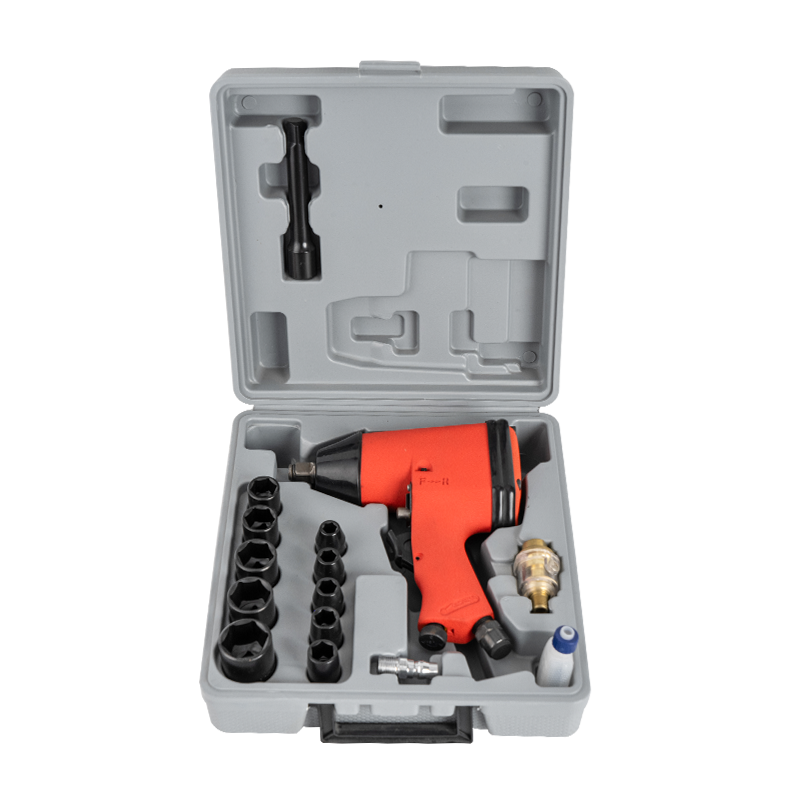
RH-160 1/2" Drive Single Hammer Air Pneumatic Impact Wrench
-
RH-160K Cordless Electric Rechargeable Air Impact Wrench Kit
-
RH-112 1/2" Universal Electric Ratchet Wrench Hand Tool
-
RH-128 1/2" High Torque Electric Ratchet Wrench
-
RH-138 3/8" Long Head Portable Cordless Electric Ratchet Wrench
-
RH-148 1/4" Electric Battery Ratchet Wrench
CONTACT OUR EXPERTS
AND GET A FREE CONSULTATION!
Ningbo Haishu Renhao Pneumatic Co., Ltd.
 Address: Jiangbei District Ningbo City in Zhejiang Province by the Keli industrial ParkL Building 15th
 Phone: +86-139 0668 0779
 Tel: +86-139 0668 0779
 Fax: +86-139 0668 0779
 E-mail:[email protected]


