


 عربى
عربى 中文简体
中文简体Search by posts
Calendar
Product Categories
Industry News
 By Admin
How Does the Pneumatic Air Impact Wrench Deliver High-Torque Performance for Heavy-Duty Industrial Fastening?
In the demanding sectors of automotive assembly, heavy machinery maintenance, and structural steel construction, the Pneumatic Air Impact Wrench serves as the quintessential tool for managing high-torque fasteners. Unlike standard rotary drills, this air-powered instrument utilizes a sophisticated hammer mechanism to deliver intense, instantaneous bursts of rotational force, enabling the removal of even the most stubborn, rusted, or over-tightened bolts. A professional-grade Pneumatic Air Impact Wrench is engineered to provide an exceptional power-to-weight ratio, allowing operators to exert thousands of foot-pounds of torque without the excessive kickback associated with high-torque electric motors. This technical exploration focuses on the physics of the "Twin Hammer" mechanism, the importance of air flow dynamics in the vane motor, and the ergonomic design features that ensure precision and safety in high-intensity industrial workflows.
What Mechanical Hammer Mechanisms Drive the Explosive Torque Output of a Pneumatic Air Impact Wrench?
The defining characteristic of a Pneumatic Air Impact Wrench is its ability to convert continuous air pressure into discrete, high-energy mechanical strikes. This is achieved through a specialized internal assembly known as the "impact mechanism."
-
The Twin Hammer Design and Rotational Balance: The most widely utilized mechanism in high-performance Pneumatic Air Impact Wrenches is the Twin Hammer system. This design features two identical hammers that strike the anvil simultaneously from opposite sides. This synchronized action provides a perfectly balanced blow, which significantly reduces the gyroscopic vibration felt by the operator. By distributing the force evenly, the Twin Hammer mechanism ensures that the torque is delivered consistently to the bolt, minimizing the risk of "cam-out" or rounding of the fastener head. This balanced approach also extends the life of the internal anvil, as it prevents the uneven wear patterns that often plague single-hammer or rocking-dog designs in heavy-duty applications.
-
Energy Accumulation and Centrifugal Clutch Dynamics: The physics behind a Pneumatic Air Impact Wrench involves the accumulation of kinetic energy within a rotating mass. As the air motor spins the internal hammer cage, centrifugal force or spring-loaded pins cause the hammers to engage with the anvil's "ears" or "lugs." This collision happens in a fraction of a second, transferring the inertia of the rotating cage into a massive spike of torque. Because the hammers disengage immediately after the strike, the motor can quickly accelerate back to full speed for the next blow. This rapid-fire sequence of impacts (measured in Blows Per Minute or BPM) allows the tool to overcome the static friction of a seized bolt through vibration and brute force, rather than continuous steady tension which could break the bolt.
-
Vane Motor Efficiency and Air Volume Management: At the core of the Pneumatic Air Impact Wrench is a high-efficiency vane motor. Compressed air enters the cylinder and expands against the motor vanes, causing the rotor to spin at high RPM. The torque output is directly proportional to the air volume (CFM) and pressure (PSI) available at the motor inlet. High-end wrenches utilize precision-ground steel cylinders and high-strength composite vanes to minimize internal friction and air leakage. To prevent power loss, the internal air passages are designed with smooth, sweeping curves rather than sharp angles, ensuring that the maximum possible kinetic energy reaches the hammer mechanism. This air-driven rotation also provides a natural cooling effect, allowing the tool to run continuously in high-temperature factory environments without the thermal shutdown issues common in electric impact drivers.
How Does the Ergonomic Construction of a Pneumatic Air Impact Wrench Enhance Operator Safety and Control?
Handling a tool capable of generating thousands of foot-pounds of torque requires a design that prioritizes the structural integrity of the tool and the physical well-being of the technician.
-
Composite Housing and Vibration Isolation Technology: Modern Pneumatic Air Impact Wrenches are increasingly constructed using high-impact composite materials reinforced with magnesium or aluminum sub-frames. This "hybrid" approach reduces the overall weight of the tool, which is critical for overhead work or long shifts in automotive service bays. More importantly, composite materials act as natural dampeners for high-frequency vibrations. To further protect the operator from Hand-Arm Vibration Syndrome (HAVS), the handles are often equipped with rubberized "soft-grip" coatings and internal spring-isolation systems. These features ensure that while the anvil is delivering massive force to the fastener, the feedback to the operator's wrist and elbow is minimized, allowing for greater precision and reduced fatigue.
-
Directional Control and Variable Speed Trigger Systems: Precision in a Pneumatic Air Impact Wrench is managed through the trigger and the reverse valve. A high-quality tool features a "teasing" or variable-speed trigger, which allows the operator to start a bolt slowly to prevent cross-threading before applying full power. The forward/reverse switch is typically positioned for one-handed operation, enabling the technician to toggle between tightening and loosening without removing their hand from the grip. Many industrial models also include a multi-position power regulator in the forward direction. This allows the user to limit the torque output for smaller fasteners, preventing over-tightening and potential snapping of the bolt, while always maintaining full power in reverse for maximum "breakaway" capability.
-
Exhaust Management and Noise Suppression: The rapid expansion of air in a Pneumatic Air Impact Wrench creates significant noise and air turbulence. To manage this, premium wrenches are designed with handle-exhaust systems that direct the spent air away from the workpiece and the operator's face. Integrated mufflers and baffles within the handle significantly reduce the decibel levels of the tool, bringing it closer to OSHA compliance without sacrificing the high RPM of the motor. This directional exhaust also prevents the stirring up of hazardous brake dust or metal shavings in the work area, maintaining a cleaner and safer environmental profile for the workshop.
Which Maintenance Protocols and Air Supply Requirements Ensure the Longevity of a Pneumatic Air Impact Wrench?
The reliability of a Pneumatic Air Impact Wrench is contingent upon the quality of the air supply and the regularity of mechanical lubrication. Neglecting these factors can lead to immediate power loss and internal component failure.
-
The Critical Role of In-Line Lubrication and Moisture Filtration: A Pneumatic Air Impact Wrench is a precision machine that requires constant oiling to protect the vanes and the cylinder walls. Without lubrication, the high-speed friction between the vanes and the motor housing will cause rapid heat buildup and eventual "seizing." Technicians should add a few drops of air tool oil directly into the inlet daily, or better yet, utilize a Filter-Regulator-Lubricator (FRL) system. Equally important is the removal of moisture. Compressed air naturally contains water, which can cause internal rust and "icing" at the exhaust. A high-quality moisture separator in the air line is essential to ensure that the air reaching the Pneumatic Air Impact Wrench is clean and dry, preserving the integrity of the internal seals and bearings.
-
Greasing the Impact Mechanism and Hammer Cage: While the air motor is lubricated by oil in the air stream, the hammer mechanism (the Twin Hammer assembly) requires a heavier, high-pressure grease. Many Pneumatic Air Impact Wrenches feature a dedicated grease fitting on the front housing. Regular replenishment of this grease is vital because the intense metal-on-metal impact generates significant heat. If the grease breaks down or is washed away by solvent-laden air, the hammers will begin to chip or deform, leading to a catastrophic loss of torque. Using a molybdenum-disulfide or lithium-based grease specifically designed for impact tools ensures that the striking surfaces remain protected even under the most extreme mechanical loads.
-
Air Line Sizing and Fitting Integrity: A common bottleneck for Pneumatic Air Impact Wrench performance is an undersized air hose or restrictive fittings. For a 1/2" impact wrench, a minimum hose ID of 3/8" is recommended, while 1" wrenches often require 1/2" or even 3/4" hoses. If the air line is too small, the tool will experience a "pressure drop" as soon as the trigger is pulled, resulting in weak impacts. High-flow couplers and plugs should be used to ensure the tool receives its rated CFM at 90 PSI. Regularly checking for air leaks at the fittings is also a standard maintenance practice, as even a small leak can reduce the "running" pressure of the Pneumatic Air Impact Wrench, directly impacting its ability to remove heavy-duty fasteners in time-critical environments.
Recommended products
-
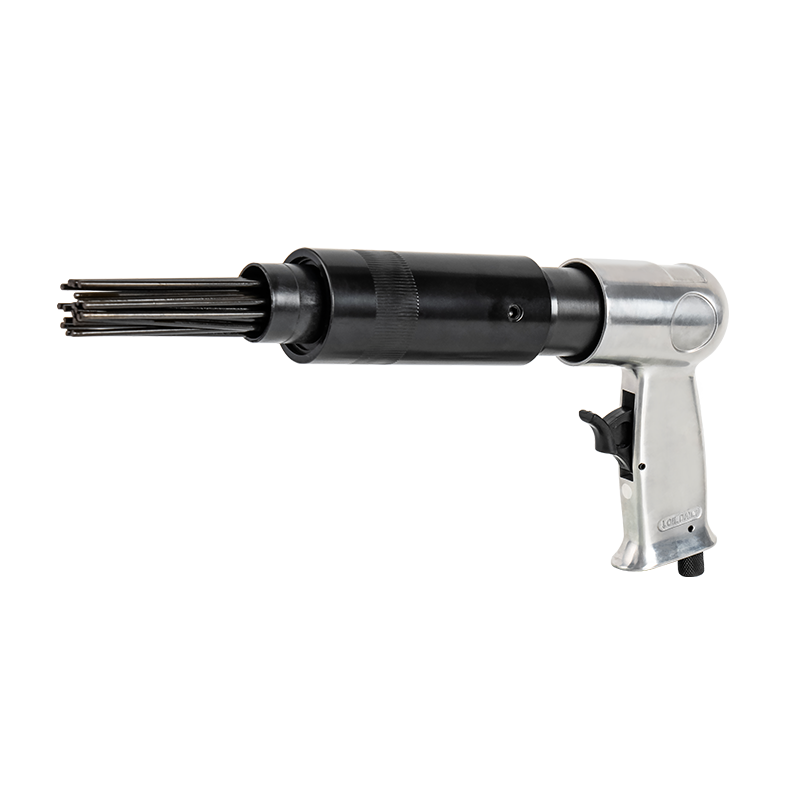
RH-464 Pneumatic Corner Needle Scaler
-
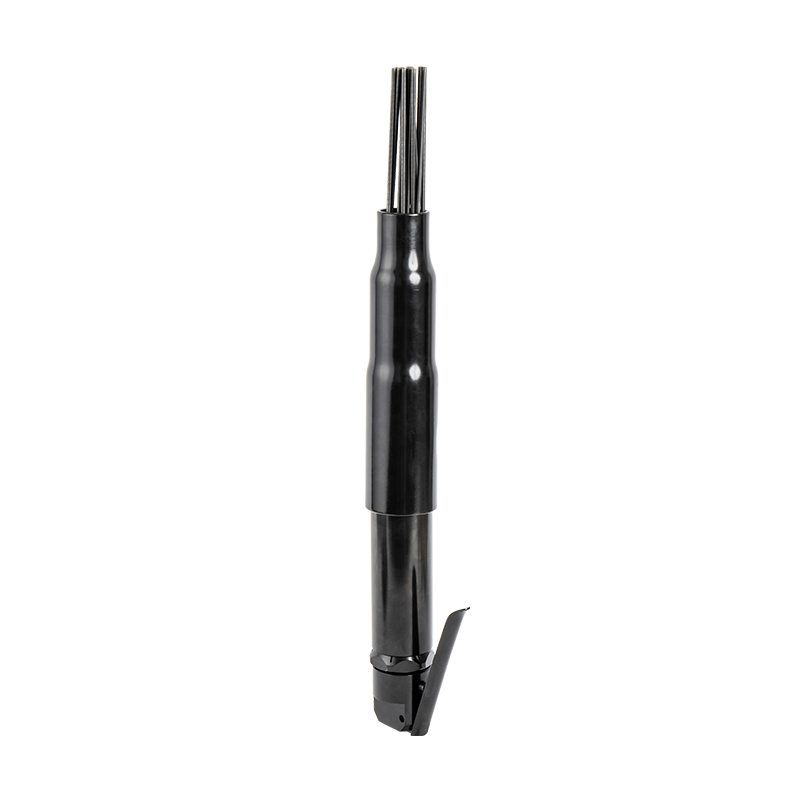
RH-460 Mini Compact Pneumatic Air Needle Scaler
-
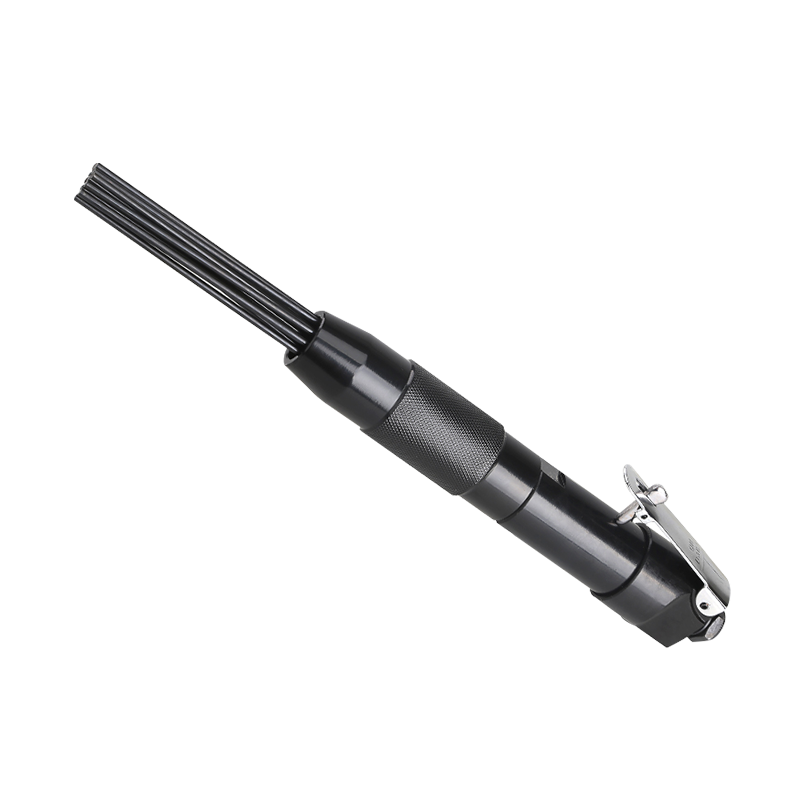
RH-462 Portable Industrial Straight Needle Scaler
-
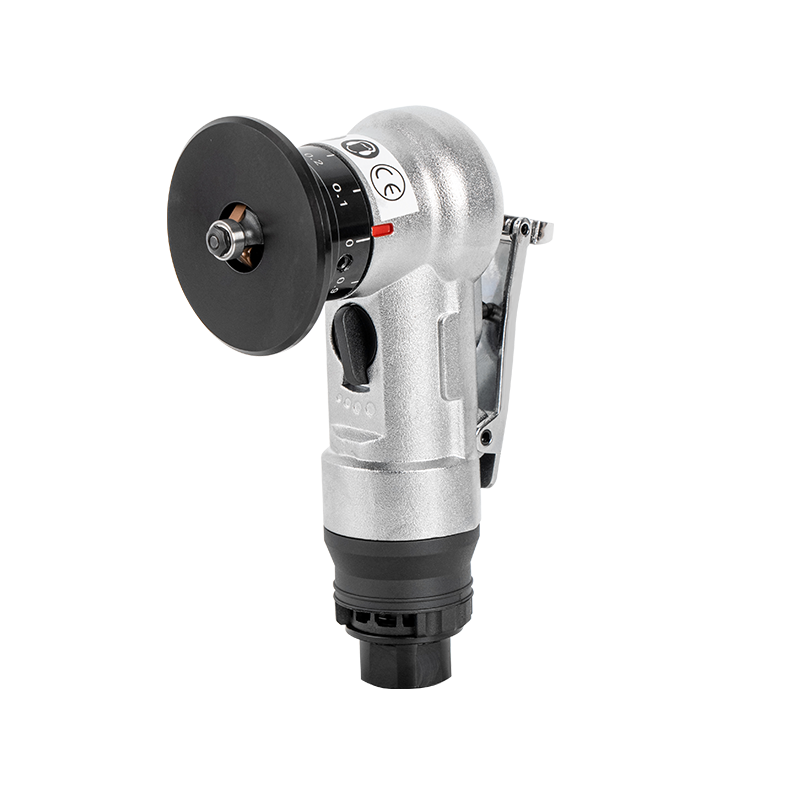
RH-7034C Portable Pneumatic Chamfering Machine
-
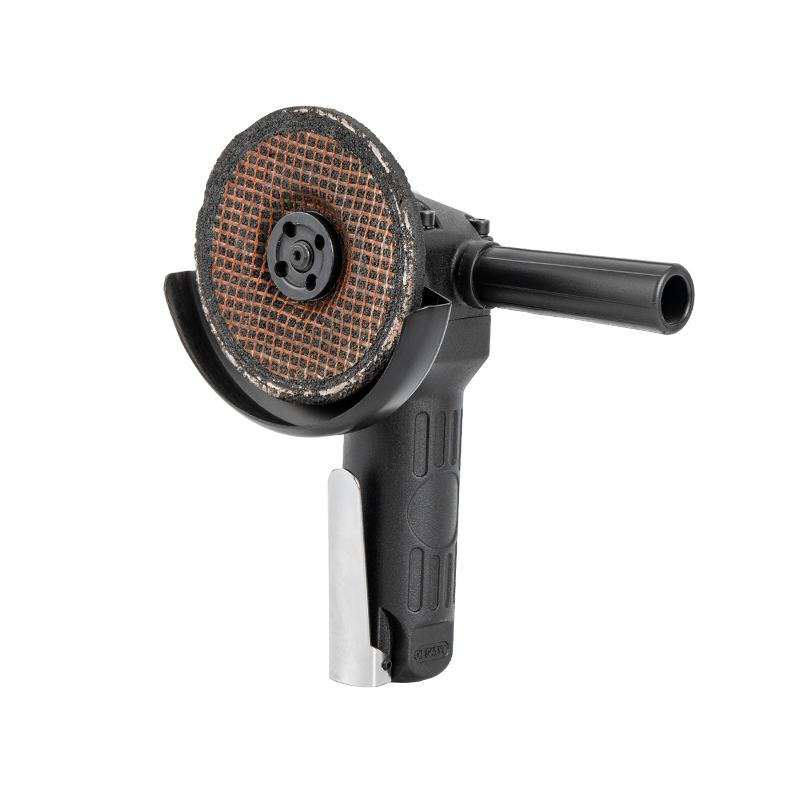
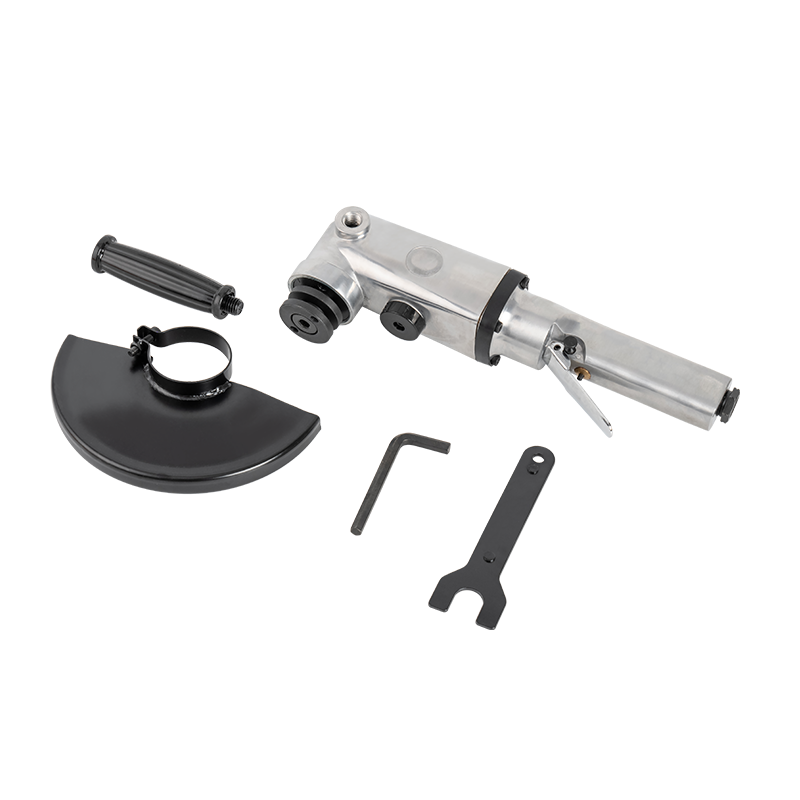
RH-7034B Central Pneumatic 4" Air Angle Grinder
-
RH-7034D 7" Hand Held Angle Grinder
-
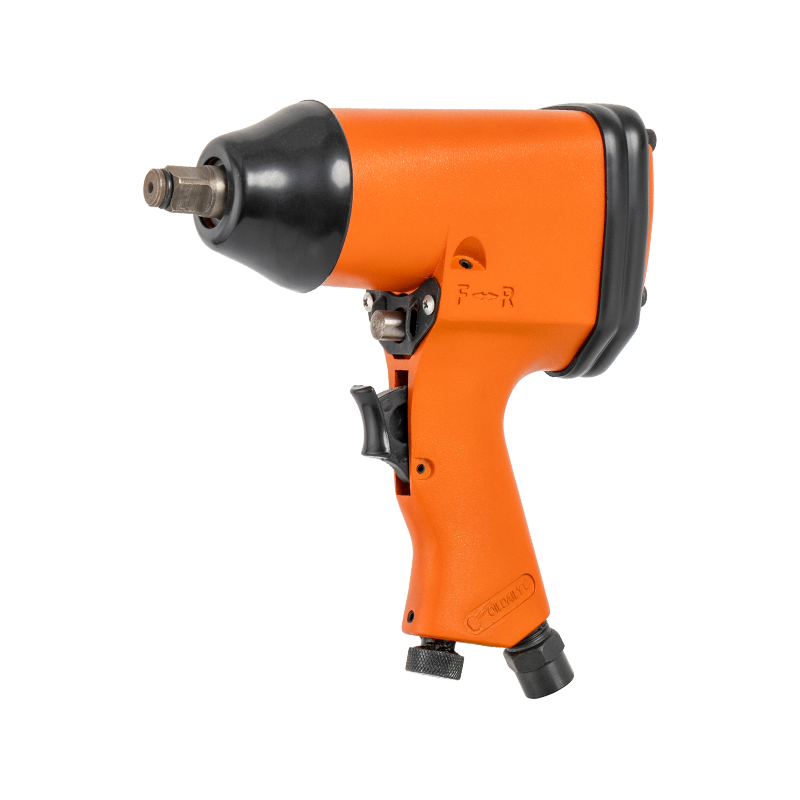
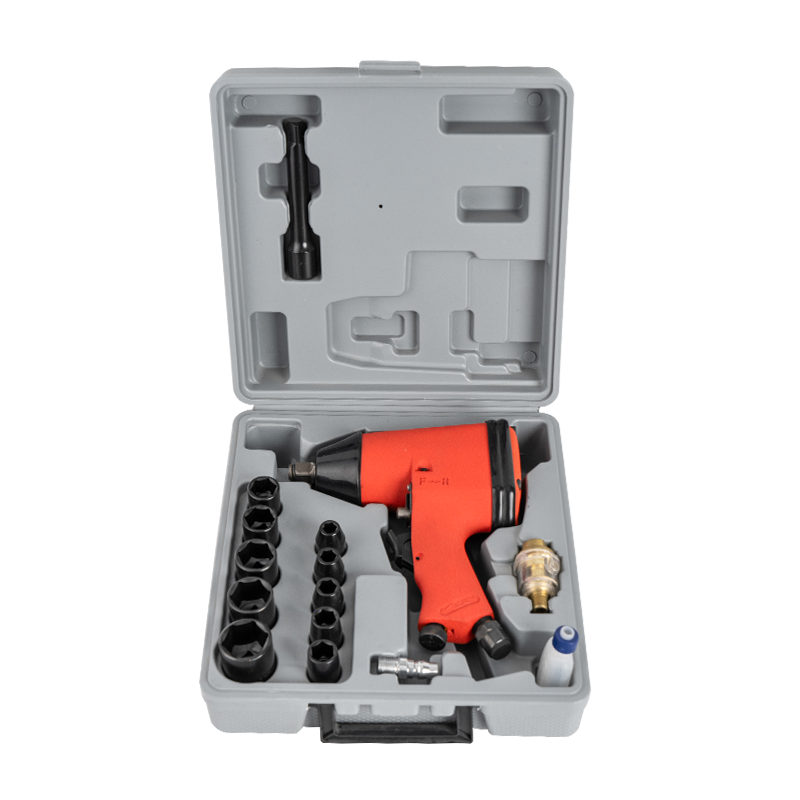
RH-160 1/2" Drive Single Hammer Air Pneumatic Impact Wrench
-
RH-160K Cordless Electric Rechargeable Air Impact Wrench Kit
-
RH-112 1/2" Universal Electric Ratchet Wrench Hand Tool
-
RH-128 1/2" High Torque Electric Ratchet Wrench
-
RH-138 3/8" Long Head Portable Cordless Electric Ratchet Wrench
-
RH-148 1/4" Electric Battery Ratchet Wrench
CONTACT OUR EXPERTS
AND GET A FREE CONSULTATION!
Ningbo Haishu Renhao Pneumatic Co., Ltd.
 Address: Jiangbei District Ningbo City in Zhejiang Province by the Keli industrial ParkL Building 15th
 Phone: +86-139 0668 0779
 Tel: +86-139 0668 0779
 Fax: +86-139 0668 0779
 E-mail:[email protected]


