


 عربى
عربى 中文简体
中文简体Search by posts
Calendar
Product Categories
Industry News
 By Admin
How Does the Pneumatic Air Belt Sander Optimize Precision Surface Finishing in Metalworking and Carpentry?
In the realm of high-performance abrasive tools, the Pneumatic Air Belt Sander is distinguished by its high power-to-weight ratio and its ability to access confined spaces that larger orbital sanders cannot reach. Powered by compressed air, this industrial-grade tool utilizes a high-speed rotating belt to remove material, blend welds, and deburr sharp edges with extreme efficiency. The core advantage of a professional Pneumatic Air Belt Sander lies in its constant torque and cool-running operation, which prevents the heat-related warping often associated with electric alternatives. Whether utilized in automotive body repair or precision aerospace engineering, the integration of adjustable arm angles and variable speed controls allows the Pneumatic Air Belt Sander to adapt to various surface geometries. This guide explores the mechanical air-motor design, the physics of abrasive belt tracking, and the ergonomic features that reduce operator fatigue during intensive grinding tasks.
What Mechanical Engineering Principles Drive the High-Speed Performance of a Pneumatic Air Belt Sander?
The efficiency of a Pneumatic Air Belt Sander is a result of the precise conversion of pneumatic energy into mechanical rotational force through a specialized air motor and pulley system.
-
High-Torque Vane Motor and Air Distribution: The internal mechanism of a Pneumatic Air Belt Sander typically features a multi-vane air motor. As compressed air enters the cylinder, it expands against the vanes, forcing the rotor to spin at speeds exceeding 16,000 RPM. Unlike electric motors that can burn out under heavy load, the air motor in a Pneumatic Air Belt Sander simply stalls without damage if overloaded. The air flow is managed through a precision throttle valve, which allows the operator to regulate speed incrementally. This constant cooling effect provided by the exhausting air ensures that the bearings and internal components maintain a stable temperature, significantly extending the tool's operational lifespan compared to heat-sensitive electronic components.
-
Tensioning Systems and Automatic Belt Tracking: For an abrasive belt to function correctly, it must remain perfectly aligned on the drive and idle pulleys. The Pneumatic Air Belt Sander incorporates a spring-loaded tensioning arm that allows for quick belt changes while maintaining the optimal friction required for material removal. High-end models feature an "automatic tracking" mechanism or a manual tracking screw that ensures the belt does not drift off the arm during high-speed operation. This precision is vital when performing delicate tasks like rounding off edges or cleaning internal corners, as a misaligned belt could damage the workpiece or cause uneven wear on the abrasive media.
-
Adjustable Arm Geometry and Contact Wheel Design: One of the defining features of the Pneumatic Air Belt Sander is the articulating arm. Most professional-grade units allow the arm to be rotated up to 360 degrees and locked in position, providing the perfect angle for any task. The "contact wheel" at the tip of the arm is often coated with high-density rubber or specialized polymers to provide a degree of flexibility. This allows the abrasive belt to "contour" slightly to the shape of the metal or wood, preventing the "flat-spotting" that occurs with rigid grinding discs. This flexibility is essential for blending curved welds or polishing the interior of tubular structures where traditional tools simply cannot fit.
How Does the Ergonomic Architecture of a Pneumatic Air Belt Sander Enhance Industrial Safety and Control?
Industrial grinding is physically demanding; therefore, the design of a Pneumatic Air Belt Sander focuses heavily on vibration reduction, noise suppression, and intuitive handling.
-
Vibration Damping and Composite Housing Technology: Repetitive exposure to high-frequency vibrations can lead to long-term health issues for operators. To mitigate this, modern Pneumatic Air Belt Sanders utilize composite housings or rubber-overmolded aluminum bodies. These materials act as natural insulators, absorbing a significant portion of the vibration generated by the high-speed motor and the impact of the abrasive belt on the workpiece. Furthermore, the balanced rotor design ensures that the tool remains steady in the hand, allowing for "surgical" precision when removing thin layers of rust or old paint without gouging the base metal.
-
Exhaust Directionality and Noise Management: Traditional pneumatic tools often exhaust air directly toward the operator or the workpiece, which can stir up hazardous dust and metal shavings. A premium Pneumatic Air Belt Sander is designed with a rear exhaust or a 360-degree adjustable exhaust deflector. This directs the chilled, oily exhaust air away from the breathing zone and the work area. Additionally, integrated silencing mufflers reduce the decibel output of the air expansion, making the workshop environment safer and more comfortable. This is particularly important in large-scale production facilities where multiple Pneumatic Air Belt Sanders may be operating simultaneously.
-
Safety Lever Throttles and Accidental Start Prevention: Safety is paramount in the design of any power tool. The Pneumatic Air Belt Sander typically utilizes a "dead-man" style lever throttle. This means the tool will only operate while the lever is actively depressed; if the tool is dropped, it shuts off immediately. Many models also include a safety lock-off button that must be disengaged before the lever can be pulled, preventing accidental activation when the tool is connected to a live air line. The ergonomic placement of these controls allows the operator to maintain a firm grip on the handle while simultaneously managing the speed, providing a level of control that is essential for high-stakes aerospace or automotive refinishing.
Which Abrasive Media and Maintenance Protocols Maximize the Utility of a Pneumatic Air Belt Sander?
The versatility of the Pneumatic Air Belt Sander is expanded by the wide range of abrasive belts available and the implementation of strict preventative maintenance cycles.
-
Selection of Abrasive Grits and Material Compatibility: The performance of a Pneumatic Air Belt Sander is only as good as the belt installed on it. For heavy material removal or weld grinding, ceramic or zirconia alumina belts are preferred due to their self-sharpening properties and high heat resistance. For finishing and polishing, aluminum oxide or non-woven surface conditioning belts are used to create a brushed or satin finish. The thin profile of the Pneumatic Air Belt Sander arm allows it to use these belts to clean the "inside" of holes, slots, and recessed areas. Matching the belt speed to the material—slower for plastics and high-speed for stainless steel—is key to achieving a professional-grade finish without burning the substrate.
-
Pneumatic Lubrication and Moisture Control: To keep the internal vane motor running smoothly, a Pneumatic Air Belt Sander requires constant lubrication. This is typically achieved by adding a few drops of specialized air tool oil into the air inlet daily or by using an in-line lubricator system. Because moisture in compressed air lines can cause internal corrosion and "icing" of the exhaust, the use of a Filter-Regulator-Lubricator (FRL) unit is mandatory. Proper air quality management ensures that the Pneumatic Air Belt Sander maintains its rated RPM and torque, preventing the sluggish performance and premature motor failure that results from contaminated air supplies.
-
Idle Pulley Maintenance and Bearing Inspection: The idle pulley at the end of the arm is subjected to extreme heat and dust infiltration. Regular inspection of the pulley bearings is necessary to ensure the Pneumatic Air Belt Sander does not seize during operation. Cleaning the tensioning mechanism and removing accumulated dust from the drive wheel ensures that the belt grip remains consistent. By replacing worn pulleys and belts before they fail, operators can avoid the "belt-breakage" incidents that can cause minor injuries or damage to the workpiece. This proactive approach to maintenance ensures that the Pneumatic Air Belt Sander remains a reliable and highly productive asset in any professional metalworking or woodworking shop.
Recommended products
-
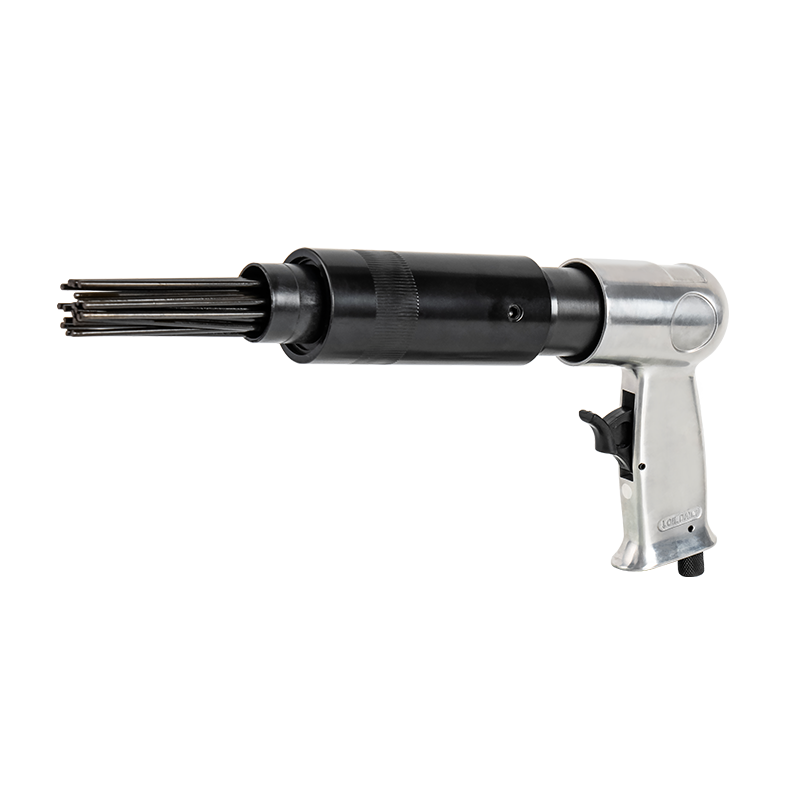
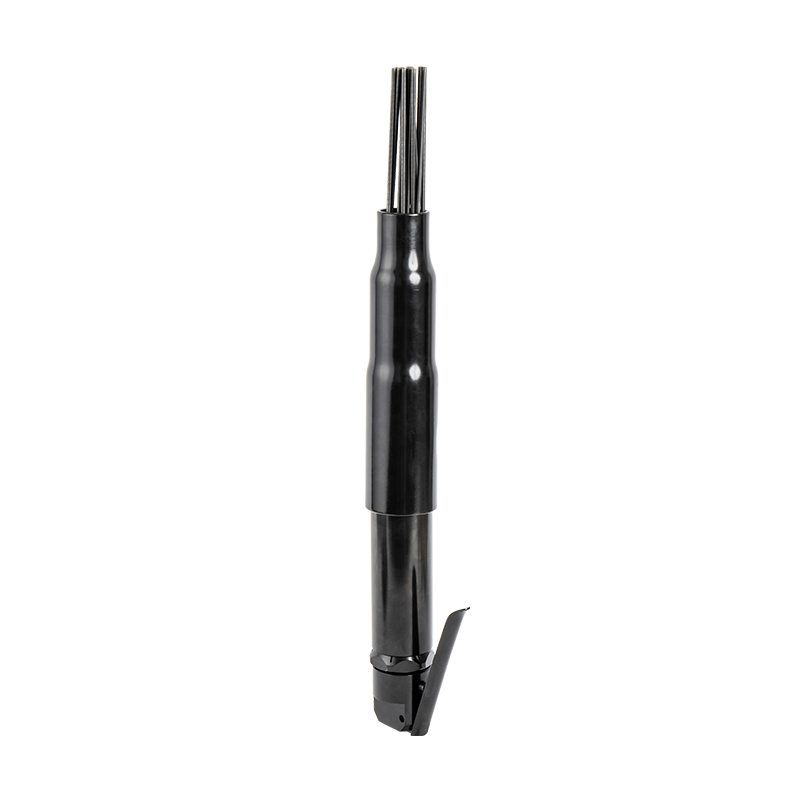
RH-464 Pneumatic Corner Needle Scaler
-
RH-460 Mini Compact Pneumatic Air Needle Scaler
-
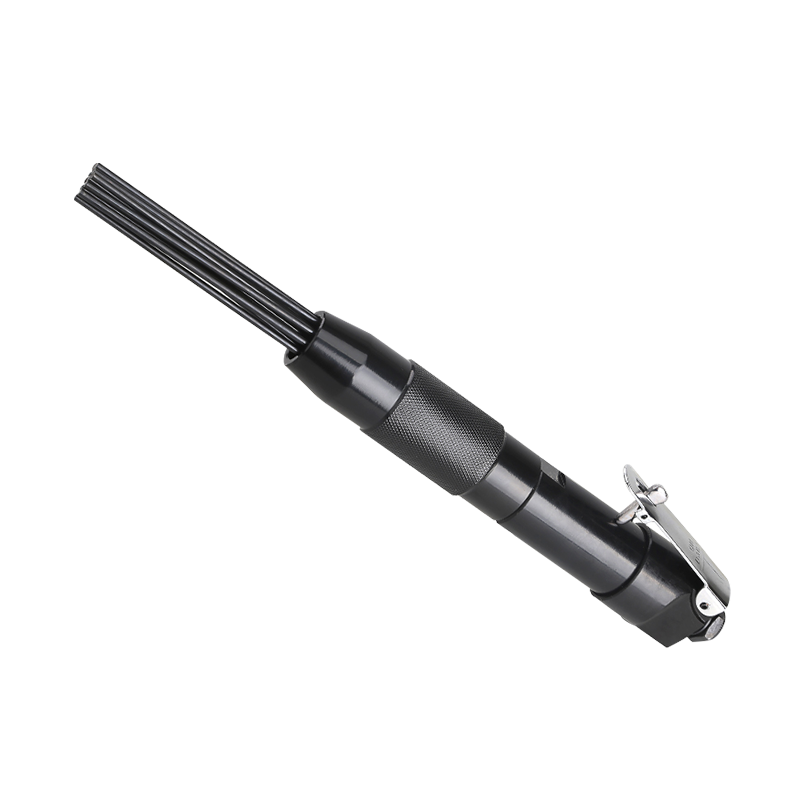
RH-462 Portable Industrial Straight Needle Scaler
-
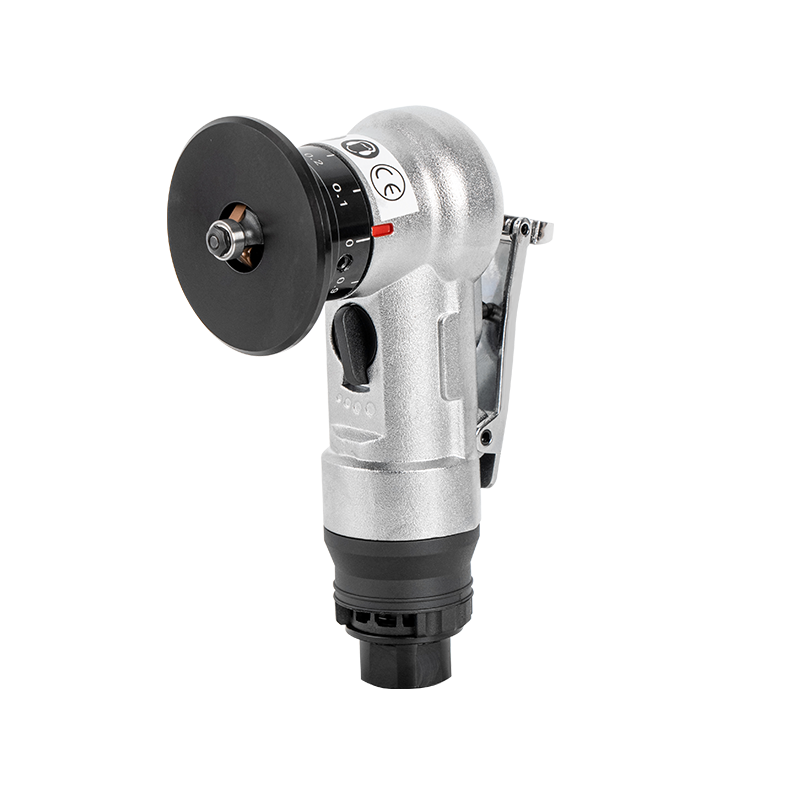
RH-7034C Portable Pneumatic Chamfering Machine
-
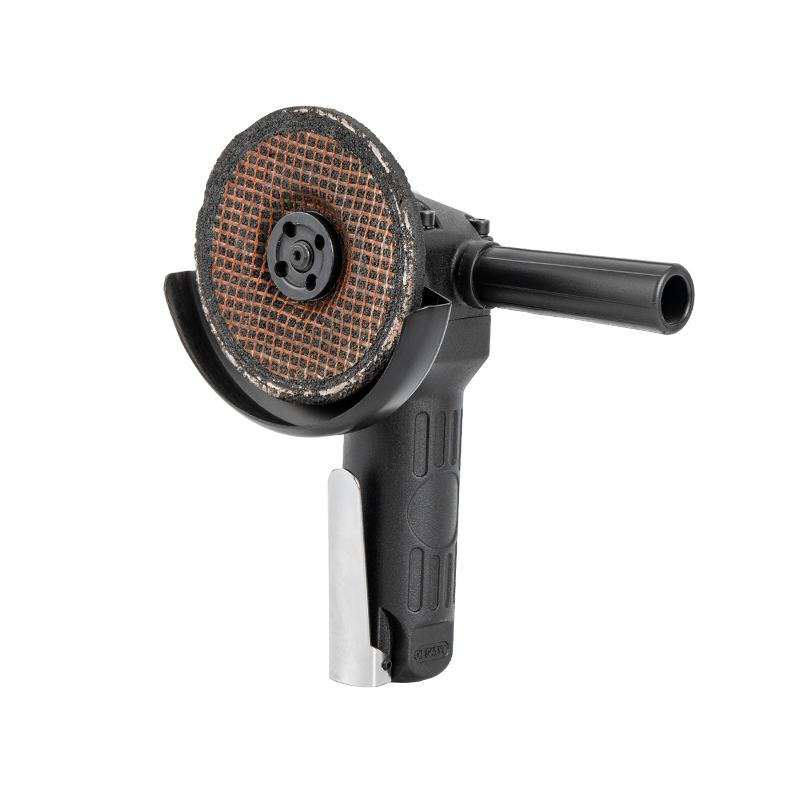
RH-7034B Central Pneumatic 4" Air Angle Grinder
-
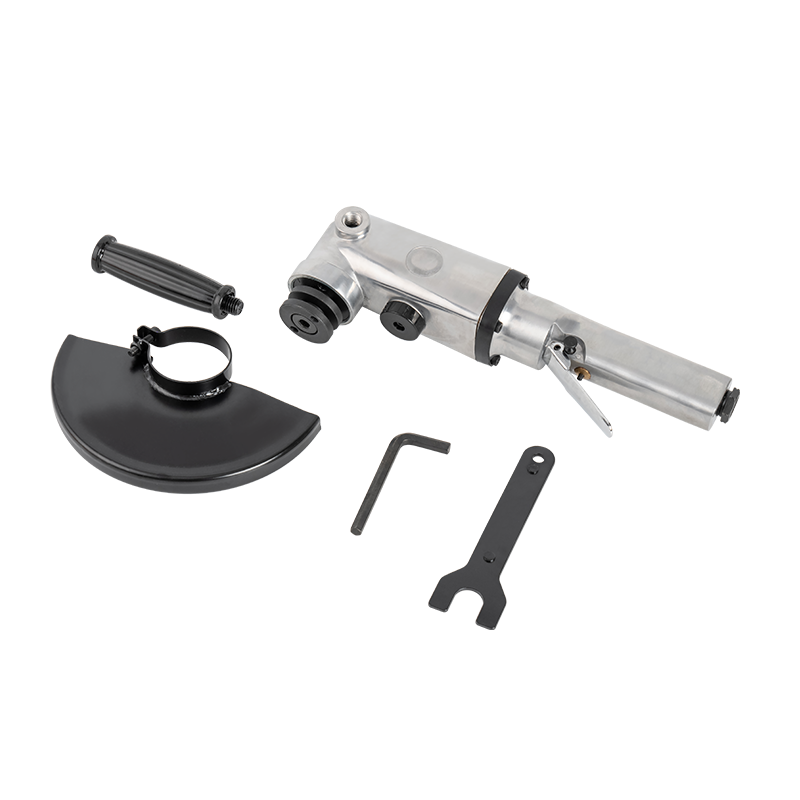
RH-7034D 7" Hand Held Angle Grinder
-
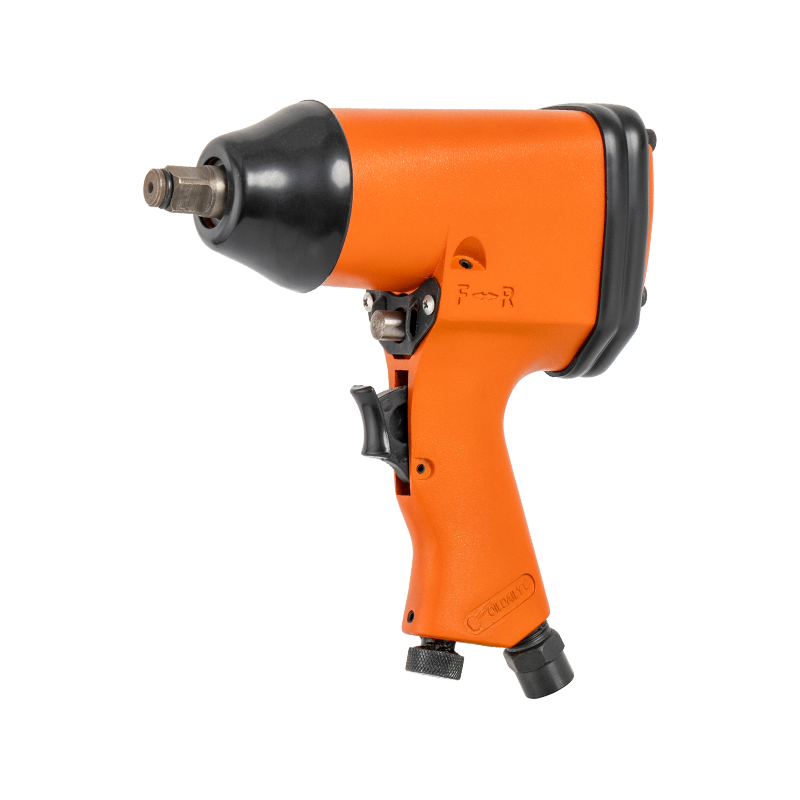
RH-160 1/2" Drive Single Hammer Air Pneumatic Impact Wrench
-
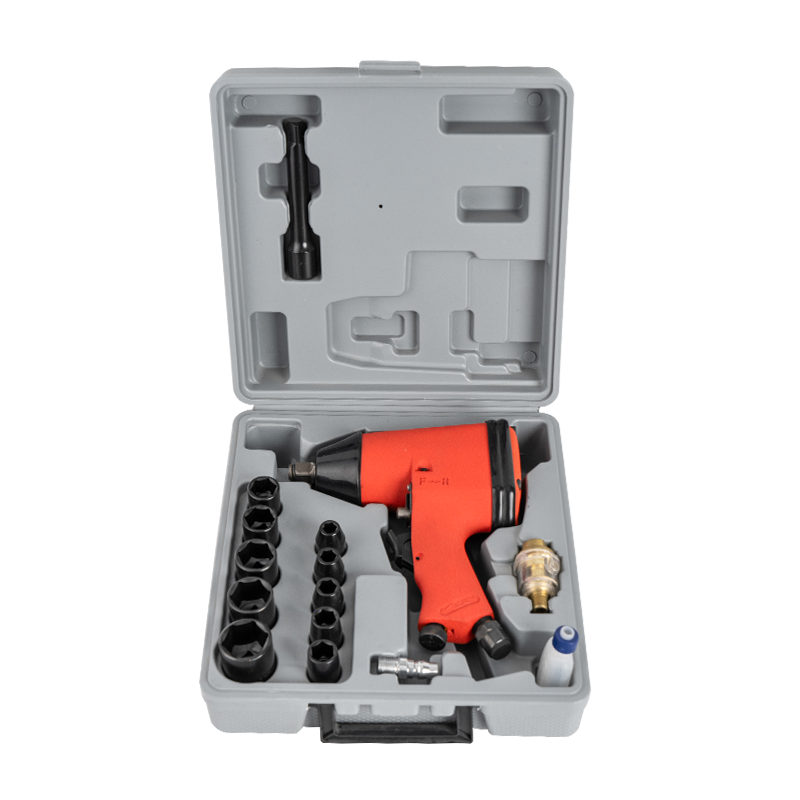
RH-160K Cordless Electric Rechargeable Air Impact Wrench Kit
-
RH-112 1/2" Universal Electric Ratchet Wrench Hand Tool
-
RH-128 1/2" High Torque Electric Ratchet Wrench
-
RH-138 3/8" Long Head Portable Cordless Electric Ratchet Wrench
-
RH-148 1/4" Electric Battery Ratchet Wrench
CONTACT OUR EXPERTS
AND GET A FREE CONSULTATION!
Ningbo Haishu Renhao Pneumatic Co., Ltd.
 Address: Jiangbei District Ningbo City in Zhejiang Province by the Keli industrial ParkL Building 15th
 Phone: +86-139 0668 0779
 Tel: +86-139 0668 0779
 Fax: +86-139 0668 0779
 E-mail:[email protected]


