


 عربى
عربى 中文简体
中文简体Search by posts
Calendar
Product Categories
Industry News
 By Admin
Heavy Duty Pneumatic Drill Guide: Power, Safety, Selection and Maintenance
In a busy steel fabrication yard, electricity is not always where the work is. You need a tool that can push a 1/2-inch twist drill through a steel beam without stalling, and you need it to survive drops, dust, and long shifts. That is exactly why a heavy duty pneumatic drill remains a staple in industrial environments. It runs on compressed air, delivers strong rotary torque, and does not rely on an electric motor that can overheat. Whether you are drilling bolt holes in structural steel, maintaining heavy equipment, or assembling machinery, a pneumatic drill gives you consistent power, compact size, and straightforward operation. The purpose of this guide is not to persuade you that air drills are magical. It is to give you a clear, practical understanding of what a heavy duty pneumatic drill can do, what to look for when you buy one, and how to keep it in good condition. I will walk through the basic design, the benefits, the key specifications, real applications, and the maintenance habits that matter. By the end, you should be able to compare models with confidence and choose a tool that fits your work. A heavy duty pneumatic drill is a rotary drilling tool powered by compressed air. Instead of an electric motor, it uses a pneumatic vane motor that spins when air is forced through the tool. The motor drives a chuck, which holds the drill bit. You control speed by squeezing the trigger, which increases or decreases the air flow. The tool stops when you release the trigger, although some models have a separate throttle lock for continuous operation. Because the motor is air-powered, the design is simpler than an electric drill. There are no windings, brushes, or capacitors to fail. The motor is smaller and lighter than an electric motor of comparable power, which is why air drills can be built into compact and unusual shapes. A heavy duty version is built with reinforced housings, hardened gears, and bearings that can withstand sustained use in professional environments. The principle is straightforward. Compressed air enters through the air inlet, passes through a trigger-operated valve, and flows into the motor chamber. Inside the chamber, the air pushes against vanes mounted on a rotor. The rotor spins, and the rotation is transferred through a planetary gear set to the chuck. Exhaust air exits through ports in the housing, often directed away from the user to keep the work area cleaner. Heavy duty models usually have a separate regulator or an integrated speed control that lets you tailor the speed to the material. For example, drilling into thin sheet metal requires a faster speed with less pressure, while drilling into hardened steel requires a slower speed with more torque. A skilled operator can feel the difference and adjust the trigger pressure accordingly. Not every pneumatic drill deserves the label. A heavy duty pneumatic drill is distinguished by three factors: When shopping for a heavy duty pneumatic drill, look at the internal parts as much as the outside. A cheap drill may spin fast when empty, but it loses speed as soon as the bit bites into steel. A quality heavy duty drill maintains the necessary rpm under load, because its motor and gear train are designed for actual cutting work. If you have worked in an industrial plant for more than a few days, you have probably seen both electric and pneumatic drills on the same job. Each has a place. But certain characteristics of pneumatic drills make them uniquely suited to heavy work. The most common failure mode of an electric drill is overheating. When you push hard on a hole saw or a large twist drill, the motor draws more current, heats up, and eventually trips a thermal protector or burns the windings. A pneumatic motor does not behave that way. If you stall the motor by pushing too hard, the air continues to flow and the motor simply stops. When you reduce pressure, the motor starts again. There is no heat-sensitive winding to destroy, which means a pneumatic drill can be overloaded repeatedly without permanent damage. Air motors are compact. A 1/2-inch heavy duty pneumatic drill can weigh less than two kilograms while producing more torque than many corded electric drills. This makes it easier to control in awkward positions and reduces operator fatigue during long runs of repetitive drilling. Compressed air is inherently spark-free. Pneumatic drills do not create electrical sparks, so they are allowed in environments where flammable vapors, solvents, dust, or explosive atmospheres are present. Many paint shops, chemical plants, and grain facilities specify pneumatic tools for this reason. The exhaust air can also help blow chips away from the drill bit, improving visibility and keeping the hole clean. With an electric drill, speed control is electronic and can feel abrupt or laggy. With a pneumatic drill, speed is controlled by the trigger air flow. You have an immediate, mechanical feel for the relationship between trigger position and torque. This makes it easier to start a hole without walking, to countersink without chatter, and to thread with a tap using the same tool. The internal components of a pneumatic motor are simpler than an electric motor. As long as the air supply is clean and lubricated, a pneumatic drill can run for thousands of hours. Replacing vanes, seals, and bearings is a straightforward job. Many industrial facilities stock a small set of pneumatic tool repair parts and fix a drill in less than an hour. For a deeper look at the physics behind this durability, you may find it useful to read our article on why pneumatic drills are so efficient. Before comparing heavy duty pneumatic drills, you need to understand the specifications that determine how a drill behaves in real work. The same model can feel completely different depending on the chuck size, speed, torque, and direction features. Here are the key numbers to check. Chuck size determines the maximum shank diameter of the drill bit. The two most common sizes are 3/8 inch and 1/2 inch. A 3/8 inch chuck is suitable for most general drilling jobs and keeps the tool light and compact. A 1/2 inch chuck accepts larger bits and is considered the standard for heavy duty work. If you plan to use hole saws or twist bits larger than 1/2 inch, you need a drill with a 1/2 inch chuck or a Morse taper adapter on a slower machine. Free speed is the rotation speed with no load. It tells you how fast the drill will spin in the air, but it is not the speed at which the motor works hardest. The working speed is the speed under a normal drilling load. A high free speed with low torque can be misleading. Look for drills that are marketed for drilling rather than screwdriving; they usually have a more appropriate speed range. Torque is the rotational force the drill can apply. Pneumatic drills do not always publish a torque rating in the same way as impact wrenches, but you can get a sense from the chuck size, gear ratio, and motor size. A heavy duty drill with a 1/2-inch chuck generally has more torque than a 3/8-inch drill. If the manufacturer provides a maximum torque value in newtons per meter or foot-pounds, compare drills at the same level of air pressure. Every pneumatic drill needs a minimum air pressure at the tool inlet. Most industrial drills work at 90 psi (6.2 bar). Air consumption is usually stated in cubic feet per minute (CFM) or liters per second. A heavy duty drill may consume between 4 and 8 CFM under load. Your air compressor and hose size must be able to deliver this flow when the tool is actually cutting. A common mistake is to use a small 1/4-inch hose that restricts airflow, causing the drill to lose power and heat the air motor. A reversing valve allows the motor to spin in the opposite direction. This is essential for backing out a broken drill bit, removing a stuck screw with a suitable attachment, or running a tap backwards. Some drills are single-direction only, which is fine for simple drilling, but a reversible heavy duty pneumatic drill is more versatile and usually worth the extra cost. To see how these specifications translate into real machine configurations, look at the summary table below. The value of a heavy duty pneumatic drill becomes obvious when you walk through a working shop. It is not the tool you use once a week in a clean woodwork room. It is the tool that stays in the toolbox on every floor of a plant. In structural steel fabrication, drilling holes for bolts, rivets, and pins is a constant job. A heavy duty pneumatic drill fitted with a cobalt or carbide-tipped bit can handle mild steel, stainless steel, and aluminum plate. The high torque of a 1/2-inch model lets you drill through 10 mm or thicker plate without excessive pressure. In a shop with air already available, the pneumatic drill is often the first choice because it is lighter than a magnetic drill and easier to move between pieces. Ships, excavators, and mining machinery are full of steel structures that are difficult to access. A right-angle pneumatic drill is invaluable in these settings. When you have to drill between bulkheads or close to a hydraulic line, a bulky electric drill cannot fit. A right angle attachment with a compact head allows you to make precise holes without dismantling the surrounding components. For example, an operator working inside a frame rail might use a tool such as the RH3302 high-torque right-angle air drill to reach a bolt hole that is only an arm’s length away from any other access point. In automotive workshops, air drills are used for drilling out broken bolts, enlarging holes, and preparing panels. The reversing feature is especially important here. If a drilling operation starts to tear the thin sheet metal, the operator can quickly reverse and back out before causing damage. A model with forward and reverse, like the RH332 3/8-inch forward-reverse air drill, is a sensible component of every mechanic’s tool set. It is not a heavy brute force tool; rather it gives the operator the control needed for delicate work on vehicle bodies. Construction and mining sites are dusty and often far from a reliable electrical supply. Pneumatic tools run directly from a diesel-driven air compressor, which is frequently already on site for jackhammers and tampers. In this environment, the durability of a pneumatic drill is a clear advantage. There are no cables to trip over, no batteries to recharge, and no exposed electrical parts that can short-circuit in wet conditions. A simple straight or pistol-grip drill can take a lot of abuse and still start immediately. Maintenance shops use heavy duty pneumatic drills for routine bolt removal, reaming, and thread repair. When combined with a tap holder, a reversible pneumatic drill can be used to cut threads in aluminum or cast iron. The ability to run at low speed and high torque by adjusting the trigger helps prevent tap breakage. The same tool can be fitted with a wire brush for cleaning bolt holes, making it a multi-purpose asset. Now that you understand the applications, the question is how to choose. The right drill depends on the material you cut, the space you work in, the air supply you have, and the number of hours the tool will run each day. Let me walk through the decision process in order. Ask yourself what size hole you drill most often. If the answer is usually 12 mm or less, a 3/8-inch chuck drill with a speed around 1800 rpm will cover most work. If you regularly drill 16 mm or larger holes, choose a 1/2-inch chuck model. Speed matters because too much speed burns small drill bits, and too little speed makes larger bits inefficient. A heavy duty pneumatic drill with a speed range of 500 to 2000 rpm is a good general compromise. The shape of the drill affects how you can use it. A pistol grip drill works well for most horizontal drilling. A straight drill gives you better alignment when drilling into a lathe center or a tight corner. A right-angle drill solves the problem of working in corners and between structural members. If your work area is cramped, include a right-angle model in your lineup. The RH338 3/8-inch right-angle forward-reverse air drill is one option that can fit where a straight drill cannot. If you ever have to drill into a blind hole or remove a broken bolt, you will regret buying a non-reversing drill. A reversible drill also lets you use a tap to clean threads, which makes it more valuable. The throttle should be progressive, allowing a smooth increase from slow to fast. A toggle throttle or lever throttle is more comfortable than a button throttle for long periods of work. Before buying any pneumatic drill, check the specification for air consumption. Your compressor must deliver enough flow at the required pressure. For a heavy duty 1/2-inch drill, a 5 hp compressor with a 10 cfm rating is a reasonable minimum if you use the drill continuously. The air line from the compressor to the tool should be at least 3/8 inch inside diameter. Use quick couplers rated for at least 90 psi, and keep the hose as short as possible to reduce pressure loss. Even the best drill is less useful if you cannot adapt it to different jobs. Check whether the chuck is keyed or keyless. Keyed chucks are more common on heavy duty tools because they hold the bit more securely under vibration. You may also need side handles for extra torque, depth stops for consistent hole depth, and adapters for hex shank bits. Many pneumatic drill kits include these accessories, so compare the included items when you evaluate price. When you are uncertain about which model fits your process, it helps to talk to people who make the tools. A pneumatic tool manufacturer can advise you on the right chuck size, speed, and handle style for your application. You can browse the complete range of industrial pneumatic tools and contact their sales team with your air supply details and typical material thickness. Buying a durable drill is only half the story. How you set up the air system, how you operate the tool, and how you maintain it determine whether the tool lasts five years or fifteen. Compressed air is not naturally clean or dry. Compressors draw in ambient air that contains moisture and dirt. That moisture settles inside the air motor and can cause rust on steel parts. Dirt acts as an abrasive and wears the vanes and bearings. Always install a filter-regulator-lubricator unit close to the tool. The filter removes particles, the regulator sets the correct pressure, and the lubricator delivers a fine oil mist to the motor. Check the filter bowl every week and change the element when it is dirty. Most heavy duty pneumatic drills are rated for a maximum of 90 psi at the tool inlet. Running the tool at 120 psi does not make it cut faster; it only accelerates wear and can damage the motor. If the drill feels weak, use a gauge to check pressure at the tool while it is running under load. A long, narrow hose will cause a pressure drop that could be the real reason for the loss of power. Increase the compressor output or use a larger hose before you consider replacing the drill. Pneumatic motors need clean, light oil. An inline lubricator is ideal, but if you do not have one, add a few drops of SAE 10 or pneumatic tool oil into the air inlet before each use and after every cleaning. The rotor vanes are the wearing parts. Over time, they become shorter and lose their seal against the rotor cylinder. When you notice a gradual loss of power or an increased air consumption at the exhaust, it is time to replace the vanes. Most drills have a simple end cap that allows you to inspect the motor without disassembling the gear housing. Even though a pneumatic drill has no electric spark, it can still throw debris and create a torque reaction if the bit binds. Here are the safety habits I recommend for every operator: When the workday is over, do not leave a pneumatic drill lying on a dusty bench. Disconnect the air line, wipe the outside, and blow out any dust from the air inlet. Store the tool in a dry place with the trigger released. If the climate is humid, add a few drops of oil to the air inlet and rotate the chuck a few times to coat the internal parts. This prevents rust from forming inside the motor during long periods of storage. Over the years, I have seen the same mistakes in every shop. Some are small, like using the wrong oil. Others are more serious, like running a drill without a filter. Here are the most common pitfalls and the straightforward fixes. A 1/4-inch air hose is fine for a small nailer, but it will strangle a heavy duty pneumatic drill. When the drill draws high airflow, the hose pressure drops, the motor loses torque, and the tool feels weak. Install at least a 3/8-inch inside diameter hose for a 3/8-inch drill, and a 1/2-inch hose for a 1/2-inch drill. The closer the regulator is to the tool, the better. Water in the air line is the fastest way to kill a pneumatic drill. It washes away lubrication, rusts the rotor, and causes the vanes to stick. A short drop from the compressor to a tank drain, followed by a refrigerated air dryer, is the best solution. At minimum, drain the compressor tank every day and use a water separator in the supply line. Some operators think the drill is self-lubricating because the air feels oily. It is not. Pneumatic motors rely on a thin oil film between the rotor and the vanes. Without oil, the vanes wear out in days. Set up an automatic lubricator with a light oil specifically designed for air tools. The typical rate is two to three drops per minute, which is barely visible in the exhaust. A dull bit demands more force, causing the drill to bind and the chuck to slip. The result is often a broken tool or a ruined workpiece. Replace or sharpen drill bits when they no longer make clean shavings. You can identify a sharp bit by the continuous chips it produces, not powdery dust. Cobalt bits and carbide-tipped bits last longer on steel and are worth the higher price for heavy duty applications. When a large drill bit suddenly catches on an edge, the drill can twist sharply in your hands. This is especially dangerous with a powerful motor and a rough surface. Use a side handle and keep both hands on the tool. Set the drill to a lower speed when starting into an uneven surface. Once the bit is fully engaged, increase the speed gradually. There are pneumatic drills at very low prices, and they fail quickly under heavy duty use. The difference is not only in the motor. Gear quality, chuck precision, and the strength of the throttle valve all matter. A heavy duty pneumatic drill that is cheaper because it is made with thin castings will crack near the chuck under repeated side loads. Instead, compare the weight, the material of the housing, and the warranty. A slightly higher purchase price is usually cheaper than replacing a tool every few months. A heavy duty pneumatic drill is not a glamorous tool, but it is one of the most dependable workhorses in any workshop. It gives you high torque in a compact body, runs without electrical hazards, and can withstand stalls that would destroy an electric motor. The key is to choose the right chuck size, speed, and handle configuration for the work you do, and then to feed it with clean, properly regulated, lubricated air. If you are adding to a pneumatic tool fleet or replacing an old drill, evaluate the reversing feature, the durability of the chuck, and the ergonomics of the throttle. Use your compressor capacity as a budget constraint, and do not forget the filter-regulator-lubricator unit. With the right setup, a heavy duty pneumatic drill will serve you for many years and hundreds of thousands of holes. Take the extra step to buy from a supplier who understands industrial pneumatic tools and can support you with spare parts and technical guidance. That kind of support makes the tool itself more valuable. When the drill is matched to the air system and used with sharp bits and good lubrication, it becomes the tool you trust for the toughest holes in the shop.What Exactly Is a Heavy Duty Pneumatic Drill?
How It Works
What Makes a Pneumatic Drill “Heavy Duty”?
Why Choose a Pneumatic Drill for Heavy Work?
No Electric Motor Burnout
High Power-to-Weight Ratio
Cleaner and Safer in Hazardous Areas
Simple Speed and Torque Control
Easy Maintenance and Long Service Life
Key Performance Specifications You Need to Understand
Chuck Size
Free Speed and Working Speed
Torque
Air Consumption and Required Pressure
Reversing Feature
Configuration
Chuck Size
Typical Speed Range
Best Use
Pistol grip
3/8 or 1/2 inch
500 - 2200 rpm
General drilling, maintenance, structural work
Straight
3/8 inch
1200 - 2400 rpm
Precision drilling, toolroom, light production
Right-angle
1/2 inch
300 - 1200 rpm
Confined spaces, high torque, close-quarter work
Reversible
3/8 or 1/2 inch
0 - 1800 rpm
Tapping, backing out broken bits, multi-purpose
Real-World Applications: Where a Heavy Duty Pneumatic Drill Earns Its Keep
Steel Construction and Fabrication
Shipbuilding and Heavy Equipment Maintenance
Automotive Repair and Assembly
Mining and Construction Sites
Maintenance and Repair Shops
How to Select the Right Heavy Duty Pneumatic Drill for Your Shop
Start with the Chuck Size and Speed
Consider the Handle and Body Layout
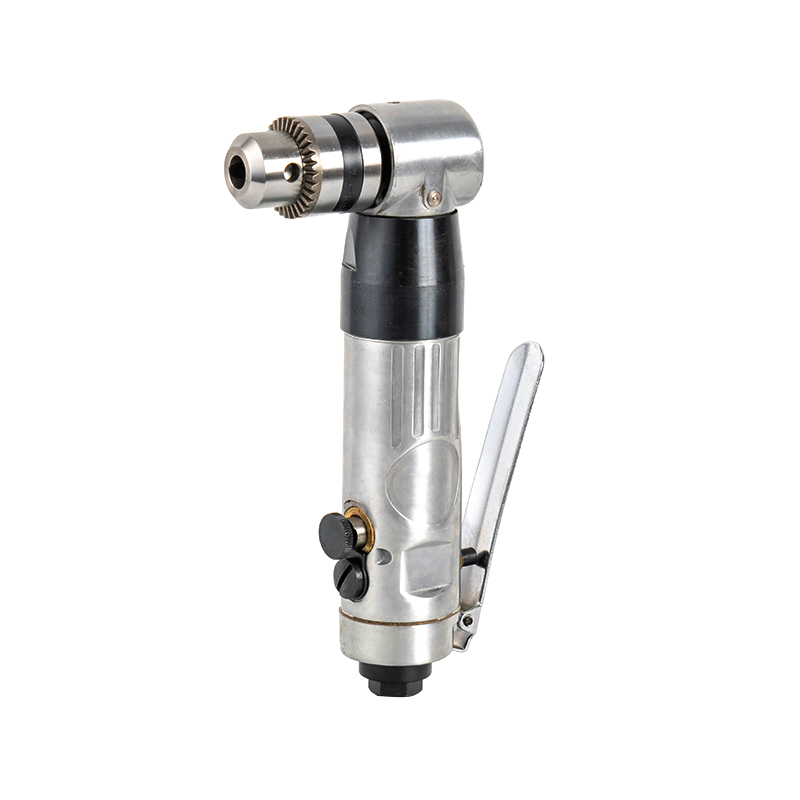 Custom RH-338 3/8 Right Angle Forward Reverse Gas Drill Suppliers, Factory - NinNingbo Haishu Renhao Pneumatic Co., Ltd is China custom RH-338 3/8 Right Angle Forward Reverse Gas Drill Suppliers and OEM/ODM RH-338 3/8...View Product →
Evaluate the Reversing Valve and Throttle
Match the Air Supply
Plan for Accessories
Use Your Supplier’s Expertise
Getting the Most from Your Pneumatic Drill: Setup, Safety, and Maintenance
Air Preparation Is the Most Important Step
Correct Pressure Settings
Lubrication and Vane Replacement
Safe Operating Habits
Storing the Tool
Common Missteps and How to Avoid Them
Using an Undersized Air Hose
Ignoring Water in the Air
Running Without Lubrication
Using Drill Bits That Are Too Dull
Forgetting the Safety Torque Reaction
Buying on Price Alone
The Bottom Line: A Workhorse That Still Makes Sense
Recommended products
-
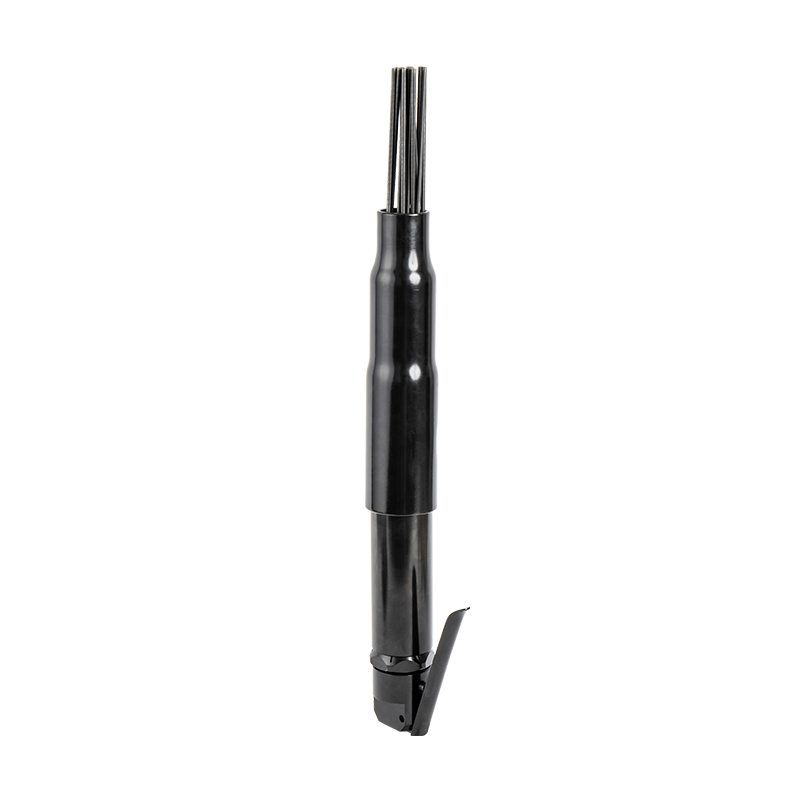
RH-464 Pneumatic Corner Needle Scaler
-
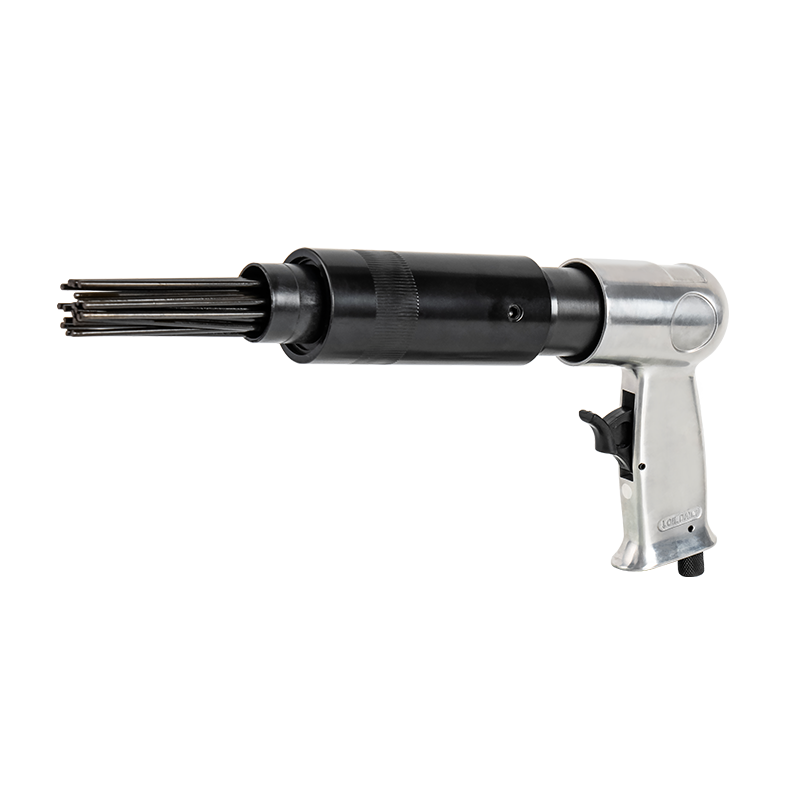
RH-460 Mini Compact Pneumatic Air Needle Scaler
-
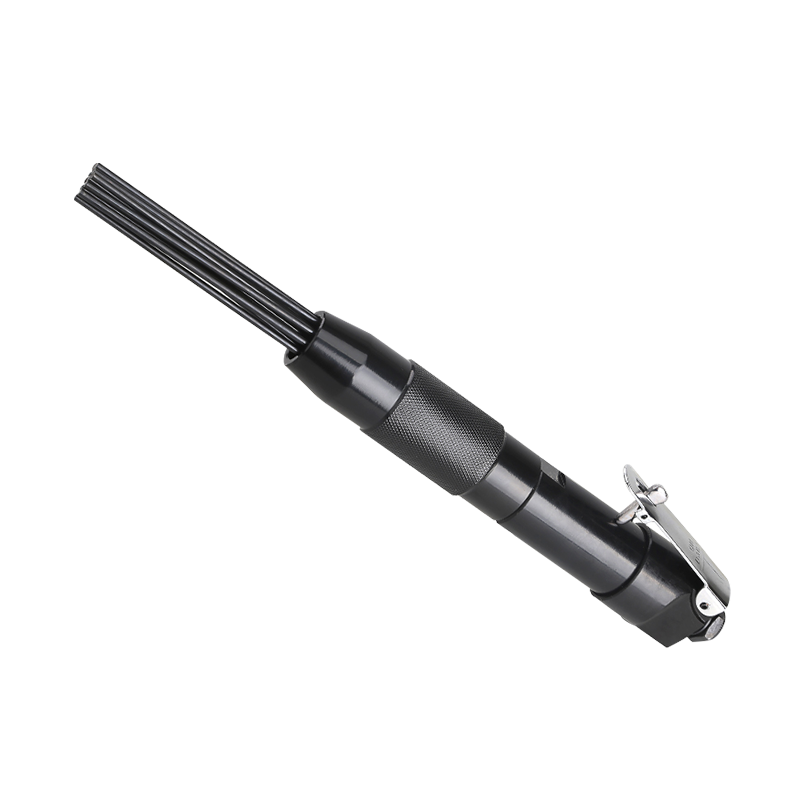
RH-462 Portable Industrial Straight Needle Scaler
-
RH-7034C Portable Pneumatic Chamfering Machine
-
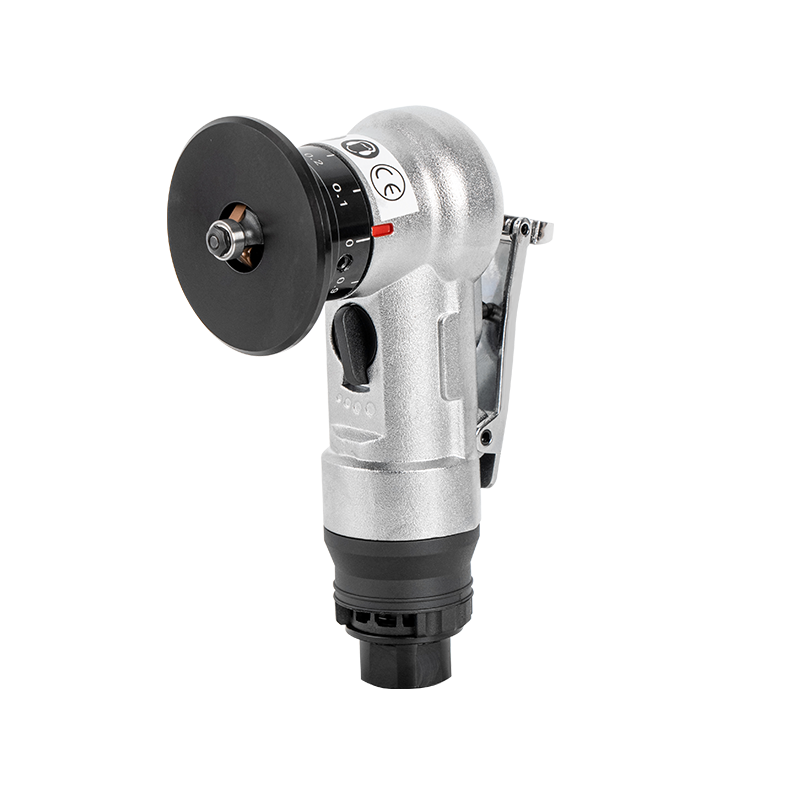
RH-7034B Central Pneumatic 4" Air Angle Grinder
-
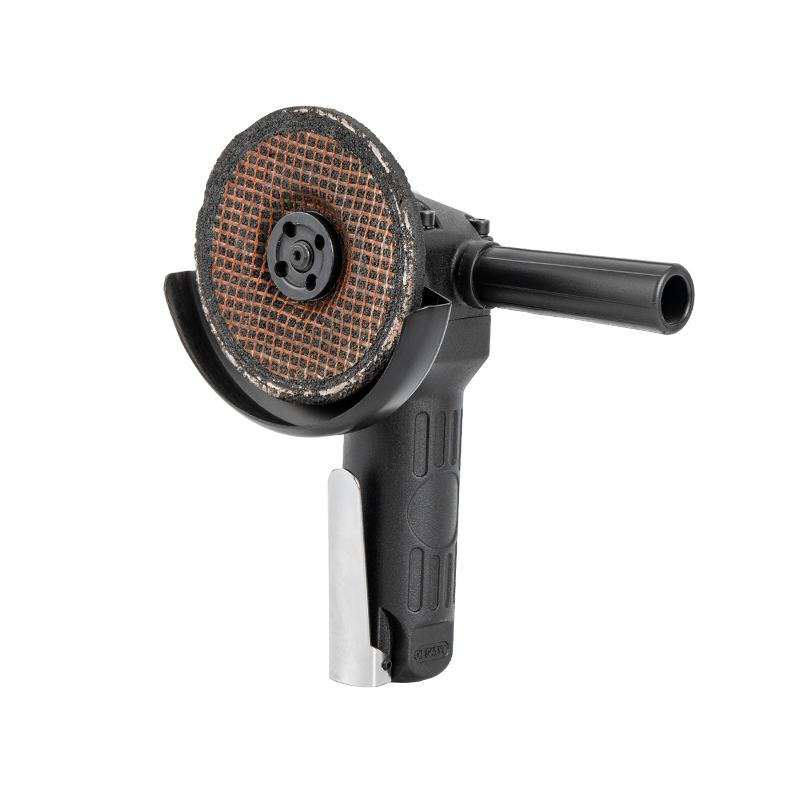
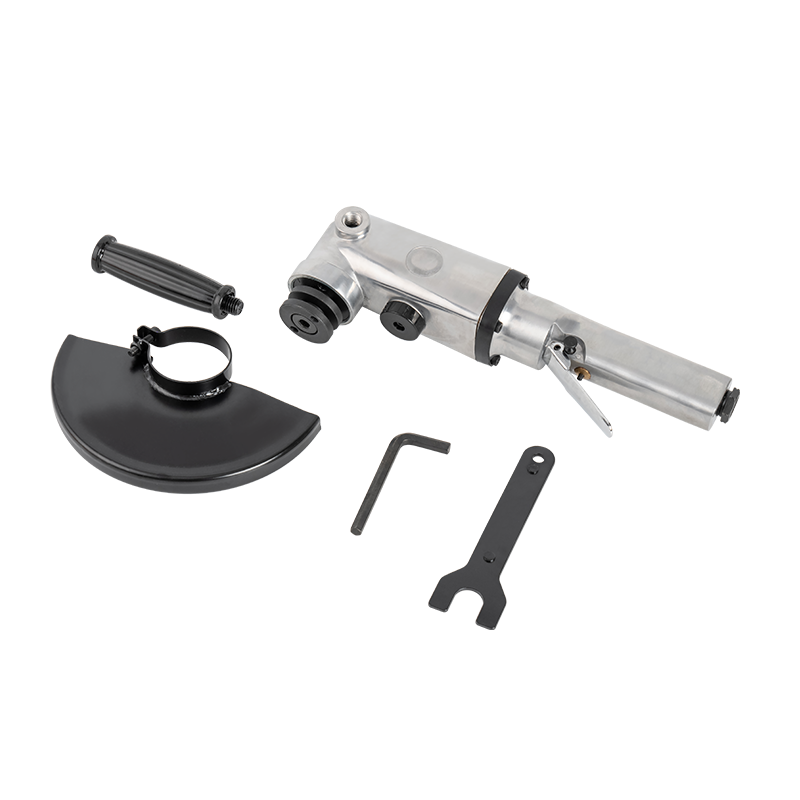
RH-7034D 7" Hand Held Angle Grinder
-
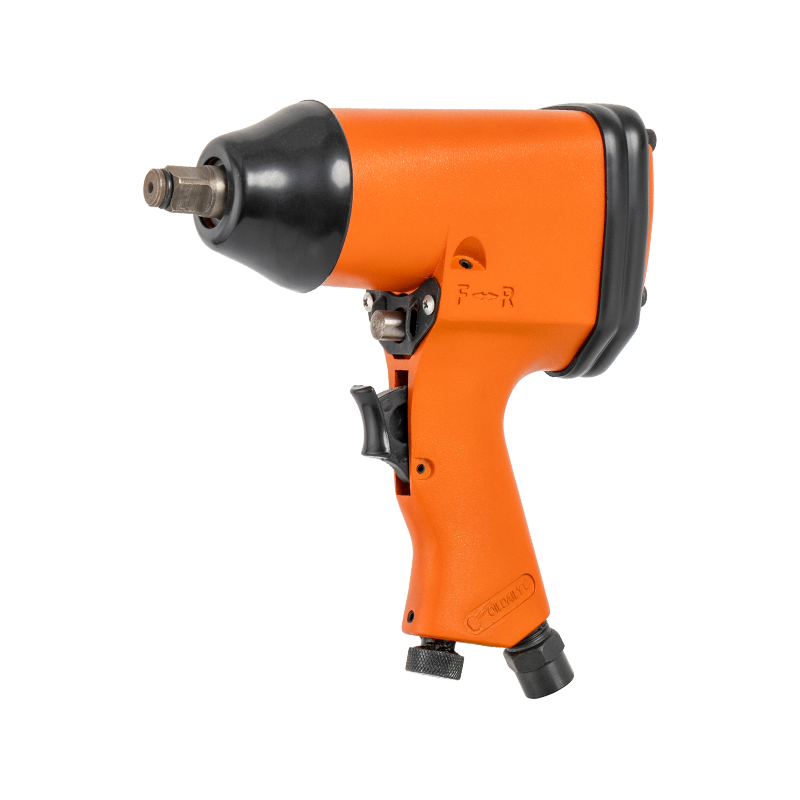
RH-160 1/2" Drive Single Hammer Air Pneumatic Impact Wrench
-
RH-160K Cordless Electric Rechargeable Air Impact Wrench Kit
-
RH-112 1/2" Universal Electric Ratchet Wrench Hand Tool
-
RH-128 1/2" High Torque Electric Ratchet Wrench
-
RH-138 3/8" Long Head Portable Cordless Electric Ratchet Wrench
-
RH-148 1/4" Electric Battery Ratchet Wrench
CONTACT OUR EXPERTS
AND GET A FREE CONSULTATION!
Ningbo Haishu Renhao Pneumatic Co., Ltd.
 Address: Jiangbei District Ningbo City in Zhejiang Province by the Keli industrial ParkL Building 15th
 Phone: +86-139 0668 0779
 Tel: +86-139 0668 0779
 Fax: +86-139 0668 0779
 E-mail:[email protected]


