


 عربى
عربى 中文简体
中文简体Search by posts
Calendar
Product Categories
Industry News
 By Admin
Can the Integration of Low-Speed Torque and Precision Airflow Control Enhance the Integrity of Fine Metal Finishing?
The Engineering Logic of Low-Speed Pneumatic Systems
The Low Speed Air Die Grinder is a highly flexible professional tool designed to meet diverse work needs and ensure good processing results in various application scenarios. Unlike high-speed variants that prioritize rapid material removal, this equipment is engineered for controlled accuracy.
Pneumatic Power and Stability
The equipment is equipped with a 1/4-inch air inlet to ensure the stability of the air supply and meet the needs under high-intensity working conditions. This standard inlet size allows for a consistent volume of compressed air to enter the internal turbine, minimizing pressure drops that could lead to erratic RPM behavior. The RH-7033B3 operates within a working air pressure range of 6-8kg/cm², showing a wide range of adaptability. This broad operational window allows the tool to operate stably under a variety of air source conditions, ensuring the durability and reliability of the equipment during prolonged use in metal processing and mold finishing.
Thread Compatibility and Modular Integration
To accommodate a wide array of industrial attachments, the thread specification is 5/16''-24UNF. This specific threading has strong compatibility and can be seamlessly connected with a variety of pneumatic accessories, such as specialized sanding discs, wire brushes, or polishing heads. Users can flexibly configure it according to actual conditions to adapt to different working environments and requirements, making it a versatile hub for surface treatment.
Performance Dynamics: Airflow and Thermal Management
In terms of airflow performance, the air consumption of the RH-7033B3 is 115 liters per minute, which is approximately 4 cubic feet per minute (CFM). This design ensures good airflow during the grinding process and promotes smooth and efficient processing.
Thermal Reduction and Workpiece Protection
One of the primary technical advantages of the Low Speed Air Die Grinder is its ability to effectively reduce heat generation. During fine processing, high-speed friction can lead to localized overheating, which may warp thin metal sheets or alter the temper of specialized molds. Thanks to its low-speed operation characteristics, the grinder minimizes the thermal load on the workpiece. This reduction in heat prevents potential damage to the material while improving the safety and accuracy of the grinding process.
Operational Safety and Tool Longevity
The mechanical design not only improves the safety of operation but also extends the service life of the tool. Lower rotational speeds reduce the centrifugal stress on internal bearings and the wear rate of the grinding media. By maintaining a lower kinetic energy profile, the tool provides the operator with higher productivity through increased control, significantly improving work efficiency and reducing manual operation time.
Application Scenarios: Precision and Surface Treatment
The Low Speed Air Die Grinder is particularly suitable for processes where the margin for error is minimal.
Metal Processing: Ideal for deburring and edge blending where a high-speed tool might remove too much material or create unsightly gouges.
Mold Finishing: Precision molds require a specific surface roughness (Ra value). The low-speed torque allows for steady, incremental polishing that ensures the mold meets exact dimensional tolerances.
Surface Treatment: For removing oxidation or old coatings from sensitive substrates, the controlled RPM ensures that the base material is not thinned or damaged during the cleaning process.
Technical Specifications and Performance Summary
The following table summarizes the key technical attributes and operational parameters of the Low Speed Air Die Grinder:
|
Feature Category |
Technical Specification |
Operational Benefit |
|---|---|---|
|
Tool Type |
Low-Speed Pneumatic Straight Air Die Grinder |
High flexibility for fine and delicate processing |
|
Model Designation |
RH-7033B3 |
Specialized for mold finishing and surface treatment |
|
Air Inlet Size |
1/4-inch NPT/BSP |
Ensures air supply stability under high-intensity loads |
|
Thread Specification |
5/16''-24UNF |
Strong compatibility with diverse pneumatic accessories |
|
Air Pressure Range |
6.0 – 8.0 kg/cm² |
Stable operation across various air source conditions |
|
Air Consumption |
115 L/min (approx. 4 CFM) |
Efficient airflow for smooth, consistent processing |
|
Thermal Profile |
Low-Heat Generation Design |
Protects workpiece from thermal damage and warping |
|
Precision Control |
Low-Speed Mechanical Torque |
Enhances safety and accuracy in fine finishing |
Mechanical Durability and Structural Integrity
The housing of the Low Speed Air Die Grinder is typically constructed from high-strength aluminum alloy or composite materials to balance weight with structural rigidity.
Ergonomic Design: The straight-body configuration allows for a natural grip, reducing operator fatigue during long-term manual operations. This design is critical for maintaining high productivity in professional workshops.
Internal Lubrication: To maintain the 6-8kg/cm² pressure resilience, the internal turbine and gear sets are designed for use with standard pneumatic lubricants, which are carried by the airflow to ensure all moving parts remain cooled and frictionless.
Vibration Dampening: Despite its high-torque output, the internal balancing of the RH-7033B3 is optimized to minimize handle vibration. This is essential for protecting the user from long-term repetitive strain while ensuring the precision of the grinding path.
Operational Reliability in Industrial Environments
The implementation of the Low Speed Air Die Grinder provides users with a stable and reliable platform for intricate work. By focusing on airflow efficiency and compatible threading, the device acts as a primary tool for achieving high-quality finishes without the risks associated with high-velocity friction.
The ability of the RH-7033B3 to operate at a steady 115 liters per minute ensures that the pneumatic motor does not stall when under load, providing the consistent torque necessary for surface treatment tasks. This reliability is the foundation of its ability to significantly improve work efficiency in metal processing environments, offering a sophisticated technical solution for modern manufacturing needs.
The engineering behind the Low Speed Air Die Grinder represents a calculated balance between pneumatic power and material safety. Through the integration of a 1/4-inch air inlet, a 5/16''-24UNF thread, and low-speed operation parameters, the tool provides a durable, reliable, and highly efficient solution for the most demanding precision processing tasks.
Recommended products
-
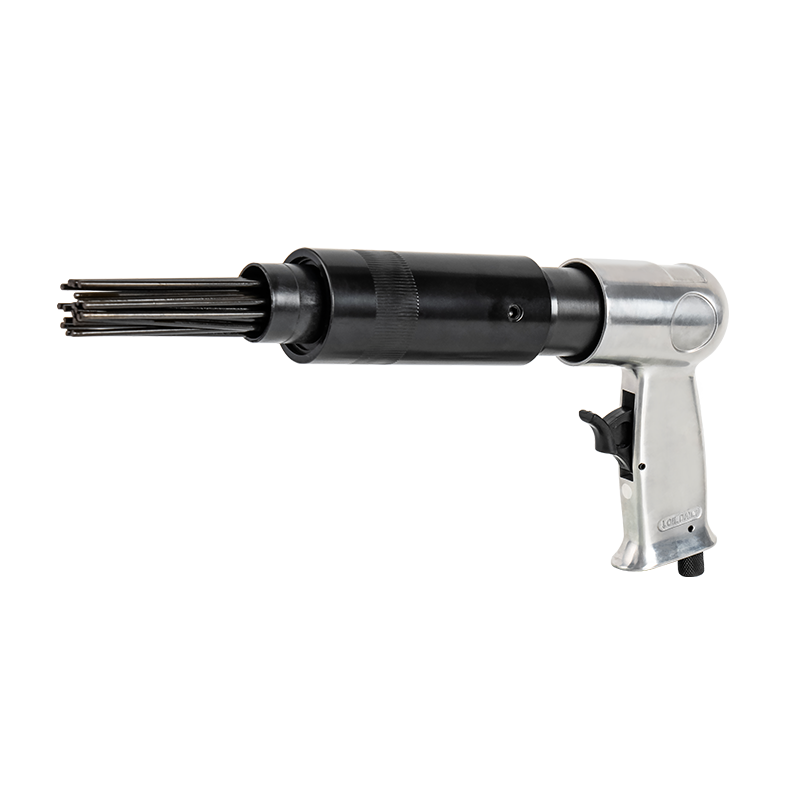
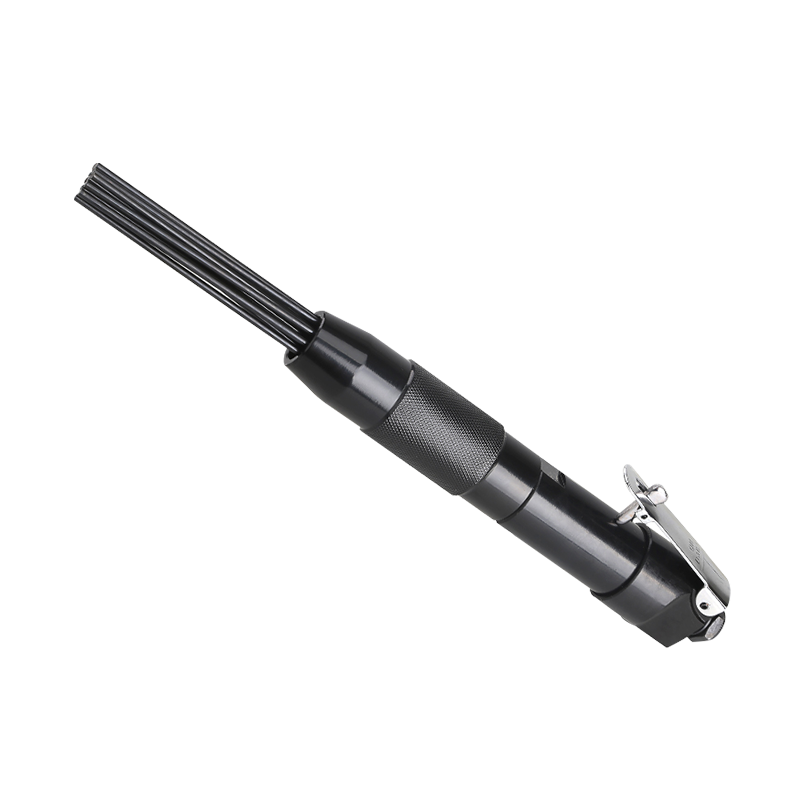
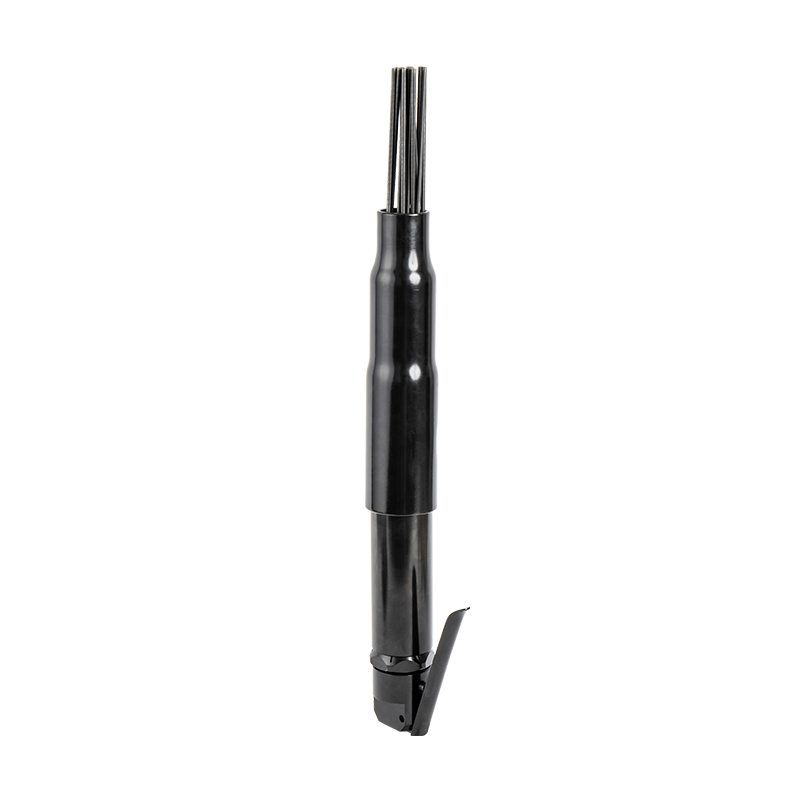
RH-464 Pneumatic Corner Needle Scaler
-
RH-460 Mini Compact Pneumatic Air Needle Scaler
-
RH-462 Portable Industrial Straight Needle Scaler
-
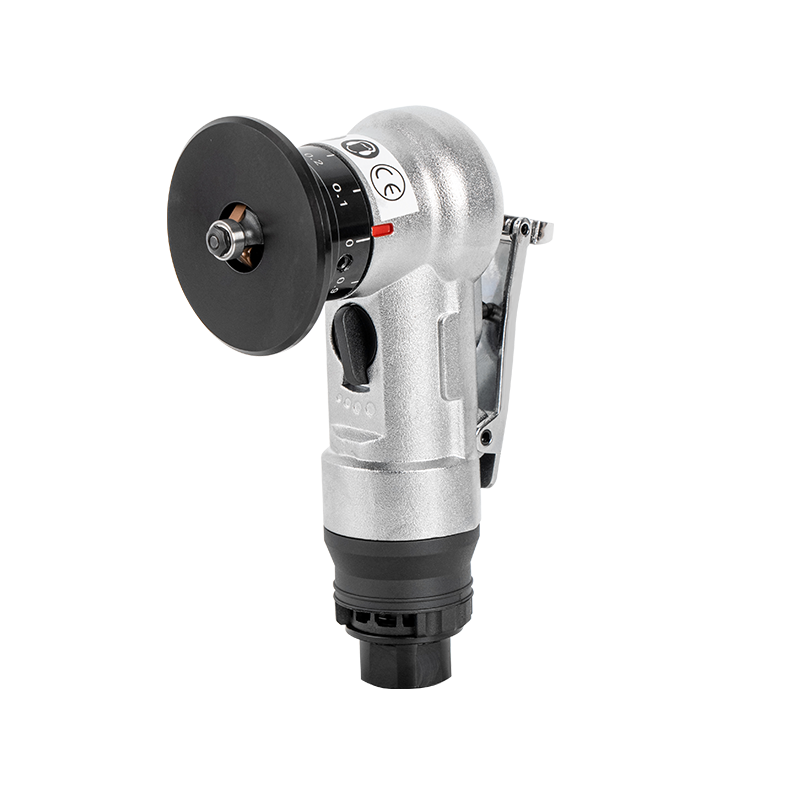
RH-7034C Portable Pneumatic Chamfering Machine
-
RH-7034B Central Pneumatic 4" Air Angle Grinder
-
RH-7034D 7" Hand Held Angle Grinder
-
RH-160 1/2" Drive Single Hammer Air Pneumatic Impact Wrench
-
RH-160K Cordless Electric Rechargeable Air Impact Wrench Kit
-
RH-112 1/2" Universal Electric Ratchet Wrench Hand Tool
-
RH-128 1/2" High Torque Electric Ratchet Wrench
-
RH-138 3/8" Long Head Portable Cordless Electric Ratchet Wrench
-
RH-148 1/4" Electric Battery Ratchet Wrench
CONTACT OUR EXPERTS
AND GET A FREE CONSULTATION!
Ningbo Haishu Renhao Pneumatic Co., Ltd.
 Address: Jiangbei District Ningbo City in Zhejiang Province by the Keli industrial ParkL Building 15th
 Phone: +86-139 0668 0779
 Tel: +86-139 0668 0779
 Fax: +86-139 0668 0779
 E-mail:[email protected]


