


 عربى
عربى 中文简体
中文简体Search by posts
Calendar
Product Categories
Industry News
 By Admin
Air Impact Wrench vs. Hand Impact Wrench: Which is Right for You?
In the world of mechanical engineering, automotive maintenance, and heavy construction, the ability to manage high-torque fasteners effectively is often the difference between a job well done and a project stalled by stripped bolts or physical exhaustion. Among the most critical tools in any professional or enthusiast’s arsenal is the impact wrench. These specialized tools are designed to deliver high torque output with minimal effort by the user, utilizing an internal hammering mechanism to break loose stubborn fasteners or tighten them to precise specifications.
While the term "impact wrench" covers a broad spectrum of tools, the industry typically categorizes them into two primary types based on their power source and mechanical operation: the air impact wrench (often referred to as a pneumatic impact wrench) and the hand impact wrench (commonly known as a manual impact wrench).
The choice between these two is rarely about which tool is "better" in an absolute sense, but rather which tool is appropriate for the specific task at hand. This impact wrench comparison aims to provide an exhaustive analysis of both types, examining their mechanics, advantages, limitations, and the specific scenarios where one outshines the other. Whether you are involved in professional automotive repair, large-scale construction, or simple home DIY projects, understanding the nuances of these tools is essential for safety, efficiency, and tool longevity.
What is an Air Impact Wrench?
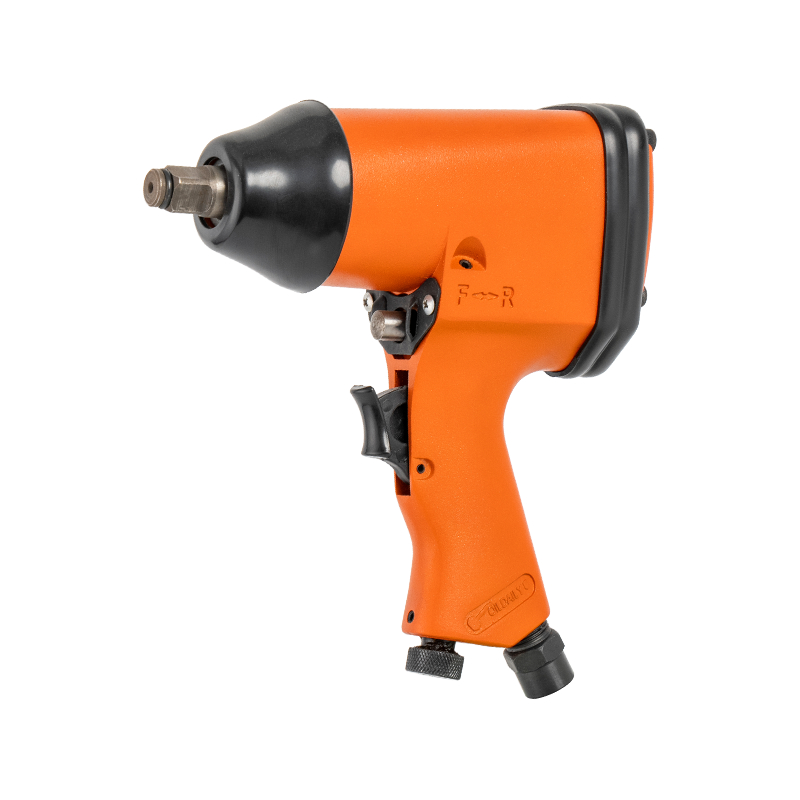
An air impact wrench is a power tool driven by compressed air. It is the gold standard in professional garages and industrial assembly lines. By converting the energy of pressurized air into a series of rapid, powerful rotary blows, it provides the immense torque required to manage large fasteners that would be impossible to turn with standard hand tools.
How it Works: The Pneumatic Mechanism
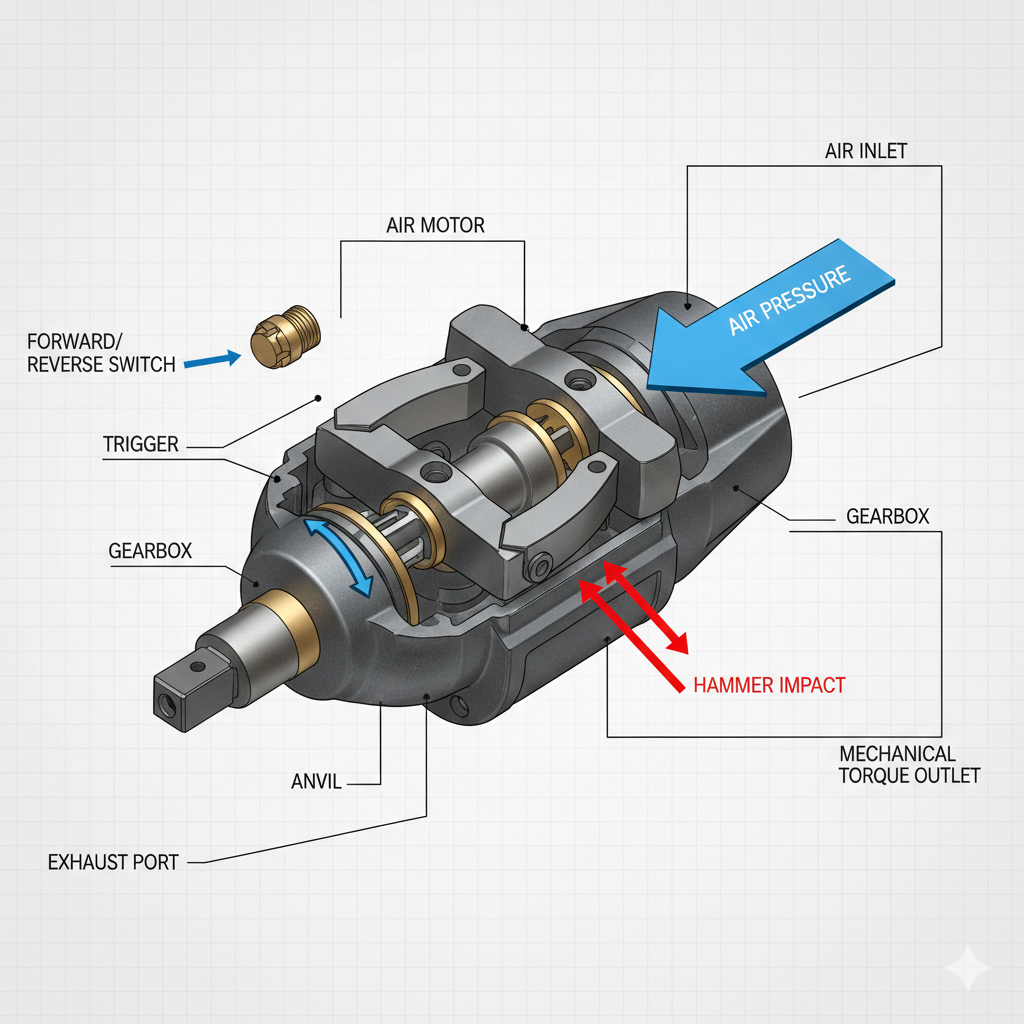
The heart of a pneumatic impact wrench is its air motor. When the user pulls the trigger, compressed air enters the tool and spins a rotor. This rotor is connected to an "impact mechanism"—usually a twin-hammer or rocking-dog design. As the rotor spins, it builds kinetic energy. When the resistance of the bolt becomes higher than the motor's spinning force, the internal hammers strike the output shaft (the anvil), delivering a sudden, massive burst of rotational force. This happens hundreds or even thousands of times per minute.
Key Components
The Anvil: This is the square drive at the front of the tool where the impact-rated sockets are secured. It acts as the final output shaft that transfers the rotational energy directly to the fastener. Standard sizes include 3/8-inch for light tasks, 1/2-inch for general automotive work, and 3/4-inch or 1-inch for heavy industrial and agricultural applications. The anvil must be manufactured from high-strength alloy steel to withstand the constant high-frequency hammering without fracturing.
The Air Motor: Comprising a series of composite or carbon vanes housed within a cylinder, the air motor is the primary power source. When compressed air flows through the inlet, it pushes against these vanes to create rapid rotation. The efficiency and quality of the motor determine how quickly the tool can reach its maximum RPM and how consistently it can maintain performance under load.
The Hammer Mechanism: This is the internal weight system that generates the actual "impact" force. Most modern professional tools utilize a "twin-hammer" design, where two identical hammers strike the anvil simultaneously from both sides. This creates a balanced, high-torque output and reduces the vibration felt by the operator. The kinetic energy stored in these spinning hammers is what allows the tool to break loose seized or rusted bolts that a steady rotational force could never move.
The Regulator: A built-in control valve or dial that allows the user to manage the volume of air entering the motor. This is critical for adjusting the tool’s torque output to match the requirements of the specific job. By dialing down the regulator, a technician can prevent over-tightening or snapping smaller bolts, while opening it fully provides the maximum "breakaway torque" needed for heavy-duty extraction.
Common Uses and Applications
The air impact wrench is indispensable in automotive repair, particularly for removing lug nuts during tire changes or working on suspension components. In construction, they are used for bolting steel beams and heavy machinery assembly. They are the go-to choice whenever high volume and high speed required.
Advantages of Air Impact Wrenches
The primary reason professionals gravitate toward the air impact wrench is its sheer performance capability and its unrivaled power-to-weight ratio. In professional environments where thousands of high-torque cycles are performed weekly, the ability of a pneumatic tool to deliver consistent, high-intensity rotational strikes without mechanical fatigue is a decisive factor. These tools provide the raw force necessary to tackle industrial-scale fasteners while maintaining a lightweight profile that reduces operator strain over long shifts.
1. Immense Power and Torque
No other handheld tool can match the torque-to-weight ratio of a high-quality pneumatic tool. A standard 1/2-inch air impact wrench can easily produce between 500 and 1,200 foot-pounds of "nut-busting" torque. This makes it capable of removing rusted, over-tightened, or heat-cycled bolts in seconds.
2. Speed and Efficiency
In a professional setting, time is money. An air wrench can remove all five lug nuts from a vehicle in under 30 seconds. This efficiency reduces fatigue for the technician and increases the throughput of the shop.
3. Durability for Heavy-Duty Tasks
Because they do not contain internal electric motors or batteries that can overheat, air tools can be used continuously in heavy-duty environments. As long as the air supply is consistent, the tool will perform at peak levels without the "thermal shutdown" common in cordless electric alternatives.
Disadvantages of Air Impact Wrenches
Despite the undeniable power advantage, air impact wrenches carry significant logistical "strings" attached that can complicate their use for casual users. Operating a pneumatic system requires a dedicated infrastructure of support equipment, ongoing energy costs to maintain air pressure, and a stationary workspace that can accommodate the necessary hoses and compressor noise. For many, the high barrier to entry—both in terms of cost and physical space—makes the pneumatic option less accessible than simpler mechanical alternatives.
1. The Compressor Requirement
An air tool is useless without an air compressor. This means the user must invest not only in the wrench but also in a compressor capable of delivering the required CFM (Cubic Feet per Minute) and PSI (Pounds per Square Inch). This adds significant upfront cost.
2. Noise Pollution
Pneumatic tools are notoriously loud. The combination of the air exhaust and the metal-on-metal hammering mechanism can reach decibel levels that require mandatory hearing protection. Additionally, the air compressor itself adds to the ambient noise of the workspace.
3. Limited Portability
You are tethered to an air hose. This limits your range of motion and makes it difficult to use the tool in remote locations or on the side of a highway unless you have a vehicle-mounted compressor system.
4. Maintenance Intensiveness
To keep a pneumatic impact wrench running, it must be oiled daily (usually a few drops of tool oil into the air inlet). Furthermore, the air compressor requires its own maintenance schedule, including draining water from the tank to prevent internal rusting.
What is a Hand Impact Wrench?
On the other end of the functional spectrum sits the hand impact wrench, frequently called a manual impact wrench. This device serves as a purely mechanical counterpart to high-powered systems, eschewing air lines and electricity in favor of a design that relies entirely on the physical strike of a hammer to function. It is widely regarded by mechanics as a masterpiece of simple yet brilliant engineering, specifically crafted to solve high-friction problems—such as seized screws or corroded fasteners—where precision and a heavy downward force are more valuable than raw speed.
How it Works: The Manual Mechanism
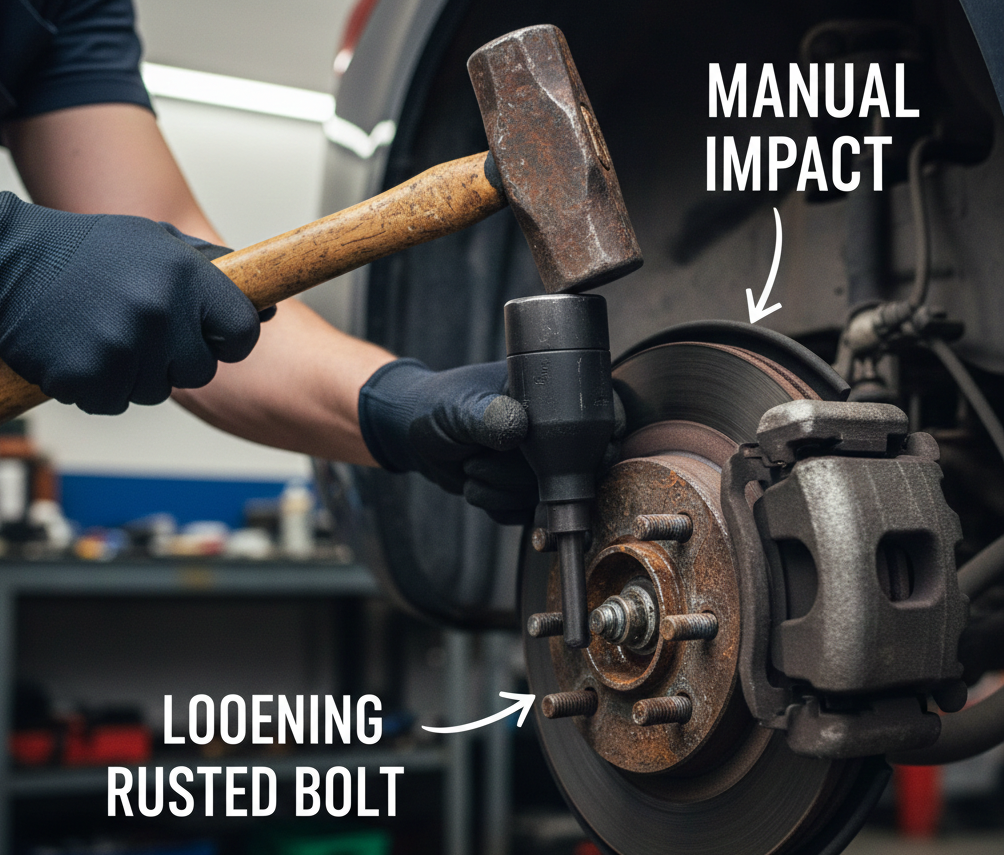
A manual impact wrench consists of a heavy outer sleeve and an internal splined shaft. When you place a socket on the anvil and strike the back of the tool with a traditional hammer (like a ball-peen or small sledge), the downward face of the hammer blow is converted into a high-torque rotational movement by the internal cam/spline.
Key Components
Strike Face: This is a reinforced, hardened steel cap located at the rear of the tool handle. It is specifically engineered to endure thousands of high-velocity strikes from a hammer or mallet without deforming or cracking. The design ensures that the kinetic energy from the hammer is efficiently channeled through the tool's body toward the internal mechanism.
Internal Cam/Spline: The "brain" of the manual impact wrench, this mechanism consists of high-precision helical grooves or splines. When the strike face is hit, the internal spring-loaded shaft is forced downward. As it moves, the splines guide the shaft into a rotational path, effectively translating linear impact force into a short, sharp, and incredibly powerful burst of rotational torque. This mechanical translation is what provides the unique ability to turn a fastener while simultaneously keeping the bit firmly seated in the bolt head.
Drive Anvil: Similar to its pneumatic counterpart, the drive anvil is the final square output shaft. It typically comes in 3/8-inch or 1/2-inch sizes to accommodate standard impact-rated sockets and driver bits. Because this component is subjected to both the downward shock of the hammer and the resulting rotational torque, it is forged from premium chrome-vanadium or chrome-moly steel to prevent shearing under extreme stress.
Common Uses and Applications
The manual version is the "secret weapon" for DIY projects involving older machinery. It is specifically designed for loosening rusted, corroded, or "frozen" screws and bolts—especially Phillips-head or flat-head screws on motorcycle engine cases or brake rotors that would otherwise strip if turned with a regular screwdriver.
Advantages of Hand Impact Wrenches
1. Absolute Portability
A hand impact wrench fits in a pocket or a small toolbox. It requires no electricity, no batteries, and no hoses. It is the ultimate "emergency" tool for off-roaders or mobile mechanics.
2. Precision and Feel
Because you are providing the force with a hammer, you have a much better "feel for the fastener. This significantly reduces the risk of snapping a bolt head off, as you can increase the force of your strikes incrementally.
3. Cost-Effectiveness
While a professional air setup can cost upwards of $1,000 (wrench + compressor + hoses), a high-quality manual impact driver can be purchased for $30 to $60.
4. Noise Control
While there is the sound of a hammer strike, there is no constant roar of a compressor or the high-pitched whine of an air motor. It is a much more "neighbor-friendly" tool for late-night garage work.
Disadvantages of Hand Impact Wrenches
1. Limited Torque Output
The torque produced by a manual tool is entirely dependent on the strength of your hammer swing and the efficiency of the tool's internal cam. It cannot compete with the sustained 1,000+ lb-ft of a pneumatic system.
2. High Physical Effort
Using a manual impact wrench is exhausting if you have more than one or two fasteners to deal with. It is a tool of "last resort" for specific stuck bolts, not a tool for general assembly.
3. Not for Large Fasteners
You would never use a manual impact wrench to remove 32mm axle nuts or heavy construction bolts. The mechanism is simply not scaled for that level of resistance.
Key Differences: Impact Wrench Comparison
To assist you in evaluating which tool architecture best aligns with your operational requirements and workflow, we have curated a comprehensive head-to-head comparison. This analysis breaks down the performance characteristics of both pneumatic and manual systems across several critical metrics, including power output, logistical constraints, and long-term utility.
Technical Comparison Table
|
Feature |
Air (Pneumatic) Impact Wrench |
Hand (Manual) Impact Wrench |
|---|---|---|
|
Power Source |
Compressed Air |
Manual Hammer Strike |
|
Max Torque |
High (500 - 2,000+ lb-ft) |
Low to Medium (Striker Dependent) |
|
Application |
High-volume Automotive/Industrial |
Rusted screws/Small DIY tasks |
|
Portability |
Low (Tethered to Hose) |
High (Fits in pocket) |
|
Speed |
Extremely Fast |
Very Slow |
|
Cost |
High |
Very Low |
|
Maintenance |
Daily Oiling & Compressor Care |
Minimal (Occasional Grease) |
|
Noise Level |
Very High (90dB+) |
Moderate (Hammer Clang) |
When to Use an Air Impact Wrench?
Deciding when to reach for the air hose is primarily a matter of recognizing the scale and intensity of the task at hand. While a manual tool excels in precision, the pneumatic system is reserved for scenarios where the volume of work or the sheer resistance of the fasteners demands a level of mechanical intervention that human strength simply cannot provide.
Heavy-Duty Automotive Repairs
For technicians performing a suspension overhaul, changing a heavy-duty transmission, or working on chassis components for heavy truck frames, a pneumatic impact wrench is essentially mandatory. These tasks often involve fasteners that have undergone severe heat cycles and environmental corrosion. In such cases, the tool’s high breakaway torque is necessary to overcome the static friction of seized threads. Relying on manual work for dozens of high-torque bolts is not only physically impractical but also increases the risk of workplace injury due to overexertion.
Construction and Industrial Applications
In the realm of large-scale construction, particularly during steel erection or bridge work, the 1-inch drive air impact wrench serves as the industry standard. These heavy-duty tools are used to ensure that critical structural bolts are seated with the precise, massive force required to maintain structural integrity and meet engineering safety codes. To sustain this performance, these sites often require high-capacity compressors with a high CFM rating to support multiple tools running simultaneously without a drop in line pressure.
Situations Requiring High Speed
In a high-throughput environment like a commercial tire shop, an air wrench is more than just a convenience; it is a fundamental requirement for the business model to remain profitable. The rapid-fire hammering action allows a single operator to remove and reinstall lug nuts in seconds, drastically reducing the time a vehicle spends on the lift. In these high-speed scenarios, the consistent flow of compressed air ensures that every fastener is tightened to a repeatable level of torque, maintaining both efficiency and safety.
When to Use a Hand Impact Wrench?
The manual version is a specialized tool often reserved for precision "rescue" operations, where finesse and targeted force are required to extract a fastener that is on the verge of total failure. Unlike power tools that can inadvertently strip a soft bolt head, the hand impact wrench allows for a surgical application of torque, making it indispensable for reviving "frozen" components without causing collateral damage.
DIY Projects and Small Machinery
For the home hobbyist working on a lawnmower, a bicycle, or a vintage motorcycle, the manual impact wrench is often the safer choice. It prevents the destruction of soft metal fasteners often found on small engines.
Working in Tight Spaces
Air tools are often bulky. If you are working inside a cramped engine bay where a 10-inch long pneumatic tool won't fit, a compact manual driver combined with a short hammer can often get the job done.
Loosening Rusted or Stuck Fasteners
The unique benefit of the manual wrench is that the hammer blow forces the bit into the fastener head at the exact same moment it applies rotation. This "downward pressure" is the best way to prevent stripping out Phillips or Torx heads that have been seized by rust.
Maintenance and Longevity
Regardless of which tool you choose for your toolkit, implementing a rigorous and consistent care regimen is absolutely essential to maintain long-term torque accuracy, operational safety, and the overall lifespan of the tool.
Pneumatic Maintenance Checklist
Lubrication and Internal Friction: Before every work session, add 2-3 drops of specialized air tool oil directly into the air inlet. This ensures that the composite vanes of the air motor remain lubricated and the internal twin-hammer mechanism continues to strike with maximum efficiency without excessive heat build-up.
Moisture Control and Corrosion Prevention: Always utilize an in-line water separator or ensure the air compressor tank is drained of condensation daily. Because air compresses moisture, water entering the tool is the primary cause of internal oxidation and catastrophic failure of the air motor.
Regulator Check and Stress Management: Regularly verify that your line pressure does not exceed the manufacturer’s rating (typically 90 PSI). While higher pressure might seem like it provides more power, over-pressuring is the leading cause of fractured internal hammers and shattered anvils.
Manual Maintenance Checklist
Strike Face Inspection: Frequently examine the strike face for signs of "mushrooming," where the metal begins to spread or flatten from repeated hammer impacts. If this occurs, use a bench grinder or file to remove the excess flared metal; this prevents dangerous metal shards from shearing off and becoming projectiles during a heavy strike.
Mechanism Cleaning and Lubrication: Keep the internal splines and cam surfaces free from grit, metal shavings, and shop debris. To maintain a smooth mechanical translation, apply a small amount of high-quality molybdenum or lithium grease inside the sleeve every few years to ensure the spring-loaded return remains responsive and the rotation is effortless.
FAQ: Frequently Asked Questions
1. Can I use an air impact wrench to tighten all types of bolts?
It is not recommended. While air impact wrenches are incredibly efficient at removal, using them to tighten precision components or aluminum parts (like engine valve covers) can easily lead to stripped threads or snapped bolts due to excessive torque. For these parts, a manual impact wrench or a calibrated torque wrench is a much safer choice.
2. Which is better: Pneumatic or Cordless Electric impact wrenches?
It depends on your work environment. Pneumatic wrenches are typically lighter, more durable for long-term use, and offer a higher torque ceiling for heavy industrial tasks. Cordless electric wrenches offer superior portability as they aren't tethered to a hose or compressor. While top-tier cordless tools now rival pneumatic power, air remains the standard in heavy-duty shop environments.
3. Can I use standard sockets with an impact wrench?
Absolutely not. You must use specialized "impact sockets," which are usually black and made from a more ductile material (like Chrome Molybdenum). Standard sockets (typically shiny chrome) are harder and more brittle; they can easily shatter under the high-frequency vibration of an impact wrench, creating dangerous flying shards.
4. Why does my air impact wrench feel weak?
Common causes include insufficient air pressure (PSI), a hose with a diameter that is too narrow (restricting CFM flow), lack of lubrication causing internal friction, or air leaks at the fittings. Check your air supply system's integrity to restore full power.
5. Can a hand impact wrench remove rusted lug nuts on a car?
Highly unlikely. Hand impact wrenches are designed primarily for loosening screws (like Phillips or Torx heads). The torque output is nowhere near enough to overcome the 100+ ft-lb of torque required for wheel lug nuts. For that task, you need a pneumatic impact wrench or a long-handled breaker bar.
In the impact wrench comparison between air and hand-powered models, there is no single winner—only the right tool for the right context.
The air impact wrench is the undisputed king of power, speed, and industrial capability. It is the backbone of automotive repair and construction, providing the muscle to move the heaviest loads. However, it requires a significant investment in infrastructure and lacks portability.
Conversely, the hand impact wrench remains a vital tool for its simplicity, cost, and surgical effectiveness at removing stuck screws in DIY projects. It is the "finesse" tool that saves you from a stripped bolt disaster when an air tool might be too aggressive.
Final Recommendation:
If you are a professional mechanic or building a serious home shop, start with a high-quality pneumatic impact wrench and a 20-gallon compressor.
If you are a casual DIYer or a motorcycle enthusiast, keep a manual impact wrench in your kit for those moments when a bolt refuses to budge.
Choosing the right tool not only makes the job easier but also protects your equipment and ensures your projects are completed safely and effectively.
Recommended products
-
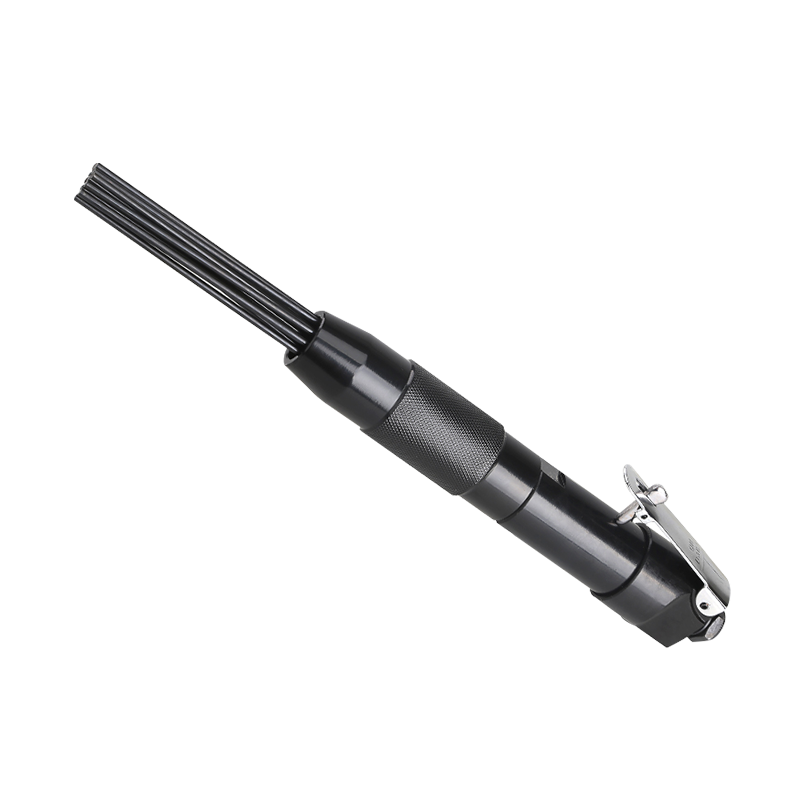
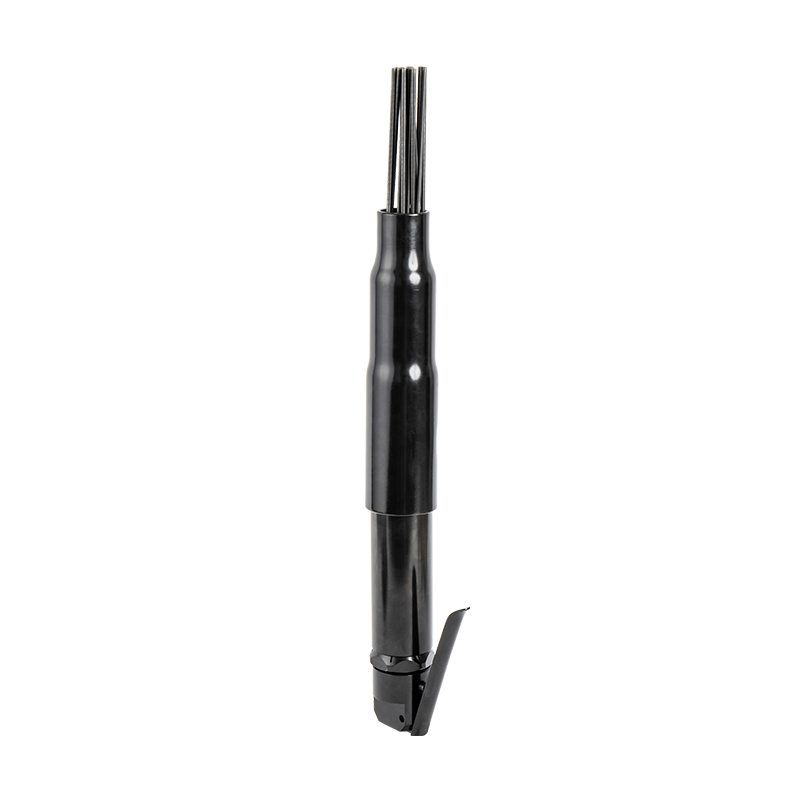
RH-464 Pneumatic Corner Needle Scaler
-
RH-460 Mini Compact Pneumatic Air Needle Scaler
-
RH-462 Portable Industrial Straight Needle Scaler
-
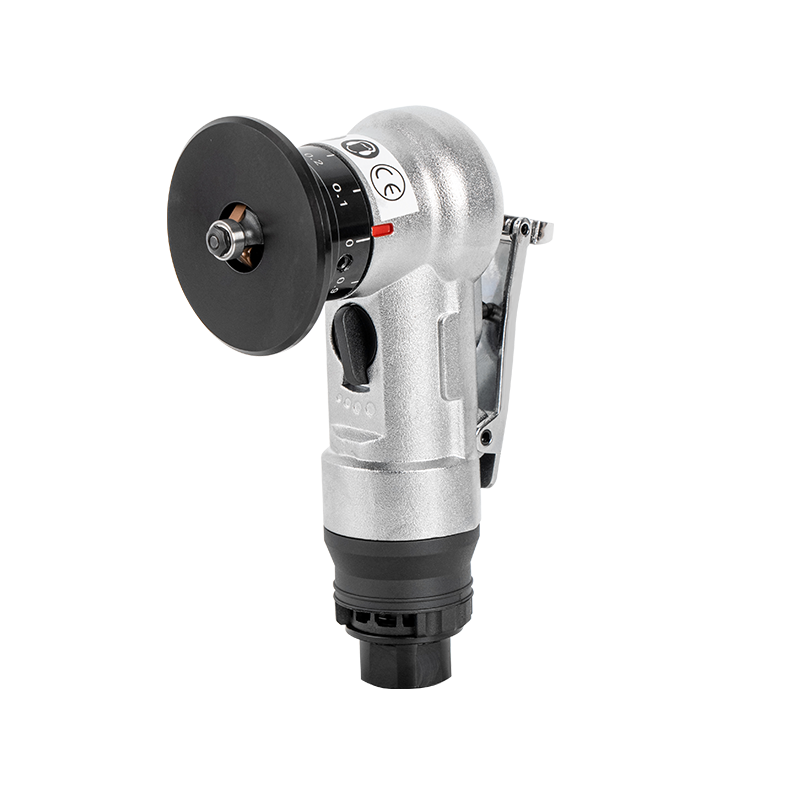
RH-7034C Portable Pneumatic Chamfering Machine
-
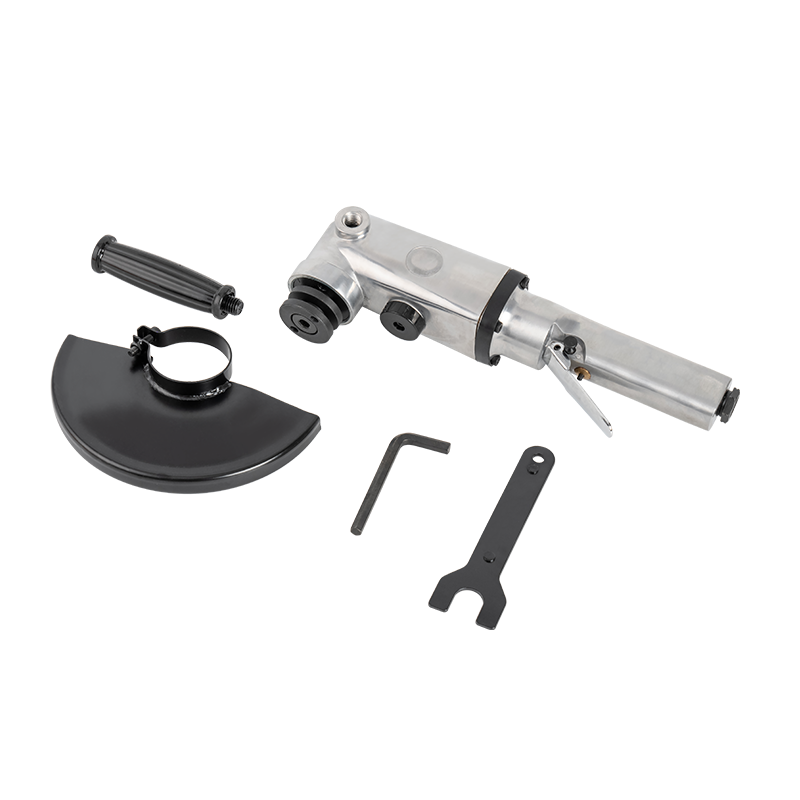
RH-7034B Central Pneumatic 4" Air Angle Grinder
-
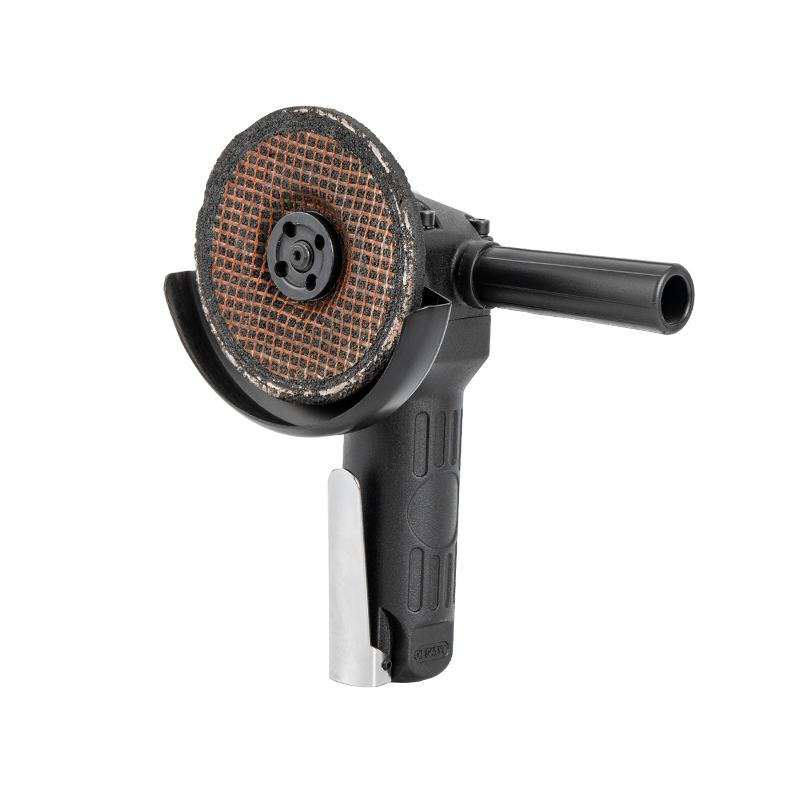
RH-7034D 7" Hand Held Angle Grinder
-
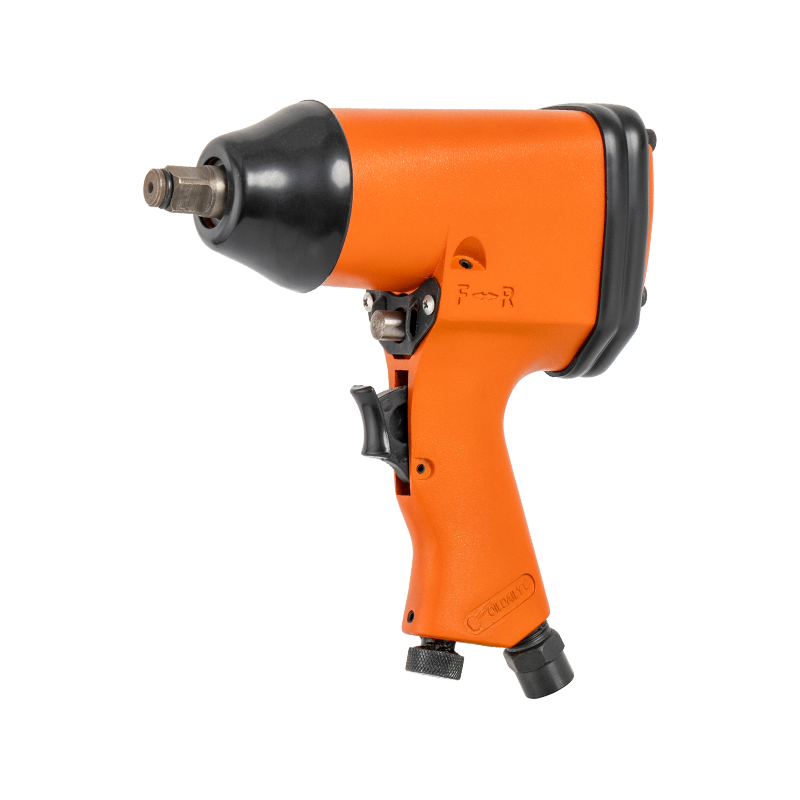
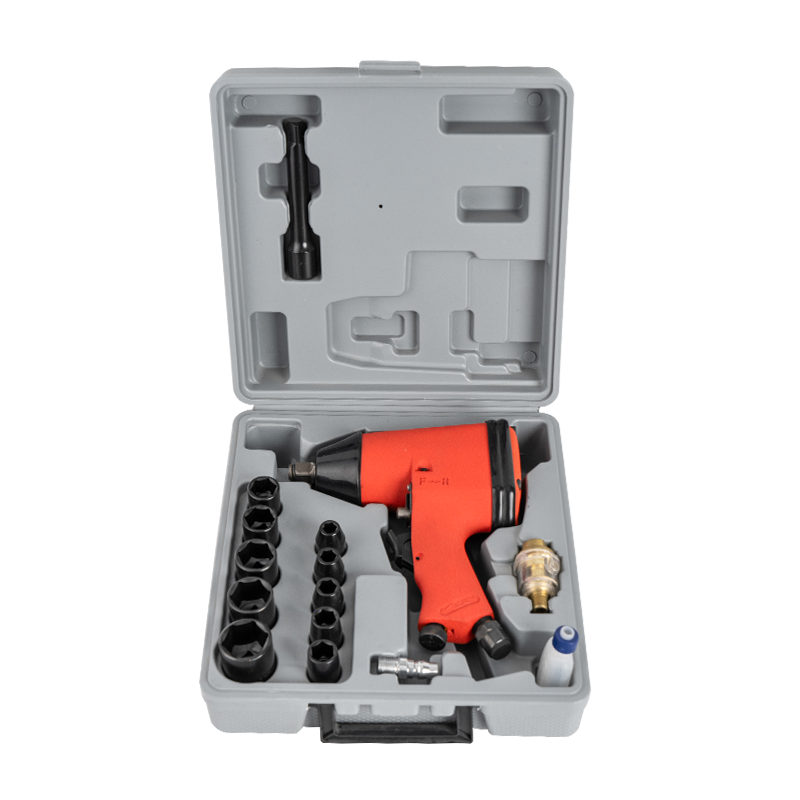
RH-160 1/2" Drive Single Hammer Air Pneumatic Impact Wrench
-
RH-160K Cordless Electric Rechargeable Air Impact Wrench Kit
-
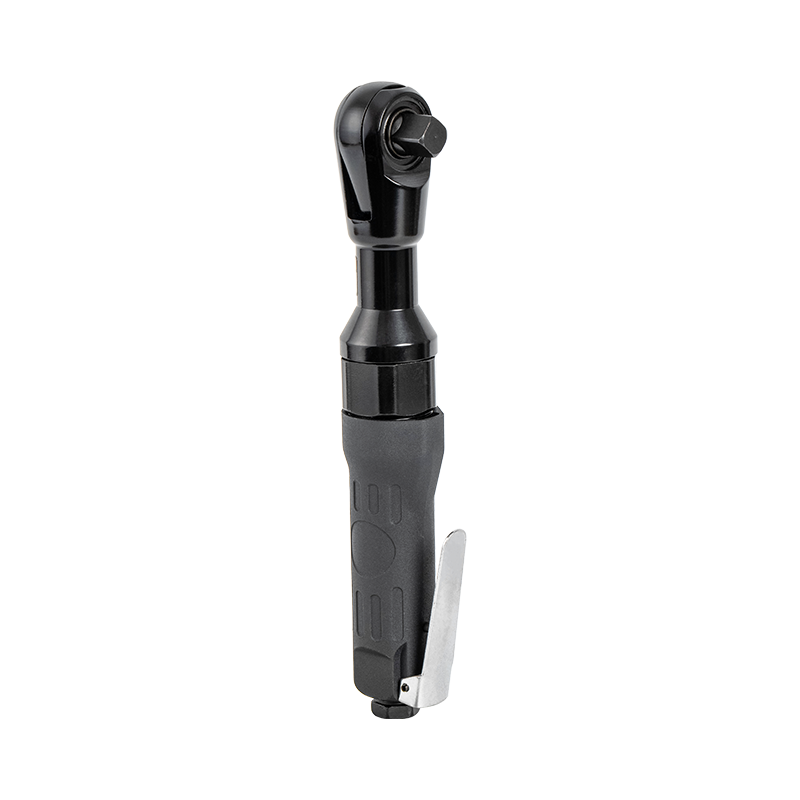
RH-112 1/2" Universal Electric Ratchet Wrench Hand Tool
-
RH-128 1/2" High Torque Electric Ratchet Wrench
-
RH-138 3/8" Long Head Portable Cordless Electric Ratchet Wrench
-
RH-148 1/4" Electric Battery Ratchet Wrench
CONTACT OUR EXPERTS
AND GET A FREE CONSULTATION!
Ningbo Haishu Renhao Pneumatic Co., Ltd.
 Address: Jiangbei District Ningbo City in Zhejiang Province by the Keli industrial ParkL Building 15th
 Phone: +86-139 0668 0779
 Tel: +86-139 0668 0779
 Fax: +86-139 0668 0779
 E-mail:[email protected]


