


 عربى
عربى 中文简体
中文简体Search by posts
Calendar
Product Categories
Industry News
 By Admin
A Pneumatic Drill Is Commonly Used: Key Applications and Buying Tips Guide
A maintenance crew is assigned to repair a large hydraulic press on a production floor. The electrical supply is locked out because technicians are working on the main panel, but they still need to drill a worn pin hole in a steel bracket. Instead of waiting for a portable generator, one technician picks up a pneumatic drill, connects it to the plant air line, and completes the job in two minutes. This is a typical example of why a pneumatic drill is commonly used when electricity is unavailable, in tight or small areas, and in environments where spark-free operation is important. These advantages are not abstract. They affect scheduling, tool handling, and workplace safety in measurable ways. A pneumatic drill uses compressed air to rotate a motor inside the tool. The air enters the tool body and pushes vanes or a piston, which converts air pressure into rotational torque. Because the power source is a continuous flow of compressed air rather than electricity, the drill can keep working as long as the air supply remains stable. This simple difference drives several practical benefits. One benefit is freedom from power sources. On site, a paltry cord or battery limit disappears. Industrial users only need a compressor and a hose. Another benefit is lower electromechanical risk. Since no electric motor or spark-generating switch is present, pneumatic drills are often selected in areas with combustible dust, fuel vapors, or water splash. They also tend to run cooler, because the expanding air absorbs some heat, and they are usually lighter than an equivalent electric tool with a heavy copper winding. Manufacturers build pneumatic drills in several arrangements to meet different application demands. For example, some models feature a forward/reverse switch, allowing operators to change rotation direction without interrupting the air supply. Others are designed as right-angle drills to reach behind structures or inside tight compartments. A straight pneumatic drill gives more control for top-down drilling in confined spaces, while a drill gun style is preferred for general drilling and tap work. To understand the performance of a pneumatic drill, let’s look at how it is built and what the efficiency claims mean in practical terms. Read more about why a pneumatic drill is so efficient. When a crew is laying pipeline, repairing a highway guardrail, or doing fieldwork without a convenient socket, electricity is not always available. A pneumatic drill can use the same air supply that powers other pneumatic tools such as impact wrenches and grinders. This eliminates the need for extra generators, reduces cable clutter, and allows workers to operate continuously. In these situations, the drill earns its place as a practical field tool. Many industrial machines, vehicle chassis, and ship interior compartments have limited access. A standard electric drill with a bulky chuck and side handle may not fit. A right-angle pneumatic drill, or a compact pneumatic drill gun, can be rotated to present the chuck at a different angle. This allows drilling through holes in a cramped corner or inside a duct where a straight tool would not clear the obstruction. For example, a technician working inside a welded frame can use a right-angle pneumatic drill to reach a bolt hole near the corner of the frame. The air hose goes back out, while the tool itself stays short. This is exactly why a pneumatic drill is commonly used to drill in tight, small areas. Choosing a pneumatic drill is about matching the tool to the task. There is no single “best” drill for every job. Start with if the material is steel, wood, aluminum, or composite. Then consider the diameter and depth of the hole. Finally, think about the space around the hole. These factors drive the core specs you should compare. The following table lists the main specs to evaluate when buying a pneumatic drill. Use it as a preliminary checklist. For a general-purpose pneumatic drill, a 3/8" chuck with forward/reverse is often enough. For heavier drilling into steel, a 1/2" chuck adds the stiffness and torque range needed. If the location is very confined, a right-angle drill becomes almost mandatory. Many industrial models offer a single-hand design, so the operator can use the other hand to guide the drill or hold the material. This is especially valuable when you are working on a ladder or balancing a large workpiece. A drill with a large trigger and a compact body makes one-handed operation easier. On construction sites, pneumatic drills are often used before a concrete structure is finished. When workers install brackets, anchor bolts, or rebar ties, they use the drill to make pilot holes. Since many sites already have a large compressor running for other tools, adding a pneumatic drill does not require another power source. It also eliminates the risk of electric shock near water or wet concrete. In highway and bridge work, a pneumatic drill can be used for drilling bolt holes in steel girders or rock anchors on the roadside. The drill is often carried in a truck along with a small compressor, making it self-contained for remote locations. Bridge decks usually have no power outlet within reach, so the pneumatic option keeps the crew moving without waiting for an electrician to connect temporary power. Because pneumatic drills are compact and do not produce electric sparks, they are common in metal fabrication workshops. They are used for deburring, tapping, reaming, and enlarging holes in panels, chassis, and tooling. The operator can control the speed with the trigger, which helps when crossing through different layers of metal. In automotive repair, a pneumatic drill is useful for removing seized bolts with a twist drill bit, drilling out rivets, or enlarging body panel holes. In marine environments, the absence of electricity is a safety advantage when working near fuel tanks or bilge areas. A pneumatic drill does not depend on battery charge, so it stays at full power even in cold weather. For applications where high torque is needed in a tight space, a right-angle high-torque pneumatic drill offers a practical solution. It combines the convenience of a pneumatic motor with a head that can fit inside narrow cavities such as engine bays or electrical cabinets. A pneumatic drill is only as good as the air system feeding it. You need a compressor that delivers enough pressure and volume. Most industrial pneumatic drills operate at 90 to 120 PSI. The air consumption varies by tool size, typically 3 to 6 CFM at that pressure. If the compressor cannot keep up, the drill will lose power, the speed will drop, and the motor will stall. Proper setup starts with an in-line filter and regulator. The filter removes water and grime, and the regulator controls pressure. An oiler is especially important for pneumatic drills because the tool’s vanes rely on a thin film of lubricant. Without lubrication, the vane can stick or rub against the housing, shortening the tool’s life. Many air systems place a combined filter-regulator-lubricator (FRL) unit before the quick coupler. Accessories also matter. A quick-release coupling lets you swap tools quickly. A swivel connector allows the hose to rotate, preventing kinking when you move the drill around. Side handles and fixed handles give a secure grip for vertical drilling, while a flow-control valve lets you fine-tune the speed. These are small additions that make a big difference in operator comfort and control. Always follow basic pneumatic tool safety. Wear safety glasses to protect your eyes from chips and debris. Use a pair of cut-resistant gloves if the material is abrasive. Check the air hose and couplers for damage before starting. Never exceed the recommended air pressure; too much pressure over-revs the tool and may damage internal components. There is also one risk that is specific to pneumatic tools: the reaction force when the drill jams. A large drill can kick back, so hold the tool firmly and do not lean over it. Before changing bits, shut off the air supply and press the trigger to release any residual pressure. Maintenance is straightforward. Drain the water from the compressor tank daily. Add a small amount of pneumatic tool oil into the air inlet if your air system does not have an automatic oiler. Wipe the tool body clean after each shift. Inspect the vanes periodically in high-use tools. A well-maintained pneumatic drill can last for years, often outliving its electric counterpart because it has fewer electronics to fail. A pneumatic drill is commonly used when there is no reliable electricity, when the drill must enter tight and small areas, and when the environment demands a tool that will not spark. It is also a smart choice when your operation already runs a compressor, because the tool adds very little to the air demand. By considering the chuck size, speed, air consumption, and ergonomic features, you can select a pneumatic drill that fits your specific application and improves daily workflow. If you are uncertain which model matches your job, contact our experts for a free consultation.What Makes a Pneumatic Drill Different?
Where a Pneumatic Drill Is Commonly Used
Remote Sites and Temporary Work
Tight and Confined Spaces
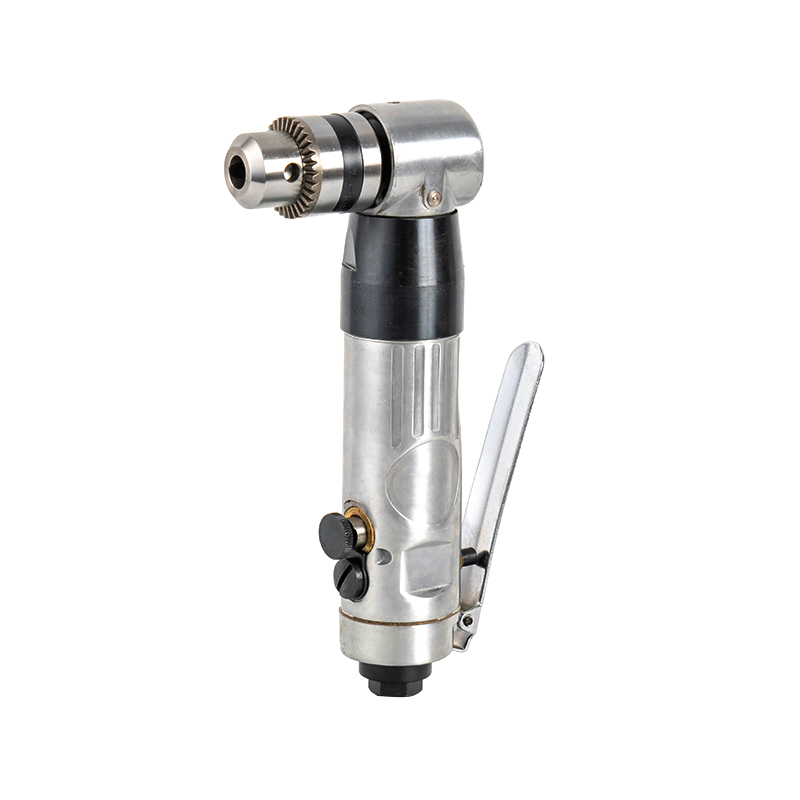 3/8-Inch Right-Angle Pneumatic Drill with Forward and ReverseThis right-angle air drill fits into confined spaces and offers both forward and reverse rotation. It is driven by compressed air, making it practical where electrical tools are unsafe or unavailable.View Product →
How to Choose the Right Pneumatic Drill
Key Specifications
Spec
What It Means
Practical Effect
Chuck size (3/8" or 1/2")
The maximum drill bit shank diameter the tool can hold.
Determines the largest hole you can drill in one pass.
Free speed (RPM)
The speed at which the spindle rotates with no load.
Higher RPM suits harder materials, lower RPM suits deburring and tapping.
Air consumption (CFM)
The volume of air the drill uses per minute at a given pressure.
Helps you size the compressor and verify the air line capacity.
Forward/reverse
Whether the rotation direction can be switched.
Allows you to back out a jammed bit or drive a fastener.
Weight
The physical weight of the tool without the hose.
Affects operator fatigue in long drilling cycles.
Exhaust direction
Where the spent air is discharged (sides, rear, or front).
Front or rear exhaust avoids blowing chips toward the operator.
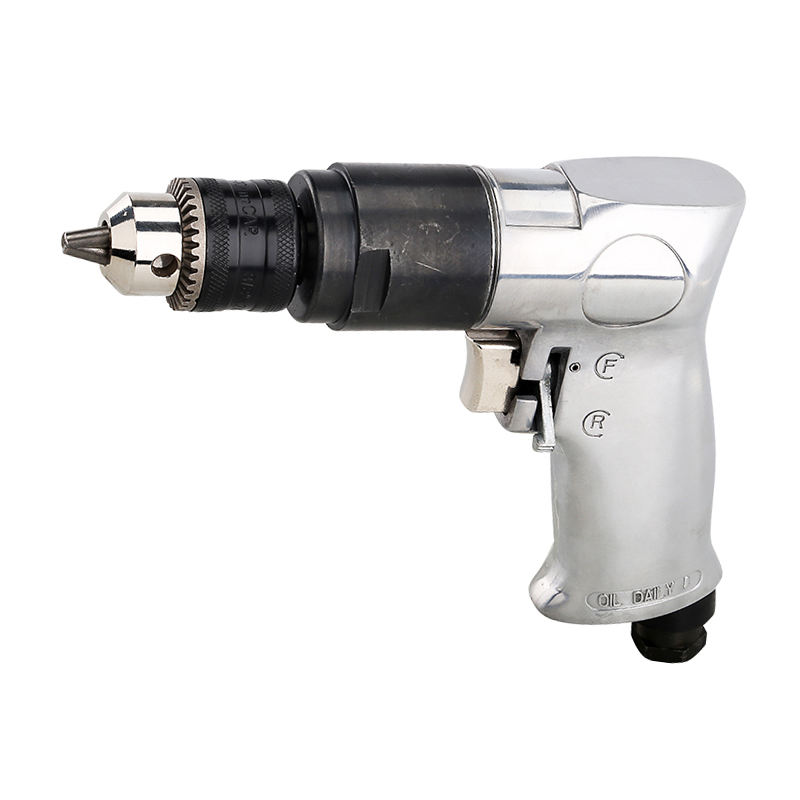 3/8-Inch Forward Reverse Air Drill for One-Hand UseThis pneumatic drill provides forward and reverse rotation for drilling and screw fastening. Its compact, single-hand design lets operators guide the tool while holding materials or working on ladders.View Product →
Construction and Industrial Applications in Practice
Building Construction and Renovation
Road and Bridge Maintenance
Metal Fabrication and Assembly
Automotive and Marine Repair
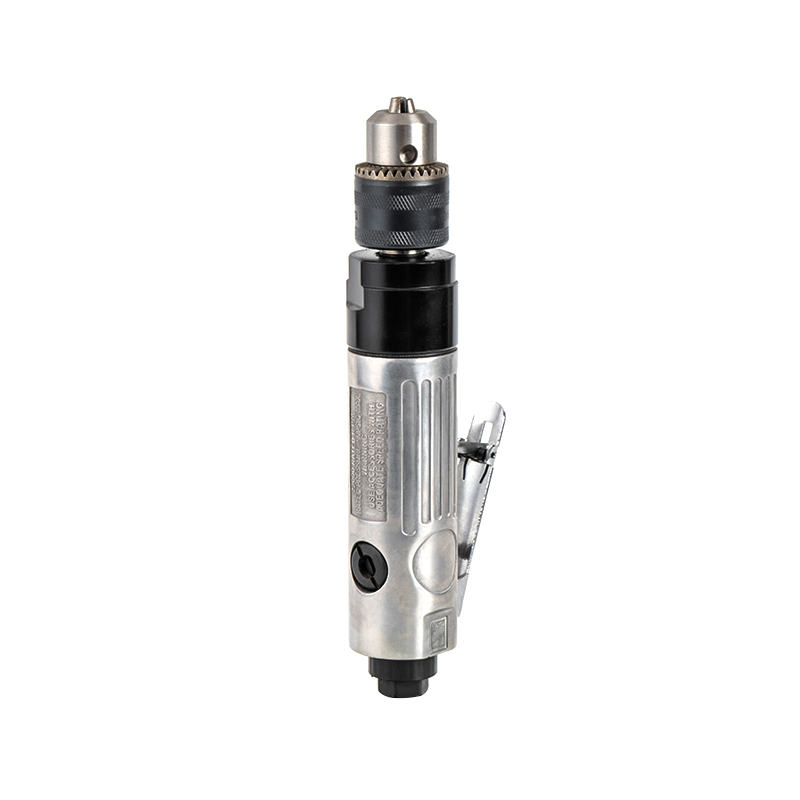 High-Torque Right-Angle Air Drill for Tight AccessDesigned for high torque in narrow areas, this right-angle air drill reaches into engine bays or cabinets. It delivers reliable power for demanding industrial and automotive tasks.View Product →
Air Supply, Accessories, and Setup
Safety and Maintenance
Conclusion
Recommended products
-
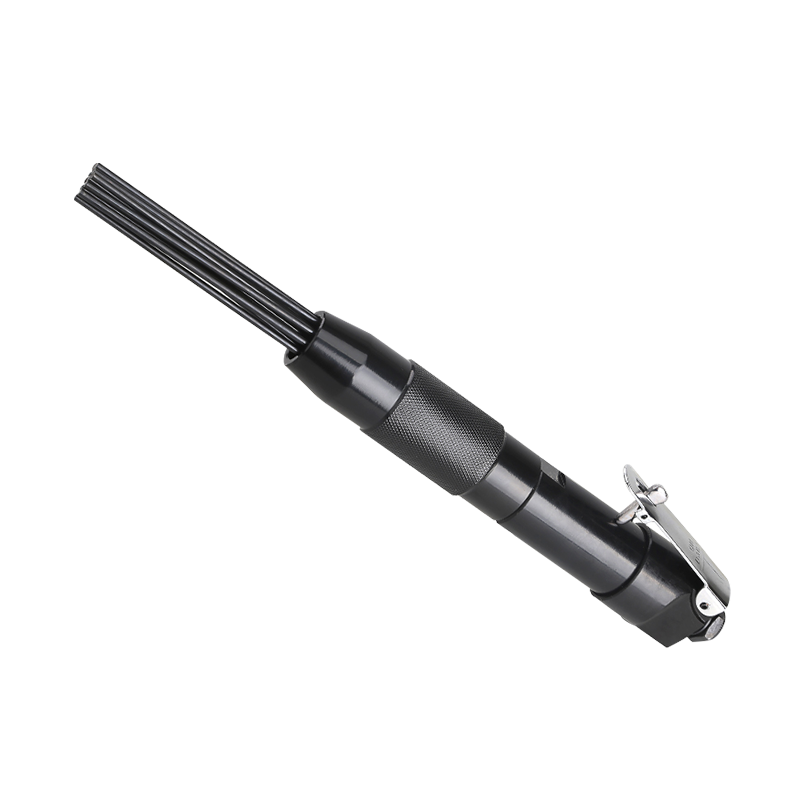
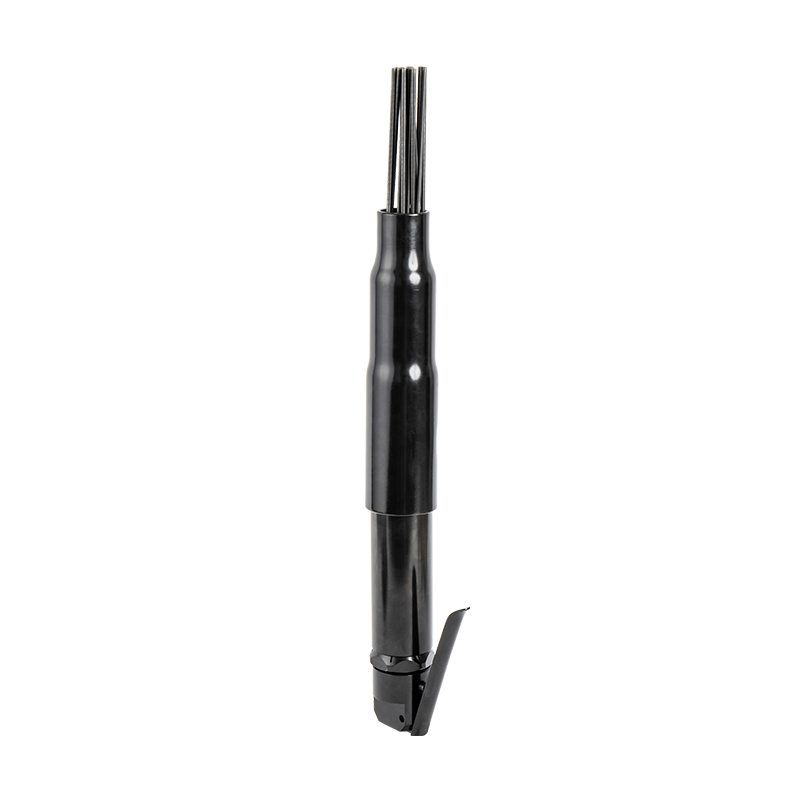
RH-464 Pneumatic Corner Needle Scaler
-
RH-460 Mini Compact Pneumatic Air Needle Scaler
-
RH-462 Portable Industrial Straight Needle Scaler
-
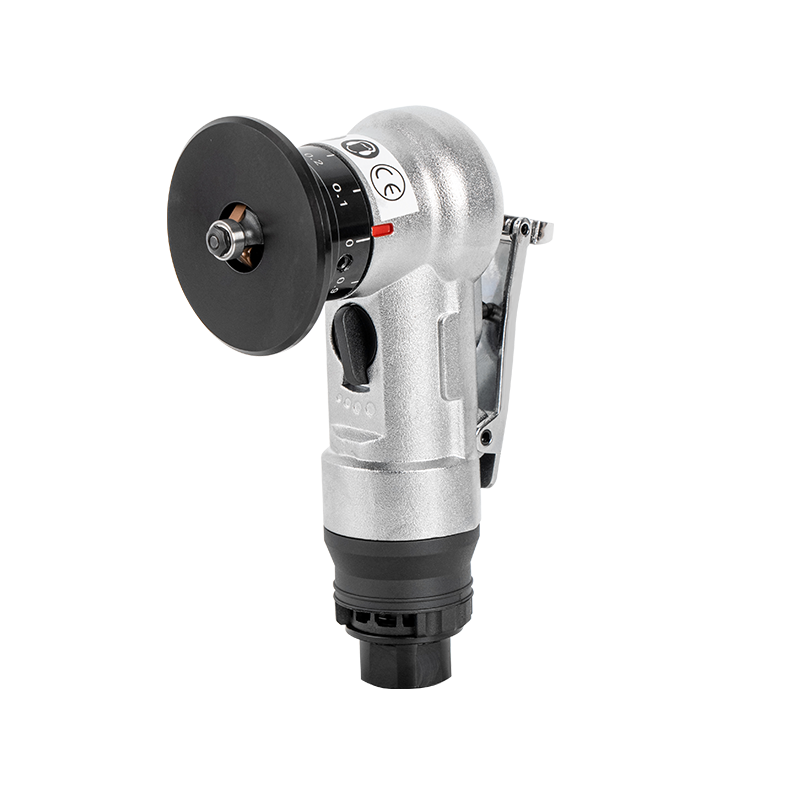
RH-7034C Portable Pneumatic Chamfering Machine
-
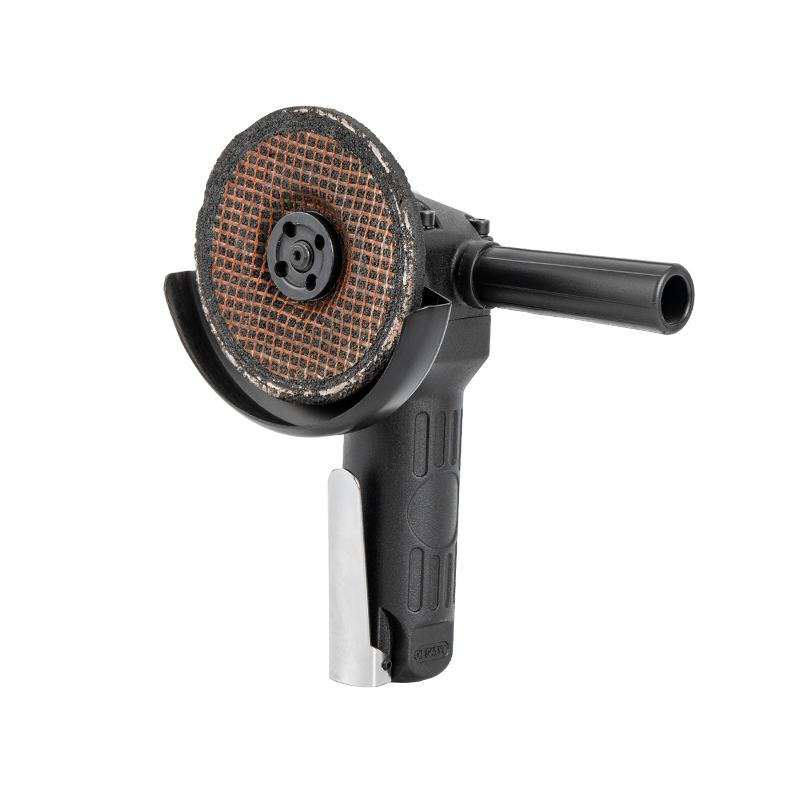
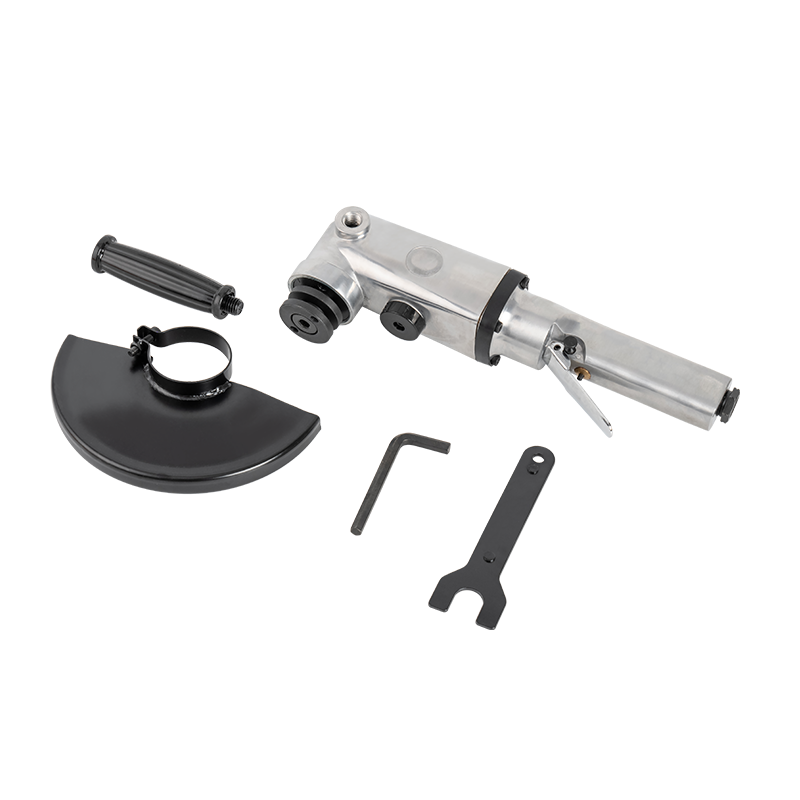
RH-7034B Central Pneumatic 4" Air Angle Grinder
-
RH-7034D 7" Hand Held Angle Grinder
-
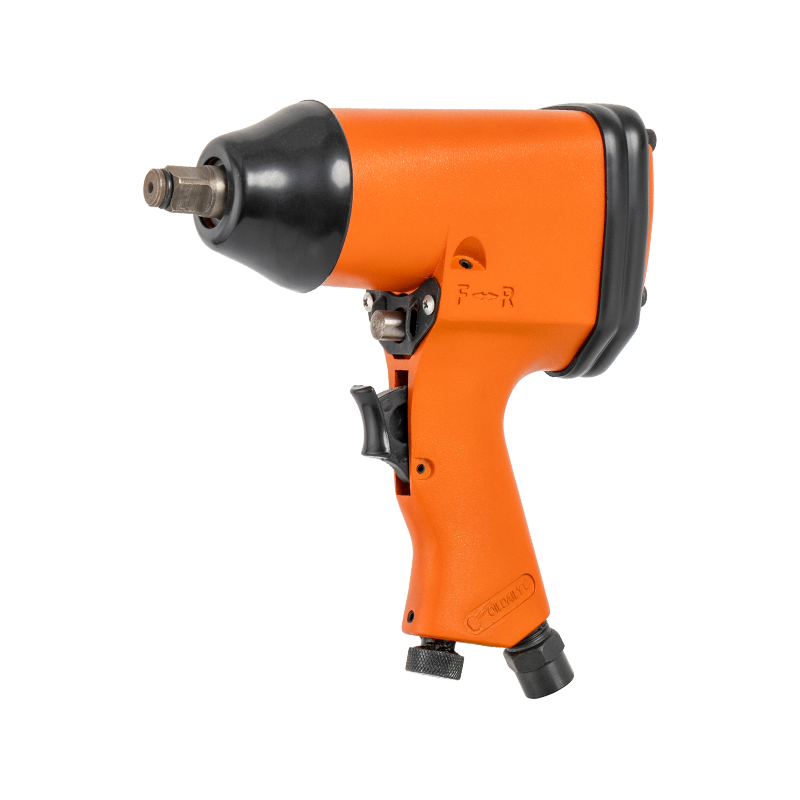
RH-160 1/2" Drive Single Hammer Air Pneumatic Impact Wrench
-
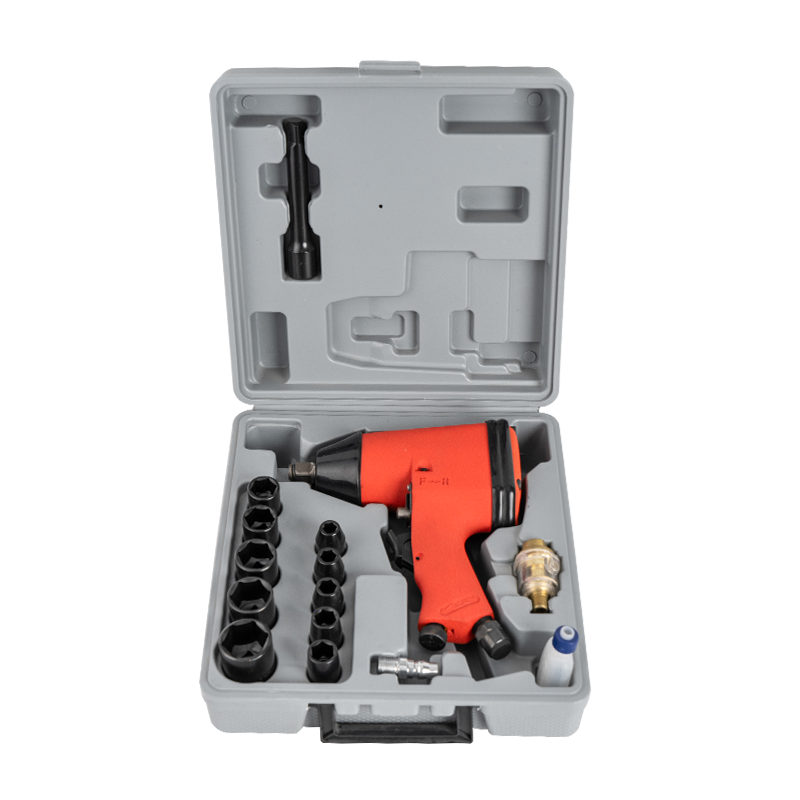
RH-160K Cordless Electric Rechargeable Air Impact Wrench Kit
-
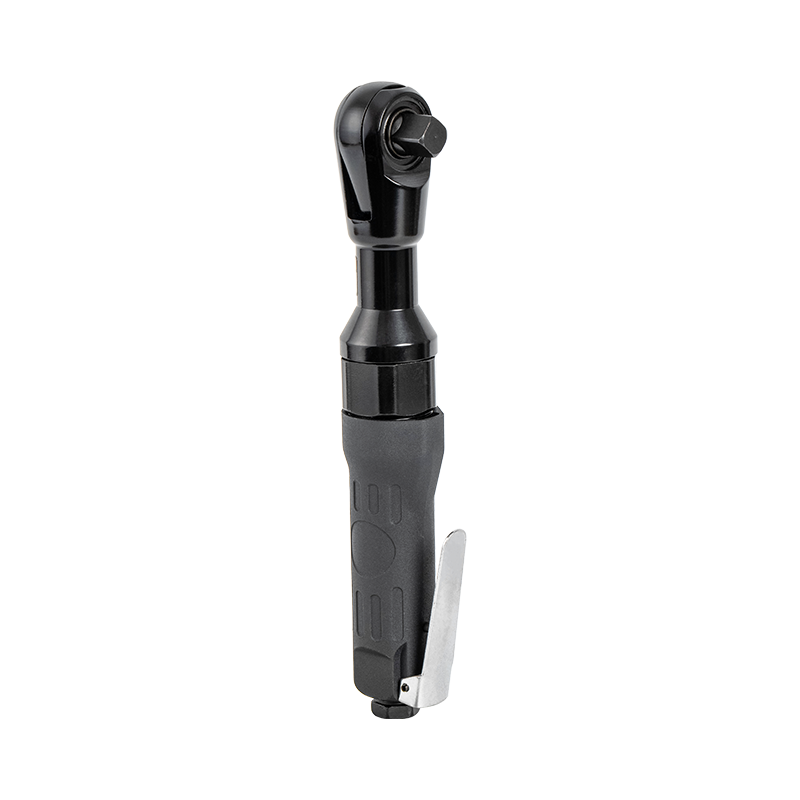
RH-112 1/2" Universal Electric Ratchet Wrench Hand Tool
-
RH-128 1/2" High Torque Electric Ratchet Wrench
-
RH-138 3/8" Long Head Portable Cordless Electric Ratchet Wrench
-
RH-148 1/4" Electric Battery Ratchet Wrench
CONTACT OUR EXPERTS
AND GET A FREE CONSULTATION!
Ningbo Haishu Renhao Pneumatic Co., Ltd.
 Address: Jiangbei District Ningbo City in Zhejiang Province by the Keli industrial ParkL Building 15th
 Phone: +86-139 0668 0779
 Tel: +86-139 0668 0779
 Fax: +86-139 0668 0779
 E-mail:[email protected]


