


 عربى
عربى 中文简体
中文简体Search by posts
Calendar
Product Categories
Industry News
 By Admin
How Does a Pneumatic Needle Scaler Revolutionize Heavy Duty Surface Preparation in Modern Industrial Environments?
Surface preparation is a fundamental phase in any industrial maintenance or construction project because the longevity of a coating or the integrity of a weld depends entirely on the cleanliness of the substrate. Among the various tools available to professionals, the pneumatic needle scaler has established itself as an indispensable asset for tackling the most stubborn layers of rust, scale, and old paint. This air powered tool operates on a simple yet highly effective principle of percussive impact, where a cluster of hardened steel needles oscillates at high frequencies to fracture and dislodge contaminants from metallic or stone surfaces. Unlike large scale abrasive blasting, the pneumatic needle scaler provides a localized and controlled method of cleaning that is suitable for intricate geometries and confined spaces where larger equipment cannot reach.
The effectiveness of a pneumatic needle scaler is not just limited to simple cleaning tasks. In the hands of a skilled operator, this tool becomes a precision instrument capable of preparing a surface to meet specific industrial standards for adhesion and profile. Whether you are working in a shipyard, a bridge construction site, or a specialized welding shop, understanding the mechanical nuances and operational best practices of this equipment is essential for achieving high quality results while maintaining the safety of the workforce. This article provides a deep dive into the technology, applications, and maintenance of the pneumatic needle scaler, offering a comprehensive resource for professionals seeking to optimize their surface preparation workflows.
[Image of a professional operator using a heavy duty pneumatic needle scaler on a rusted steel beam]
Exploring the Mechanical Principles Behind the Pneumatic Needle Scaler
The core functionality of a pneumatic needle scaler lies in its ability to convert compressed air into a series of rapid mechanical strikes. This process begins when air enters the tool through an inlet valve, usually controlled by a trigger or lever. Inside the main housing, a precision machined piston moves back and forth within a cylinder. This reciprocating motion is driven by the alternating pressure of the air, which is directed by internal porting. As the piston moves forward, it strikes a needle holder or anvil, which in turn transfers the kinetic energy to a bundle of independent needles.
Each needle in the cluster is free to move independently of the others. This independent movement is the secret to the versatility of the pneumatic needle scaler. When the tool is pressed against an uneven surface, the needles conform to the contours of the substrate, ensuring that the impact energy is distributed evenly across peaks and valleys. This allows the tool to clean around bolt heads, inside corners, and over irregular weld beads that would be impossible to reach with a flat grinding disk. The frequency of these strikes can range from 3,000 to over 5,000 blows per minute, creating a cumulative force that easily shatters brittle materials like oxidized iron or dried cement.
The Critical Role of Air Supply and Flow Dynamics
For a pneumatic needle scaler to perform at its maximum potential, it must be supported by an adequate and consistent supply of compressed air. Most industrial grade needle scalers require a operating pressure of 90 pounds per square inch to function efficiently. However, the volume of air, measured in cubic feet per minute, is just as important as the pressure. If the air compressor cannot provide the necessary volume, the piston will not reach its full velocity, resulting in weak impacts and increased project duration.
Furthermore, the quality of the air supply significantly impacts the internal health of the tool. Compressed air naturally contains moisture and can pick up debris from the piping system. If these contaminants enter the pneumatic needle scaler, they can cause internal corrosion or clog the delicate porting that regulates the piston motion. Utilizing an integrated filter, regulator, and lubricator system is essential for any professional setup. The filter removes moisture and particles, the regulator maintains a steady pressure, and the lubricator introduces a fine mist of pneumatic oil that keeps the internal components moving smoothly and prevents the build up of friction related heat.
Metallurgy and Engineering of Industrial Grade Needles
The needles themselves are the primary interface between the tool and the workpiece, and their composition is a testament to modern metallurgy. High quality pneumatic needle scaler needles are typically manufactured from heat treated carbon steel or stainless steel alloys. These materials are chosen for their extreme hardness and resistance to deformation under constant impact. Over time, the tips of the needles will naturally wear down, becoming blunt and losing their effectiveness.
There are different types of needle tips designed for specific tasks. Pointed needles are the most common and are ideal for general descaling and rust removal because they concentrate the impact energy into a small area. Chisel tipped needles are more aggressive and are used for stripping thick layers of epoxy or removing heavy welding slag. For environments where sparks pose a safety risk, specialized non sparking needles made from beryllium copper or aluminum bronze can be utilized. This variety in needle design ensures that a single pneumatic needle scaler can be adapted for a wide range of industrial challenges simply by swapping the needle cluster.
[Image of different needle configurations including pointed and chisel tips]
Primary Applications of the Pneumatic Needle Scaler Across Industries
The versatility of the pneumatic needle scaler has led to its adoption across a vast array of sectors. Its ability to provide a high energy impact in a compact format makes it the go to tool for maintenance crews who must deal with environmental degradation on a daily basis.
Maritime Maintenance and Marine Corrosion Control
In the maritime industry, corrosion is an unrelenting adversary. Ships and offshore platforms are constantly exposed to saltwater, high humidity, and abrasive spray, leading to the rapid formation of heavy rust and the accumulation of marine growth like barnacles. A pneumatic needle scaler is the primary weapon for marine maintenance teams. It is used to clean ship hulls, deck plates, and internal ballast tanks before the application of protective marine coatings.
Because sea vessels have many intricate parts, such as hatch seals and ladder rungs, the conforming nature of the needles is vital. The tool can reach into the tight gaps of a chain link or the underside of a railing to ensure every bit of oxidation is removed. By providing a clean, textured surface, the pneumatic needle scaler ensures that expensive epoxy coatings bond correctly to the steel, preventing the spread of rust under the paint layer and extending the time between major dry dock overhauls.
Structural Steel and Infrastructure Restoration
Bridges, pipelines, and structural frameworks are the backbone of modern infrastructure, and their maintenance is a matter of public safety. Over decades, these structures can suffer from surface pitting and the failure of original lead based paints. When restoring these structures, engineers often specify the use of a pneumatic needle scaler for spot cleaning and edge preparation.
In the context of bridge maintenance, the tool is often used to clean around rivets and connection plates where heavy machinery would be too destructive. The needle scaler removes the failing paint and rust without removing the sound metal underneath, which is crucial for maintaining the structural calculations of the bridge. Additionally, in the pipeline industry, these tools are used to prepare pipe joints for ultrasonic testing or to clean surfaces before field wrapping, ensuring that the integrity of the weld and the protective wrap is not compromised by surface contaminants.
|
Industrial Task |
Recommended Needle Type |
Surface Result |
Key Advantage |
|---|---|---|---|
|
Heavy Rust Removal |
Pointed Carbon Steel |
Cleaned metal with anchor profile |
High impact for thick scale |
|
Welding Slag Cleaning |
Chisel Tip Steel |
Smooth weld bead ready for paint |
Fast removal of brittle slag |
|
Concrete Texturing |
Pointed Needles |
Exposed aggregate surface |
Ideal for decorative finishes |
|
Marine Barnacle Removal |
Stainless Steel |
Clean hull without metal loss |
Corrosion resistance of needles |
|
Aluminum Restoration |
Beryllium Copper |
Non-marring clean surface |
No sparking or surface damage |
Comparative Analysis of Needle Scaling Versus Abrasive Methods
When deciding on a surface preparation method, professionals must weigh the benefits of a pneumatic needle scaler against other techniques such as sandblasting, grinding, or chemical stripping. Each method has its place, but the needle scaler offers unique advantages in specific scenarios.
Needle Scaling vs. Traditional Sandblasting
Sandblasting is highly effective for large, flat areas but comes with significant logistical challenges. It requires massive amounts of abrasive media, creates enormous volumes of dust, and necessitates elaborate containment systems to protect the environment and other workers. In contrast, a pneumatic needle scaler is a much cleaner operation. While it does produce some dust from the removed material, it does not introduce external abrasive particles into the air.
This makes the needle scaler ideal for indoor work or for use in areas where other tasks are being performed simultaneously. Furthermore, sandblasting can sometimes hide surface defects by peening them over, whereas the percussive action of the needles tends to open up and expose hidden pits or cracks, allowing for a more thorough inspection of the metal. For small to medium scale projects, the setup and cleanup time saved by using a pneumatic needle scaler often makes it the more cost effective choice.
Needle Scaling vs. Manual Grinding
Grinding with a disc is a common alternative for surface cleaning, but it has distinct limitations. A grinding disc works by removing a layer of the metal itself along with the contaminants. In many structural applications, excessive removal of the base metal is strictly prohibited because it weakens the component. A pneumatic needle scaler is far more selective. It primarily impacts and shatters the brittle contaminants like rust while leaving the ductile base metal largely untouched.
Another issue with grinding is the creation of a smooth, polished surface. Most industrial coatings require a certain degree of roughness, known as an anchor profile, to bond correctly. Grinding can often leave a surface too smooth for optimal adhesion. The pneumatic needle scaler naturally creates a stippled, textured surface that is perfect for mechanical bonding. This eliminates the need for a secondary texturing step, saving labor costs and reducing the total number of tools required on the job site.
[Image comparing a needle scaled surface with a ground surface]
Essential Maintenance Protocols for Tool Longevity
A pneumatic needle scaler is a heavy duty tool, but its internal components are precision engineered and require regular care to ensure they continue to function reliably. Neglecting maintenance will lead to a drop in performance, increased air consumption, and eventually, mechanical failure.
Daily Lubrication and Air Line Quality Control
The most important maintenance task is lubrication. Because the piston moves at several thousand strokes per minute, the friction generated is intense. Without proper lubrication, the metal surfaces will gall and seize. Operators should add a few drops of high quality pneumatic oil directly into the air inlet of the tool before every shift and every few hours of continuous use. If the facility uses an automatic lubricator, it must be checked daily to ensure it is filled and functioning correctly.
The air line itself must be kept clean. Moisture in the air line is the primary cause of internal rust in pneumatic tools. Draining the air compressor tank daily and using moisture traps in the lines will prevent water from being forced into the tool. If the tool is going to be stored for an extended period, it should be thoroughly oiled and cycled for a few seconds to coat all internal surfaces before being placed in a dry storage area.
Inspecting and Replacing Needle Bundles
The needles are consumable items that will inevitably wear out. As the tips become blunt, the operator will find themselves pressing harder on the tool to achieve the same results. This extra pressure puts unnecessary strain on the tool housing and the operator arms. Needles should be inspected daily for length and tip condition. If the needles have worn down significantly or if several needles in the bundle have broken, the entire cluster should be replaced.
Replacing a needle bundle is a straightforward process but must be done correctly to avoid damage to the internal anvil. Most pneumatic needle scalers feature a quick change retainer or a threaded front housing that allows the user to access the needle holder. It is also a good practice to inspect the needle holder itself for signs of cracking or excessive wear. Keeping a stock of replacement needle sets on site ensures that production does not stop when a bundle reaches the end of its service life.
Operational Best Practices and Safety Considerations
Operating a pneumatic needle scaler safely and effectively requires more than just pulling the trigger. The tool generates significant vibration, noise, and flying debris, all of which must be managed to protect the user and surrounding personnel.
Managing Hand Arm Vibration and Ergonomics
One of the primary health concerns associated with the prolonged use of percussive pneumatic tools is hand arm vibration syndrome. This condition is caused by the repetitive mechanical shocks being transferred into the hands and arms of the operator. Modern pneumatic needle scalers often feature vibration dampening handles or internal counterweights designed to reduce this effect.
Operators should use specialized anti-vibration gloves and take frequent breaks to allow the blood flow to return to their hands. It is also important not to grip the tool too tightly. A firm but relaxed grip allows the tool to do the work and reduces the amount of vibration absorbed by the body. Proper posture, with the tool held close to the body and the weight balanced, will further reduce fatigue and the risk of musculoskeletal injuries.
Personal Protective Equipment for Percussive Tasks
Because the pneumatic needle scaler shatters rust and scale into small, high speed fragments, eye and face protection is non negotiable. High impact safety goggles combined with a full face shield provide the best defense against flying debris. Additionally, because the tool is driven by compressed air and involves metallic impact, it is extremely loud. Hearing protection, such as high NRR earplugs or muffs, must be worn at all times during operation to prevent long term hearing loss.
Dust control is another safety factor. While not as dusty as sandblasting, the removal of lead based paint or certain mineral scales can release hazardous particles into the breathing zone. In these situations, the use of a properly fitted respirator is essential. Some advanced pneumatic needle scalers are designed with vacuum shroud attachments that connect to industrial HEPA vacuums, capturing the dust at the source and significantly improving the safety of the working environment.
[Image of an operator wearing full PPE including a face shield and ear protection]
Advanced Troubleshooting for Common Performance Issues
When a pneumatic needle scaler fails to start or shows a significant drop in power, there are several common culprits that can be addressed without sending the tool to a specialized repair shop. Understanding these issues allows for rapid onsite resolution and minimizes downtime.
Addressing Low Impact Power and Piston Stalling
If the tool is running but the needles seem to have no power, the first check should always be the air supply. A kinked hose, a clogged filter, or an undersized compressor will all result in poor performance. If the air supply is verified to be correct, the issue is likely internal. A common cause of power loss is the accumulation of dirty grease or sludge inside the cylinder. This happens when old oil mixes with fine dust that has managed to enter the tool. Cleaning the internal components with a solvent and re-oiling them often restores the tool to its original power level.
A stalling piston can also be caused by a broken or worn return spring. In some designs, a spring is used to reset the piston position. If this spring loses its tension or breaks, the reciprocating cycle will be interrupted. Replacing the internal springs is a standard maintenance task that can be performed with basic hand tools. Additionally, if the needles are packed too tightly in the holder or if debris has become lodged between the needles, they may not slide freely, absorbing the impact energy before it reaches the surface.
Fixing Air Leaks and Trigger Malfunctions
Air leaks at the inlet or around the trigger are usually caused by worn O-rings or seals. These parts are inexpensive and are typically included in standard tool rebuild kits. A leaking tool not only wastes air and forces the compressor to run more frequently but can also lead to a drop in internal operating pressure. If the trigger becomes sticky or fails to shut off the air completely, it is a sign that the valve stem is bent or contaminated. Disassembling the trigger mechanism, cleaning the parts, and replacing the seals will usually fix the problem.
In some cases, the tool may leak air from the front where the needles emerge. This is often normal for certain designs that use exhaust air to blow debris away from the work surface. However, if the volume of air escaping is excessive, it could indicate that the internal cylinder walls are worn beyond their tolerances. At this point, a professional rebuild or tool replacement may be necessary. By performing regular inspections and addressing minor issues immediately, you can ensure that your pneumatic needle scaler remains a reliable partner in your surface preparation projects.
Recommended products
-
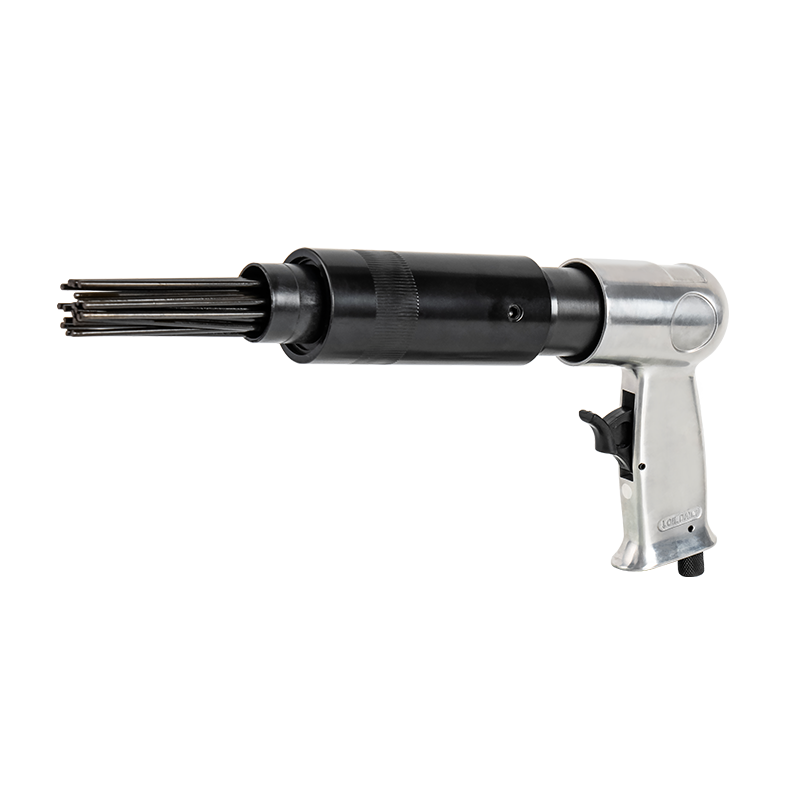
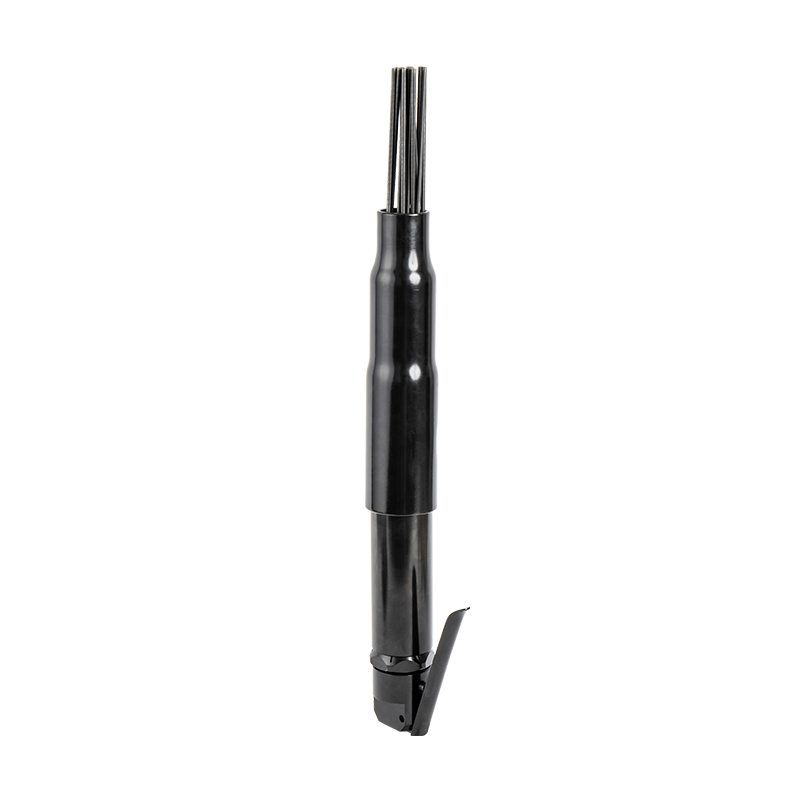
RH-464 Pneumatic Corner Needle Scaler
-
RH-460 Mini Compact Pneumatic Air Needle Scaler
-
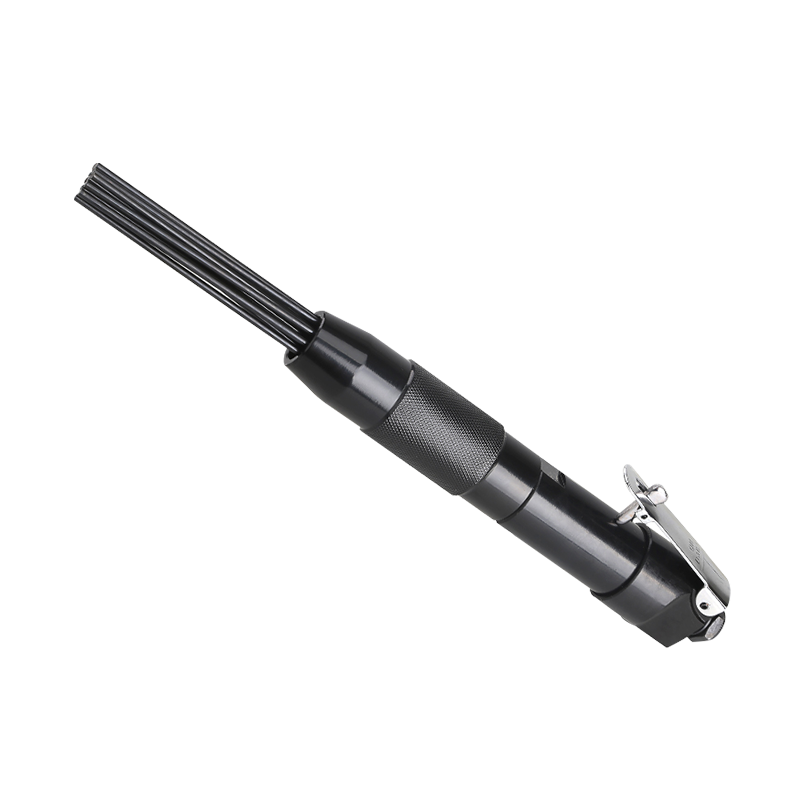
RH-462 Portable Industrial Straight Needle Scaler
-
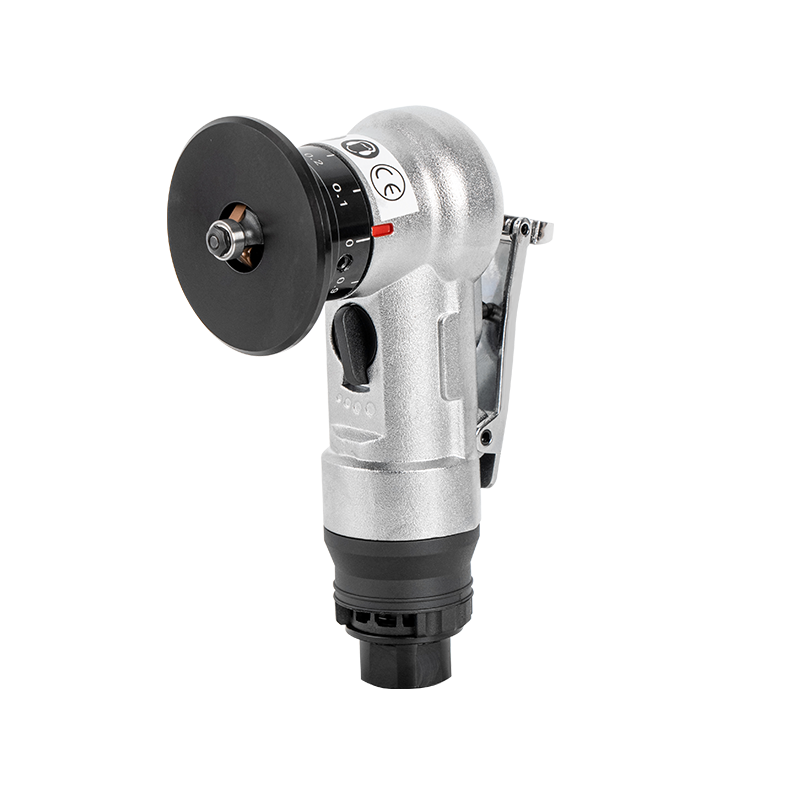
RH-7034C Portable Pneumatic Chamfering Machine
-
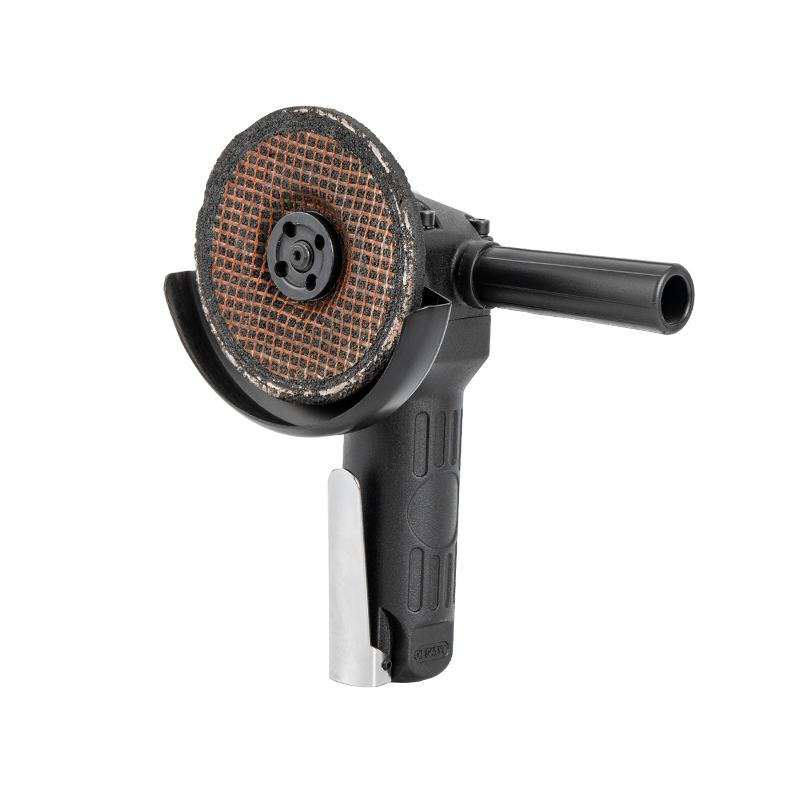
RH-7034B Central Pneumatic 4" Air Angle Grinder
-
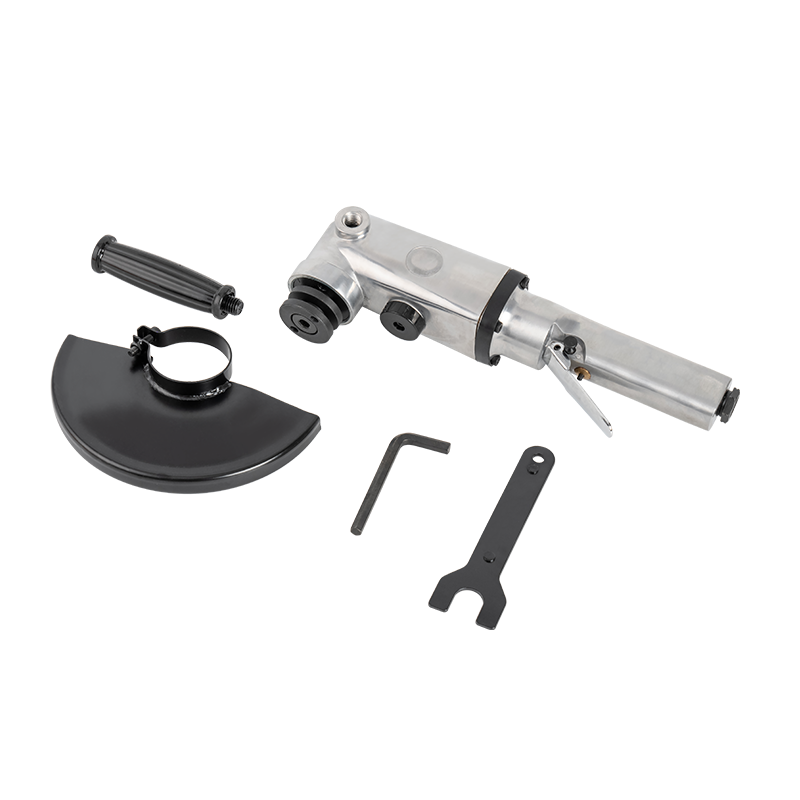
RH-7034D 7" Hand Held Angle Grinder
-
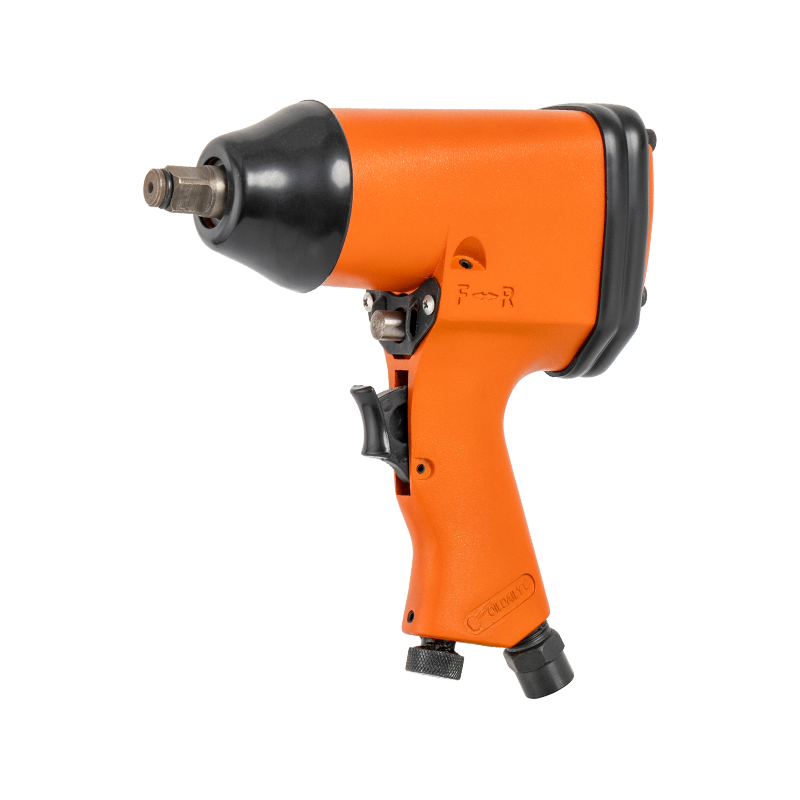
RH-160 1/2" Drive Single Hammer Air Pneumatic Impact Wrench
-
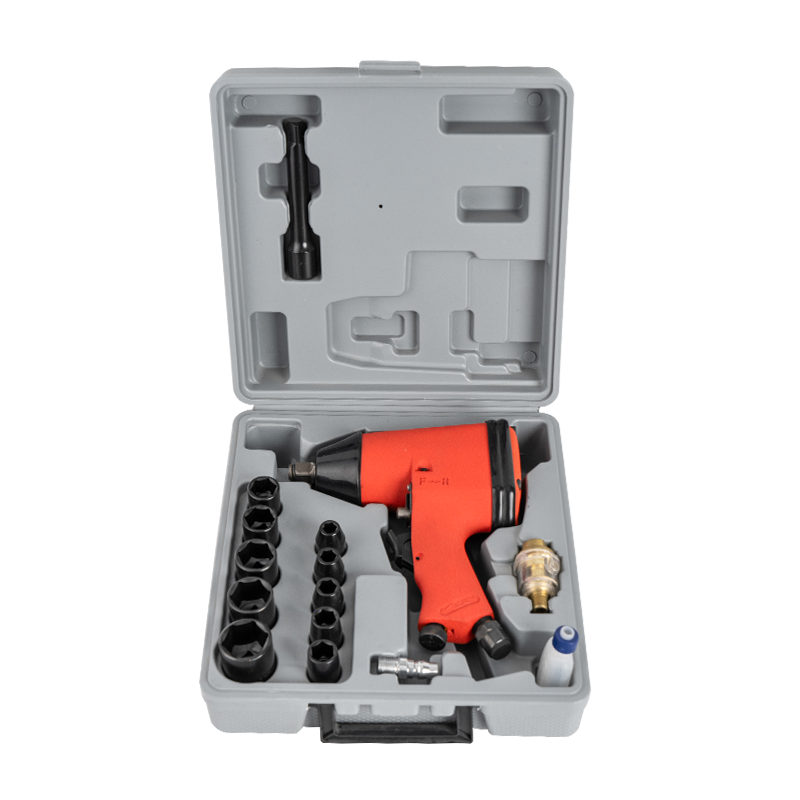
RH-160K Cordless Electric Rechargeable Air Impact Wrench Kit
-
RH-112 1/2" Universal Electric Ratchet Wrench Hand Tool
-
RH-128 1/2" High Torque Electric Ratchet Wrench
-
RH-138 3/8" Long Head Portable Cordless Electric Ratchet Wrench
-
RH-148 1/4" Electric Battery Ratchet Wrench
CONTACT OUR EXPERTS
AND GET A FREE CONSULTATION!
Ningbo Haishu Renhao Pneumatic Co., Ltd.
 Address: Jiangbei District Ningbo City in Zhejiang Province by the Keli industrial ParkL Building 15th
 Phone: +86-139 0668 0779
 Tel: +86-139 0668 0779
 Fax: +86-139 0668 0779
 E-mail:[email protected]


