


 عربى
عربى 中文简体
中文简体Search by posts
Calendar
Product Categories
Industry News
 By Admin
The Ultimate Guide to Impact Wrenches: Engineering, Selection, and Industry Applications
In the modern world of industrial assembly and mechanical maintenance, efficiency is often measured by the speed and reliability of fastening systems. The Impact Wrench has evolved from a specialized heavy-industry tool into an indispensable asset for professional mechanics, construction workers, and home enthusiasts alike. As a premier category within Power Fastening Tools, these devices are designed to deliver immense rotational force with minimal exertion from the user. Whether you are operating an Air Impact Wrench in a high-volume factory or utilizing a Cordless Impact Wrench for remote infrastructure repair, understanding the core physics and technological variations of these tools is essential for making an informed investment.
The Engineering Marvel: How Impact Wrenches Generate Massive Torque
At first glance, an impact wrench might resemble a standard drill, but the internal mechanics are fundamentally different. While a drill provides constant rotational force, the impact wrench operates on a principle of kinetic energy storage and sudden release.
The Anvil and Hammer Mechanism
The defining characteristic of an impact wrench is its internal Anvil and Hammer mechanism. This system consists of a rotating mass (the hammer) that is accelerated by the motor. As the hammer rotates, it gains kinetic energy. When it reaches a specific point in its rotation, it strikes a stationary component (the anvil) which is connected to the output drive.
This collision produces a short, intense burst of torque. Unlike a standard Torque Wrench, which requires the user to apply physical leverage to reach a specific tightness, the impact wrench uses these concussive blows to overcome friction and inertia. This is why a relatively small handheld tool can achieve a High torque output that would otherwise require a massive manual breaker bar. The concussive nature of the tool also means that the reactionary torque felt by the user is significantly reduced, preventing wrist injuries during high-load tasks.
Rotational Force vs. Concussive Blows
The efficiency of an impact wrench is measured not just in Raw Torque, but in its Impacts Per Minute (IPM). Every time the hammer strikes the anvil, it delivers a shockwave through the fastener. This is particularly effective for loosening rusted or over-tightened bolts. The high-speed vibration helps "break" the bond of oxidation between the threads, a feat that a constant-pressure tool like a manual wrench often fails to achieve without stripping the bolt head.
Dynamic Power Sources: Choosing Your Drive System
The debate regarding Cordless vs air impact wrench: which is better for professional use is central to tool procurement. Each power source offers distinct advantages based on the operating environment and the required duty cycle.
Air Impact Wrench and the Legacy of Pneumatics
The Air Impact Wrench, or Pneumatic Impact Wrench, remains the backbone of the automotive and heavy manufacturing industries. These tools belong to the broader family of Air Tools and rely on compressed air to drive the internal turbine.
One of the primary reasons professionals favor a Pneumatic Impact Wrench is its power-to-weight ratio. Because they do not contain heavy batteries or complex onboard electronics, they are significantly lighter than their cordless counterparts. This reduces user fatigue during eight-hour shifts. Furthermore, air-powered tools are virtually immune to overheating; the expanding compressed air actually cools the tool during operation. For a busy tire shop, the consistent performance of Air Tools connected to a centralized compressor is often the most cost-effective and reliable solution.
The Rise of the Cordless Impact Wrench
In recent years, the Cordless Impact Wrench has closed the performance gap, thanks to breakthroughs in Lithium-ion battery technology and the implementation of the Brushless motor.
A Brushless motor is significantly more efficient than traditional brushed designs because it eliminates friction and carbon dust buildup. This results in a longer lifespan and more power delivered to the anvil. Coupled with a high-capacity Lithium-ion battery, modern cordless units can now deliver "nut-busting" torque levels that were previously only possible with large pneumatic systems.
For many, the primary draw is portability. A Portable impact wrench for emergency roadside tire changes can be stored in a vehicle trunk without worrying about hoses or compressors. In the construction sector, a High torque cordless impact wrench for heavy duty construction allows workers to move freely across scaffolding and remote sites where power infrastructure is non-existent.
Comparison of Power Sources
|
Feature |
Pneumatic (Air) |
Cordless (Battery) |
|---|---|---|
|
Power Consistency |
Infinite (as long as compressor runs) |
Finite (requires charging) |
|
Portability |
Limited by hose length |
Total freedom of movement |
|
Tool Weight |
Very Lightweight |
Heavier due to battery |
|
Initial Cost |
Lower per tool (High for compressor) |
Higher per tool |
|
Durability |
Extremely High (Simple mechanics) |
High (But electronics are sensitive) |
|
Ideal Use |
Production lines, Tire shops |
Construction, Field service |
Technical Specifications: Understanding Drive Size and Torque
Selecting a tool requires more than just picking a brand. You must match the Drive size and torque specifications to the specific fasteners you will encounter.
The Significance of Drive Size
The Drive size refers to the dimensions of the square anvil that holds the socket. It is the most critical factor in determining the tool's intended application.
-
3/8-inch Drive: Ideal for small engine repair, interior automotive work, and light assembly where space is tight.
-
1/2-inch Drive: The most versatile and popular size. This is the Best 1/2 inch air impact wrench for home garage and professional automotive shops, capable of handling lug nuts, suspension components, and medium-duty machinery.
-
3/4-inch and 1-inch Drive: Reserved for heavy equipment, industrial pipelines, and structural steel. These tools are often massive and require two hands to operate safely.
Fastening Torque vs. Nut-Busting Torque
When reading a specification sheet, you will often see two different torque ratings.
-
Fastening Torque: The maximum force the tool can apply when tightening a bolt.
-
Nut-Busting Torque: Also known as Breakaway Torque, this is the maximum force the tool can apply during the first few seconds of loosening. This is usually significantly higher because the hammer mechanism can work harder to overcome the friction of a seized bolt.
Professional Applications Across Industries
The versatility of Power Fastening Tools is demonstrated by their widespread use in almost every facet of modern engineering.
Automotive Repair and Maintenance
In the world of car repair, speed is synonymous with profitability. Professionals often ask How to choose the best impact wrench for automotive repair. The answer typically involves a balance of ergonomics and peak torque. For most general mechanics, a 1/2-inch drive Air Impact Wrench is the standard for removing lug nuts during a tire rotation. However, for under-the-hood work where space is at a premium, a compact cordless butterfly wrench is often preferred.
Heavy Duty Construction and Infrastructure
For structural steelworkers, the High torque cordless impact wrench for heavy duty construction has replaced many traditional methods. In the past, large bolts in bridges or skyscrapers had to be tightened using massive manual wrenches or hydraulic tensioners. Today, high-output cordless tools can reach the required tensioning levels with precision, significantly speeding up the assembly of steel frames.
Emergency and Field Services
The development of the Portable impact wrench for emergency roadside tire changes has been a major safety improvement for fleet drivers and commuters. Being able to remove a flat tire in minutes without struggling with a manual lug wrench reduces the time spent on the shoulder of a dangerous highway.
The Critical Role of Impact-Rated Sockets
One of the most dangerous mistakes a novice can make is using standard chrome sockets with an impact tool. Understanding Why you should only use impact-rated sockets with impact wrenches is a matter of both performance and personal safety.
Material Differences: Chrome vs. Chrome Molybdenum
Standard sockets are usually made of Chrome Vanadium steel. While this material is very hard, it is also brittle. When subjected to the violent, high-frequency concussive blows of an impact wrench, chrome sockets can shatter, sending metal shards flying at high speeds.
Impact-rated sockets are constructed from Chrome Molybdenum (Cr-Mo) steel. This alloy is slightly softer and more ductile than chrome vanadium. This "softness" allows the socket to absorb the impact energy by deforming slightly rather than fracturing. Furthermore, impact sockets feature a thick-walled design and a black oxide finish to prevent corrosion while maintaining structural integrity under immense stress.
Proper Fit and Maintenance
Always ensure the socket is a perfect fit for the fastener. A loose-fitting socket will "round off" the edges of a bolt head, making it nearly impossible to remove. Regularly inspect your Impact-rated sockets for cracks or signs of metal fatigue, especially around the drive square.
Comprehensive Maintenance Guide for Longevity
To ensure your investment lasts for decades, you must follow a strict maintenance regimen. The requirements vary significantly between pneumatic and battery-powered units.
Maintenance Guide for Pneumatic Air Impact Tools
Pneumatic tools are incredibly durable, but they have one mortal enemy: moisture. Compressed air naturally contains water vapor, which can cause internal rust.
-
Lubrication: You must add a few drops of specialized air tool oil into the air inlet before every use. This oil coats the internal turbine blades and the hammer mechanism, reducing friction and preventing corrosion.
-
Drain the Compressor: Regularly drain the water from your air compressor tank to prevent it from entering your Air Impact Wrench.
-
Filter-Regulator-Lubricator (FRL) Units: For professional shops, installing an FRL unit in the air line is the best way to automate the cleaning and oiling process.
Caring for Cordless and Brushless Systems
Maintenance for a Cordless Impact Wrench is focused on the electronics and the battery.
-
Heat Management: While a Brushless motor runs cooler than a brushed one, prolonged heavy use can still lead to heat buildup. Allow the tool to cool if the housing feels excessively hot.
-
Battery Health: Do not store your Lithium-ion battery in extreme temperatures. Avoid letting the battery drain to zero percent; instead, charge it when it reaches about 20 percent to maximize the total number of charge cycles.
-
Dust Removal: Use compressed air to blow out the cooling vents of the tool to prevent metallic dust from interfering with the electronic control board.
Safety Protocols and Ergonomics
Operating high-torque machinery requires respect for the forces involved. Ignoring safety can lead to severe injury or damaged workpieces.
Hearing and Eye Protection
An Air Impact Wrench can produce noise levels exceeding 100 decibels. Prolonged exposure without hearing protection will lead to permanent hearing loss. Similarly, the risk of flying debris—whether it's a shattered socket or rust from a bolt—necessitates the use of ANSI-rated safety glasses at all times.
Vibration and Grip
High-frequency vibration can lead to a condition known as Hand-Arm Vibration Syndrome (HAVS). Modern premium tools include vibration-dampening handles and balanced internal weights to mitigate this risk. When choosing a tool, prioritize ergonomic grips that allow for a secure hold without requiring excessive muscle tension.
Evaluating Your Fastening Strategy
The journey to finding the Best 1/2 inch air impact wrench for home garage or the most powerful cordless unit for an industrial site begins with an honest assessment of your needs.
For the professional in a stationary shop, the reliability and lightweight nature of a Pneumatic Impact Wrench are hard to beat. The infrastructure of Air Tools provides a level of consistency that is vital for high-volume production. However, for the mobile technician or the construction professional, the freedom provided by a Cordless Impact Wrench equipped with a high-performance Brushless motor is a game-changer.
By respecting the physics of the Anvil and Hammer mechanism, investing in high-quality Impact-rated sockets, and following a dedicated Maintenance guide for pneumatic air impact tools, you ensure that your tools remain safe, efficient, and ready for any challenge. The world is held together by bolts; make sure you have the right power to turn them.
Master Checklist for Impact Wrench Users:
-
Power Source Selection: Evaluate if your priority is portability (Cordless) or continuous power-to-weight ratio (Pneumatic).
-
Torque Matching: Ensure the tool’s nut-busting torque exceeds the requirements of your toughest project.
-
Safety First: Never operate an impact wrench without eye protection and hearing protection.
-
Socket Integrity: Verify that every socket used is specifically "Impact Rated" to avoid dangerous fractures.
-
Routine Care: For air tools, oil daily; for cordless tools, manage battery heat and storage temperatures carefully.
-
Application Specifics: Use a Torque Wrench for final tightening to manufacturer specifications, as impact wrenches are for speed and bulk removal, not precision final torque.
Recommended products
-
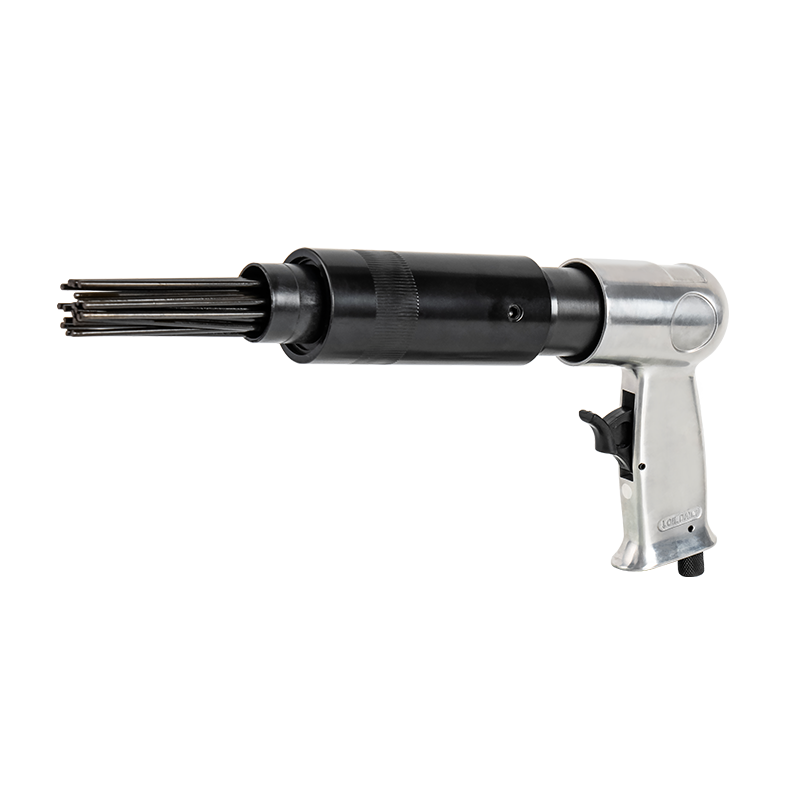
RH-464 Pneumatic Corner Needle Scaler
-
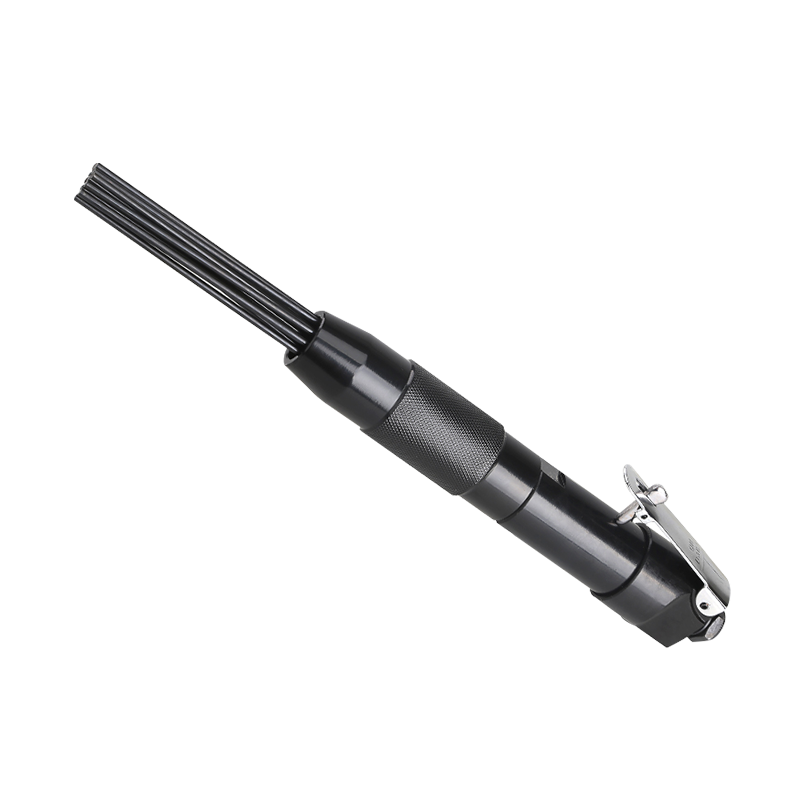
RH-460 Mini Compact Pneumatic Air Needle Scaler
-
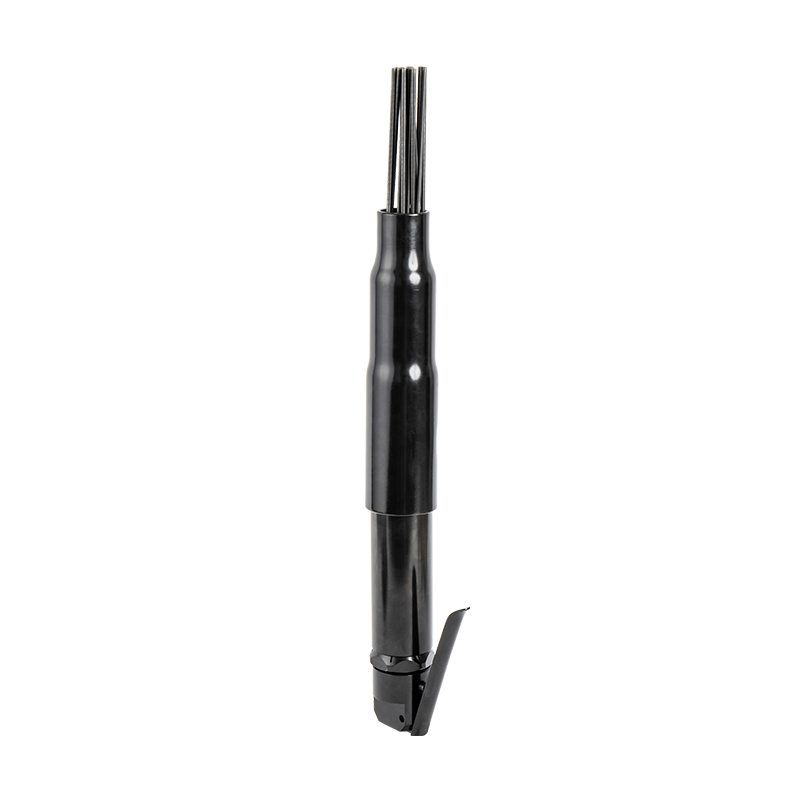
RH-462 Portable Industrial Straight Needle Scaler
-
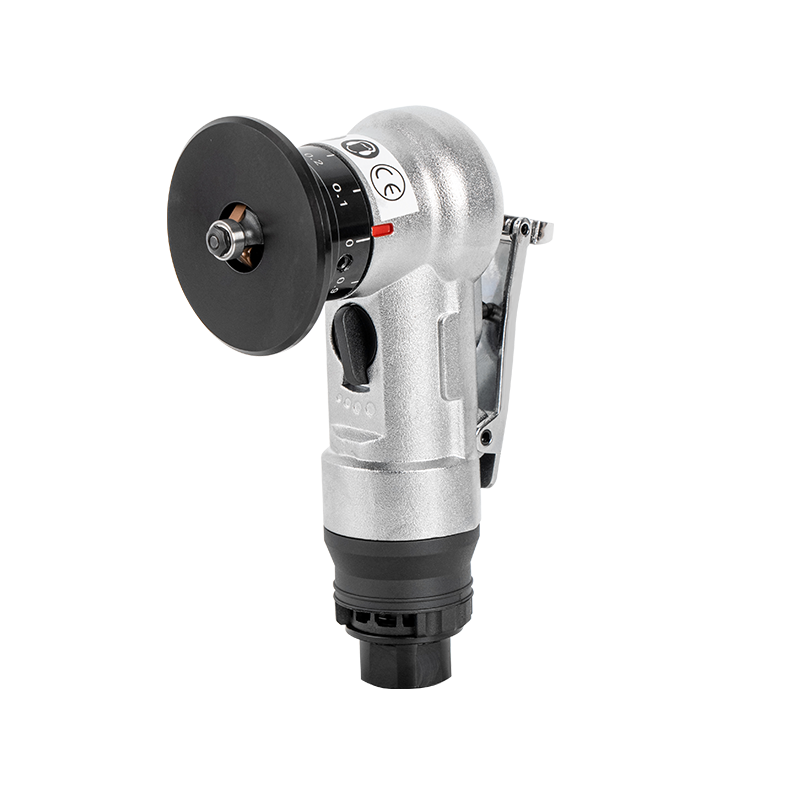
RH-7034C Portable Pneumatic Chamfering Machine
-
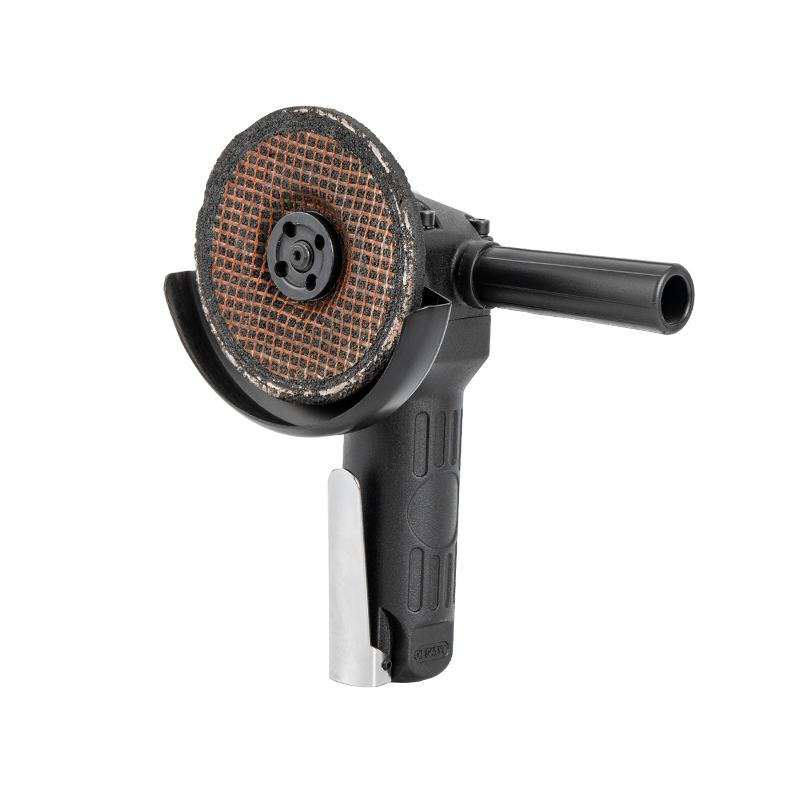
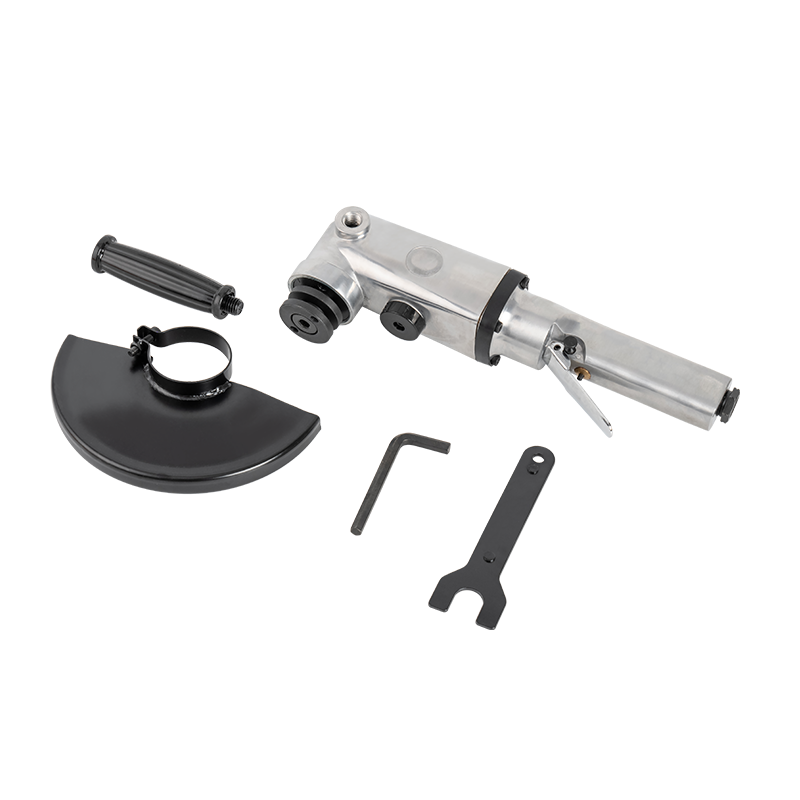
RH-7034B Central Pneumatic 4" Air Angle Grinder
-
RH-7034D 7" Hand Held Angle Grinder
-
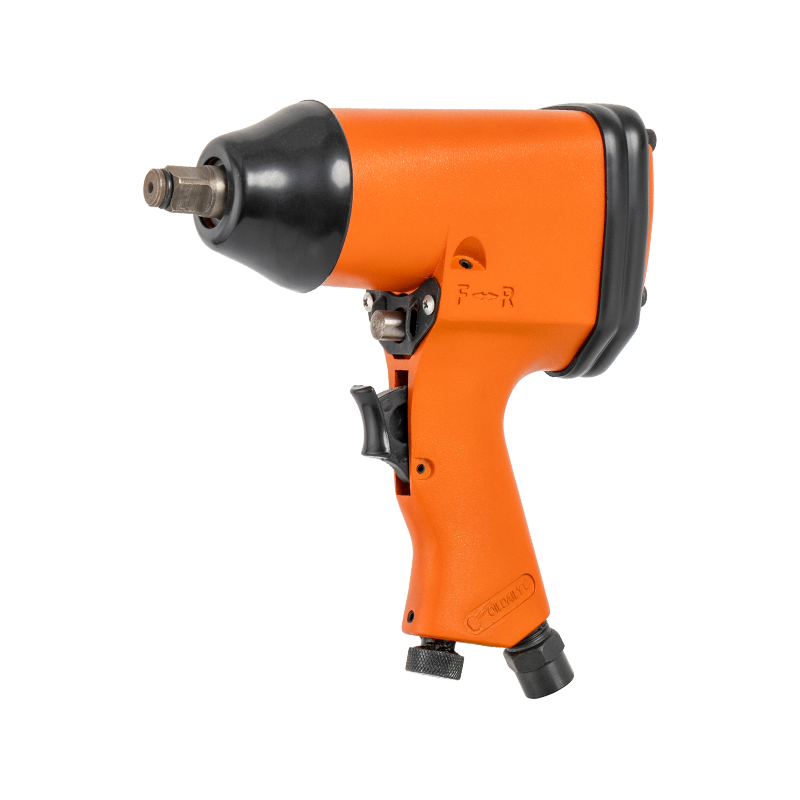
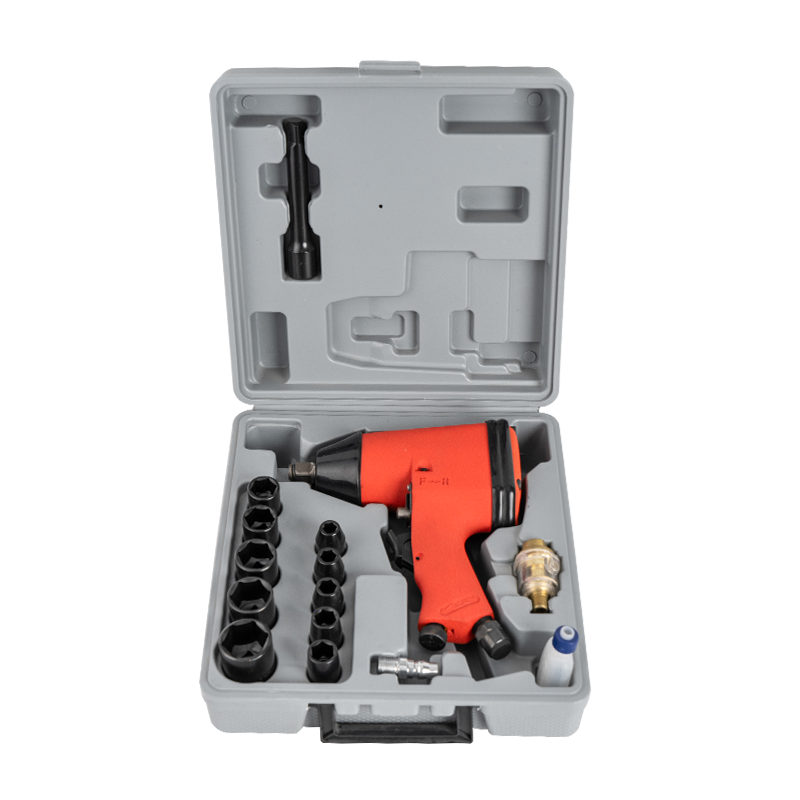
RH-160 1/2" Drive Single Hammer Air Pneumatic Impact Wrench
-
RH-160K Cordless Electric Rechargeable Air Impact Wrench Kit
-
RH-112 1/2" Universal Electric Ratchet Wrench Hand Tool
-
RH-128 1/2" High Torque Electric Ratchet Wrench
-
RH-138 3/8" Long Head Portable Cordless Electric Ratchet Wrench
-
RH-148 1/4" Electric Battery Ratchet Wrench
CONTACT OUR EXPERTS
AND GET A FREE CONSULTATION!
Ningbo Haishu Renhao Pneumatic Co., Ltd.
 Address: Jiangbei District Ningbo City in Zhejiang Province by the Keli industrial ParkL Building 15th
 Phone: +86-139 0668 0779
 Tel: +86-139 0668 0779
 Fax: +86-139 0668 0779
 E-mail:[email protected]


