


 عربى
عربى 中文简体
中文简体Search by posts
Calendar
Product Categories
Industry News
 By Admin
How Do Air Impact Wrenches Work and How Do You Fix a Torque Wrench While Comparing a 1/2" High-Torque Electric Ratchet?
The Air Impact Wrench is one of the most productive and widely used power tools in automotive service, construction, and industrial maintenance, capable of loosening seized fasteners in seconds that would take many minutes of manual effort with a conventional socket wrench. Its ability to deliver repeated high torque impulses without transmitting the reaction force back to the operator's wrist is the fundamental advantage that makes it indispensable in professional workshops and increasingly popular for serious DIY use. Alongside the pneumatic Air Impact Wrench, the 1/2 inch High Torque Electric Ratchet Wrench has emerged as a compelling alternative for users who need power and speed without a compressor, and the question of how to maintain, calibrate, and fix a torque wrench used alongside these power tools is equally important to anyone who values both efficiency and precision in fastener work. The direct answer for anyone evaluating these tools is this: an Air Impact Wrench delivers the highest torque output per tool size of any fastening tool and is the correct choice for high volume automotive service and heavy industrial use where a compressed air supply is available; a 1/2 inch High Torque Electric Ratchet Wrench is the better choice for mobile use, home garages, and confined space applications where air supply is impractical; and maintaining a properly calibrated torque wrench for final tightening after using either power tool is not optional but a safety critical practice that prevents both undertorqued joints that can loosen in service and overtorqued fasteners that cause thread failure, bolt stretch, and component cracking. This article covers how the Air Impact Wrench works mechanically, how to diagnose and fix common torque wrench problems, and how the 1/2 inch High Torque Electric Ratchet Wrench compares across all relevant performance dimensions. An Air Impact Wrench works by converting the energy of compressed air into a series of rapid, high torque rotational impulses delivered to the output anvil and socket. This is fundamentally different from a standard air ratchet or drill, which delivers continuous rotation under a fixed torque level. The intermittent, high energy impulse delivery of the impact wrench is what allows it to break loose corroded or overtightened fasteners that would resist continuous torque and also prevents the reaction torque from being transmitted back to the operator during each impulse event. Compressed air enters the Air Impact Wrench through the inlet port and flows into a pneumatic motor assembly. The standard motor configuration in impact wrenches is a vane type air motor, consisting of a cylindrical rotor with multiple spring loaded vanes that slide in and out of radial slots around the rotor circumference. As compressed air enters the motor housing and presses against the vane faces, it drives the rotor to spin at speeds of 8,000 to 12,000 RPM in typical professional grade impact wrenches. The eccentric positioning of the rotor within the cylindrical motor housing creates expanding and contracting chambers between adjacent vanes as the rotor turns, ensuring a smooth and continuous air expansion cycle that drives the rotor efficiently. The high speed rotation of the air motor is transmitted to a hammer and anvil assembly that converts it into the intermittent torque impulses characteristic of an Air Impact Wrench. The most common impact mechanism design in quality wrenches is the twin hammer (or double lug) mechanism: The torque impulse delivered by each hammer strike is significantly higher than the continuous torque the air motor could deliver directly to the fastener because the hammer stores kinetic energy between strikes and releases it instantaneously at the moment of impact. A typical professional Air Impact Wrench with a 1/2 inch square drive delivers 500 to 1,200 Nm of peak impact torque, while the underlying air motor would deliver only 20 to 40 Nm of continuous torque at the same air pressure. This 25 to 30 fold amplification of torque through the impact mechanism is why the Air Impact Wrench can break loose fasteners that no air powered ratchet or drill could move. The brief duration of each impulse also means that the operator's wrist experiences only a small fraction of the total torque as reaction, making the tool safe and comfortable to use even at its maximum output. A torque wrench is the precision tool used after an Air Impact Wrench or ratchet wrench to ensure that fasteners are tightened to the exact specification required by the vehicle or equipment manufacturer. A torque wrench that is inaccurate, stiff, or failing to click at the set torque value is not just inconvenient; it is a safety hazard. Understanding how to diagnose and fix common torque wrench problems keeps this critical tool in reliable service. The service life and accuracy of a torque wrench are largely determined by how it is stored, handled, and maintained between uses. The following preventive maintenance practices are applicable to all click type torque wrenches: The 1/2 inch High Torque Electric Ratchet Wrench represents the convergence of the convenience of electric power with the torque output that was previously available only from pneumatic tools. Advances in brushless motor technology and lithium ion battery energy density over the past decade have made it possible to package sufficient torque output in a cordless, compact tool that matches or approaches the performance of pneumatic ratchet wrenches in many application contexts. The 1/2 inch High Torque Electric Ratchet Wrench and the Air Impact Wrench are distinct tool categories with different operating mechanisms, different torque delivery characteristics, and different application strengths. The electric ratchet delivers continuous torque through a geared mechanism driven by an electric motor, without the impulse delivery of the impact wrench. This means the electric ratchet is not capable of the peak impulse torque of a full size Air Impact Wrench for breaking loose seized fasteners, but it delivers more controlled and measurable torque that is better suited to assembly and final tightening work where precise torque application is more important than maximum breaking torque. Quality 1/2 inch High Torque Electric Ratchet Wrenches deliver continuous torque outputs of 100 to 300 Nm and maximum fastener breaking torque of up to 400 to 600 Nm, which is adequate for automotive lug nut installation, suspension component fastening, and most light to medium industrial maintenance tasks that do not involve seized or heavily corroded fasteners. The brushless motor configuration found in premium models operates at 60 to 80 percent efficiency compared to 40 to 60 percent for brushed motor variants, which extends battery life per charge and reduces heat generation during sustained use. The comparison confirms that neither tool is universally superior: the Air Impact Wrench wins on maximum torque output and sustained high volume performance, while the 1/2 inch High Torque Electric Ratchet Wrench wins on mobility, noise level, and freedom from compressor infrastructure. Many professional and serious DIY users will benefit from owning both, using the Air Impact Wrench for high volume disassembly and the electric ratchet for mobile service calls, confined space work, and residential environments where compressor noise is impractical. Safe and effective use of the Air Impact Wrench, the electric ratchet wrench, and the torque wrench requires following a set of operating practices that prevent tool damage, fastener damage, and personal injury. The following practices apply across all three tool types and form the foundation of professional fastener work: The Air Impact Wrench, the 1/2 inch High Torque Electric Ratchet Wrench, and the torque wrench are complementary tools that together cover the full fastener tightening workflow from initial high speed assembly and loosening through to precision final torque verification. Understanding how each works, how to maintain each in reliable condition, and which is the correct tool for each stage of the fastening task is the foundation of competent, safe, and precise fastener work in any professional or serious DIY context.How Does an Air Impact Wrench Work: The Mechanism Explained
The Air Motor and Rotor Assembly
The Impact Mechanism: Converting Continuous Rotation to Impulses
Why Impact Torque Is Higher Than the Motor's Continuous Torque
How to Fix a Torque Wrench: Diagnosis, Maintenance, and Calibration
Common Torque Wrench Problems and Their Causes
Preventive Maintenance to Keep a Torque Wrench Accurate
The 1/2 inch High Torque Electric Ratchet Wrench: A Compressor Free Alternative
How the 1/2 inch High Torque Electric Ratchet Wrench Differs from an Air Impact Wrench
Performance Specifications of the 1/2 inch High Torque Electric Ratchet Wrench
Air Impact Wrench vs 1/2 inch High Torque Electric Ratchet Wrench: A Practical Comparison
Specification or Factor
Air Impact Wrench (1/2 inch drive)
1/2 inch High Torque Electric Ratchet Wrench
Power source
Compressed air (90 PSI / 6.2 bar typical)
Lithium ion battery (18V to 21V typical)
Peak breaking torque
500 to 1,200 Nm (via impulse mechanism)
400 to 600 Nm (via continuous drive)
Continuous torque delivery
Not applicable (impulse type)
100 to 300 Nm
Mobility
Limited by air hose length (typically 6 to 10 m)
Fully cordless; unlimited range
Noise level
90 to 105 dB(A): hearing protection required
70 to 82 dB(A): significantly quieter
Infrastructure required
Air compressor and distribution system
Battery charger only
Best applications
High volume automotive, heavy industrial, seized fasteners
Mobile service, home garage, confined spaces, quieter environments
Safe Operating Practices for All Three Tool Types
Recommended products
-
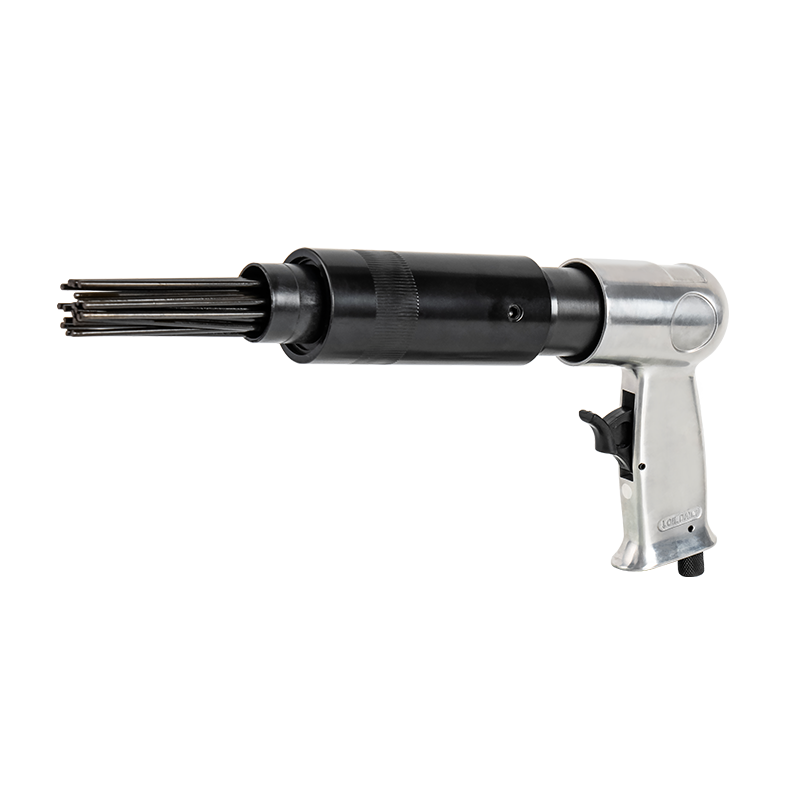
RH-464 Pneumatic Corner Needle Scaler
-
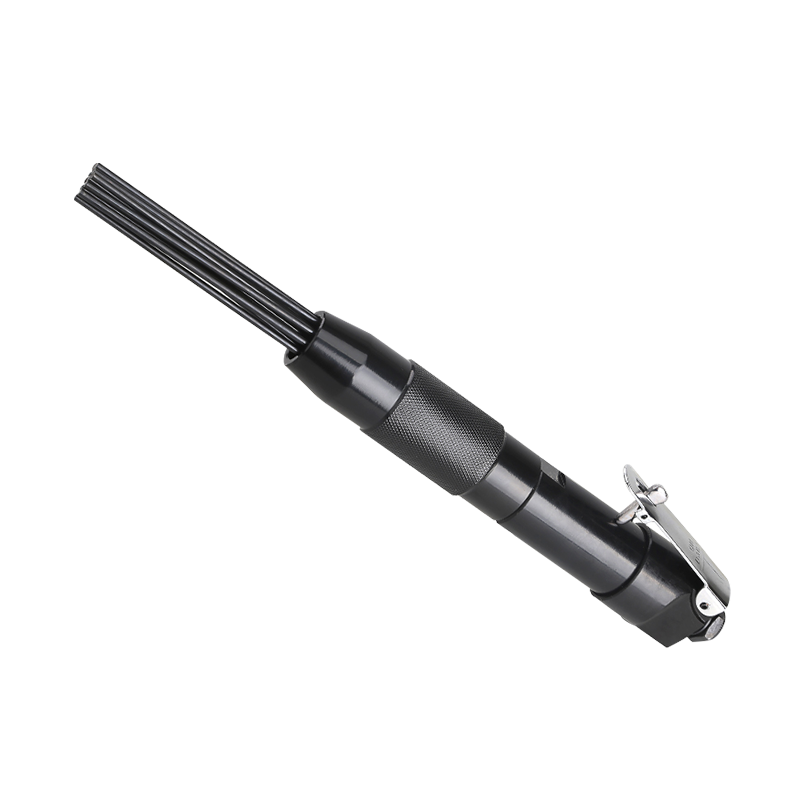
RH-460 Mini Compact Pneumatic Air Needle Scaler
-
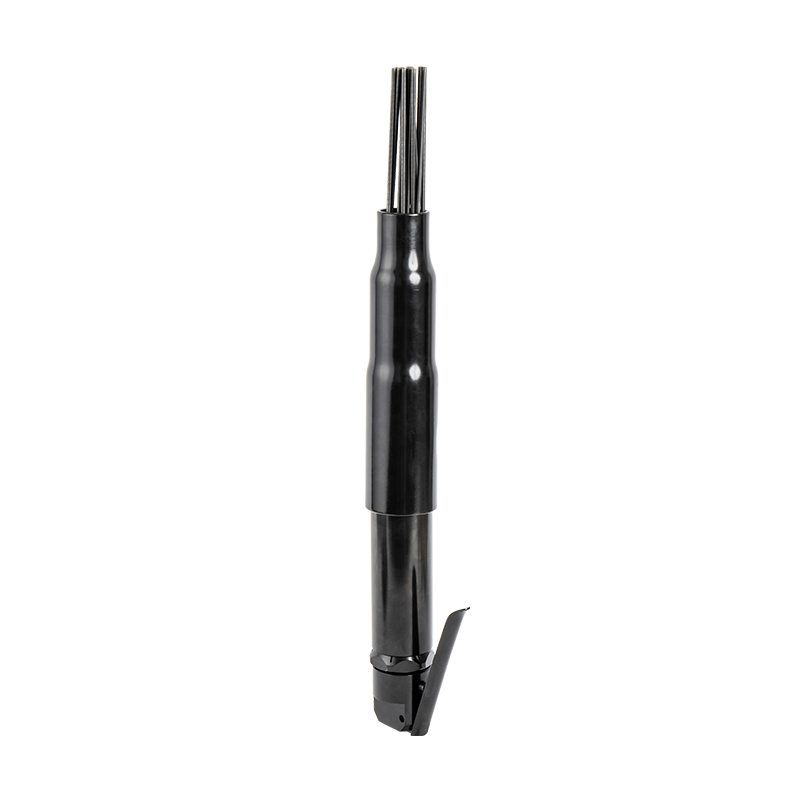
RH-462 Portable Industrial Straight Needle Scaler
-
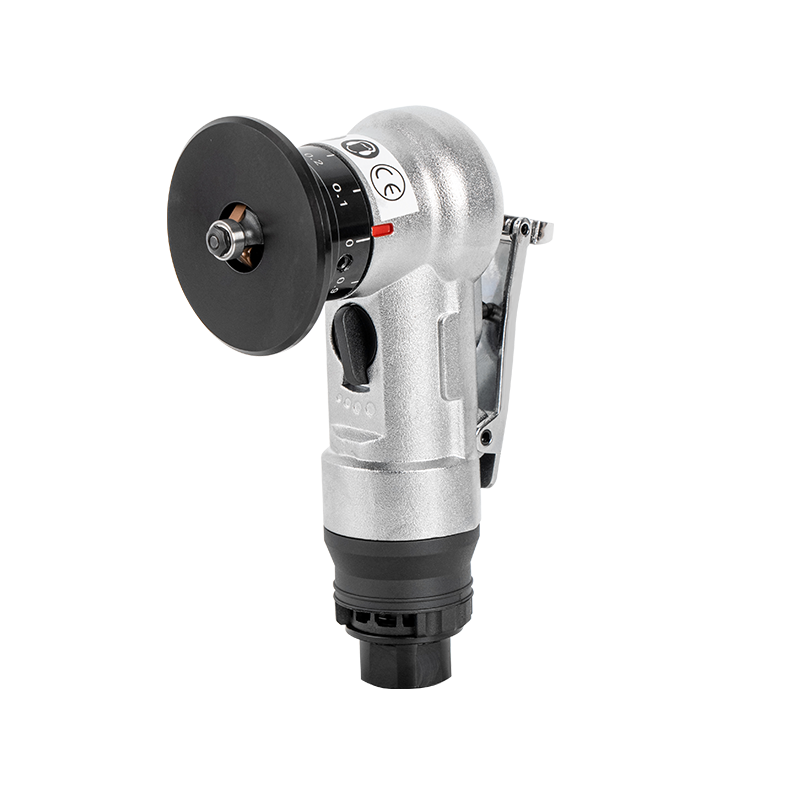
RH-7034C Portable Pneumatic Chamfering Machine
-
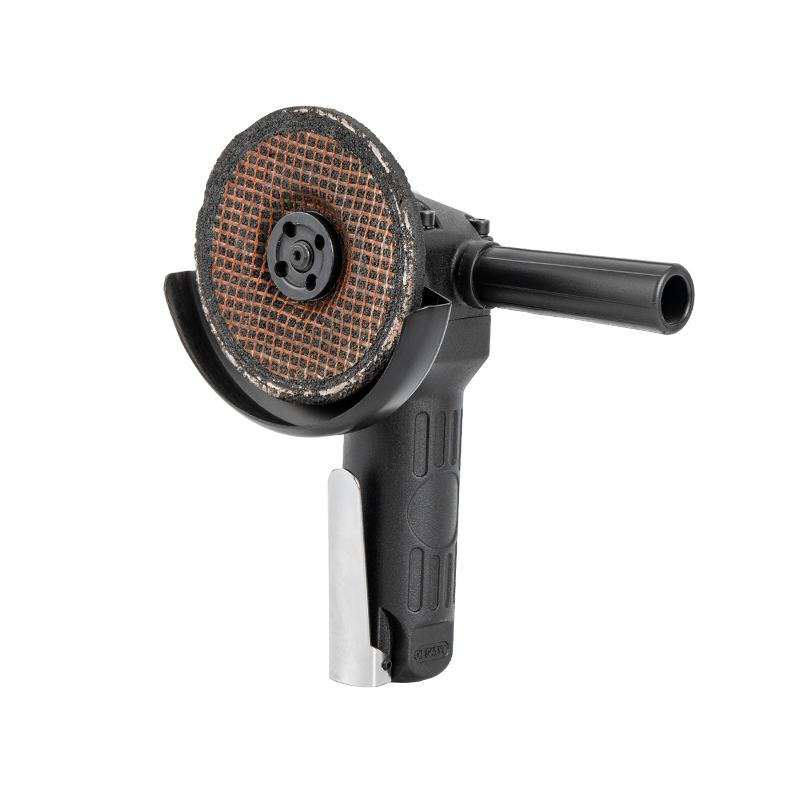
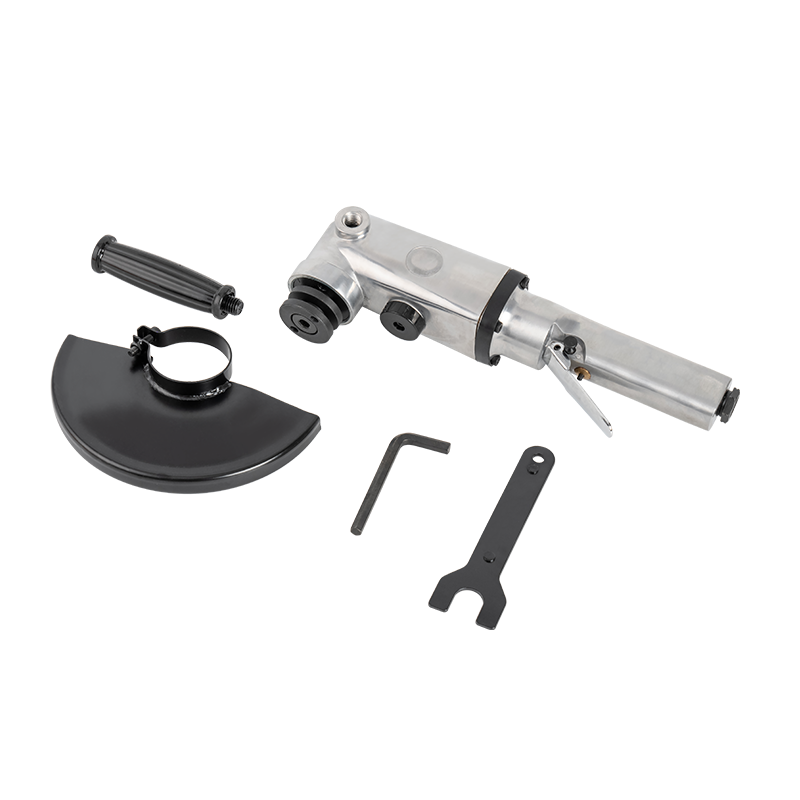
RH-7034B Central Pneumatic 4" Air Angle Grinder
-
RH-7034D 7" Hand Held Angle Grinder
-
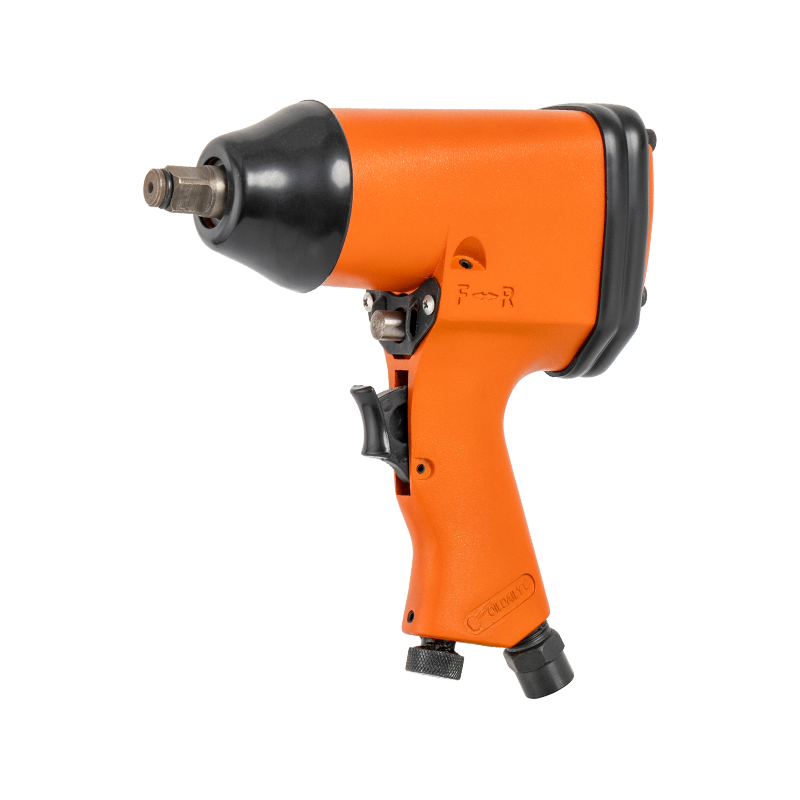
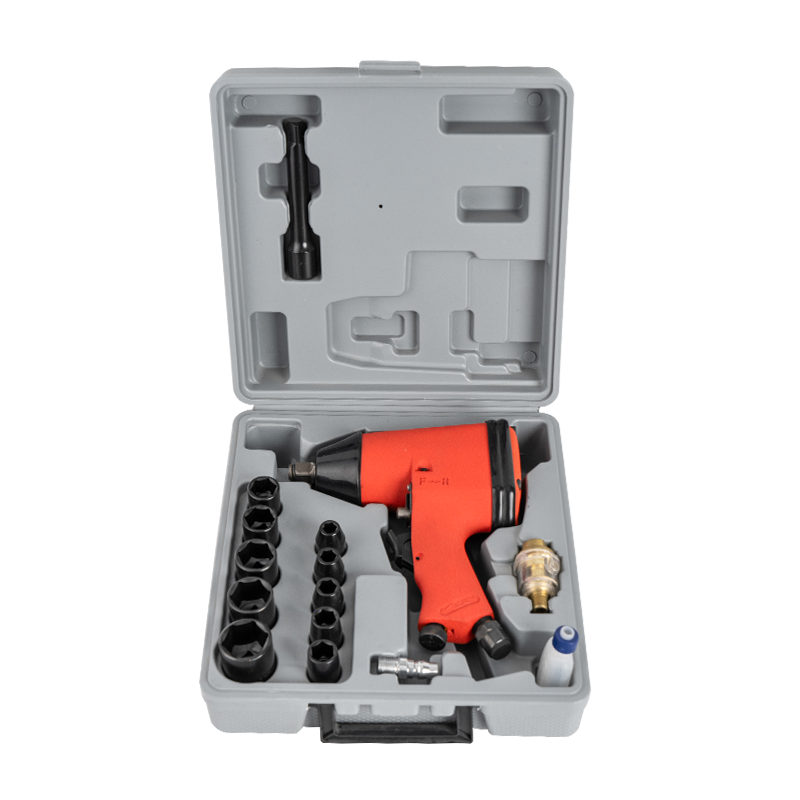
RH-160 1/2" Drive Single Hammer Air Pneumatic Impact Wrench
-
RH-160K Cordless Electric Rechargeable Air Impact Wrench Kit
-
RH-112 1/2" Universal Electric Ratchet Wrench Hand Tool
-
RH-128 1/2" High Torque Electric Ratchet Wrench
-
RH-138 3/8" Long Head Portable Cordless Electric Ratchet Wrench
-
RH-148 1/4" Electric Battery Ratchet Wrench
CONTACT OUR EXPERTS
AND GET A FREE CONSULTATION!
Ningbo Haishu Renhao Pneumatic Co., Ltd.
 Address: Jiangbei District Ningbo City in Zhejiang Province by the Keli industrial ParkL Building 15th
 Phone: +86-139 0668 0779
 Tel: +86-139 0668 0779
 Fax: +86-139 0668 0779
 E-mail:[email protected]


