


 عربى
عربى 中文简体
中文简体Search by posts
Calendar
Product Categories
Industry News
 By Admin
2026 Global Air Impact Wrench Industry Report: Precision, Power, and Industrial Evolution
In the high-stakes world of industrial assembly, heavy-duty automotive repair, and aerospace engineering in 2026, the Air Impact Wrench remains the undisputed king of high-torque applications. Despite the rise of cordless technology, the raw power density, thermal endurance, and hazardous-environment compatibility of a professional-grade Air Impact Wrench make it a permanent fixture in the global industrial arsenal. This report provides a deep dive into the metallurgical advancements, pneumatic optimization, and ergonomic engineering that define the 2026 generation of pneumatic fastening tools.
The Core Engineering Excellence of the Modern Air Impact Wrench
The dominance of the Air Impact Wrench in modern industrial environments is predicated on its unique ability to convert compressed air into massive rotational kinetic energy. In 2026, this conversion process has reached unprecedented levels of efficiency through digital fluid dynamics and advanced materials science.
The High-Performance Rotary Vane Motor and Internal Aerodynamics
The heart of every Air Impact Wrench is its internal air motor. Unlike traditional designs, the 2026 generation utilizes low-friction, high-wear-resistant polymer vanes that minimize energy loss during rotation. These specialized vanes allow the Air Impact Wrench to reach peak RPM faster, delivering immediate torque response. The internal housing is now frequently coated with ceramic composites to reduce thermal expansion, ensuring that the tool maintains a consistent power output even during 24/7 continuous operation in high-throughput assembly lines. This level of precision engineering ensures that the Air Impact Wrench can outlast and outperform electric alternatives in high-heat environments.
The Twin Hammer Mechanism and Breakaway Torque Dynamics
To achieve the "Nut-Busting" or Breakaway Torque required for seized industrial fasteners, the 2026 Air Impact Wrench relies on a refined "Twin Hammer" mechanism. By using two balanced hammers instead of one, the tool delivers smoother, more powerful blows with less vibration. This synchronized impact technology allows a standard 1/2" Air Impact Wrench to produce torque figures that previously required much larger, bulkier tools. The hammers are forged from high-density vacuum-degassed steel, ensuring they can withstand millions of high-energy cycles without micro-cracking, making the Air Impact Wrench the most durable choice for structural steel bolting.
Digital Torque Control and Smart Pneumatic Integration
A revolutionary shift in 2026 is the integration of digital sensors within the Air Impact Wrench body. These sensors monitor the airflow and the resistance of the fastener in real-time. Through an integrated LED interface or a wireless connection to a central hub, the Air Impact Wrench can now provide "Smart Stop" functionality, automatically cutting off airflow once the desired torque threshold is reached. This prevents the over-tightening or "stretching" of high-tensile bolts, a critical requirement in safety-sensitive construction and automotive projects where a traditional Air Impact Wrench might have previously lacked fine-tuned control.
Competitive Analysis: Air Impact Wrench vs. Electric Impact Wrenches
As we navigate 2026, the debate between pneumatic and electric power remains a central concern for facility managers. While cordless tools offer mobility, the Air Impact Wrench provides specific industrial advantages that electricity cannot yet match.
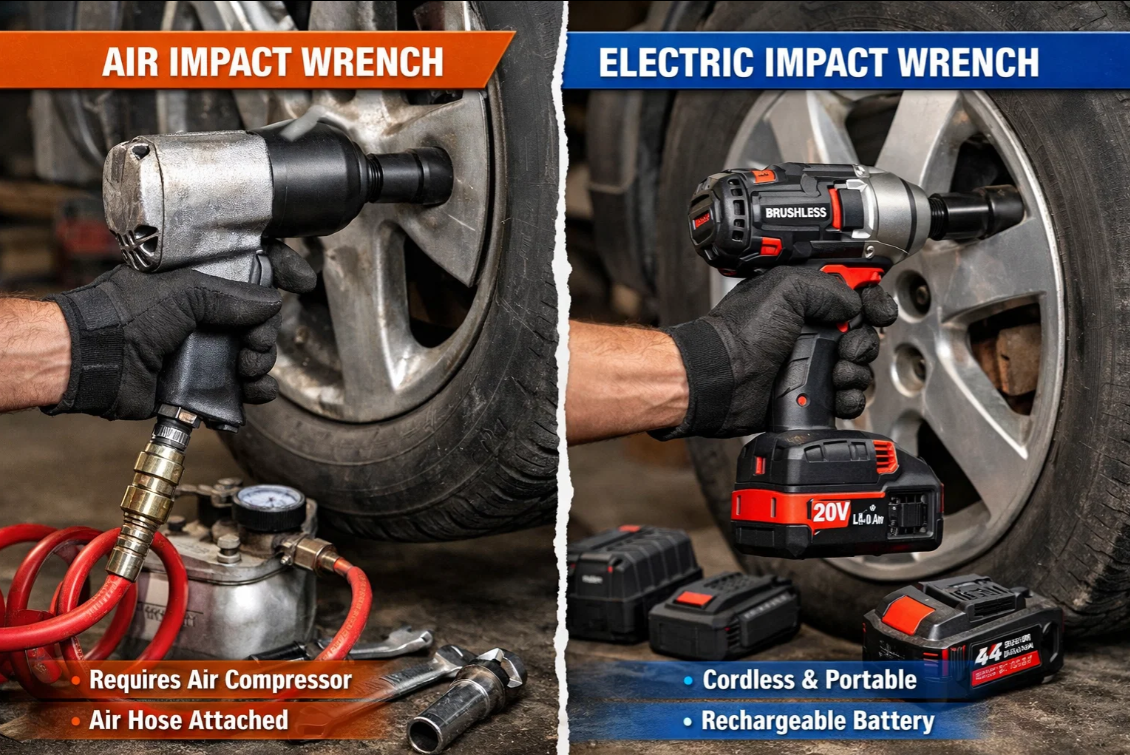
Power-to-Weight Ratio and Thermal Management
An Air Impact Wrench is significantly lighter than an electric counterpart with the same torque output because it does not carry a heavy copper-wound motor or a bulky lithium-ion battery. Furthermore, the expanding compressed air naturally cools the Air Impact Wrench during use. In contrast, Electric Impact Wrenches generate internal heat, which leads to thermal throttling during sustained heavy-duty cycles. For high-volume production lines where a tool is triggered every few seconds, the Air Impact Wrench maintains 100% of its torque capacity, whereas electric models may lose performance as they heat up.
Durability and Hazardous Environment Safety (ATEX Compliance)
The mechanical simplicity of the Air Impact Wrench makes it virtually bulletproof. It contains no sensitive circuit boards or batteries that can be damaged by metal dust, moisture, or heavy vibrations—common occurrences in metalworking shops where a Pneumatic Angle Grinder is often used alongside. More importantly, the Air Impact Wrench is inherently non-sparking. In industries involving volatile chemicals or explosive dust, a pneumatic tool powered by a remote Central Pneumatic Air Compressor is the only safe option, as Electric Impact Wrenches pose a risk of internal electrical arcing.
Total Cost of Ownership (TCO) and Lifecycle
While the initial setup for an Air Impact Wrench requires a Central Pneumatic Air Compressor and piping, the long-term maintenance cost is much lower. Electric tools face "battery attrition"—the need to replace expensive lithium packs every few years. An Air Impact Wrench, if properly lubricated via an FRL system, can last 10-15 years with only minor vane replacements, providing a much higher ROI for large-scale industrial facilities.
Strategic Selection: Matching Drive Sizes to Industrial Duty Cycles
Choosing the right Air Impact Wrench requires a sophisticated understanding of torque-to-weight ratios and the specific physical demands of the workspace.
2026 Air Impact Wrench Specification and Application Matrix
|
Drive Size |
Working Torque Range |
Peak Breakaway Torque |
Primary Industrial Application |
Duty Cycle |
|---|---|---|---|---|
|
3/8" Square Drive |
50 - 350 Nm |
600 Nm |
Engine bay, Motorcycle, Precision MRO |
High Frequency |
|
1/2" Square Drive |
400 - 1,200 Nm |
1,800 Nm |
Automotive Shop, Light Construction |
General Purpose |
|
3/4" Square Drive |
1,000 - 2,500 Nm |
3,200 Nm |
Heavy Truck, Agricultural Machinery |
Continuous Heavy |
|
1" Square Drive |
2,000 - 5,500+ Nm |
7,000+ Nm |
Mining, Shipbuilding, Bridge Building |
Extreme Duty |
The Versatile 1/2" Air Impact Wrench: The Professional Standard
The 1/2" Air Impact Wrench remains the global bestseller due to its perfect balance of weight and power. In 2026, "Stubby" or ultra-compact versions of the 1/2" Air Impact Wrench have become essential for modern automotive technicians. As engine bays become more congested, the ability of a compact Air Impact Wrench to deliver 1,000 Nm of torque in a footprint smaller than a human palm has redefined mechanical efficiency.
Heavy-Duty 1" Air Impact Wrench for Infrastructure and Energy
For the most grueling environments—such as oil rigs, wind turbine assembly, and railway maintenance—the heavy-duty 1" Air Impact Wrench is the only viable option. These tools are engineered with extended anvils to reach deep-seated fasteners and are often equipped with secondary "D-handles" to provide the operator with maximum leverage and control over the massive rotational forces generated by the Air Impact Wrench.
The Power Source: Central Pneumatic Air Compressor Systems
The performance of any Air Impact Wrench is fundamentally limited by the quality and volume of the air supplied by the Central Pneumatic Air Compressor. In 2026, industrial facilities have moved toward smart, variable-speed Central Pneumatic Air Compressor units that adapt to real-time tool demand.
Ensuring CFM Consistency for High-Torque Cycles
An Air Impact Wrench requires a specific volume of air (measured in CFM) to maintain its peak impact velocity. If the Central Pneumatic Air Compressor is undersized or inefficient, the Air Impact Wrench will suffer from rapid torque drop-off during sustained heavy-duty tasks. Modern Central Pneumatic Air Compressor installations now feature advanced multi-stage cooling and moisture separation, ensuring that the air delivered to the Air Impact Wrench is cool, dry, and dense, maximizing the kinetic energy of every blow.
Integrated Shop Maintenance and Tool Synergy
In a professional metal fabrication shop, the Central Pneumatic Air Compressor often powers a variety of specialized tools. While the Air Impact Wrench handles the heavy fastening, its counterpart, the Pneumatic Angle Grinder, is used for surface preparation and weld finishing. Both the Air Impact Wrench and the Pneumatic Angle Grinder share the same pneumatic infrastructure, but they have different airflow profiles. A well-designed Central Pneumatic Air Compressor system ensures that using a Pneumatic Angle Grinder at one station doesn't starve the Air Impact Wrench of the pressure it needs to break loose a stubborn bolt at another.
Common Applications of Each Grinder: Strategic Deployment
To optimize industrial workflows, it is essential to understand where each type of grinder excels. While they perform similar mechanical tasks, their power sources dictate their ideal environments.
Pneumatic Grinders: The Industrial Workhorse
Pneumatic Grinders are the primary choice for environments where durability and duty cycle are non-negotiable.
-
Automotive Repair & Restoration: Ideal for heavy-duty tasks such as removing deep-seated rust, grinding down structural welds, and precision cutting of exhaust components.
-
Heavy Metal Fabrication & Shipyards: In these 24/7 environments, the Pneumatic Grinder thrives because it can run continuously without the risk of electrical burnout.
-
Industrial Plants & Hazardous Zones: Since they lack electrical components, they are the standard in shipyards or plants where metal dust or moisture would quickly destroy an electric motor.
-
High-Throughput Production: Used in any scenario where downtime is costly; the tool can be used indefinitely as long as the Central Pneumatic Air Compressor is operational.
Electric Grinders: Mobility and Convenience
Electric Grinders find their niche in decentralized environments where portability outweighs the need for continuous power.
-
Remote Construction Sites: Crucial for sites that have not yet been piped for compressed air or where a portable Central Pneumatic Air Compressor is impractical.
-
Home Workshops and DIY Projects: For the occasional user, the lower entry cost and the ability to plug into a standard wall outlet make electric the most accessible option.
-
Field Repairs & Roofing: Perfect for "jump-in" jobs like cutting a single piece of rebar or trimming roofing tiles where dragging an air hose would be a safety hazard.
-
Occasional Maintenance: Best suited for light-duty tasks where cost efficiency and ease of storage are prioritized over raw power-to-weight ratios.
The Pneumatic Infrastructure: Optimizing Air Flow for Peak Performance
An Air Impact Wrench is only as powerful as the pneumatic system that supports it. 2026 has seen a renewed focus on "Air Quality Management" to prevent the performance decay often seen in neglected workshops.
Advanced FRL (Filter, Regulator, Lubricator) Systems
To maintain the internal integrity of the Air Impact Wrench and other tools like the Pneumatic Angle Grinder, a high-quality FRL unit is mandatory.
-
High-Efficiency Filtration: Prevents moisture and abrasive particulates from entering the Air Impact Wrench, which otherwise leads to internal corrosion of the air motor.
-
Precision Regulation: Ensures the Air Impact Wrench receives a steady 90 PSI (6.2 Bar). Under-pressuring leads to weak torque, while over-pressuring causes rapid mechanical wear.
-
Micro-Mist Lubrication: Automatically injects a fine mist of pneumatic oil into the line, ensuring that the vanes of the Air Impact Wrench and Pneumatic Angle Grinder are constantly lubricated.
High-Flow Couplers and Air Hose Optimization
A common bottleneck in Air Impact Wrench performance is the use of restrictive air hoses. In 2026, the industry has standardized on high-flow 3/8" or 1/2" ID (Internal Diameter) hoses with specialized high-flow couplers. These components minimize pressure drops, ensuring that the full volume of air from the Central Pneumatic Air Compressor reaches the Air Impact Wrench trigger.
Safety and Ergonomics: The Human-Centric Design of 2026
Operating a high-power Air Impact Wrench for several hours a day poses significant physical risks. The 2026 generation of tools addresses these through sophisticated ergonomic features designed to protect the "industrial athlete."
Vibration Damping and HAVS Prevention
Prolonged use of an Air Impact Wrench can lead to Hand-Arm Vibration Syndrome (HAVS). Modern professional tools utilize a "floating motor" design where the motor and impact mechanism are suspended within a vibration-absorbing elastomer frame inside the handle. This significantly reduces the vibration transmitted from the Air Impact Wrench to the operator's hand without sacrificing the tactile "feedback" needed for precise fastening.
Acoustic Engineering and Noise Reduction
The high-pitched exhaust of a traditional Air Impact Wrench is a primary cause of occupational hearing loss. 2026 models feature multi-stage internal mufflers and directional exhaust systems that can be rotated to blow air away from the user. These advancements have brought the operational noise of a professional Air Impact Wrench down to safer levels (often below 86 dB), facilitating a more focused and less stressful work environment.
Preventive Maintenance (PM) Protocol: Maximizing ROI and Torque Accuracy
A high-quality Air Impact Wrench represents a significant capital expenditure. Adopting a scientific, data-driven maintenance schedule is the only way to ensure the tool delivers peak torque for its projected 10-year service life.
Advanced Lubrication and Vane Protection
Pneumatic motors are highly susceptible to "internal glazing" and vane stiction.
-
Daily Oiling Protocol: In the absence of an active FRL system, technicians must inject 2-3 drops of high-grade, moisture-displacing air tool oil directly into the air inlet before every shift. This maintains the seal between the vanes and the cylinder wall, ensuring maximum volumetric efficiency.
-
Flushing Cycles: Monthly, the Air Impact Wrench should be "flushed" by injecting a larger volume of oil and running the tool without load to purge accumulated dust and moisture that may have bypassed the Central Pneumatic Air Compressor filters.
Impact Mechanism and Gear Train Re-Greasing
The kinetic energy transfer in the twin-hammer mechanism generates extreme localized heat and pressure.
-
Molybdenum Disulfide Integration: The hammer and anvil of the Air Impact Wrench require periodic re-greasing using high-pressure molybdenum disulfide (MoS2) grease. This lubricant provides a sacrificial boundary layer that prevents metal-on-metal galling during 3,000+ BPM (Blows Per Minute) cycles.
-
Grease Fitting Maintenance: For tools equipped with external Zerk fittings, grease should be added every 40 operational hours to ensure the impact cage remains fully saturation.
Structural Integrity and Anvil Calibration
The square drive anvil is the primary failure point under extreme "Nut-Busting" loads.
-
Anvil Surface Inspection: Technicians must periodically check the anvil for "mushrooming," hairline fractures, or excessive rounding of the square drive. A compromised anvil leads to inefficient energy transfer and can cause impact sockets to shatter.
-
Torque Verification: Quarterly, the Air Impact Wrench should be tested on a static torque transducer. If the output deviates more than 10% from factory specifications, it typically indicates internal air leakage or worn-out hammers that require immediate replacement.
Frequently Asked Questions
Q1: Why should I choose an Air Impact Wrench over a cordless electric one for my shop?
While cordless tools offer portability, the Air Impact Wrench provides a superior power-to-weight ratio and can run indefinitely without thermal throttling or battery depletion. For heavy-duty industrial use where the tool is in constant operation, the pneumatic option is more durable, easier to maintain, and safer in hazardous environments.
Q2: Is it safe to run my Air Impact Wrench at 120 PSI to get more torque?
Most professional Air Impact Wrenches are rated for a maximum of 90 PSI (6.2 Bar). Operating at significantly higher pressures can cause catastrophic failure of the hammer mechanism, shatter impact sockets, and drastically shorten the life of the internal air motor. If you need more torque, it is safer to upgrade to a tool with a larger drive size.
Q3: What size Central Pneumatic Air Compressor do I need for a 1/2" Air Impact Wrench?
Check the "Average CFM" requirement on your tool’s spec sheet. A standard 1/2" Air Impact Wrench typically requires 4-5 CFM at 90 PSI. To ensure continuous performance without the tank pressure dropping too fast, your Central Pneumatic Air Compressor should ideally have a CFM delivery rating that is 1.5 times the tool's requirement.
Q4: My Air Impact Wrench is losing power; what is the first thing I should check?
The most common cause of power loss is a lack of lubrication or moisture in the lines. First, inject a few drops of oil into the air inlet. If that doesn't help, check your air hose for kinks and ensure your Central Pneumatic Air Compressor filters are clean. Moisture buildup inside the tool can cause the vanes to stick, preventing the motor from reaching peak RPM.
Q5: What is the difference between "Working Torque" and "Breakaway Torque"?
"Working Torque" is the range at which the Air Impact Wrench can consistently tighten a bolt without damaging the threads. "Breakaway Torque" (or Nut-Busting Torque) is the absolute peak force the tool can generate to loosen a seized or rusted fastener. The breakaway figure is always significantly higher than the working torque.
The Future of the Air Impact Wrench
As we move through 2026, the Air Impact Wrench continues to evolve, blending traditional pneumatic reliability with modern digital precision. For professional technicians and industrial facilities, the Air Impact Wrench remains a critical tool that bridges the gap between raw power and mechanical accuracy. By selecting a tool with advanced brushless-style pneumatic efficiency, powering it with a high-performance Central Pneumatic Air Compressor, and maintaining a clean air infrastructure alongside other tools like the Pneumatic Angle Grinder, you ensure that your workshop stays at the cutting edge of industrial performance.
Recommended products
-
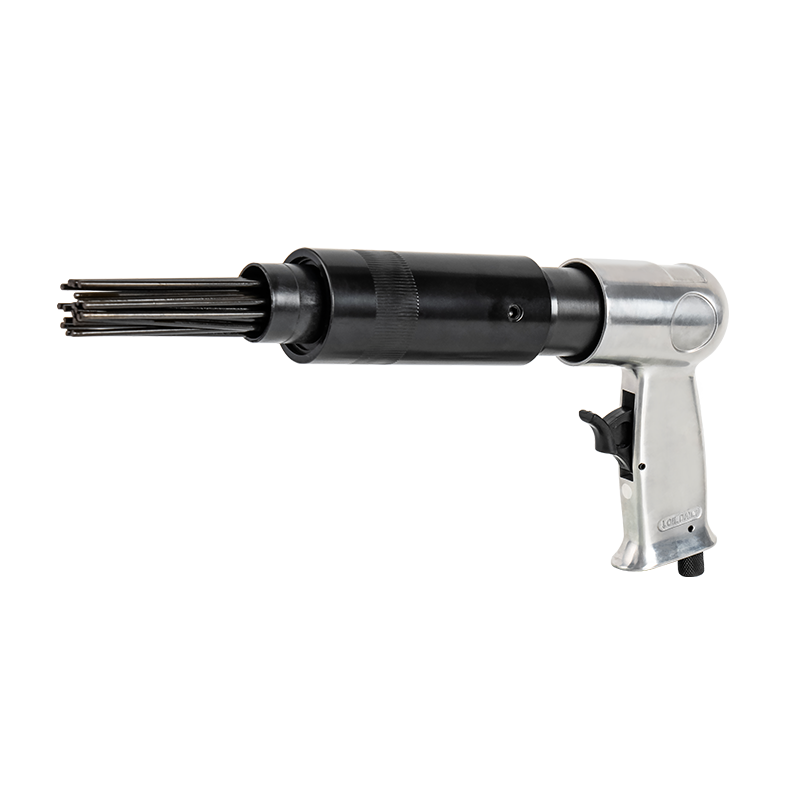
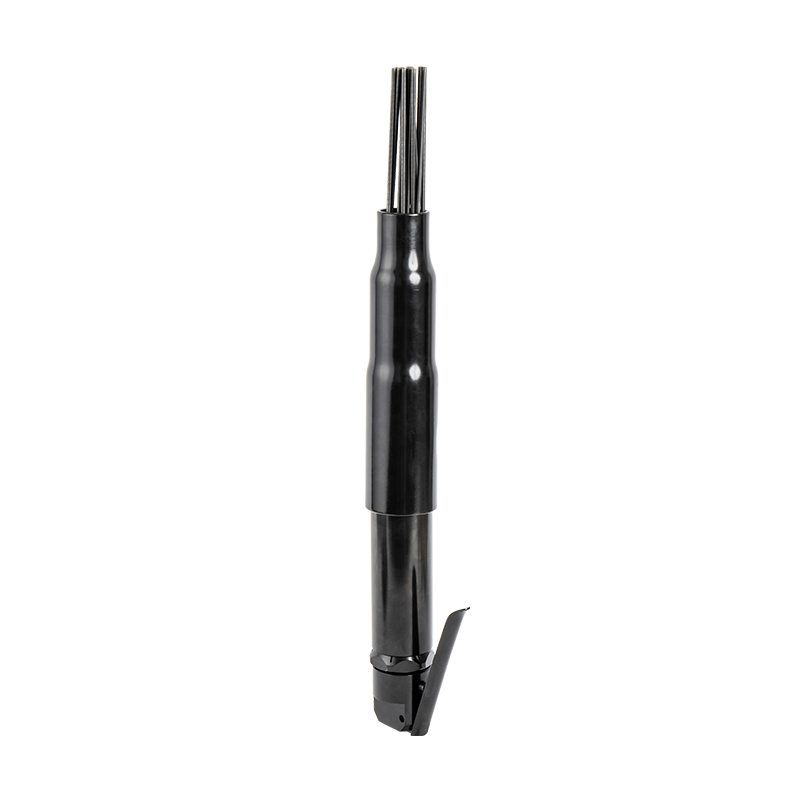
RH-464 Pneumatic Corner Needle Scaler
-
RH-460 Mini Compact Pneumatic Air Needle Scaler
-
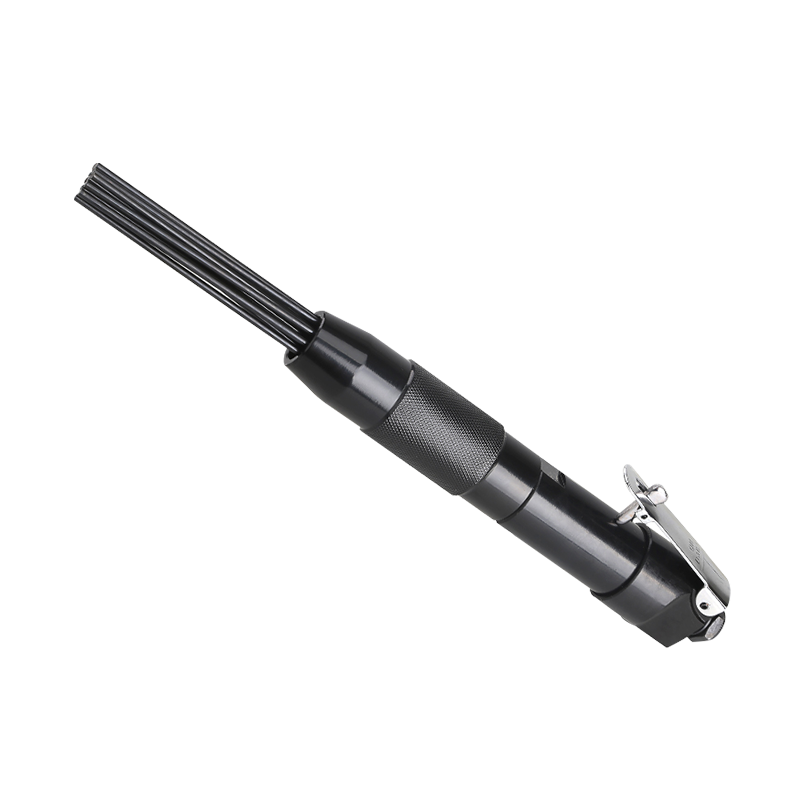
RH-462 Portable Industrial Straight Needle Scaler
-
RH-7034C Portable Pneumatic Chamfering Machine
-
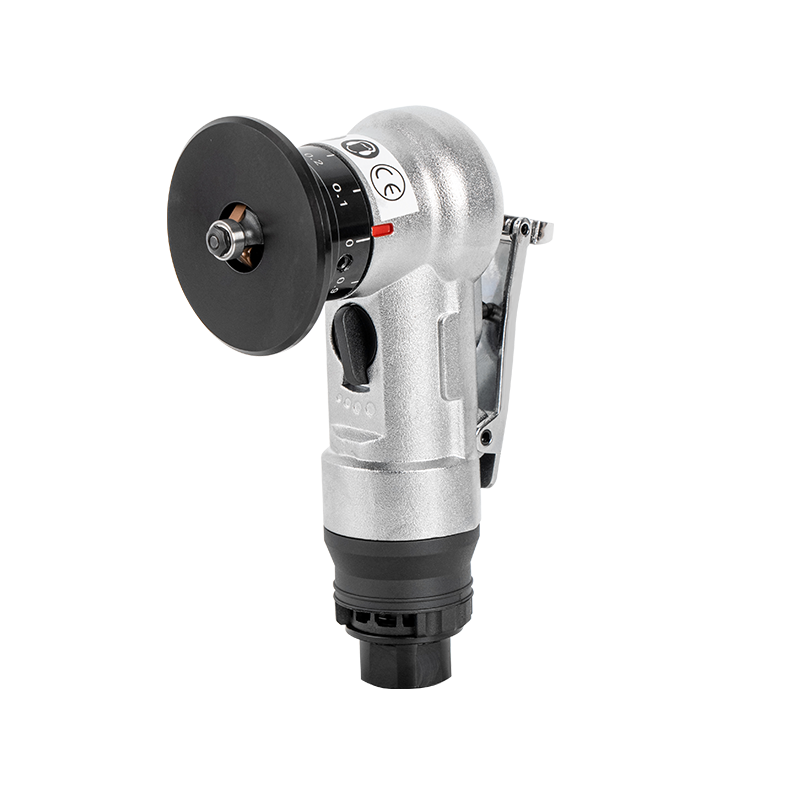
RH-7034B Central Pneumatic 4" Air Angle Grinder
-
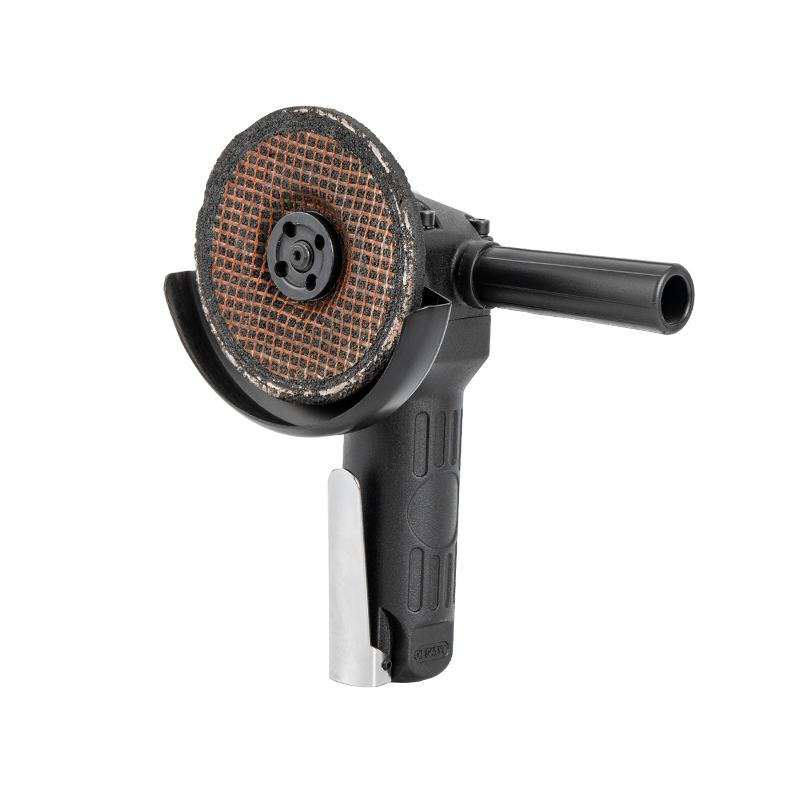
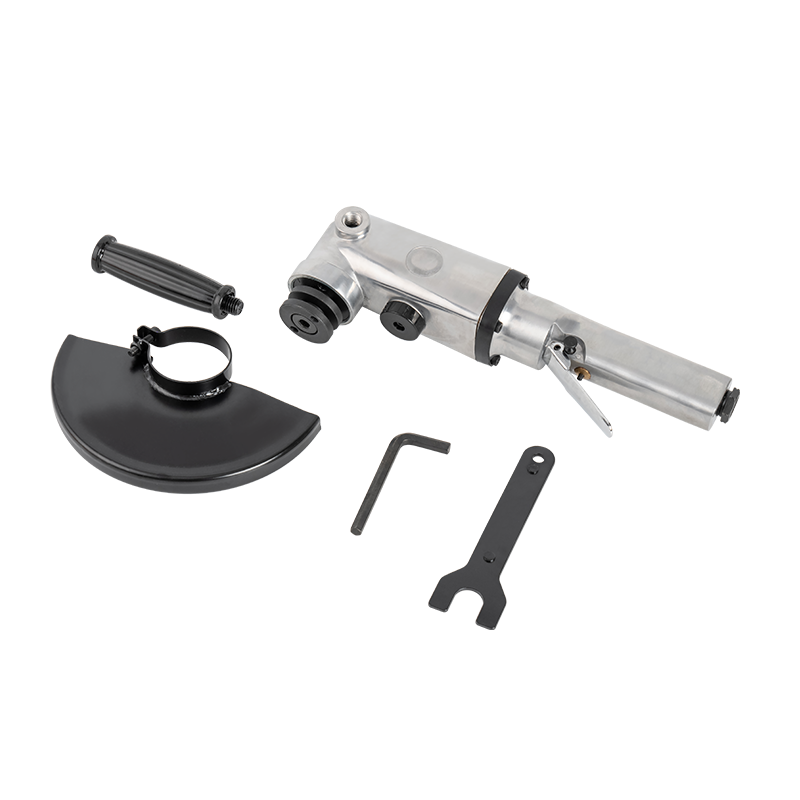
RH-7034D 7" Hand Held Angle Grinder
-
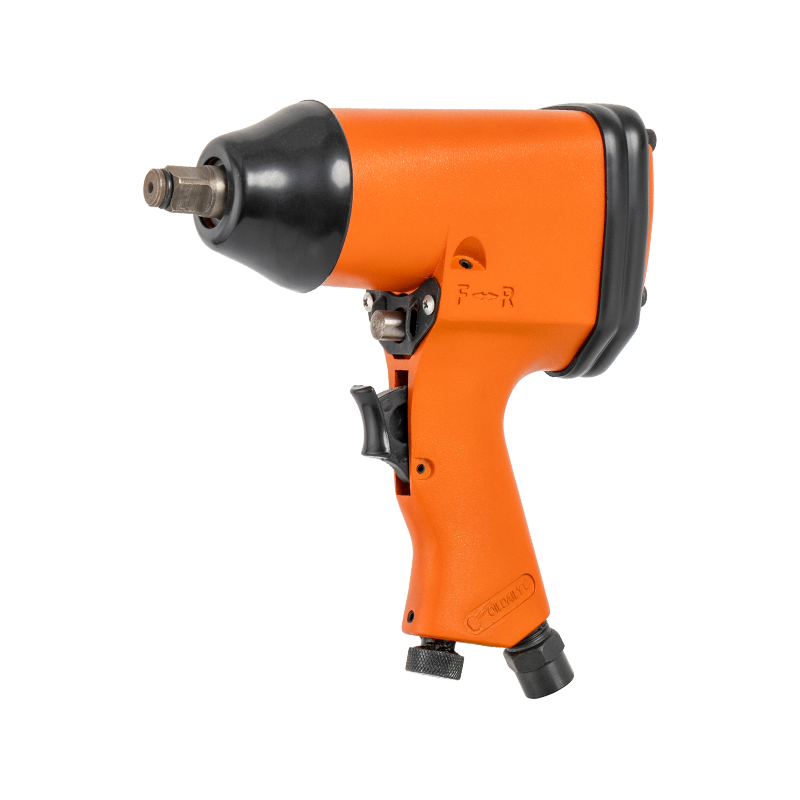
RH-160 1/2" Drive Single Hammer Air Pneumatic Impact Wrench
-
RH-160K Cordless Electric Rechargeable Air Impact Wrench Kit
-
RH-112 1/2" Universal Electric Ratchet Wrench Hand Tool
-
RH-128 1/2" High Torque Electric Ratchet Wrench
-
RH-138 3/8" Long Head Portable Cordless Electric Ratchet Wrench
-
RH-148 1/4" Electric Battery Ratchet Wrench
CONTACT OUR EXPERTS
AND GET A FREE CONSULTATION!
Ningbo Haishu Renhao Pneumatic Co., Ltd.
 Address: Jiangbei District Ningbo City in Zhejiang Province by the Keli industrial ParkL Building 15th
 Phone: +86-139 0668 0779
 Tel: +86-139 0668 0779
 Fax: +86-139 0668 0779
 E-mail:[email protected]


